
Tackl Academy · Bait
Pop-Ups and Wafters: Buoyancy and Balance
Pop-ups float; wafters are designed to partly counterbalance rig weight; ordinary bottom baits generally sink. Those broad categories are useful, but actual behaviour changes with the complete rig.
By Tackl · Reviewed by TACKL. · Updated 13 October 2026
What makes a pop-up useful
A buoyant bait can hold a hook section above the lakebed, which may help the bait remain visible or away from low debris. The pop-up needs a rig intended for it and must be balanced correctly.
Why wafters vary
Buoyancy is influenced by the bait size and composition, hook weight, ring or swivel hardware and how long the bait has been immersed. Test the actual bait and hook together before fishing.
Water test your presentation
Use a small clear container or shallow water to observe whether the hookbait rises, hovers or sinks as intended. Adjust with appropriate components, but inspect that nothing impedes the hook point or swivel.
Match feed and hookbait
A distinctive hookbait among plain feed can help an angler track what is being used, but no colour, flavour or buoyancy guarantees a bite. Focus on fish location and how bait is presented.
Questions
Will every wafter sink slowly?
Not necessarily. The rig’s hardware and the bait itself determine its final balance.
Are bright pop-ups always better?
No. Their usefulness varies by conditions and fish response.
Related
Shop this on Tackl
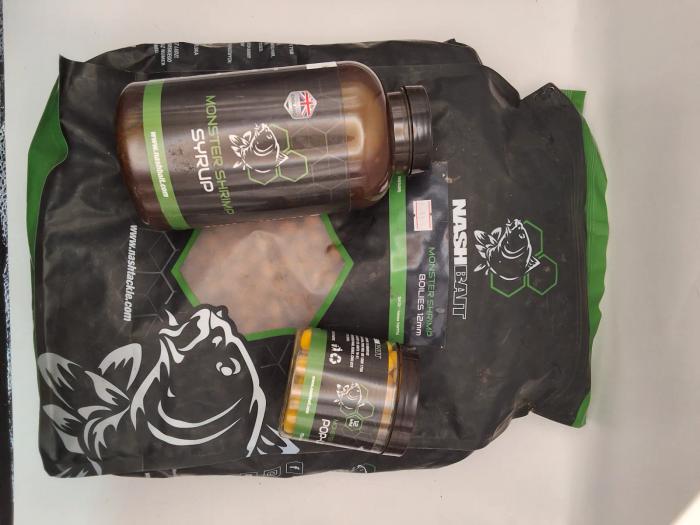
Nashbait combo deal 5kg/1L
£36.90New
Sold by Tackl
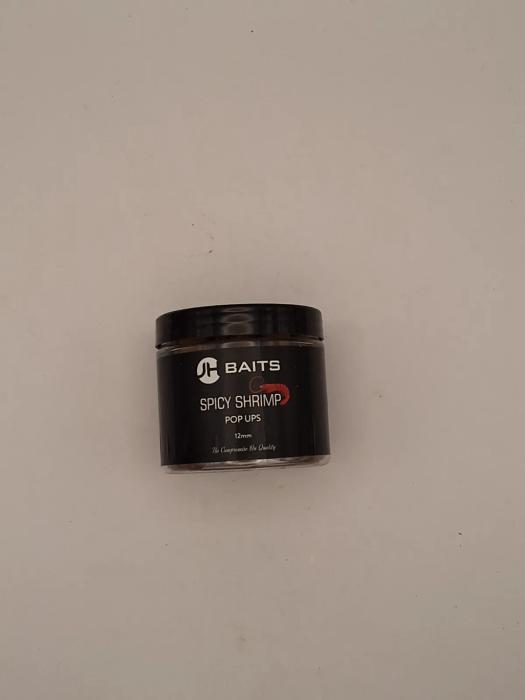
JH BAITS Pop-ups Spicy Shrimp Other
£5.70New
Sold by Tackl
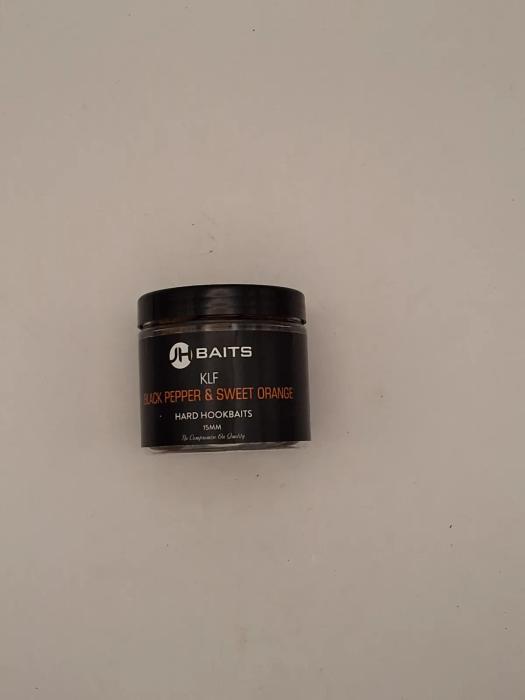
JH BAITS Pop-ups Black Pepper & Sweet Orange 15MM
£5.70New
Sold by Tackl
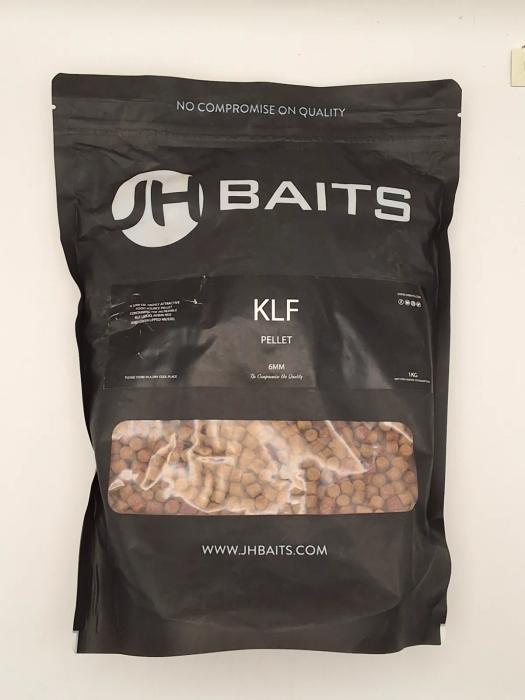
JH Baits KLF Robin Red and Green Lipped Mussel 6mm
£5.70New
Sold by Tackl
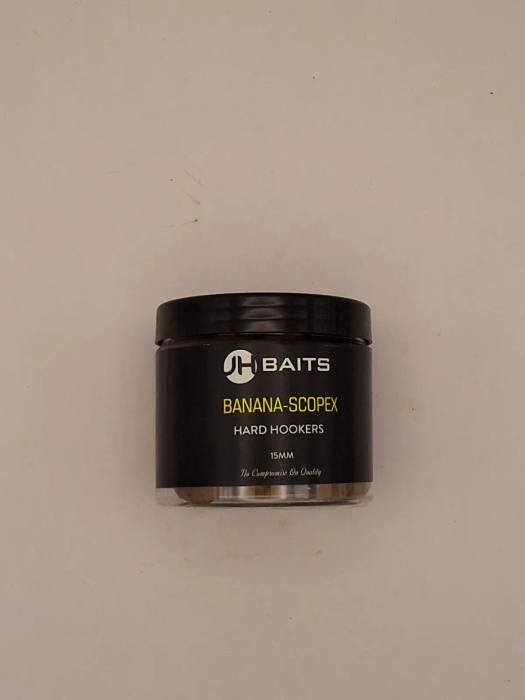
JH Baits hard Boilies Banana-Scopex 15mm
£5.70New
Sold by Tackl
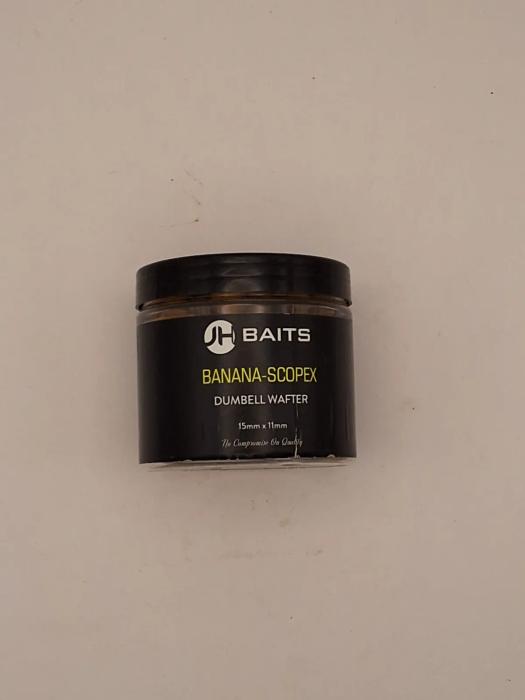
JH BAITS Dumbell wafters Banana-Scopex
£5.70New
Sold by Tackl
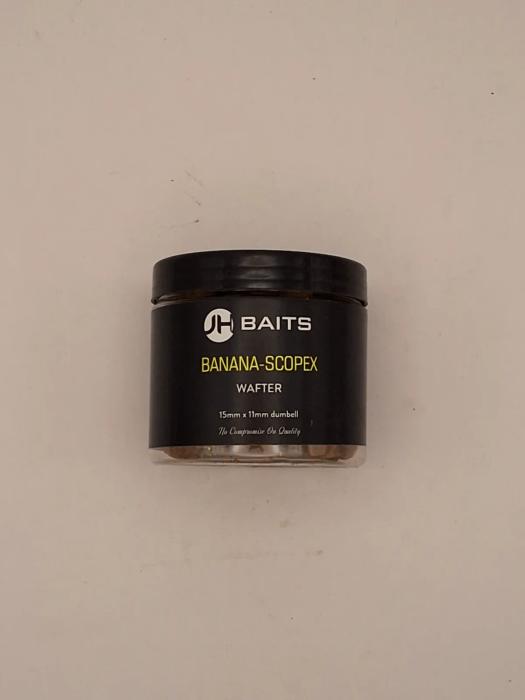
JH Baits Wafters Banana-Scopex 15mm x 11mm
£5.70New
Sold by Tackl
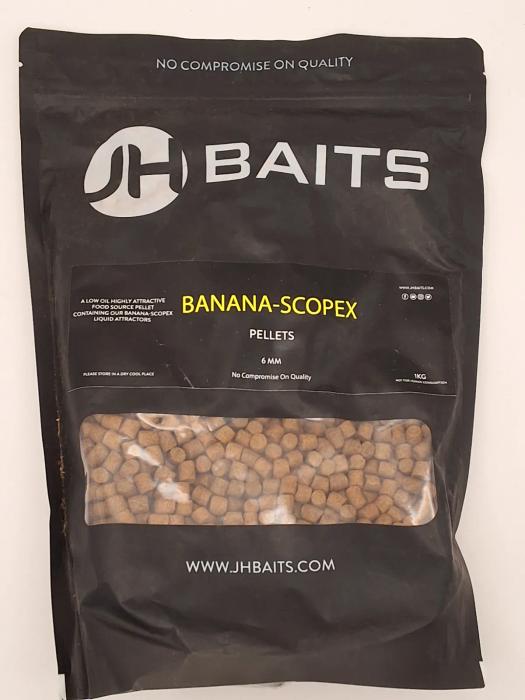
JH Baits Pellets Banana-Scopex 6mm 1kg
£5.70New
Sold by Tackl
General guidance, not professional advice. Always follow the venue's rules and current Environment Agency, NRW or Scottish regulations.