
Tackl Academy · Rigs
The Chod Rig Explained: Components, Setup and Safe Use
A conventional bottom-bait rig needs somewhere reasonably clean to settle. On a lakebed covered by broken weed, leaves and light debris, its hookbait may be buried or the hooklink may lie awkwardly. A Chod Rig approaches that problem differently. It uses a very short, stiff, curved hook section carrying a buoyant pop-up, usually as part of a compatible helicopter-style arrangement. The hookbait can sit above some of the debris rather than following a long supple hooklink into it.
By Tackl · Reviewed by TACKL. · Updated 13 October 2026
A conventional bottom-bait rig needs somewhere reasonably clean to settle. On a lakebed covered by broken weed, leaves and light debris, its hookbait may be buried or the hooklink may lie awkwardly. A Chod Rig approaches that problem differently. It uses a very short, stiff, curved hook section carrying a buoyant pop-up, usually as part of a compatible helicopter-style arrangement. The hookbait can sit above some of the debris rather than following a long supple hooklink into it.
That flexibility is useful, but it doesn't make the rig suitable for every bottom or every angler. A Chod Rig includes components that must separate safely after a main-line break. If the line or leader arrangement is wrong, a fish may be left trailing tackle. Do not fish a Chod Rig until you can demonstrate how the complete system releases.
1. What makes a Chod Rig different?
The hook section is short and stiff. It commonly uses an out-turned-eye hook suitable for stiff filament, a small sliding rig ring or micro ring swivel at a D near the hook, and a suitable swivel at the other end. The filament is curved to help the hook orientate when the bait is taken. The pop-up is mounted on the small ring or swivel rather than on a conventional long hair.
The lead arrangement is a separate, equally important part. In a compatible helicopter setup, the hook section is able to rotate or move on an appropriate section of main line or leader between specialised components. The upper retention bead must not become a permanent stop that prevents the hook section escaping following a break. The precise design depends on whether a manufacturer-approved naked-line or leader-based system is used.
Unlike a conventional bottom-bait rig, the Chod Rig is not designed to put a sinking boilie next to the hook. It relies on suitable buoyancy and the stiffness of the short section. Testing in water is essential.
2. Where and when to consider it
Light weed, scattered dead leaves and patchy debris are typical reasons anglers consider a Chod Rig. It may also help where a clean-looking spot hides loose material that a standard rig could penetrate. Deep soft silt and dense, tall weed are more complicated. A pop-up presented above some debris is not necessarily above all of it; careless adjustment can leave the hookbait buried or the line unsafe.
Before choosing the rig, investigate the bottom using permitted methods and evaluate the level of weed. Check fishery restrictions on leaders, leadcore, helicopter rigs, barbed hooks and release systems. If you cannot verify a safe arrangement for the actual conditions, choose a simpler proven setup.
3. Components you need
- A purpose-made stiff-rig or Chod hook with an eye angle suitable for the chosen stiff filament.
- Stiff filament specifically recommended for this type of hook section.
- A compatible hook-section swivel, commonly a ring or flexi-style swivel.
- A small hookbait ring or micro ring swivel to travel on the D.
- A buoyant pop-up and suitable approved attachment.
- Putty or counterbalance components, if required by the actual presentation.
- A complete manufacturer-matched naked-line or leader helicopter system with appropriate removable/releasable beads or stops.
- A compatible lead, scissors, safe tensioning tools and water for testing.
Do not mix random beads, tubing and swivels solely because the diameters appear similar. Different makers specify different release characteristics, and compatibility is not visible from a product photograph.
4. Building the short Chod hook section: eight steps
- Choose and inspect the hook
Use a straight, undamaged point and a hook eye recommended for the stiff filament. Check any fishery rules on hook type.
- Cut the stiff filament
Allow enough material to form the hook whipping and D, plus a secure attachment to the hook-section swivel. Avoid sharp kinks or crushing the material with pliers.
- Secure the hook connection
Tie the manufacturer's recommended whipping or knot against the hook shank. The material should leave the eye along the intended line for this hook pattern. A common construction retains a controlled tag for a D.
- Position the bait attachment
Thread the intended hookbait ring or micro swivel on the tag and fold it back toward the eye to form the D, following the verified construction for that filament.
- Finish and inspect the D
Lock or finish the tag using the chosen material's approved method. Where a heat-finished tag is specified, use suitable tools and keep the flame away from the main filament and fingers. The ring must move as intended without escaping or catching on rough material.
- Connect the hook-section swivel
Attach the opposite end of the short stiff section using a knot or crimping method approved for the material and swivel. Pull-test the connection safely; the section should not twist or fracture at the knot.
- Shape and balance the hook section
Form the intended gentle curve without creating an acute kink. Attach the pop-up and test its buoyancy in water, adjusting counterbalance only as necessary.
- Inspect the finished assembly
Check the point, D, swivel, filament and bait attachment from several angles. The pop-up must not conceal the hook point and the section must not be damaged by its own hardware.
This produces the hook section only . It is not yet a safe castable Chod Rig.
5. Setting up the complete system: five checks
Use an approved helicopter arrangement. Select one complete system whose bead, swivel, sleeve and line or leader are designed to work together. Confirm travel and release. Test whether the hook section can leave the line or leader if the main line breaks; no fixed stop should trap it. Match the bead position to the lakebed. Higher travel may be useful over debris, but setting arbitrary distances without knowing weed depth can conceal serious problems. Check the lead. Ensure its attachment and release behaviour match the venue and manufacturer instructions. Test the system outside the water first. A physical failure simulation is more meaningful than assuming a diagram proves safety.
A trained, experienced angler should demonstrate these checks using the exact products to be fished. Small changes in tubing, leadcore, splice, bead size and leader material can change the outcome.
6. Pop-up choice and balance
Use a hookbait buoyant enough for the hook section. A low-buoyancy bait may allow the presentation to collapse into debris, while an exceptionally buoyant bait may distort the posture of the rig. Putty may assist where the system calls for it, but more putty is not always better. Test in a clear container, then repeat after the bait has been submerged for a period similar to the expected fishing time.
Try to view the whole presentation side-on rather than looking only at the pop-up. The hook point, filament curvature and swivel orientation should work together without the bait jammed into the bend.
7. Casting and fishing considerations
A Chod Rig can be relatively tangle-resistant when assembled properly, but this is not a guarantee. Before casting, check that the hook section can travel correctly and the pop-up attachment is secure. Consider the risk of fishing in heavy vegetation: even a well-presented hookbait is unsuitable if you cannot safely control and land a hooked carp. If the lakebed changes, reevaluate the bead position and whether the rig is appropriate at all.
Avoid moving repeatedly between very different lead systems without retesting release. Keep a record of the exact components and configuration that were physically approved.
8. Common Chod Rig mistakes
Using a standard in-turned-eye hook with stiff material: may create an unsuitable eye exit angle. Kinking the stiff section: damages its shape and possibly strength. Uncontrolled D movement: can snag or compromise the bait position. Weak pop-up buoyancy: collapses the hook section. A non-releasing upper bead: can trap a carp behind the lead or leader after failure. Copying a bead height from another lake: ignores the actual depth of debris. Fishing too close to snags: makes landing fish unsafe regardless of presentation.
Fish welfare warning
A Chod Rig should not be improvised from mismatched components. Always follow the specific manufacturer's current assembly and leader guidance, venue rules and proven fish-safe release methods. No publication of this tutorial should imply that one bead position or one leader type is safe under all conditions. A named competent angler must inspect and physically test the hook section and lead-release system before publication.
FAQs
Does the Chod Rig need a pop-up? The common arrangement is built around a buoyant hookbait. A sinking bottom bait generally does not suit its purpose.
Is it designed for heavy weed? It can help with certain debris, but heavy weed may demand a completely different, safer approach. The presentation is not a substitute for fish location and landing safety.
Can I use ordinary beads from my tackle box? Not without specific compatibility confirmation. Releasable stops are a safety-critical part of the setup.
Does a larger D always give better movement? No. The D should suit the ring, hook and bait system, and must retain the bait attachment securely.
Shop the tackle for this guide
Browse Stiff Hooklinks , Hooks , Swivels & Clips , Rig Components , Pop-ups and Leads on Tackl. Purchase a tested compatible lead system rather than combining unfamiliar parts.
Questions
Does a Chod Rig only work with pop-ups?
It is fundamentally designed around a buoyant hookbait and a short stiff section; conventional bottom bait use defeats much of the arrangement's purpose.
Can I use any hook?
No. Stiff filament is commonly paired with a hook designed for that material and presentation.
Is a Chod Rig safe on any leader?
No. The complete arrangement must be specifically compatible and fish-safe after a breakage.
Related
Shop this on Tackl
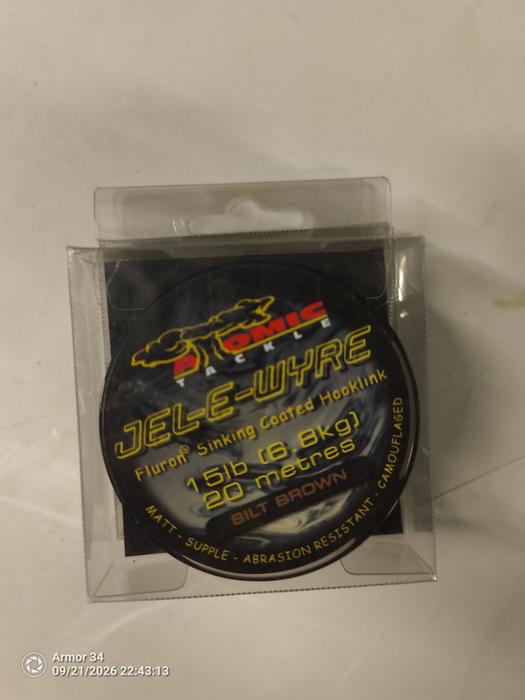
Atomic Tackle Hooklink Braided Sinking Coated Hooklink
£5.49New
Sold by Tackl
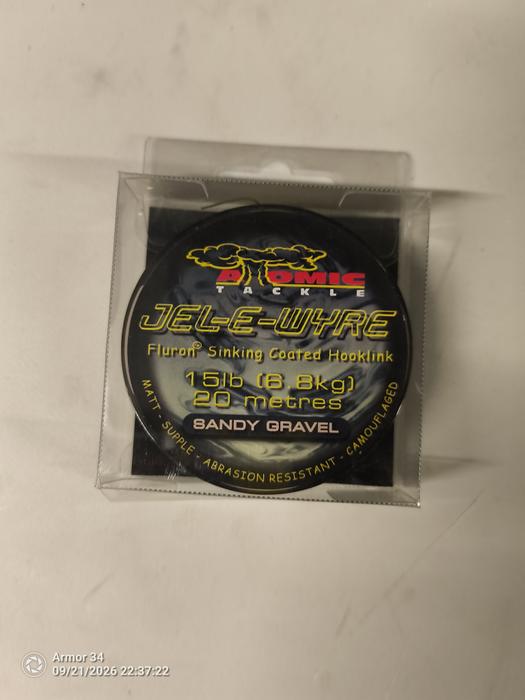
Atomic Tackle hooklink coated hooklink
£5.49New
Sold by Tackl
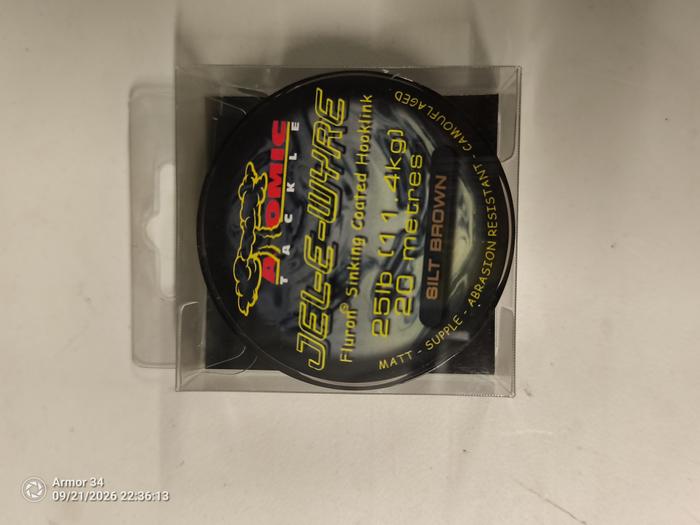
Atomic Tackle Hooklink Fluron Sinking Coated Hooklink
£5.49New
Sold by Tackl
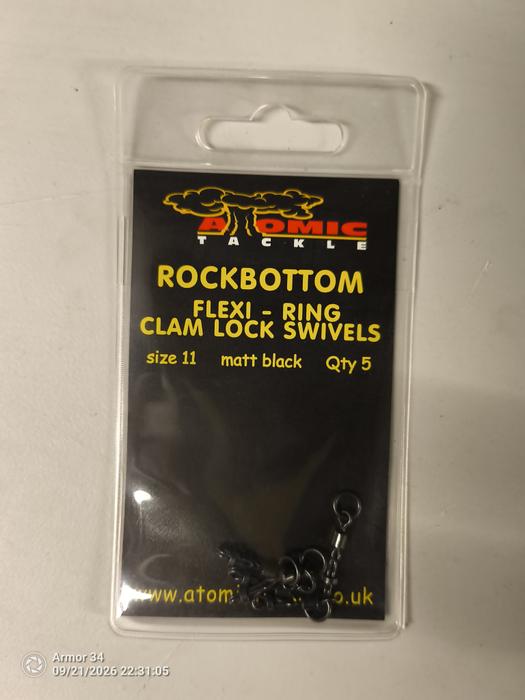
Atomic Tackle
£2.58New
Sold by Tackl
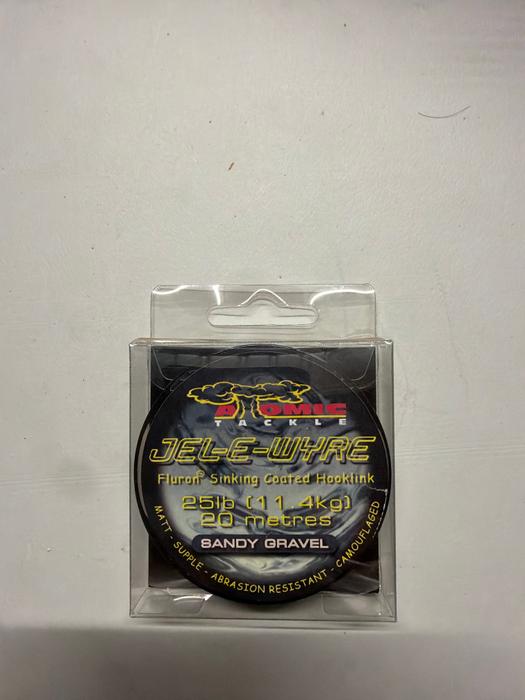
Atomic Tackle Line Fluorocarbon 25lbs 25lb (11.4kg) 20 metres
£5.49New
Sold by Tackl
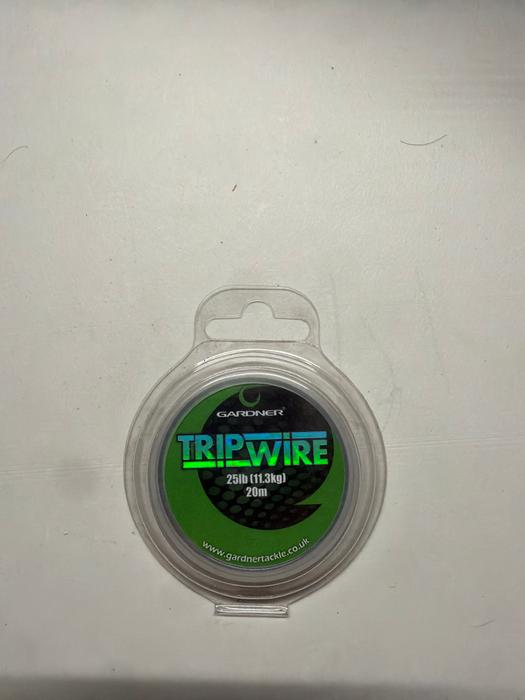
Gardner trip wire Line fishing line 25lbs
£3.00New
Sold by Tackl
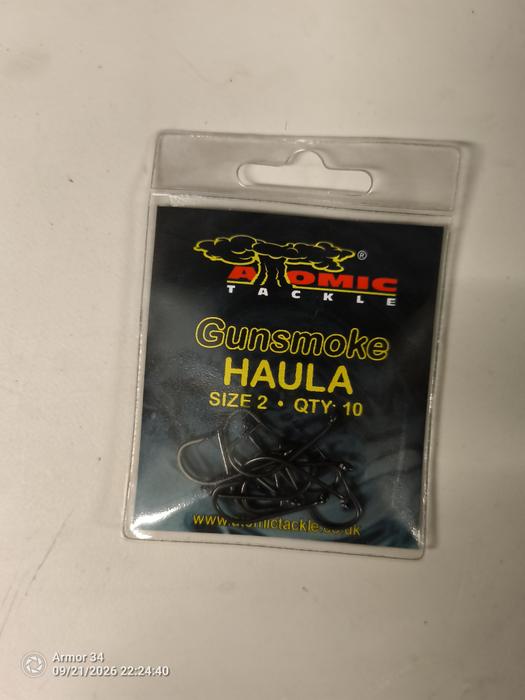
Atomic Tackle haula 2
£2.37New
Sold by Tackl
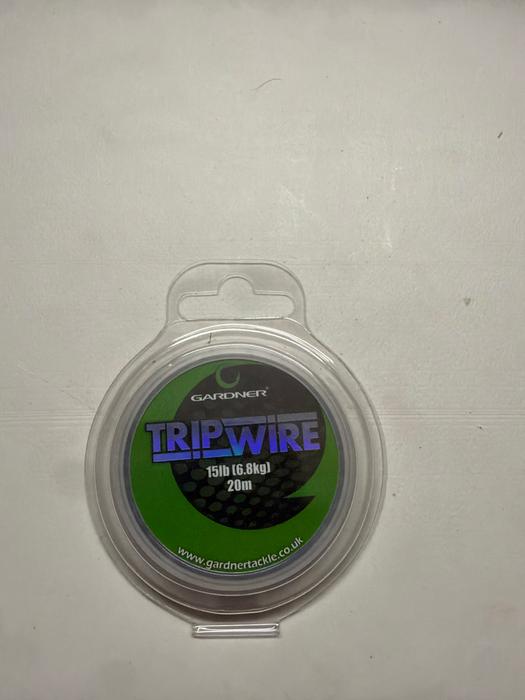
Gardner Trip Wire 15lb 20m
£4.24New
Sold by Tackl
General guidance, not professional advice. Always follow the venue's rules and current Environment Agency, NRW or Scottish regulations.