
Tackl Academy · Rigs
How to Build and Fish the Hinged Stiff Rig
The Hinged Stiff Rig is a well-established pop-up presentation that combines a short, curved, stiff hook section with a longer boom. The hook section gives the pop-up an upright working position; the boom is selected to settle across the lakebed and maintain separation from the lead. A swivel between the two sections allows articulation, which explains the word hinged in the name.
By Tackl · Reviewed by TACKL. · Updated 13 October 2026
The Hinged Stiff Rig is a well-established pop-up presentation that combines a short, curved, stiff hook section with a longer boom. The hook section gives the pop-up an upright working position; the boom is selected to settle across the lakebed and maintain separation from the lead. A swivel between the two sections allows articulation, which explains the word hinged in the name.
Compared with a Chod Rig, the main difference is how the hook section is presented. A Chod hook section is commonly used on a helicopter-style system, while a Hinged Stiff Rig usually attaches that section to a boom to make a more conventional extended hooklink. The two may share hook-section techniques, but their complete line and lead arrangements are not interchangeable without checking.
1. What the rig is designed to achieve
A properly configured Hinged Stiff Rig presents a buoyant bait just above the bottom with the short stiff section free to articulate relative to the boom. The boom helps the baited hook section land away from the lead and offers a defined resting posture. It is commonly considered for cleaner gravel, firm spots and some mixed bottoms where the boom can settle without being engulfed by debris.
A stiff boom is not automatically the right answer. In soft silt or light debris it may need different length, material or balancing compared with a hard bottom. If it is too rigid, the boom may hold the hook section in an undesirable position; if very supple it may not give the intended separation. Test the actual assembly rather than assuming a name guarantees performance.
2. Understand the three main parts
Hook section: a small stiff, curved hooklink attached to an out-turned-eye hook with a pop-up held near the shank on a D or manufacturer-approved bait attachment. Hinge: a compatible ring or swivel that joins the hook section to the boom and provides controlled movement. Boom: a longer section of suitable stiff or semi-stiff material leading to the selected safe lead system. These parts must balance and move together.
Rig putty may be used around the swivel or along the boom to stabilise the presentation, but avoid masking essential movement or loading the hook section with unnecessary weight.
3. Components and equipment
- Out-turned-eye stiff-rig hook recommended for the chosen material.
- Stiff filament for the short hook section, with an approved knot and D construction.
- Suitable hookbait ring or micro ring swivel and a buoyant pop-up.
- A ring or flexi-style swivel for the hinge.
- Suitable boom material, which may be coated braid or approved stiff monofilament/fluorocarbon depending on the venue and rig design.
- Compatible anti-tangle sleeve, end loop or swivel attachment as required.
- Approved putty or weights for balancing, if appropriate.
- A complete, compatible fish-safe lead system, line cutters and water for testing.
The exact parts, lengths and knots depend on the materials. Do not copy measurements from a branded step photograph without confirming they suit your own kit.
4. Build the Hinged Stiff Rig: nine steps
- Check the venue and components
Confirm that the selected lead, leader, hook and hooklink materials are permitted. Inspect the hook point, filament and swivel for faults.
- Tie the short hook section
Use a proven stiff-rig hook and the material's recommended method to make a secure curved hook section. The D and hookbait attachment must be neat and able to move within their intended range.
- Connect the hook section to the hinge
Attach the short filament to a compatible ring or flexi swivel. Verify the connection under firm controlled tension and inspect for stressed or kinked filament.
- Choose the boom material
Select a boom appropriate to the lakebed and presentation, allowing enough material to form both secure connections. A clean firm bottom may suit a more defined boom than a heavily debris-covered area.
- Connect boom to hinge
Tie or otherwise secure the boom to the free side of the hinge using the specific material and swivel's recommended connection. Bed down carefully and test the joint.
- Prepare the opposite end
Fit any required anti-tangle sleeve before forming the terminal loop or connection. Use a suitable figure-of-eight loop or alternative method where recommended by the material and lead system.
- Attach the pop-up
Mount a suitable buoyant bait on the hook section's bait attachment and ensure that it remains secure and does not obstruct the point.
- Balance the system
Lower the complete rig into water. If the design needs putty, use small, controlled amounts near the hinge or boom as appropriate. Check that the pop-up supports the hook section but does not lift the boom excessively.
- Inspect the complete arrangement
Confirm that the boom lies appropriately, the hinge moves, the hook section holds its intended shape and the lead arrangement can release safely after breakage. Retie anything that fails the test.
5. Choosing the boom length and stiffness
A longer boom may keep the hookbait farther from the lead, while a shorter one can be more compact. Neither is automatically more effective. Casting distance, lakebed firmness, debris, fish behaviour and the lead configuration all influence how the system lands. For a beginner trying the Hinged Stiff Rig under supervision, it is safer to follow a proven manufacturer-tested configuration and learn its behaviour before experimenting.
A stiff boom may spring away from the lead on a hard bottom, but it may also bridge over a depression or sit awkwardly on weed. A more flexible boom may follow the contours better but can tangle more readily. Test the rig with a sample of the lakebed conditions where possible.
6. Check the presentation in water
Hold the completed rig by its lead end and lower it into a clear tub. Let it settle without arranging it by hand. The pop-up should hold the short hook section as intended; the hinge should remain free to move and the boom should settle cleanly. Repeat with the bait after soaking, because buoyancy can decline. If the hook section lays flat, consider bait buoyancy, material shape and putty balance. If the bait lifts the boom, reduce excessive buoyancy or rebalance using a compatible method.
Inspect the pop-up attachment carefully. A bait mounted with a ring swivel, floss or other approved method needs secure retention, but bulky material should not obstruct the hook point or jam the D.
7. Where to fish it
The rig is often used on clear gravel, firm clay or cleaner areas where the boom can settle with some predictability. It can also be adapted for other conditions by an experienced angler, but it is not the obvious first choice for thick blanket weed or unknown deep silt. Walk the lake, check the bottom and prioritise placing the rig where fish are actually feeding.
Like other pop-up rigs, it may work with a single attractive hookbait or above a modest scattering of free baits. Heavy baiting is not required simply because the presentation is advanced. Choose feed according to signs of carp activity, fishery rules and season.
8. Common mistakes
Under-buoyant pop-up: allows the hook section to collapse. Overloading with putty: defeats the intended movement. Poor hinge alignment: stops the hook section articulating. Weak boom connection: fails when playing a fish. A kinked stiff hook section: alters geometry and may weaken material. Wrong lakebed: allows the boom or hookbait to become buried. Unsafe lead arrangement: creates a risk regardless of how attractive the hookbait looks.
Fish welfare and lead safety
Use appropriately strong tackle, inspect every connection and follow fishery requirements on hook barbs, leaders and snag fishing. The lead arrangement must have suitable release characteristics following main-line failure. Where you cannot demonstrate this with the exact system, do not fish the rig. Treat fish carefully on a wet unhooking mat and minimise handling time.
FAQs
Is a Hinged Stiff Rig the same as a Chod Rig? No. They can share a similar stiff hook section, but a Hinged Stiff Rig uses a boom and articulated connection in a different overall arrangement.
Does it only work with pop-ups? The familiar presentation relies on a buoyant bait to hold the hook section upright.
Is stiff fluorocarbon always best for the boom? No. Material and stiffness should suit the lakebed, hook section and safe lead setup.
Can I use it over heavy weed? Only if the whole presentation and landing situation are safe and suitable. For many anglers, a simpler alternative may be wiser.
Shop the tackle for this guide
Browse Hooks , Stiff Hooklinks , Swivels & Clips , Rig Components , Pop-ups and Leads on Tackl. Verify that every component works with the others.
Questions
Is the Hinged Stiff Rig the same as the Chod Rig?
Their hook sections may be similar, but the Hinged Stiff Rig adds a boom between the hook section and the lead-end connection.
Can I use a bottom bait?
The classic arrangement is designed for a buoyant pop-up. Other baits would require a different presentation and careful testing.
Does a stiff boom always prevent tangles?
No. It can help, but rig length, material, casting and attachments still matter.
Related
Shop this on Tackl
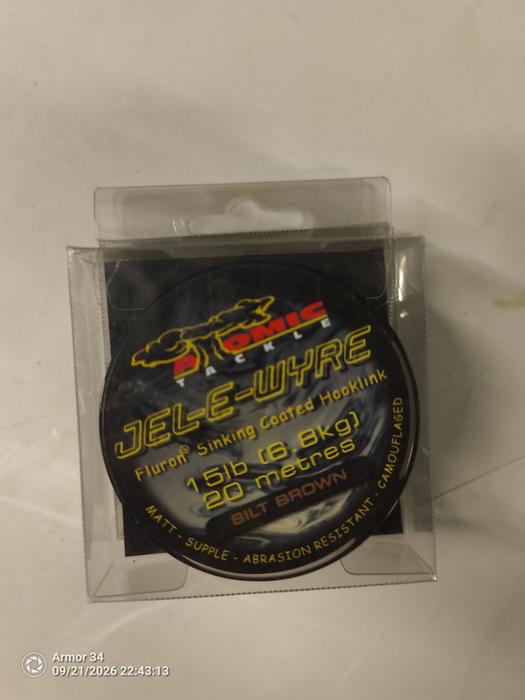
Atomic Tackle Hooklink Braided Sinking Coated Hooklink
£5.49New
Sold by Tackl
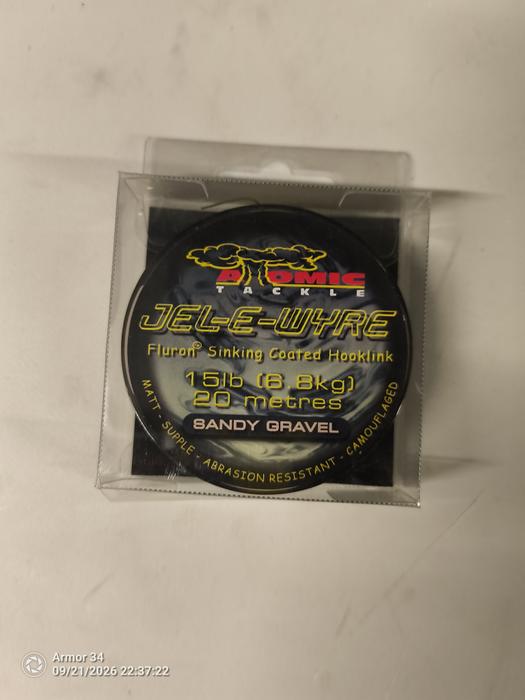
Atomic Tackle hooklink coated hooklink
£5.49New
Sold by Tackl
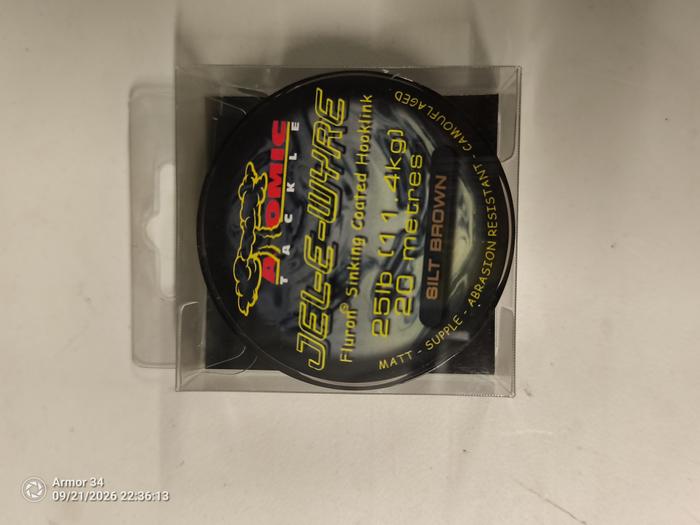
Atomic Tackle Hooklink Fluron Sinking Coated Hooklink
£5.49New
Sold by Tackl
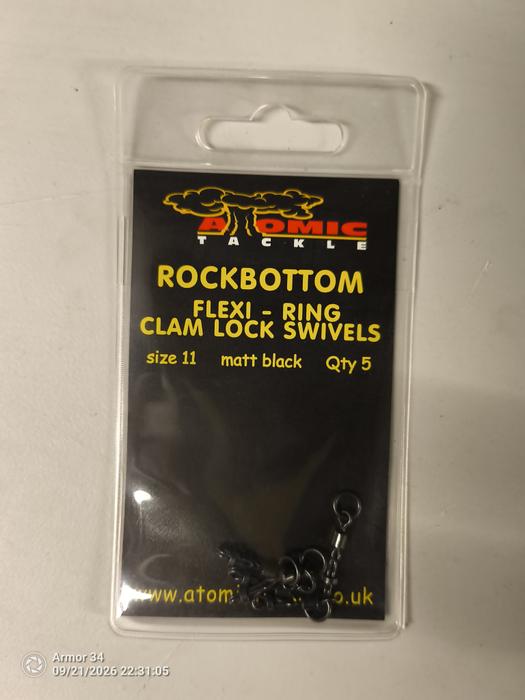
Atomic Tackle
£2.58New
Sold by Tackl
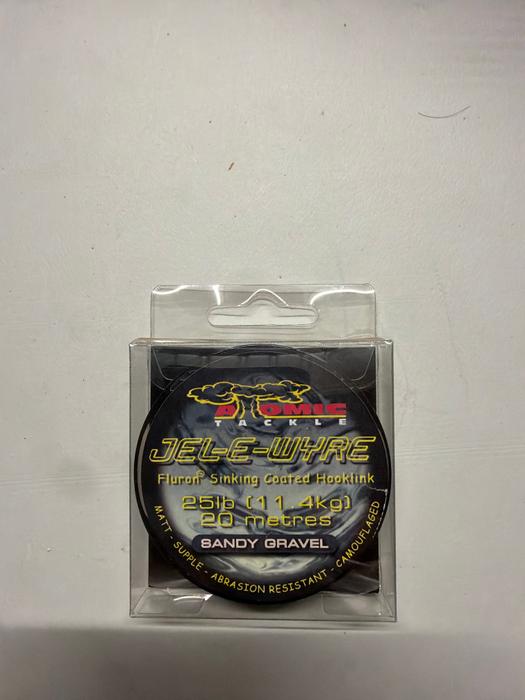
Atomic Tackle Line Fluorocarbon 25lbs 25lb (11.4kg) 20 metres
£5.49New
Sold by Tackl
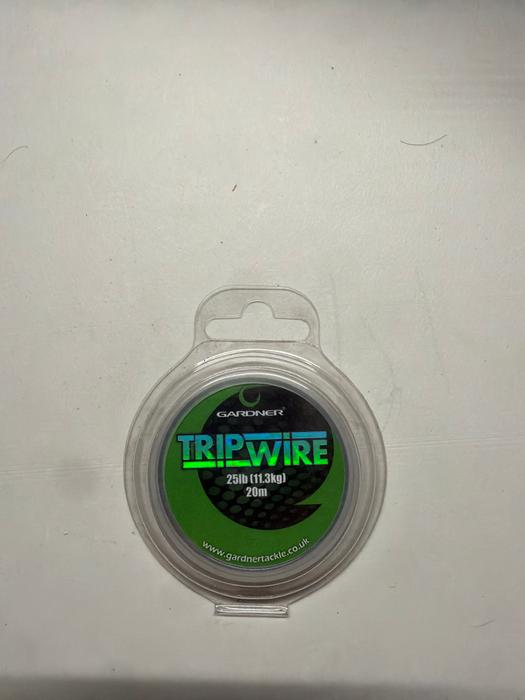
Gardner trip wire Line fishing line 25lbs
£3.00New
Sold by Tackl
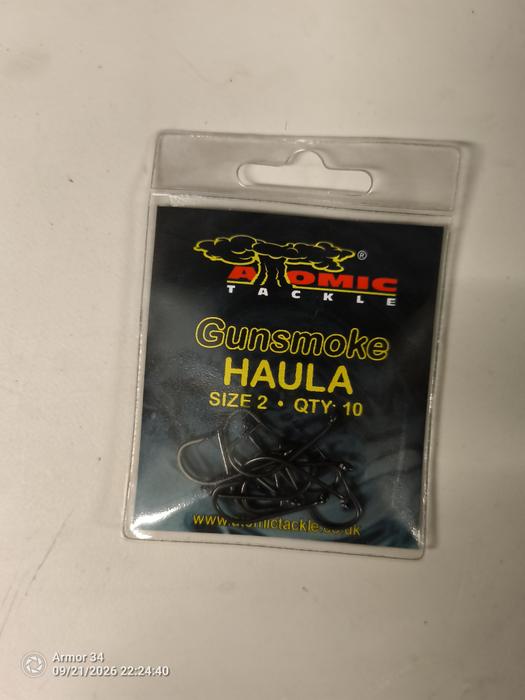
Atomic Tackle haula 2
£2.37New
Sold by Tackl
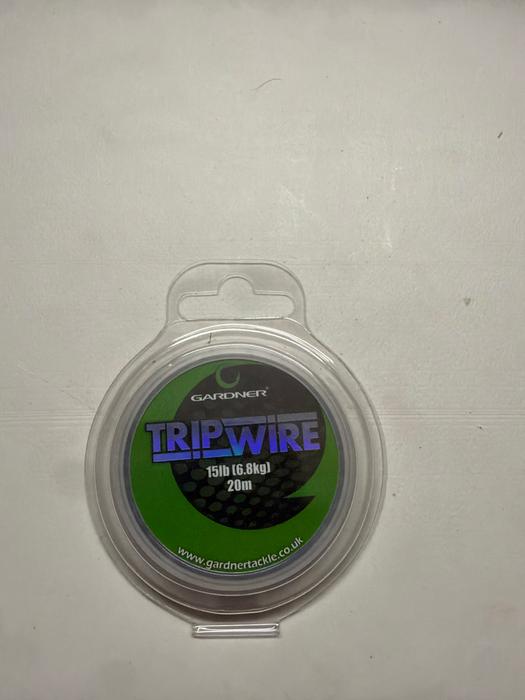
Gardner Trip Wire 15lb 20m
£4.24New
Sold by Tackl
General guidance, not professional advice. Always follow the venue's rules and current Environment Agency, NRW or Scottish regulations.