
Tackl Academy · Rigs
Bottom-Bait Rigs: Choosing a Simple Presentation
Bottom baits remain a reliable approach when carp are feeding on or close to the lakebed. A presentation that settles cleanly and leaves the hook point clear is the priority.
By Tackl · Reviewed by TACKL. · Updated 13 October 2026
Begin with a standard hair rig
The basic hair rig allows the bait to rest beside rather than directly on the hook. Choose a hook and bait combination that sits naturally. Inspect the hooklink for twists after every cast.
Understand the substrate
On gravel or firm patches, some rigs settle readily; on silt, soft weed or debris, the lead and hooklink may sink or tangle in ways you cannot see. Assess bottom conditions before choosing the lead and link.
Single bait or a small patch?
A single hookbait can work near observed fish. A modest scatter or small patch of similar bait may help concentrate feeding, but there is no need to introduce large amounts without evidence.
After the retrieve
Look for silt staining, weed, detritus and hookbait damage. These clues can tell you whether the rig landed cleanly and whether a change is warranted.
Questions
Must I fish a long hooklink in silt?
Not necessarily. You need an arrangement that sits safely and avoids burying the bait.
Can I use a wafter on a bottom-bait rig?
Often yes, once tested for balance and compatibility.
Related
Shop this on Tackl
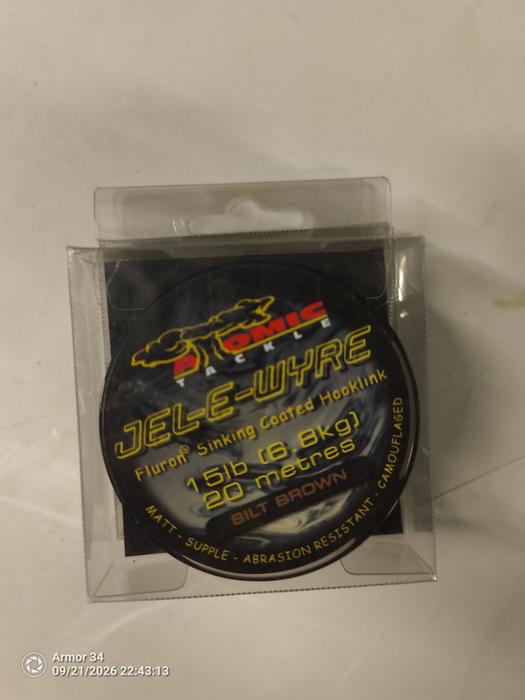
Atomic Tackle Hooklink Braided Sinking Coated Hooklink
£5.49New
Sold by Tackl
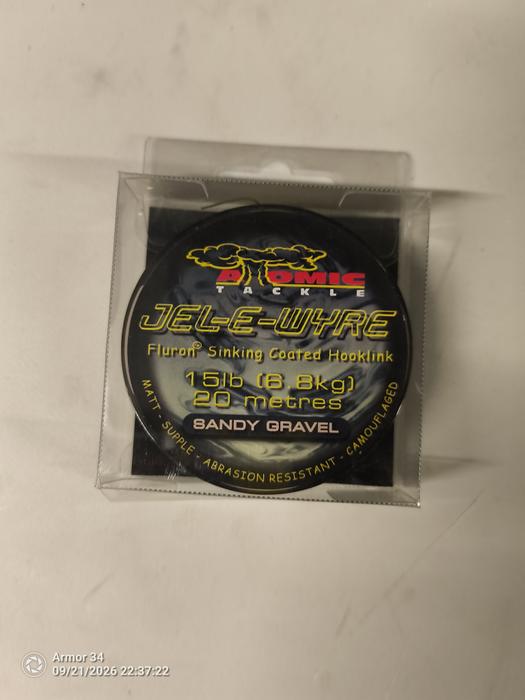
Atomic Tackle hooklink coated hooklink
£5.49New
Sold by Tackl
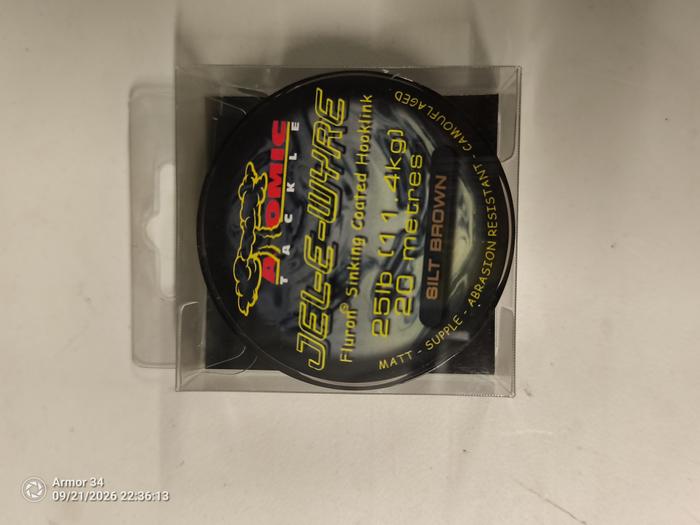
Atomic Tackle Hooklink Fluron Sinking Coated Hooklink
£5.49New
Sold by Tackl
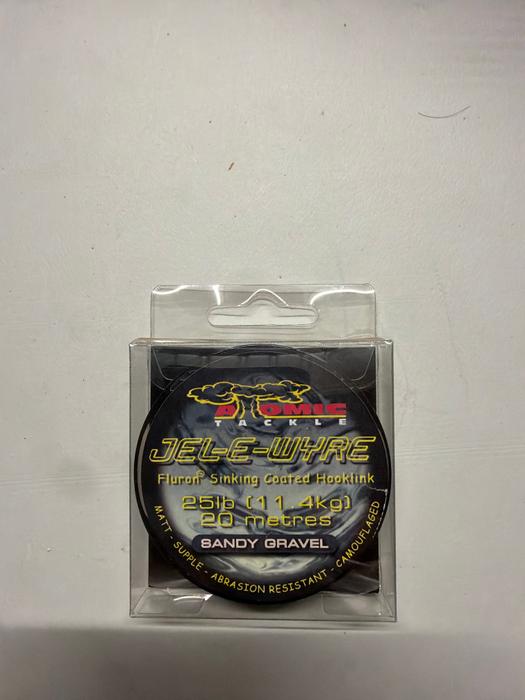
Atomic Tackle Line Fluorocarbon 25lbs 25lb (11.4kg) 20 metres
£5.49New
Sold by Tackl
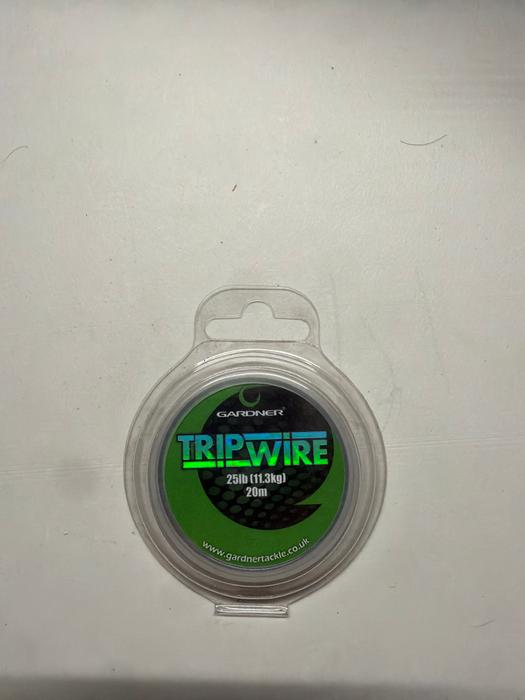
Gardner trip wire Line fishing line 25lbs
£3.00New
Sold by Tackl
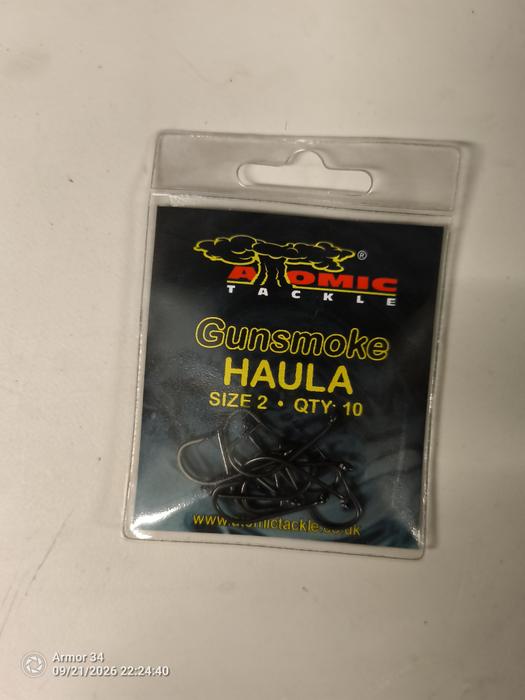
Atomic Tackle haula 2
£2.37New
Sold by Tackl
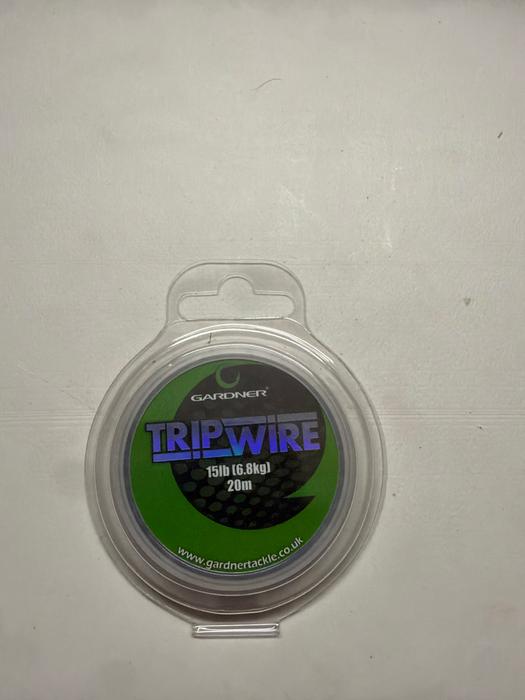
Gardner Trip Wire 15lb 20m
£4.24New
Sold by Tackl
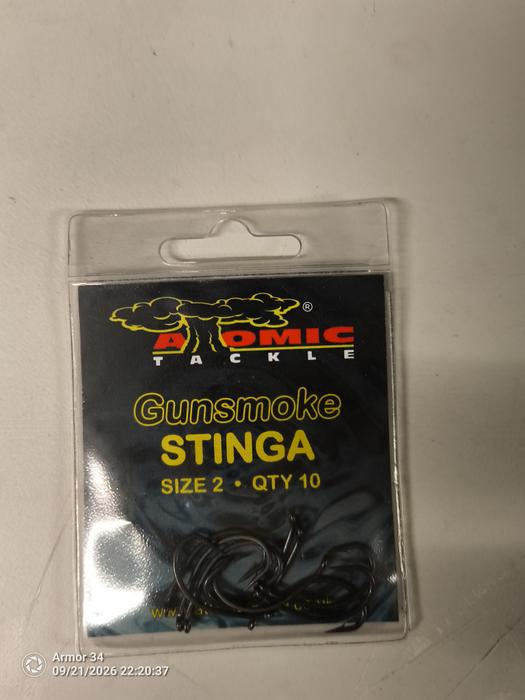
Atomic Tackle stinga 2
£2.37New
Sold by Tackl
General guidance, not professional advice. Always follow the venue's rules and current Environment Agency, NRW or Scottish regulations.