
Tackl Academy · Rigs
Carp Lead Systems: Running, Lead Clip, Inline and Helicopter
The lead arrangement influences bite indication, casting and how the hooklink settles. More importantly, it must be configured so a broken line does not leave a carp trailing a dangerous tether.
By Tackl · Reviewed by TACKL. · Updated 13 October 2026
Running leads
A running setup allows line movement through the lead attachment, subject to its construction. Ensure no stops or obstructions trap the components after line failure. It can be useful for showing sensitive bites.
Lead clips
Lead clips can allow a weight to detach under defined circumstances, but sleeves, swivels and clips must be compatible. Forcing sleeves too far on or replacing components casually can prevent safe release.
Inline arrangements
An inline lead sits around or along the line path. Some arrangements are designed to eject the lead or allow the insert to separate. Check the exact manufacturer’s release instructions instead of assuming all inline leads function identically.
Helicopter systems
Helicopter arrangements allow a hooklink swivel to rotate around a leader or main line. Bead placement, leader compatibility and release path are critical, particularly with pop-up rigs and debris-covered bottoms.
Choose for the lakebed
A featureless gravel patch, deep silt and low weed can each suggest a different presentation, but safety comes first. Cast and retrieve test rigs where appropriate and inspect for tangles and debris.
Questions
Do lead clips always drop the lead?
No. Release depends on the components and assembly.
Can I use a helicopter rig with every leader?
No. Only compatible, fish-safe arrangements should be used.
Related
Shop this on Tackl
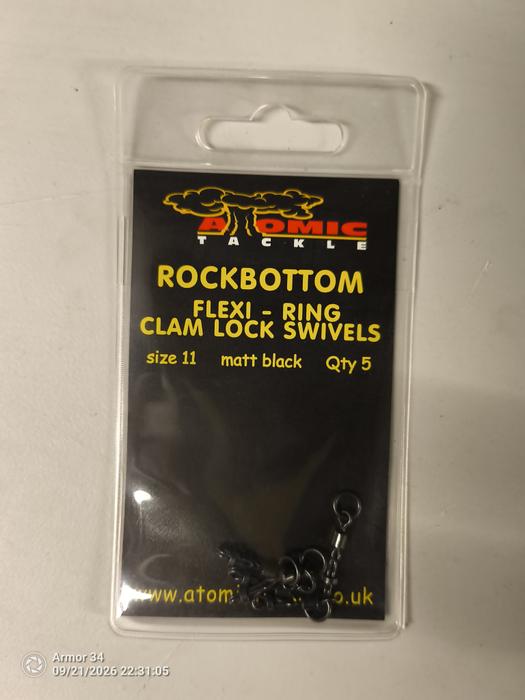
Atomic Tackle
£2.58New
Sold by Tackl
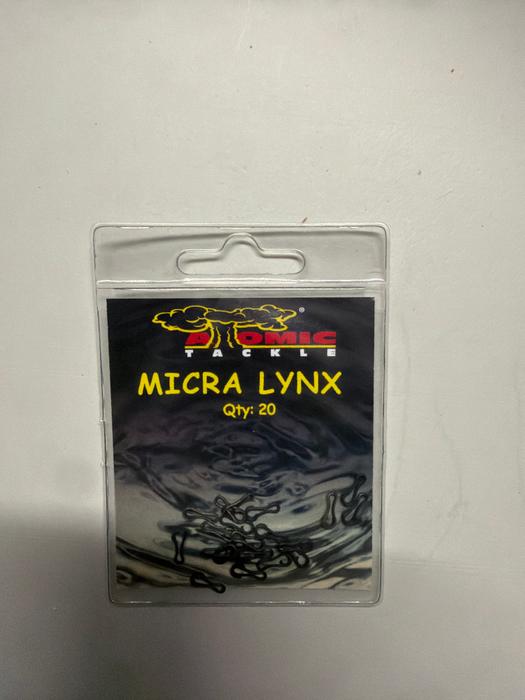
Atomic tackle micra lynx Swivels qty20
£2.06New
Sold by Tackl
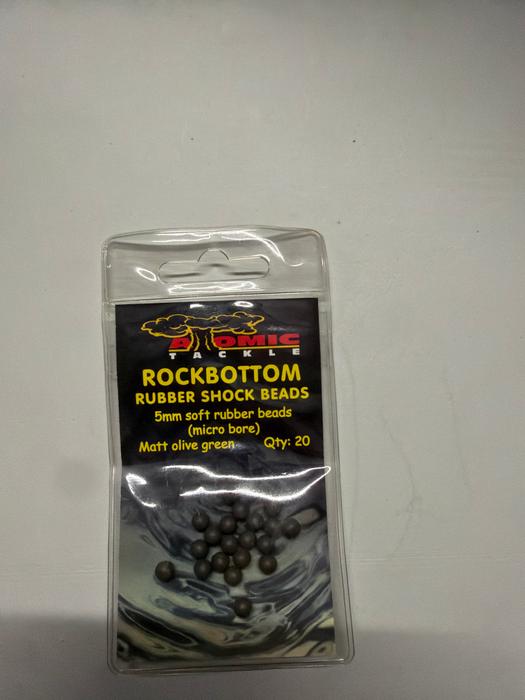
Atomic Tackle 5mm soft rubber Matt olive Green shock beads
£2.58New
Sold by Tackl
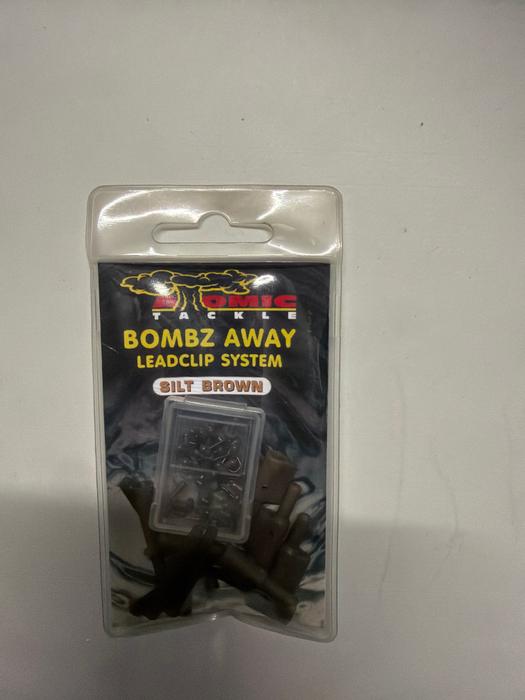
Atomic Tackle Bombz Away silt Brown Swivels & clips
£2.06New
Sold by Tackl
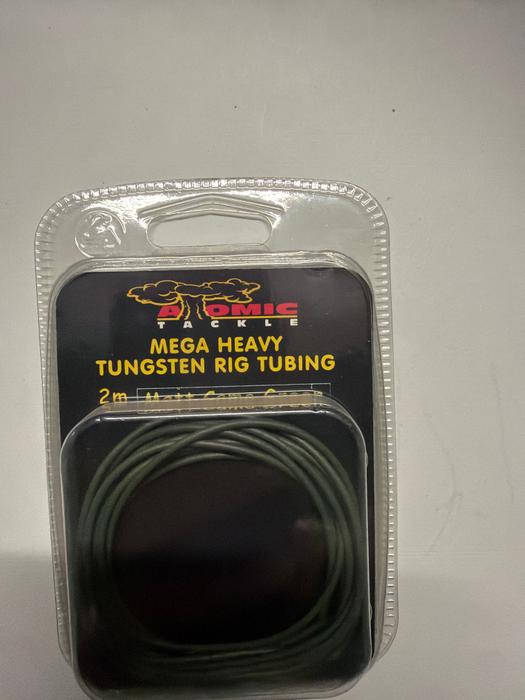
Atomic Tackle Tubing 2m Matt Green
£2.06New
Sold by Tackl
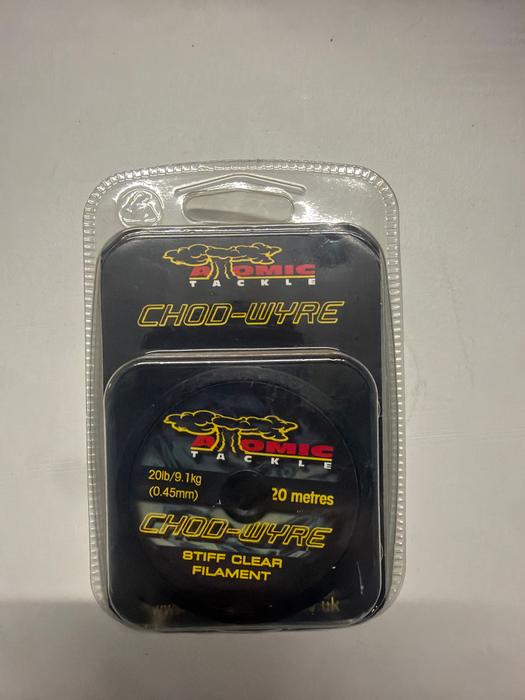
Atomic Tackle Fishing Line Stiff Clear Filament
£2.06New
Sold by Tackl
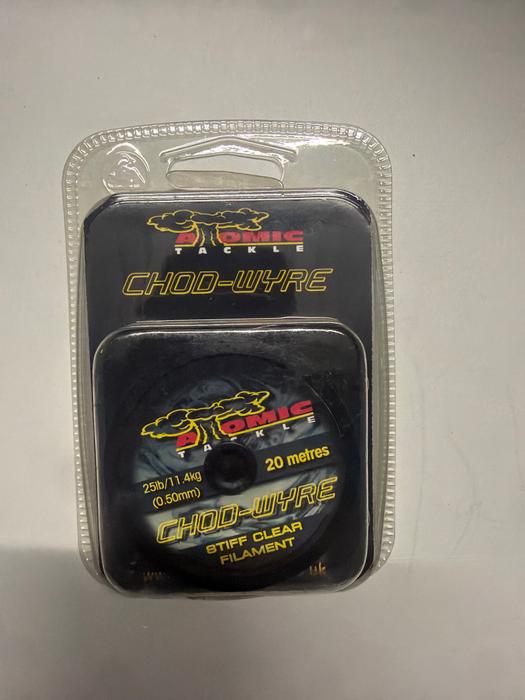
Atomic Tackle Line Stiff Clear Filament 25lbs
£4.66New
Sold by Tackl
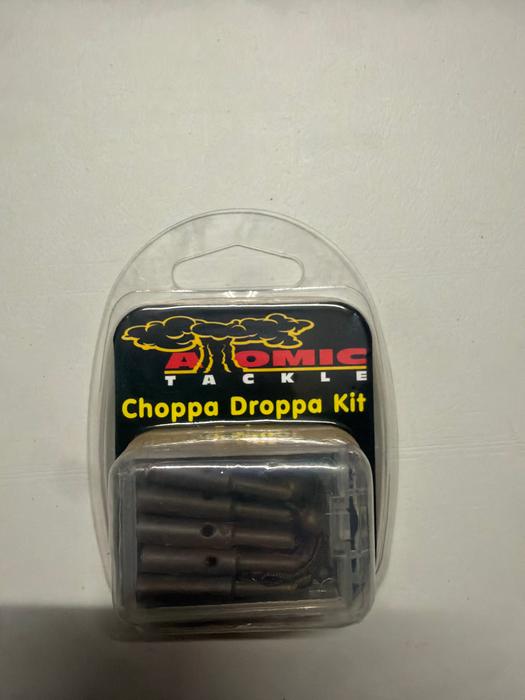
Atomic Tackle Lead/Weight
£2.06New
Sold by Tackl
General guidance, not professional advice. Always follow the venue's rules and current Environment Agency, NRW or Scottish regulations.