
Tackl Academy · Rigs
The Carp Hair Rig: Components, Construction and Presentation
The hair rig helped change modern carp fishing by separating the bait from the hook. Instead of covering the hook point with a boilie or piece of bait, the bait sits on a short extension of the hooklink. That gives the bait some freedom to move while the hook remains exposed. It sounds simple, and a basic version is, but its performance still depends on sound construction, appropriate tackle and accurate presentation.
By Tackl · Reviewed by TACKL. · Updated 12 October 2026
The hair rig helped change modern carp fishing by separating the bait from the hook. Instead of covering the hook point with a boilie or piece of bait, the bait sits on a short extension of the hooklink. That gives the bait some freedom to move while the hook remains exposed. It sounds simple, and a basic version is, but its performance still depends on sound construction, appropriate tackle and accurate presentation.
This guide explains a conventional bottom-bait hair rig tied with a knotless knot. It is a useful starting point, not the only rig for every lakebed or fishing situation. A safe complete rig always includes a suitable lead arrangement and fish-care considerations, not just a hook with a bait attached.
What is a hair rig?
The hair is a short length of line or braid extending beyond the hook bend. A bait is secured to it, often by passing a baiting needle through a boilie and locking the loop with a bait stop. The carp takes the bait into its mouth, and the exposed hook can follow. Tension on the hooklink may then help orientate the point.
That process depends on several moving parts. A heavy bait attached too close to the hook may obstruct it. A very long hair may allow the bait to move in a way that doesn't suit the intended presentation. A hook that is too light or too heavy for a wafter can alter how the assembly settles. The answer is to test with the bait and tackle you will actually fish.
Choose a suitable lakebed and bait
A conventional hair rig works well when it can settle neatly and remain reasonably free of debris. Gravel, firm clay and cleaner patches on mixed bottom are common situations. Over deep soft silt, thick blanket weed or loose chod, a different presentation may be more appropriate. The lakebed isn't always uniform: an apparently clean area can contain a layer of leaves or filamentous weed that changes how the hook behaves.
A firm bottom bait is easy to mount. A wafter can also work with a tested hook and hair combination. For sweetcorn, pellets or smaller baits, use an appropriate bait attachment and check that it stays in place without masking the point. Avoid bait preparations prohibited by your fishery.
Components and tools
- Suitable sharp carp hook, often a standard wide gape or another compatible pattern.
- Hooklink: supple braid, coated braid or another manufacturer-recommended material.
- Hookbait and a matching bait stop or approved attachment.
- Baiting needle and scissors.
- Hooklink swivel or approved end connection.
- Compatible lead system and anti-tangle components where required.
- A water-filled tub or safe margin for testing presentation.
- Optional silicone hair guide, only if appropriate to the chosen system.
Do not select hooklink breaking strain by copying a photograph. Match it to the venue's fish, weed, snags, main line and fishery requirements.
Build a conventional hair rig: nine steps
- Plan the finished rig
Decide roughly how long the hooklink needs to be for the lakebed and lead system. Cut extra material to allow for knots and a comfortable tying process.
- Form the bait-stop loop
Tie a small, secure loop at one end of the hooklink. The loop should retain a stop without leaving a bulky knot against the bait. Test it under controlled tension.
- Mount a test bait
Pass a baiting needle through the bait, draw the hair loop through and lock it with a stop. Confirm the stop is seated and cannot slip out easily.
- Thread the eyed hook
Pass the long working section through the hook eye and position the bait behind the bend at your intended distance. For this common knotless-knot version, the completed hooklink must leave the eye towards the point-facing side.
- Whip down the shank
Hold the hair along the shank and wind the hooklink away from the eye in tight, uncrossed turns. Use a tying sequence and wrap count suited to the hook and material, typically starting with a practice range of six to eight turns.
- Finish the knotless knot
Pass the working section back through the eye, draw the whipping down smoothly and inspect for line damage or crossed turns. Retie if the wraps slip or the eye abrades the material.
- Set the final hooklink length
Make an appropriate loop or swivel connection at the opposite end, as required by the chosen safe lead arrangement. Check both end connections rather than testing the hook alone.
- Test the actual bait and presentation
Lower the rig into water with the complete hookbait attached. Watch whether the hook, hair and bait settle naturally and whether the point is unobstructed.
- Confirm the lead system is fish-safe
Use a compatible arrangement that will behave correctly after a main-line or leader break. Do not use unsuitable fixed beads, clips or improvised stops.
How long should the hair be?
There is no useful “one finger width” rule for every combination. Larger baits, snowmen and wafters have different shapes and buoyancies. The hair should allow the bait to move while keeping the hook free to turn. Test several lengths with the same hook and bait rather than memorising one measurement. The correct spacing may change if you change only the bait.
If a bait swings around the bend and catches the point in your test, its attachment is unsuitable. Equally, if it is jammed against the bend, it may interfere with the hook's movement. Reposition it and test again. A sensible hair length is a result of the complete rig, not a style preference on its own.
Choosing hooklink material
Supple braided hooklink can allow the bait and hook to settle independently on a relatively clean bottom. Coated braid combines a stiffer outer section with a flexible core, which may help reduce tangles while keeping selected movement near the hook. Monofilament or fluorocarbon may hold a defined shape, but different knots and eye angles may be needed. Observe the manufacturer's knot and strength guidance for each material.
If the hooklink is too stiff for a small bait, it may lever the hook into an awkward position. If it is exceptionally supple, it may tangle unless the cast and lead setup are appropriate. This is why rig selection begins with the lakebed and method of casting, not just the hooklink packet.
How to check the rig before casting
Examine the hook point with care. Look along the hooklink for abrasion and check that the bait stop is fully seated. Hold the rig under gentle tension to observe the hair's position, then place it in water to see its natural resting posture. Ensure the lead, swivel and any sleeves or beads form a proven compatible system. A tidy knotless knot does not compensate for a lead that cannot release correctly after a breakage.
Common problems and fixes
Bait covers the point: adjust the hair or change the bait attachment. Hooklink tangles on the cast: check length, material, anti-tangle components and casting method. Wafter lifts the hook too high: alter the bait or hook balance. Bait gets buried in soft silt: reassess the lakebed and choose a more appropriate rig, not just a longer hair. Unexplained missed takes: do not automatically change hooks; check fish activity, line indication, presentation and the physical rig.
Fish welfare and safe lead use
Only fish a presentation you can retrieve and control safely. Use a landing net and a properly wetted unhooking mat, check the fishery's barb rules, and inspect the hook and hooklink after every capture. Confirm the complete lead arrangement sheds or releases parts as intended following line failure, according to its manufacturer's instructions and venue rules.
FAQs
Can a hair rig be used with wafters? Yes, where the balance is tested with the hook actually fitted. A wafter's buoyancy is not standard across brands and sizes.
Is a longer hair always better? No. It may improve clearance in one combination and make the rig behave poorly in another.
Do I have to use a wide gape hook? No. It is a common starting choice, but other compatible patterns exist. Check hooklink and bait behaviour.
What is the difference between a hair rig and a knotless knot? The hair rig is the bait presentation. The knotless knot is one method of attaching the hook while retaining the hair.
Shop the tackle for this guide
Browse Hooks , Hooklinks , Swivels & Clips , Rig Components , Bait Stops , Boilies and Leads on Tackl, selecting compatible parts for a safe complete system.
Questions
Can I use a wafter on a hair rig?
Yes, if the hookbait's buoyancy is balanced appropriately and the rig sits correctly when tested.
Is a hair rig only for carp?
The principle is used in different coarse-fishing presentations, but tackle must be suited to the species and method.
Should the hookbait touch the hook bend?
Not as a default. Check that the bait doesn't obstruct the hook's movement or point.
Related
Shop this on Tackl
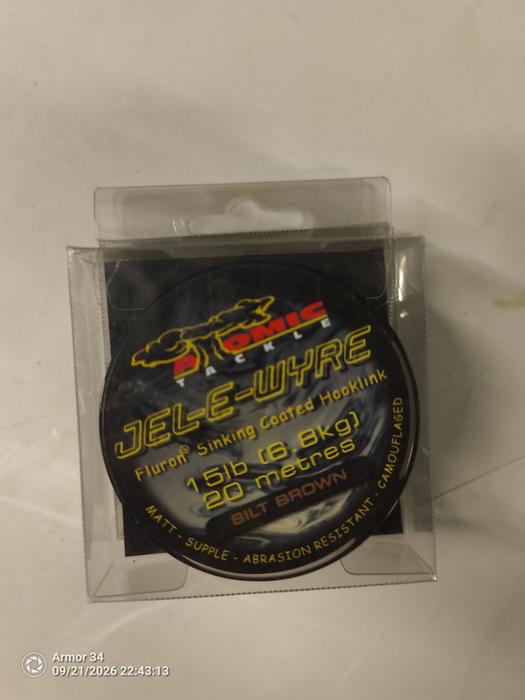
Atomic Tackle Hooklink Braided Sinking Coated Hooklink
£5.49New
Sold by Tackl
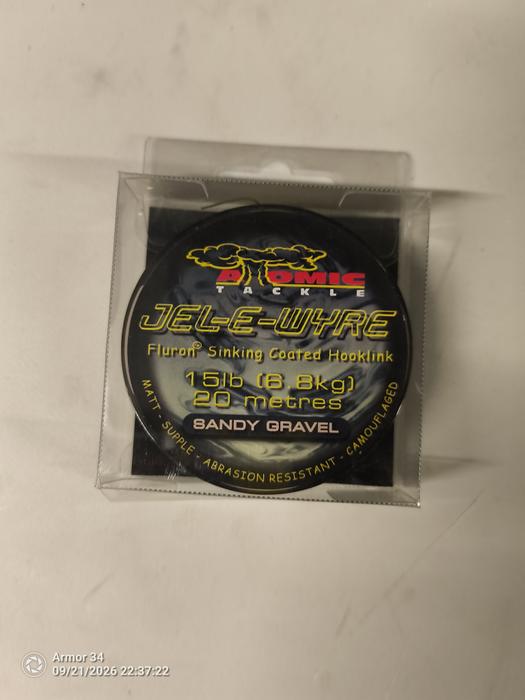
Atomic Tackle hooklink coated hooklink
£5.49New
Sold by Tackl
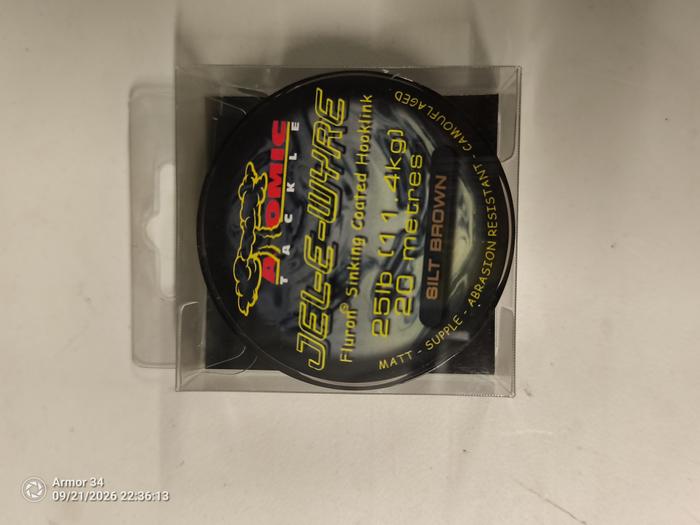
Atomic Tackle Hooklink Fluron Sinking Coated Hooklink
£5.49New
Sold by Tackl
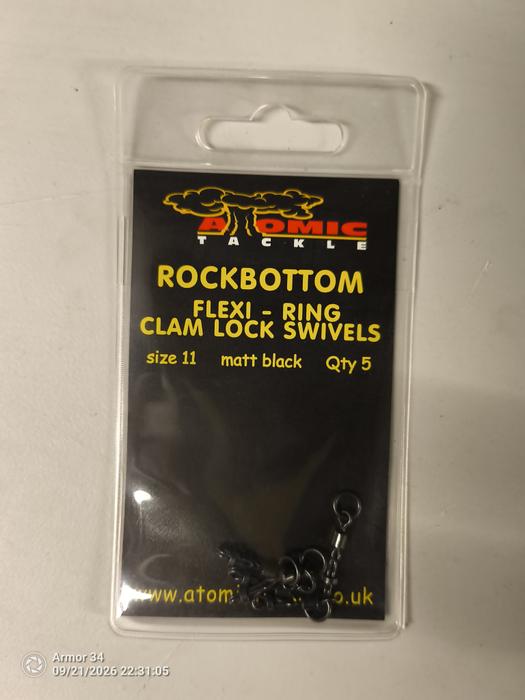
Atomic Tackle
£2.58New
Sold by Tackl
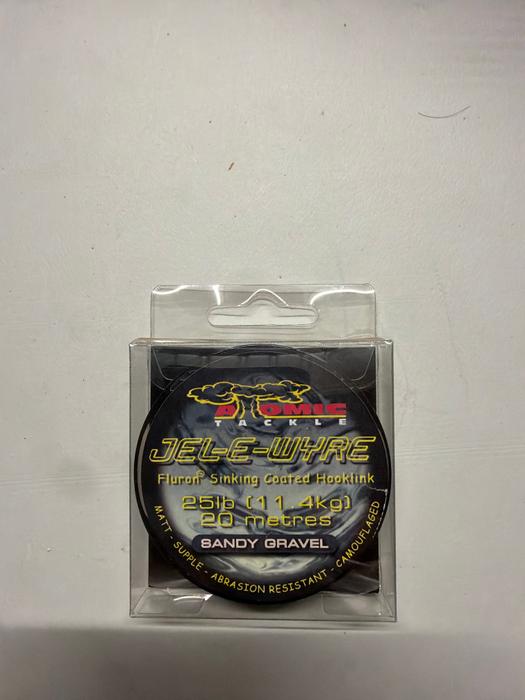
Atomic Tackle Line Fluorocarbon 25lbs 25lb (11.4kg) 20 metres
£5.49New
Sold by Tackl
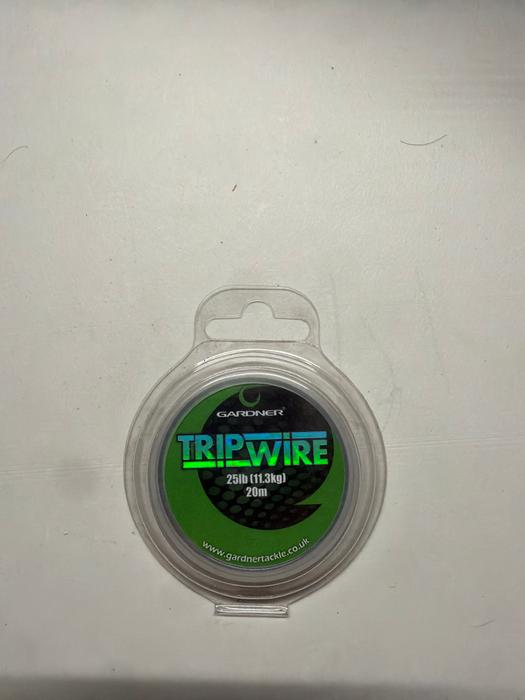
Gardner trip wire Line fishing line 25lbs
£3.00New
Sold by Tackl
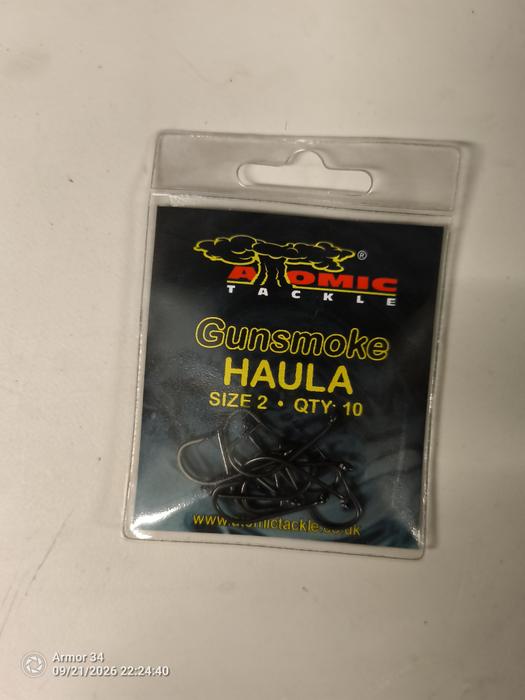
Atomic Tackle haula 2
£2.37New
Sold by Tackl
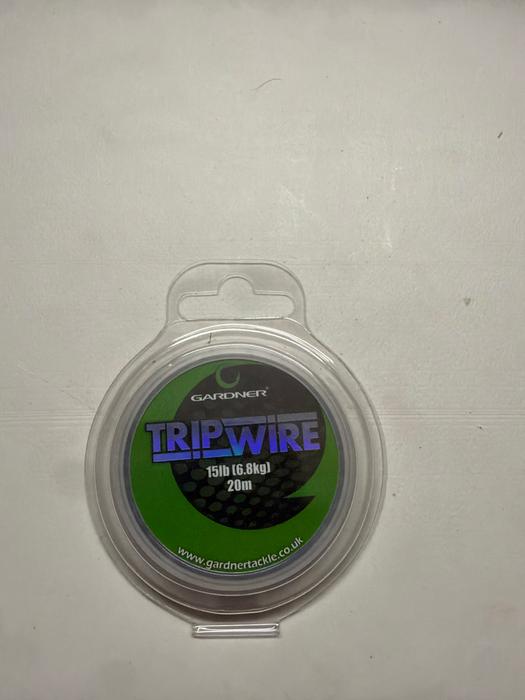
Gardner Trip Wire 15lb 20m
£4.24New
Sold by Tackl
General guidance, not professional advice. Always follow the venue's rules and current Environment Agency, NRW or Scottish regulations.