

Mirror Carp Fishing UK
By Tackl · Updated 10 October 2026

Cyprinus carpio
The Mirror Carp is a selectively bred variant of the Common Carp, cherished by UK anglers for its size, power, and unique appearance. Characterised by its irregular, large scales, it can grow to immense weights in British stillwaters and is the target of a huge and dedicated branch of angling.
- Typical size
- Doubles (10-20lb) are common; specimens exceed 30lb, with 40lb+ fish highly prized.
- British record
- 68lb 1oz (2016)
- Found in
- river, lake, canal, pond, reservoir, gravel pit
- Peak season
- Late Spring to Early Autumn
How to identify a mirror carp
The most defining feature of the Mirror Carp is its scalation. It has a sparse and irregular pattern of exceptionally large, mirror-like scales, with large areas of smooth, leather-like skin in between. This contrasts sharply with the fully scaled Common Carp. It has a deep, heavy-set body, typically olive-green to bronze on the back, fading to brassy flanks and a pale belly. Like all carp, it possesses a long dorsal fin with a concave trailing edge and a strong, serrated front ray. Two pairs of fleshy barbules are present around its protrusible, underslung mouth, used for locating food on the lake or river bed.
Where it lives
Mirror Carp are predominantly found in static or very slow-moving waters across the UK. They thrive in rich, mature gravel pits, estate lakes, reservoirs, and commercial fisheries where they are heavily stocked. They are also present in many canals and some larger, slow-flowing lowland rivers such as the Thames and Trent. Carp favour areas with soft silt or clay bottoms where they can forage for natural food. They seek cover and warmth near features like weed beds, lily pads, overhanging trees, and islands. In colder winter months, they often group together in deeper, more sheltered areas.
What it eats and the best baits
As omnivorous bottom feeders, Mirror Carp have a varied natural diet. They use their sensitive barbules to locate food items in the substrate, sifting through silt and gravel for bloodworm, snails, freshwater mussels, caddis larvae, and crustaceans like shrimp. They will also graze on algae, consume tender plant shoots, and opportunistically feed on terrestrial insects that fall onto the water's surface. This varied diet makes them receptive to a wide range of angler's baits presented on the bottom.
- Boilies
- Pellets
- Sweetcorn
- Bread
- Maggots
- Worms
- Particle baits
- Pop-ups
- Wafters
Best time of year
- Jan – quieter
- Feb – quieter
- Mar – quieter
- Apr – good
- May – good
- Jun – good
- Jul – good
- Aug – good
- Sep – good
- Oct – good
- Nov – quieter
- Dec – quieter
In England and Wales, the coarse fish close season applies to all rivers from 15 March to 15 June inclusive. Most canals and stillwaters remain open for carp fishing year-round, but check local fishery and navigation authority rules. Scotland does not have a statutory close season, but local regulations may apply.
How to catch mirror carp
The dominant UK method is modern, specimen-style ledgering. This involves using strong carp rods (2.75lb-3.5lb test curve), large 'big pit' or baitrunner reels, and bite alarms on a rod pod. The hair rig is a near-universal presentation, allowing baits like boilies, pellets, or pop-ups to be mounted off the hook for better hooking mechanics. Various lead systems, such as the lead clip or helicopter rig, are chosen to suit the lakebed. Baiting up a swim with a spod, catapult, or throwing stick to create a bed of free offerings is a key tactic. In warmer weather, surface fishing with floating baits like bread crust or specialist floaters can be devastatingly effective. Stalking fish in the margins with a single hookbait is another exciting, close-quarters approach that can fool wary specimens.
Legal notes
All anglers aged 13 or over fishing for Mirror Carp in England and Wales must possess a valid Environment Agency rod licence. Due to their size and value, high standards of fish care are expected; a large, padded unhooking mat and a wide, soft-mesh landing net are essential. It is illegal to use live coarse fish as bait.
Rules change. Check current Environment Agency, NRW or Scottish regulations and the venue's own rules before fishing. Not professional or legal advice.
Where to catch mirror carp in the UK
Counties with mirror carp recorded on Tackl: Essex (12), Lincolnshire (6), Staffordshire (6), Somerset (6), Cambridgeshire (4), Warwickshire (4), Nottinghamshire (4), Devon (4), Surrey (3), Kent (3), Oxfordshire (3), West Sussex (2), Cornwall (2), Hampshire (2), Berkshire (2), Gloucestershire (2), Suffolk (2), Northamptonshire (2), Norfolk (2), East Sussex (1), Hertfordshire (1), Shropshire (1), Dorset (1), Greater Manchester (1), Leicestershire (1), Herefordshire (1), Lancashire (1), South Yorkshire (1).
80 venues in 28 counties
Berkshire(2)
- Burghfield LakesReported
- Wraysbury 1Reported
Cambridgeshire(4)
- Bluebell LakesReported
- Float FishfarmReported
- Royston (Nash Lakes)Reported
- Sibson FisheriesReported
Cornwall(2)
- Amalwhidden Farm Coarse FishingReported
- Hele Barton Farm Holiday CottagesReported
Devon(4)
- Home Farm Fishery (Devon)Reported
- Island - FurzebrayReported
- Lakeside View FisheriesReported
- Lower SladeReported
Dorset(1)
- Cranebrook Carp FisheryReported
East Sussex(1)
- Alexandra ParkReported
Essex(12)
- A12 LakesReported
- Alresford Pit PACReported
- Brook Farm FisheryReported
- Brook Lake Newland Hall FisheryReported
- Chigborough Farm & FisheriesReported
- Crowsheath FisheryReported
- Foxearth FisheriesReported
- Fryerning FisheriesReported
- Home Farm PACReported
- Oak Lake Oak Lakes FisheryReported
- Ramsey Brook 2 PACReported
- Wicks MereReported
Gloucestershire(2)
- Churn Pool FisheryReported
- Elton Carp LakesReported
Greater Manchester(1)
- Fall Birch Lodge FisheryReported
Hampshire(2)
- Bottom Lake Headlands Farm FisheryReported
- Gold Lake Gold Valley LakesReported
Herefordshire(1)
- Redmire PoolReported
Hertfordshire(1)
- CMCS Pans LakeReported
Kent(3)
- Cackle Hill LakesReported
- Chequertree FisheryReported
- Manor FisheriesReported
Lancashire(1)
- Stanley Villa Farm FisheryReported
Leicestershire(1)
- Mallory Park FisheriesReported
Lincolnshire(6)
- ADH FisheriesReported
- Alvingham LakesReported
- Butterswood LodgeReported
- Caistor Fishing Lakes and Caravan siteReported
- Lily Langdale LakesReported
- Tetford Country CottagesReported
Norfolk(2)
- Felthorpe LakesReported
- Taverham Mills FisheryReported
Northamptonshire(2)
- Drayton ReservoirReported
- Jigsaw lakeReported
Nottinghamshire(4)
- Grace Sapphire LakesReported
- Trent View Carp FisheryReported
- Wetlands LakesReported
- Woodsetts Quarry PondReported
Oxfordshire(3)
- Linear FisheriesReported
- Orchid LakeReported
- Upper Farm FisheryReported
Shropshire(1)
- Crabtree PoolReported
Somerset(6)
- Century PondsReported
- Festival Carp FisheryReported
- HBS FisheriesReported
- Higher Farm FisheryReported
- Maunsel PondsReported
- Rode Hill FisheryReported
South Yorkshire(1)
- Willow Garth FisheryReported
Staffordshire(6)
- Brookside Carp FisheryReported
- Coppice Lane FisheryReported
- Cudmore FisheriesReported
- Hamstall FisheryReported
- Heronbrook FisheriesReported
- Millbrook FisheriesReported
Suffolk(2)
- Colston Hall FisheryReported
- Reydon No.1 PitReported
Surrey(3)
- BusbridgeReported
- Elphicks FisheriesReported
- Newdigate Farms LtdReported
Warwickshire(4)
- Butlers Hill FarmReported
- Home Farm LakeReported
- Packington SomersReported
- Pool House Farm FisheryReported
West Sussex(2)
- Alderwood PondsReported
- Petworth ParkReported
Tackle for mirror carp
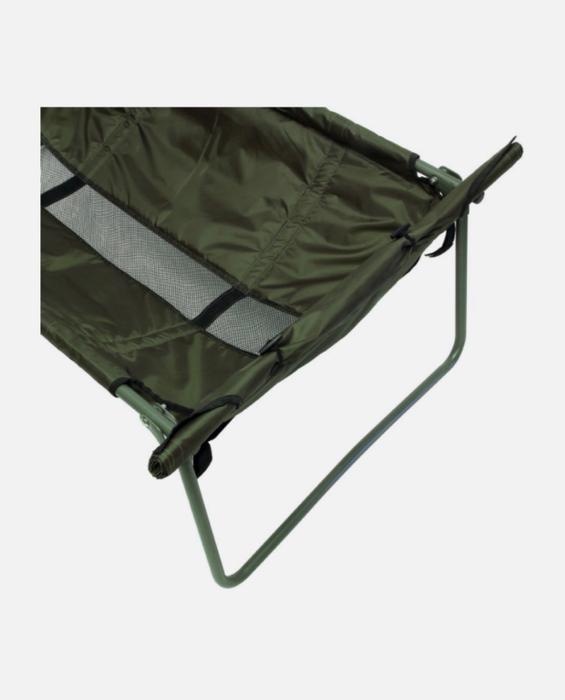
NGT Cradle
£60.00
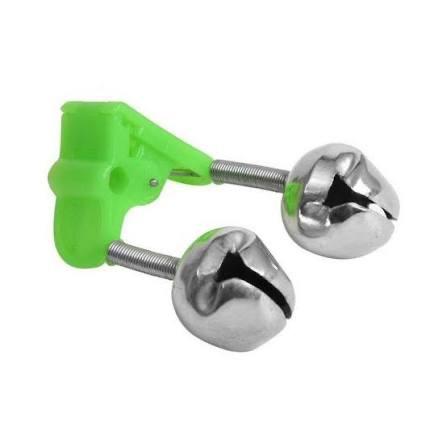
Fishing Bite Indicator Bite Alarm Rod Tip
£1.50
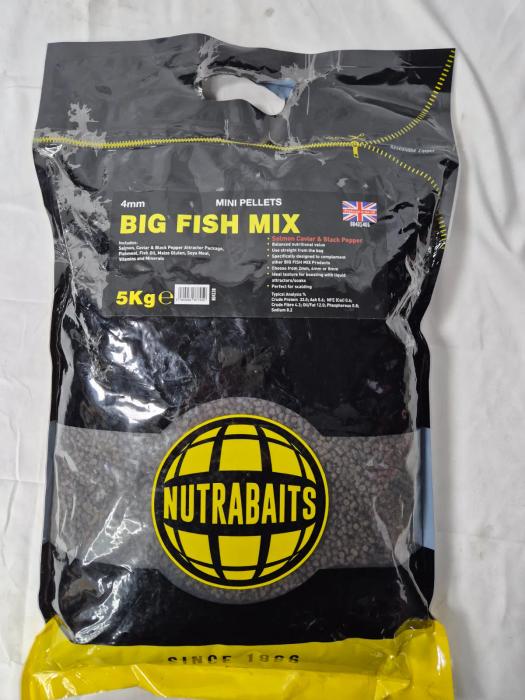
Nutrabaits Pellets Big Fish Mix (Salmon, Caviar & Black Pepper) 4mm 5kg
£20.00
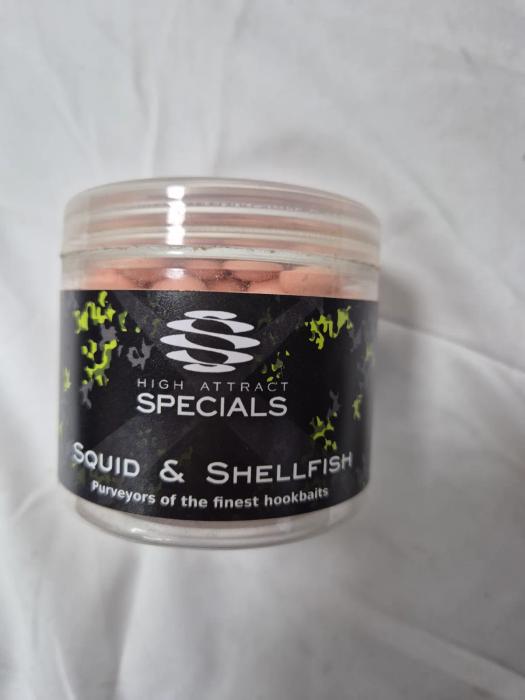
High Attract Specials Pop-ups Various options 12-14mm 1 tub 50g
£8.00
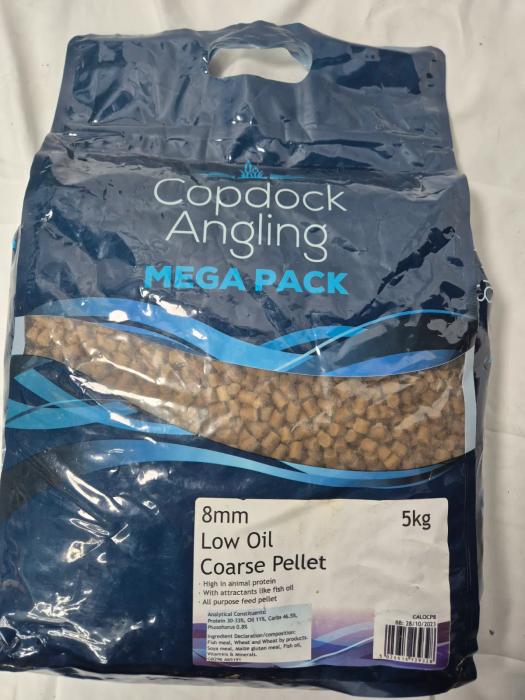
Copdock Angling Low Oil Coarse Pellets 5kg
£12.00
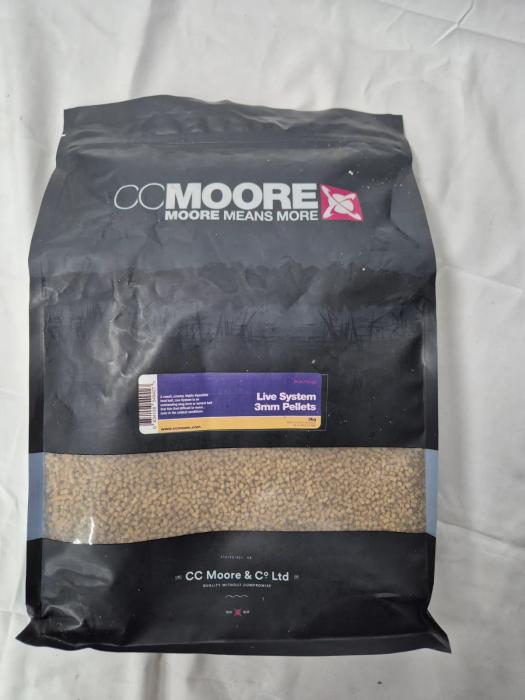
CC Moore Pellets Live System 3mm 3kg
£15.00
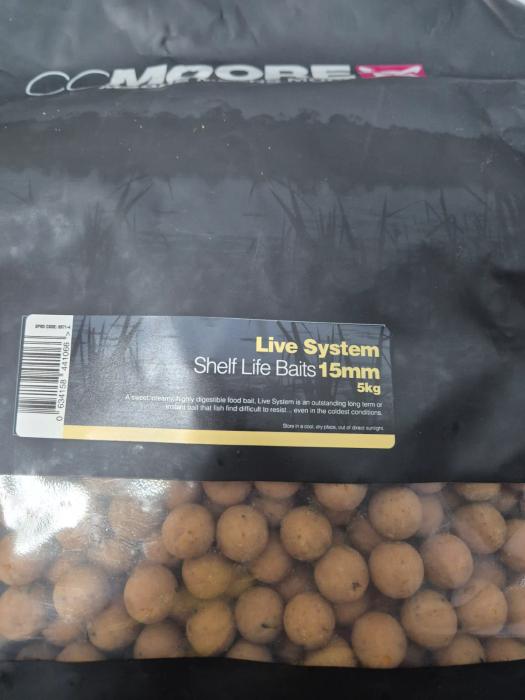
CC Moore Boilies & Dumbells Live System 5kg
£30.00
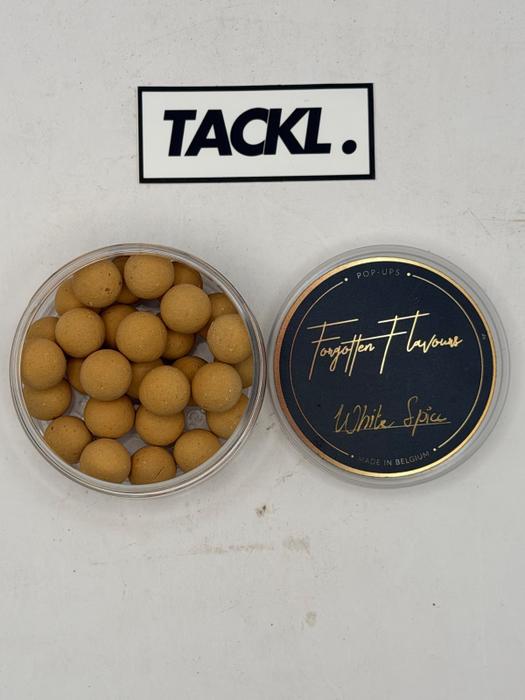
Forgotten Flavours Bait
£5.00
Mirror Carp guides
- Boilies for Carp: Choosing and Using Them
- Carp Fishing in the UK: A Practical Beginner's Guide
- The Carp Hair Rig: Components, Construction and Presentation
- Wide Gape Hooks for Carp: How to Choose and Use Them
- Atmospheric Pressure and Fishing: What mb and hPa Actually Mean
- Baiting Strategy: Singles, Patches and Spreads
Mirror Carp fishing questions
What is the difference between a Mirror Carp and a Common Carp?
A Mirror Carp has a sparse, irregular pattern of very large scales, with patches of bare skin. A Common Carp is fully covered in a neat, uniform pattern of smaller scales, similar to other cyprinids.
Do I need bite alarms to catch Mirror Carp?
While bite alarms are standard for modern specimen ledgering, they are not essential. Carp are readily caught using traditional float fishing or feeder fishing tactics where you watch the float or rod tip for bite indication.
Why is fish care so important for carp?
Large carp can be very old and are a valuable, shared resource. Using a large, padded unhooking mat and a soft mesh landing net prevents damage to their protective slime coat, scales, and mouth, ensuring their survival for others to catch.
What does 'PB' mean in carp fishing?
'PB' is an abbreviation for 'Personal Best'. It refers to the largest fish of a particular species an angler has ever caught, a milestone that many dedicated carp anglers are constantly trying to improve upon.
Can you eat Mirror Carp in the UK?
While they are edible, carp are generally not eaten in the UK and are considered a poor table fish. They are almost exclusively sought for sport, with a strong catch-and-release ethos among anglers to conserve stocks.


