

Leather Carp Fishing UK
By Tackl · Updated 10 October 2026

Cyprinus carpio
A selectively bred genetic variant of the Common Carp, the Leather Carp is prized by UK anglers for its unique, scaleless body. It has smooth, velvety skin, often with just a single scale near the tail wrist. Leathers are powerful fighters but are much rarer than their common or mirror counterparts.
- Typical size
- 10-25lb, with specimen fish exceeding 35lb.
- British record
- 54lb 8oz (Kevin Clifford, The Quarry, 2016)
- Found in
- lake, pond, reservoir, gravel pit
- Peak season
- Late Spring to early Autumn
How to identify a leather carp
The Leather Carp's defining feature is its almost complete lack of scales, giving it a smooth, leather-like appearance. A true leather carp should be entirely scaleless, though some may possess a single row of tiny scales along the dorsal line or one scale at the base of the tail (the caudal peduncle). They typically have a deep, rounded body profile similar to a Mirror Carp, with a large, underslung mouth featuring two pairs of barbels. The dorsal fin is long and often has a concave shape. Its skin feels velvety to the touch. This distinguishes it from a sparsely scaled Mirror Carp, which will always have several random scales.
Where it lives
Leather Carp are predominantly found in man-made stillwaters such as mature gravel pits, estate lakes, and commercial carp fisheries across the UK. They are much less common than Mirror or Common Carp. They thrive in rich, well-established venues with silty or clay bottoms where they can forage for natural food. Look for them in areas with features like lily pads, reed beds, overhanging trees, and underwater gravel bars or plateaus. They are creatures of habit and will often patrol set routes between feeding areas and sanctuary spots. Due to selective stocking, their distribution is patchy.
What it eats and the best baits
A bottom-feeding omnivore, the Leather Carp's natural diet consists primarily of sifting through silt and substrate for food items. This includes aquatic insects like bloodworm and caddis larvae, freshwater shrimps, snails, and small mussels. They will also consume various plant matter, seeds, and detritus, using their sensitive barbels to locate food in low-visibility conditions. Their diet in managed fisheries is heavily supplemented by anglers' baits.
Best time of year
- Jan – quieter
- Feb – quieter
- Mar – quieter
- Apr – good
- May – good
- Jun – good
- Jul – good
- Aug – good
- Sep – good
- Oct – good
- Nov – quieter
- Dec – quieter
The traditional coarse fishing close season (15 March to 15 June inclusive) applies to all rivers, streams, and some specified canals and stillwaters in England and Wales. Check local byelaws as rules can vary.
How to catch leather carp
Modern carp angling techniques are most effective. Legering a hair-rigged bait is standard practice, often using a 'bolt rig' setup with a semi-fixed lead to ensure an effective hook-hold. Boilies, large pellets, and tiger nuts are primary baits, presented over a bed of particles like hemp and sweetcorn, or with a PVA bag of free offerings. Bite alarms and rod pods are essential for this patient style of fishing. In warmer weather, surface fishing with floating baits like bread crust or purpose-made floaters can be a very exciting method. Do not neglect the margins; big carp frequently patrol close to the bank, especially under cover of snags or at dawn and dusk.
Legal notes
All anglers aged 13 or over fishing for freshwater fish in England and Wales must possess a valid Environment Agency rod licence. In Scotland, angling is managed by local owners and associations; no national licence is required. It is illegal to move fish between waters without the correct permissions due to the risk of spreading disease.
Rules change. Check current Environment Agency, NRW or Scottish regulations and the venue's own rules before fishing. Not professional or legal advice.
Where to catch leather carp in the UK
Counties with leather carp recorded on Tackl: Staffordshire (3), Essex (2), West Sussex (1), West Yorkshire (1), Kent (1), Lancashire (1), Oxfordshire (1), South Yorkshire (1), Nottinghamshire (1).
12 venues in 9 counties
Essex(2)
- Foxearth FisheriesReported
- Fryerning FisheriesReported
Kent(1)
- Chequertree FisheryReported
Lancashire(1)
- Stanley Villa Farm FisheryReported
Nottinghamshire(1)
- Woodsetts Quarry PondReported
Oxfordshire(1)
- Upper Farm FisheryReported
South Yorkshire(1)
- Willow Garth FisheryReported
Staffordshire(3)
- Brookside Carp FisheryReported
- Coppice Lane FisheryReported
- Hamstall FisheryReported
West Sussex(1)
- Alderwood PondsReported
West Yorkshire(1)
- Big Lake Ladywood LakesReported
Tackle for leather carp
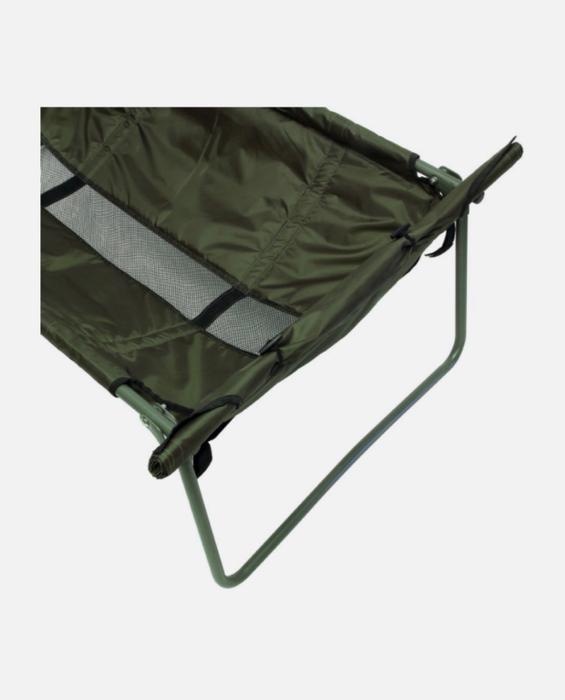
NGT Cradle
£60.00
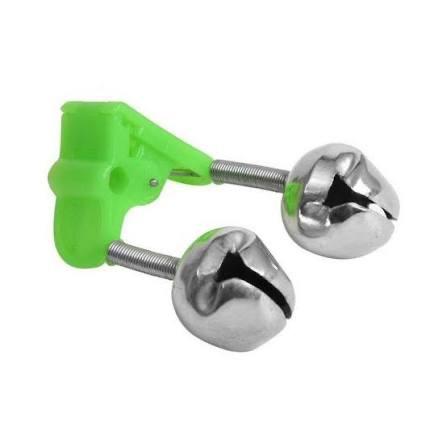
Fishing Bite Indicator Bite Alarm Rod Tip
£1.50
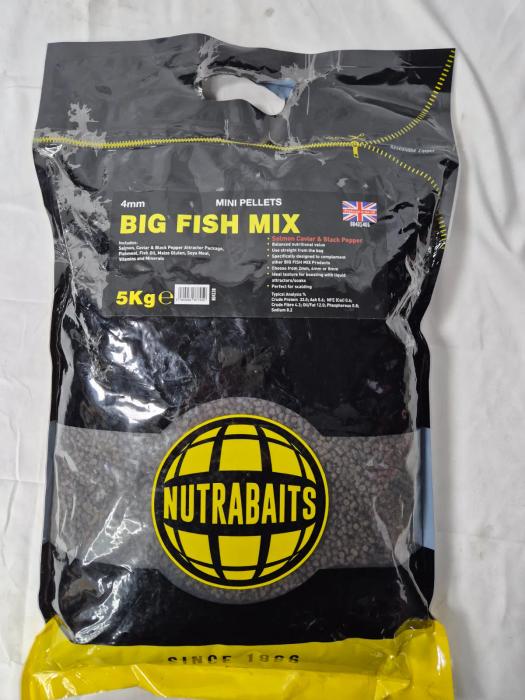
Nutrabaits Pellets Big Fish Mix (Salmon, Caviar & Black Pepper) 4mm 5kg
£20.00
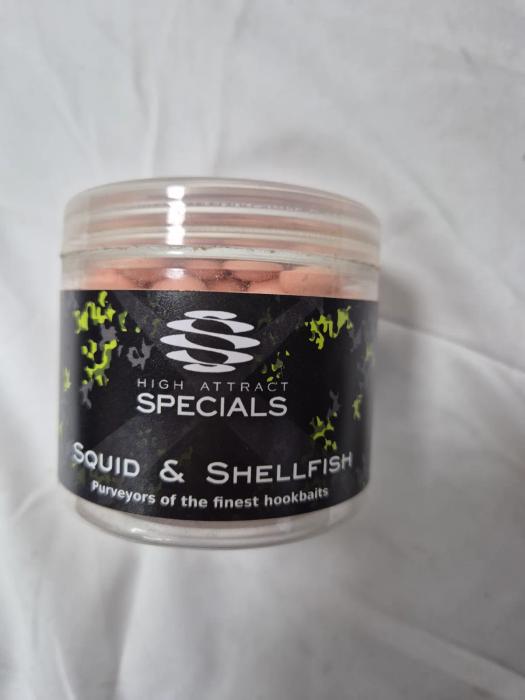
High Attract Specials Pop-ups Various options 12-14mm 1 tub 50g
£8.00
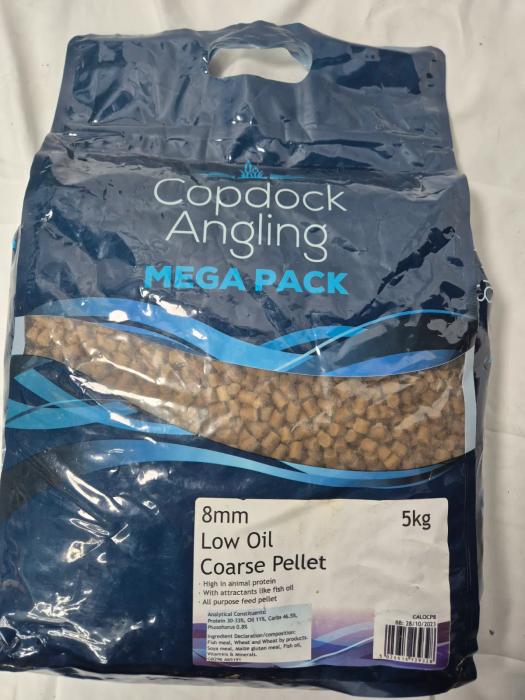
Copdock Angling Low Oil Coarse Pellets 5kg
£12.00
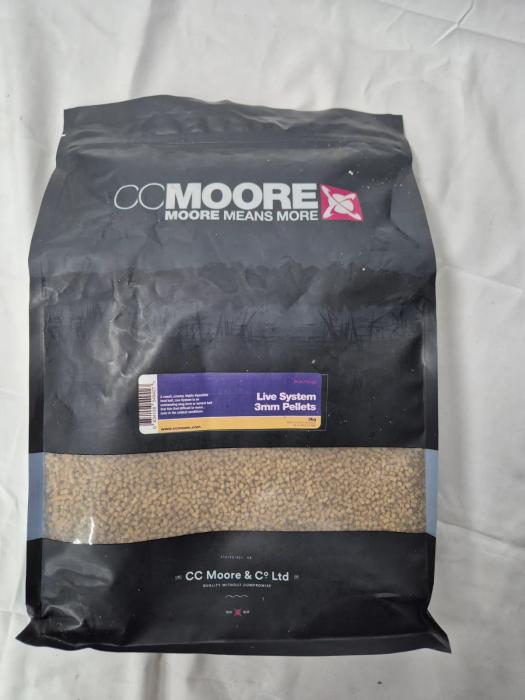
CC Moore Pellets Live System 3mm 3kg
£15.00
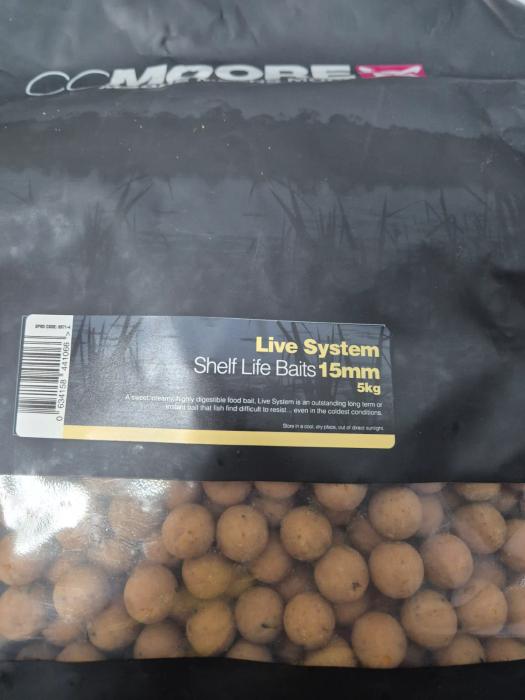
CC Moore Boilies & Dumbells Live System 5kg
£30.00
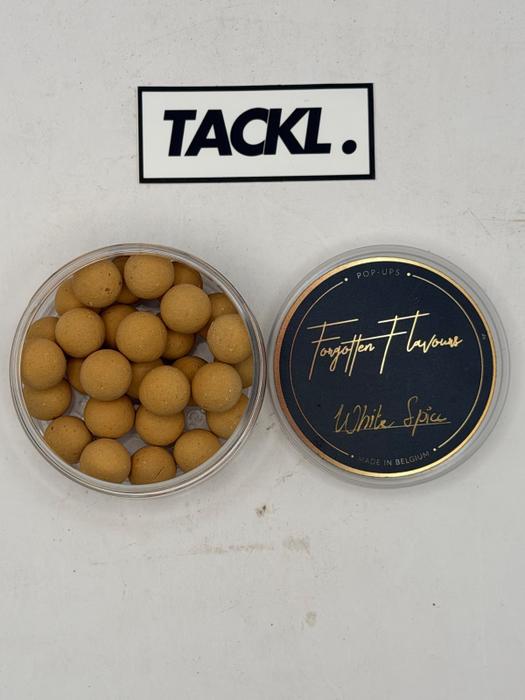
Forgotten Flavours Bait
£5.00
Leather Carp guides
Leather Carp fishing questions
What is a leather carp?
A leather carp is a genetic variant of the common carp, selectively bred to have no scales. It has smooth, 'leathery' skin and is highly sought after by specimen anglers in the UK for its rarity and distinctive appearance.
How do you tell a leather from a mirror carp?
A true leather carp is completely scaleless, or may have a single scale by the tail. A mirror carp has a random scattering of large, irregular scales, even if there are only a few. If a carp has more than one or two scales, it is a mirror.
Are leather carp a natural species?
No, they are a man-made strain developed by monks through selective breeding of common carp. They are not a naturally occurring wild species and exist in the UK almost exclusively due to stocking in managed fisheries.
What is the UK record leather carp?
The current British record for a leather carp stands at 54lb 8oz. This magnificent fish was caught by Kevin Clifford from The Quarry fishery in Essex in 2016. Fish of this size are exceptionally rare in the UK.
Do leather carp grow faster than other carp?
Historically it was believed that with less energy used for scale growth, leathers grew faster. Modern evidence suggests growth rates are more dependent on genetics, water temperature, and food availability rather than the absence of scales.


