

Tench Fishing UK
By Tackl · Updated 10 October 2026

Tinca tinca
The tench is a powerful, broad-flanked coarse fish, cherished by UK anglers for its dogged fighting qualities and beautiful appearance. Coloured deep olive-green with a bright red eye, it is synonymous with traditional float fishing on weedy stillwaters at dawn, often revealing its presence with tell-tale feeding bubbles.
Photo: Mattia Nocciola, CC BY-SA 4.0, via Wikimedia Commons
- Typical size
- 2-5lb; fish over 7lb are considered specimens.
- British record
- 15lb 3oz 6dr (Darren Ward, 2001)
- Found in
- river, lake, canal, pond, reservoir, drain, gravel pit
- Peak season
- Summer, especially at dawn and dusk
How to identify a tench
The tench has a distinctive, powerful, deep-set body with a broad tail wrist. Its flanks are a rich olive-green, sometimes almost black, fading to a bronze or pale yellow on the belly. The scales are tiny and deeply embedded in the skin, which is covered by a thick layer of protective slime – the origin of its 'doctor fish' moniker. It has a small, underslung mouth with a single, small barbel at each corner. The most striking feature is its small but bright red or orange eye. Mature males can be distinguished from females by their larger, thicker, and more rounded pelvic fins, which extend past the vent.
Where it lives
Tench thrive in rich, weedy, and silt-bottomed stillwaters such as estate lakes, gravel pits, ponds, and reservoirs. They are also found in the slower-flowing lower reaches of some rivers and in canals. They are classic margin feeders, favouring the cover of lily pads, reed beds, and overhanging trees where they can forage in relative safety. Being tolerant of low oxygen levels allows them to prosper in waters where other species might struggle. Tench often follow patrol routes, and identifying these underwater pathways, particularly clear spots amongst the weed, is key to success. They are most active in warm weather and can often be located by spotting fine feeding bubbles.
What it eats and the best baits
Primarily a bottom feeder, the tench's natural diet consists of invertebrates sifted from the silt and substrate. It consumes vast quantities of small molluscs like pea mussels and snails, crustaceans such as water shrimp, and insect larvae including bloodworm and caddisfly. This feeding behaviour, where it digs into the bottom, often releases clouds of fine bubbles to the surface, which is a classic sign for anglers to spot. They will also consume some aquatic vegetation and detritus.
- Sweetcorn
- Luncheon meat
- Bread flake
- Red maggot
- Caster
- Lobworm
- Pellets
- Mini boilies
Best time of year
- Jan – quieter
- Feb – quieter
- Mar – quieter
- Apr – quieter
- May – good
- Jun – good
- Jul – good
- Aug – good
- Sep – good
- Oct – quieter
- Nov – quieter
- Dec – quieter
In England and Wales, the coarse fish close season on all rivers runs from 15th March to 15th June inclusive. Most stillwaters and canals remain open all year, but be sure to check local fishery and club rules.
How to catch tench
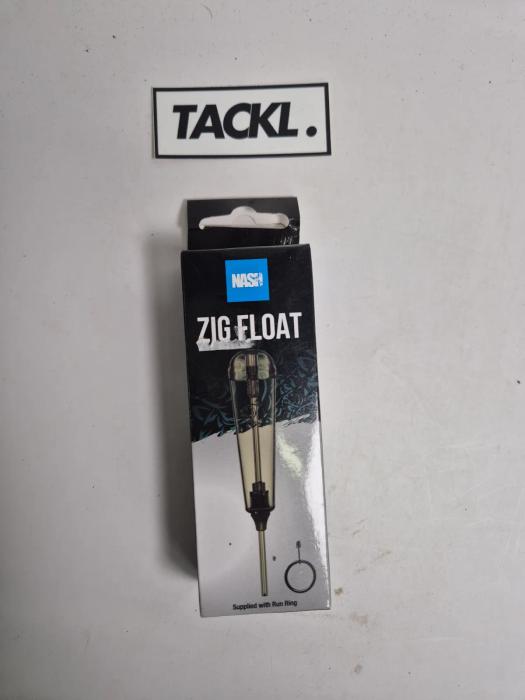
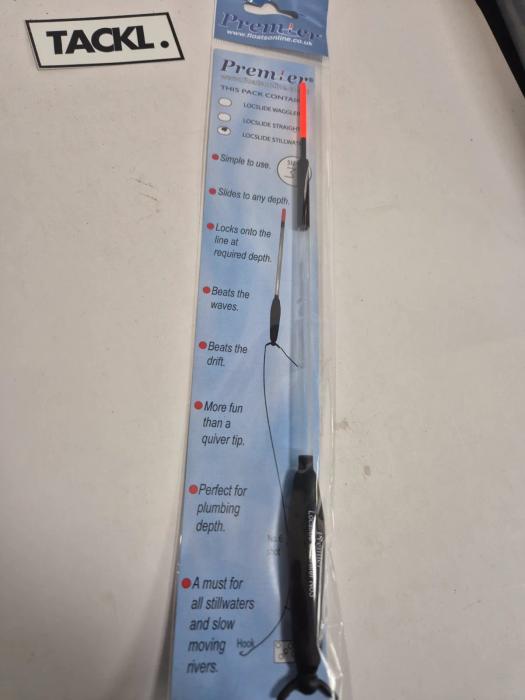
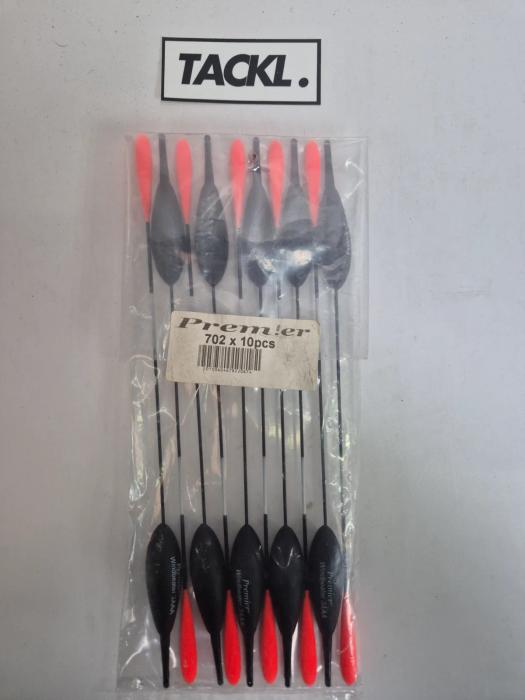
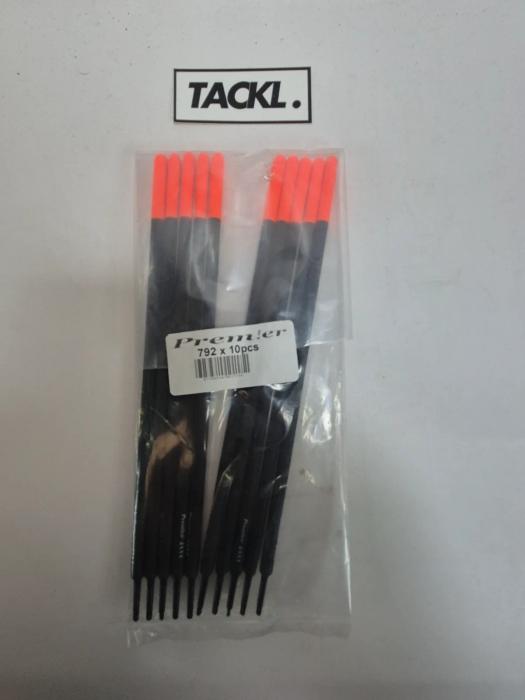
The classic method for tench fishing is float fishing with a waggler or a lift float. This tactic is particularly effective when presenting baits like sweetcorn, bread flake, or maggots close to features like lily pads or reed beds. The 'lift method', where the float rises up as a tench lifts the bottom shot with the bait, is a quintessential and exciting way to fish. Feeder fishing is also highly effective. A cage feeder can be used to lay down a bed of groundbait and particles, while a Method feeder is excellent for presenting a compact pile of feed with the hookbait, like a mini boilie or pellet, right on top. Accuracy is vital; baiting one spot consistently and fishing over it is key. Early morning and dusk sessions are famously the most productive times, and a quiet, stealthy approach often pays dividends.
Legal notes
All anglers aged 13 or over fishing for tench in England and Wales must hold a valid Environment Agency rod licence. In Scotland, there is no national licence, but a permit is required from the relevant landowner or angling club. Catch and release is standard practice for this species.
Rules change. Check current Environment Agency, NRW or Scottish regulations and the venue's own rules before fishing. Not professional or legal advice.
Where to catch tench in the UK
Counties with tench recorded on Tackl: Essex (21), Lincolnshire (14), Somerset (8), Norfolk (8), Warwickshire (5), Kent (5), Staffordshire (5), Nottinghamshire (5), West Sussex (4), Hampshire (4), Surrey (4), Suffolk (4), Cambridgeshire (3), Dorset (3), Devon (3), Oxfordshire (3), Cornwall (2), Bedfordshire (2), Hertfordshire (2), Berkshire (2), Leicestershire (2), Greater London (2), Worcestershire (1), Derbyshire (1), Northamptonshire (1), Gloucestershire (1), Greater Manchester (1), Cheshire (1), Herefordshire (1), North Yorkshire (1), South Yorkshire (1).
120 venues in 31 counties
Bedfordshire(2)
- Ampthill ReservoirReported
- Beckerings Park Farm ReservoirReported
Berkshire(2)
- Finch Farm FisheryReported
- Wraysbury 1Reported
Cambridgeshire(3)
- Bluebell LakesReported
- Float FishfarmReported
- Sibson FisheriesReported
Cheshire(1)
- Gorsty Hall FisheriesReported
Cornwall(2)
- Amalwhidden Farm Coarse FishingReported
- Mellonwatts Mill FisheryReported
Derbyshire(1)
- Beehive FarmReported
Devon(3)
- Home Farm Fishery (Devon)Reported
- Lower SladeReported
- Tinney WatersReported
Dorset(3)
- Highway FarmReported
- WADMILL LAKEReported
- Whitepost LakesReported
Essex(21)
- Picks Cottage Fishing Lakes and Tackle ShopReported
- A12 LakesReported
- Alresford Pit PACReported
- Asheldham FisheryReported
- Bottom lake Holyfield FisheryReported
- Brook Farm FisheryReported
- Brookhall LakeReported
- Chelmer & Blackwater Navigation CanalReported
- Foxearth FisheriesReported
- Great Pond Little Easton Manor FisheryReported
- Highwoods Country ParkReported
- Lakeland FisheryReported
- Oak Lake Oak Lakes FisheryReported
- Ramsey Brook (Wix) 1Reported
- Rayleigh & District Angling ClubReported
- St Osyth (Rectangle)Reported
- Straits MillReported
- The Warren FisheryReported
- Thoby WoodReported
- Thornwood Springs Trout FisheryReported
- Wicks MereReported
Gloucestershire(1)
- Elton Carp LakesReported
Greater London(2)
- Golf Course Lakes URACSReported
- Par FisheryReported
Greater Manchester(1)
- Fall Birch Lodge FisheryReported
Hampshire(4)
- Bottom Lake Headlands Farm FisheryReported
- Brockhurst MoatReported
- Gold Lake Gold Valley LakesReported
- Hordle LakesReported
Herefordshire(1)
- Redmire PoolReported
Hertfordshire(2)
- Batchworth LakeReported
- Tring ReservoirsReported
Kent(5)
- Cackle Hill LakesReported
- Chequertree FisheryReported
- Hartley Lands FisheryReported
- Manor FisheriesReported
- Tricklebrook FisheryReported
Leicestershire(2)
- Frisby Water Park (Pits)Reported
- Jakes LakesReported
Lincolnshire(14)
- ADH FisheriesReported
- Alvingham LakesReported
- Butterswood LodgeReported
- Caistor Fishing Lakes and Caravan siteReported
- Froghall Fisheries & LodgesReported
- Grooby's PitReported
- Lakeside RetreatsReported
- Lily Langdale LakesReported
- North View LakesReported
- Rossways Lakes & LodgesReported
- Stubton PondsReported
- Swanlake Leisure ParkReported
- Sycamore Lakes ParkReported
- Tetford Country CottagesReported
Norfolk(8)
- Cobbleacre Park LakesReported
- Felthorpe LakesReported
- Fendicks FisheryReported
- Rocklands Mere FisheryReported
- Shallowbrook LakesReported
- Swangey LakesReported
- Taverham Mills FisheryReported
- Wensum Fisheries, Costessey NorfolkReported
North Yorkshire(1)
- Welham LakeReported
Northamptonshire(1)
- Drayton ReservoirReported
Nottinghamshire(5)
- Grace Sapphire LakesReported
- Janson FisheryReported
- Newlands Ponds FisheryReported
- Wetlands LakesReported
- Woodsetts Quarry PondReported
Oxfordshire(3)
- Horseshoe Lake - Carp SocietyReported
- Linear FisheriesReported
- Upper Farm FisheryReported
Somerset(8)
- Bullock FarmReported
- Century PondsReported
- Higher Farm FisheryReported
- Maunsel PondsReported
- Rode Hill FisheryReported
- South DrainReported
- The SedgesReported
- Viaduct FisheryReported
South Yorkshire(1)
- Willow Garth FisheryReported
Staffordshire(5)
- Coppice Lane FisheryReported
- Cudmore FisheriesReported
- Dilhorne Hall PoolsReported
- Hamstall FisheryReported
- Himley Island PoolReported
Suffolk(4)
- Colston Hall FisheryReported
- Creeting LakesReported
- Kirton Hall LakeReported
- Reydon No.1 PitReported
Surrey(4)
- BusbridgeReported
- Elphicks FisheriesReported
- Johnsons Godalming Angling SocietyReported
- Newdigate Farms LtdReported
Warwickshire(5)
- Butlers Hill FarmReported
- Home Farm LakeReported
- Packington SomersReported
- Packington Somers FisheryReported
- Pool House Farm FisheryReported
West Sussex(4)
- Alderwood PondsReported
- Ardingly ReservoirReported
- Petworth ParkReported
- SilverdaleReported
Worcestershire(1)
- Alvechurch FisheriesReported
Tackle for tench
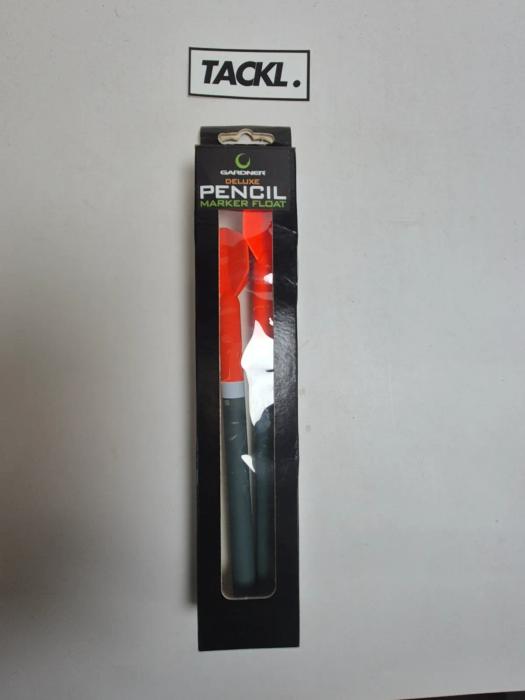
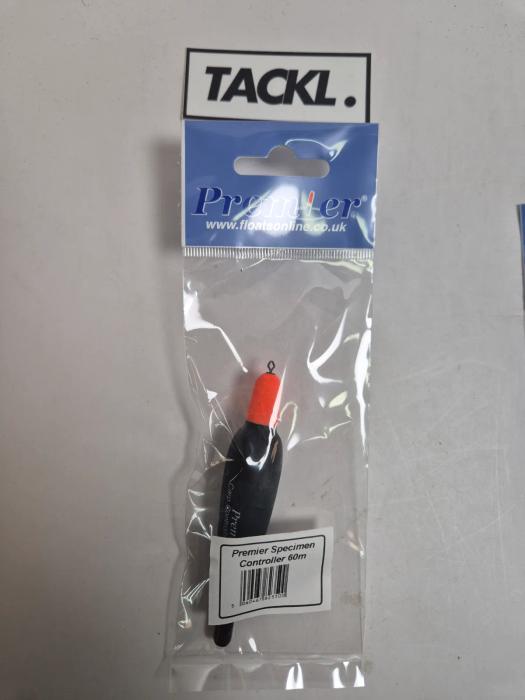
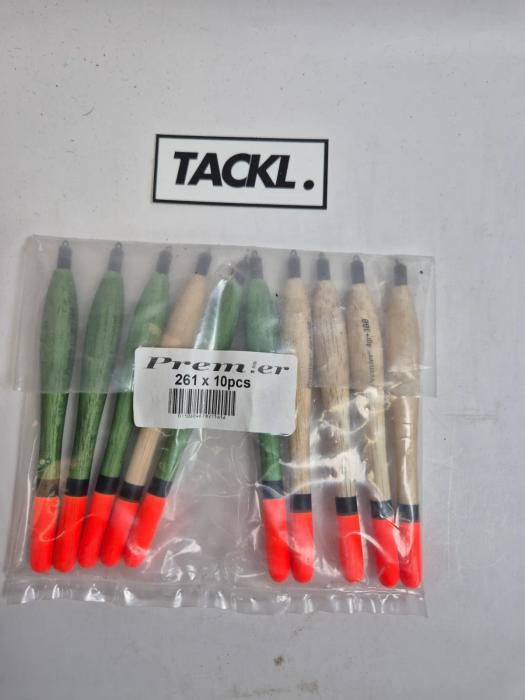
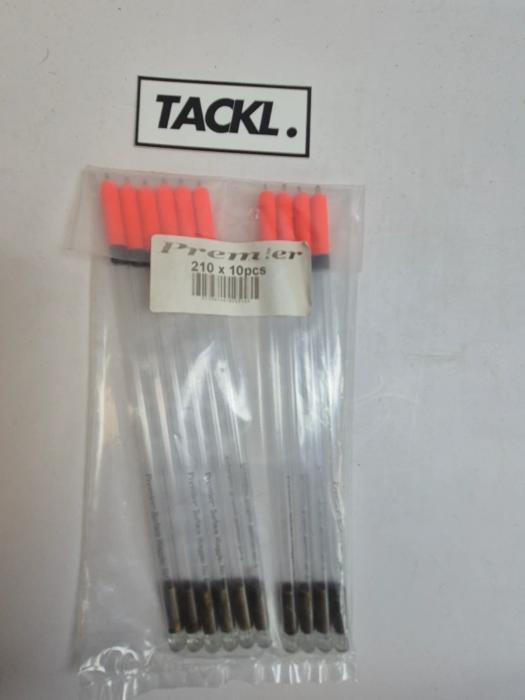
Tench guides
- Coarse Fishing Close Season: When and Where You Can Fish in England & Wales
- Fish Catch and Size Limits in England & Wales: What You Can Keep
- Fishing Conditions Explained: How Weather Affects Fish
- Fishing Tackle Rules in England & Wales: Rods, Bait, Lead and Nets
- How to Tie a Knotless Knot: A Step-by-Step Carp Fishing Guide
- Rod Fishing Licence UK: Prices, Types, Rod Limits and How to Buy (2026)
Tench fishing questions
Why are tench called 'doctor fish'?
An old anglers' myth suggests their thick body slime has healing properties and that sick or injured fish of other species would rub against a tench to be cured. There is no scientific evidence to support this, but the name has remained popular.
What are the best conditions for tench fishing?
Tench are a warm-water species, so calm, mild, and overcast days in late spring and summer are ideal. The most productive times are often the low-light periods of dawn and dusk, when their feeding activity, often revealed by fizzing bubbles, peaks.
How do you tell male and female tench apart?
In mature fish, the most reliable method is to examine the pelvic fins. Males have noticeably larger, thicker, and more spoon-shaped fins that often reach the vent. Females have smaller, more delicate, and triangular-shaped pelvic fins that do not extend as far.
What is the 'lift method' for tench?
It's a sensitive float fishing technique where the float is shotted so a final 'tell-tale' shot rests on the lakebed. When a tench picks up the bait, it also lifts this shot, causing the float to rise up ('lift') in the water, indicating a bite.
Is it worth raking a swim for tench?
Yes, on weedy venues, using a special weed rake to clear a small patch of bottom can be a devastatingly effective tactic. It exposes natural food items and creates a clear area to present your bait and groundbait, attracting inquisitive and hungry tench.


