

Crucian Carp Fishing UK
By Tackl · Updated 10 October 2026

Carassius carassius
A classic, deep-bodied fish with a rich golden-bronze hue. True crucians are prized for their beauty and shy-biting nature, providing a subtle challenge for anglers. They are a quintessential stillwater species, often found in mature, weedy ponds and lakes, with their presence indicating a healthy fishery.
Photo: Viridiflavus, CC BY-SA 3.0, via Wikimedia Commons
- Typical size
- 6oz - 1lb 8oz. A 2lb fish is a specimen.
- British record
- 4lb 10oz (2015)
- Found in
- lake, pond, canal, drain, gravel pit
- Peak season
- Late spring and summer
How to identify a crucian carp
Distinguishing true crucians from hybrids (especially with goldfish and F1 carp) is critical. A pure crucian has a high-backed, laterally compressed body with a beautiful golden-bronze sheen. Key identifiers are: a complete absence of barbules around the mouth; a distinctly convex, curved upper edge to the dorsal fin; a lateral line scale count of 32-34 (F1s and common carp have more); and a relatively small mouth. They have a classic 'postage stamp' silhouette. Any sign of barbules, however small, or a concave/straight dorsal fin indicates a hybrid.
Where it lives
Crucians are synonymous with classic, mature stillwaters. They thrive in weedy, silty-bottomed farm ponds, estate lakes, village ponds, and old gravel pits. They are also found in some slow-moving drains and canals. Crucians are exceptionally hardy, able to tolerate low oxygen levels and harsh winters by entering a state of partial hibernation in the silt. This resilience allows them to colonise small, enclosed waters where other species might struggle. They prefer the cover of lily pads, reeds, and overhanging trees, rarely venturing into open water.
What it eats and the best baits
Crucians are primarily bottom-feeders, foraging in silt and detritus for a varied diet. They consume small invertebrates like bloodworm, midge larvae, and tiny freshwater crustaceans. They also eat zooplankton, algae, and soft plant matter, often grubbing around lily roots and in amongst dense weed beds. Their diet is supplemented by any small food items that fall through the water column, making them responsive to small, natural-style angler's baits presented carefully on the bottom.
- Maggot
- Caster
- Sweetcorn
- Bread punch
- Paste
- Small soft pellets
- Worm section
Best time of year
- Jan – quieter
- Feb – quieter
- Mar – quieter
- Apr – quieter
- May – good
- Jun – good
- Jul – good
- Aug – good
- Sep – good
- Oct – quieter
- Nov – quieter
- Dec – quieter
The traditional coarse fish close season (15 March - 15 June inclusive) applies to all rivers in England and Wales. While it does not legally apply to most stillwaters or canals, many fisheries adopt it voluntarily, so always check local rules before fishing.
How to catch crucian carp
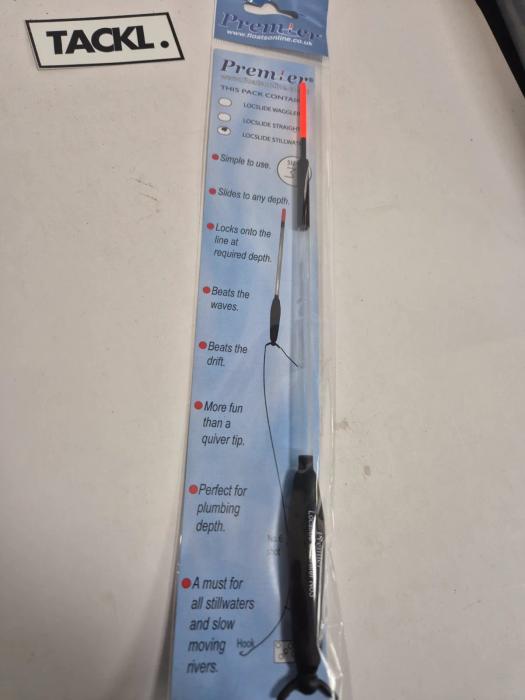
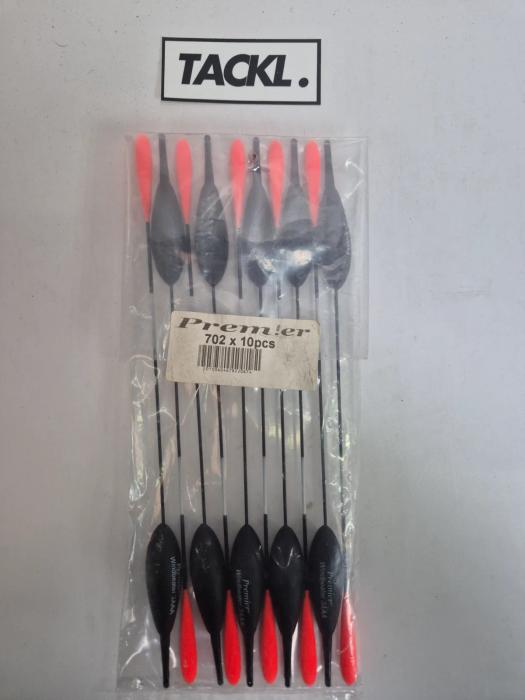
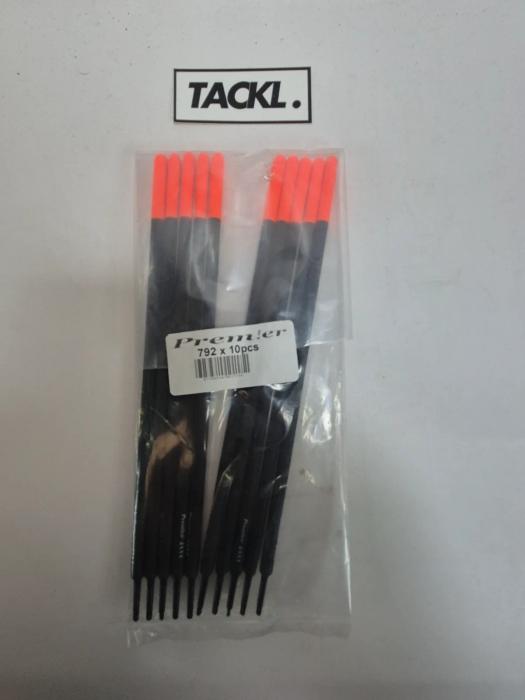
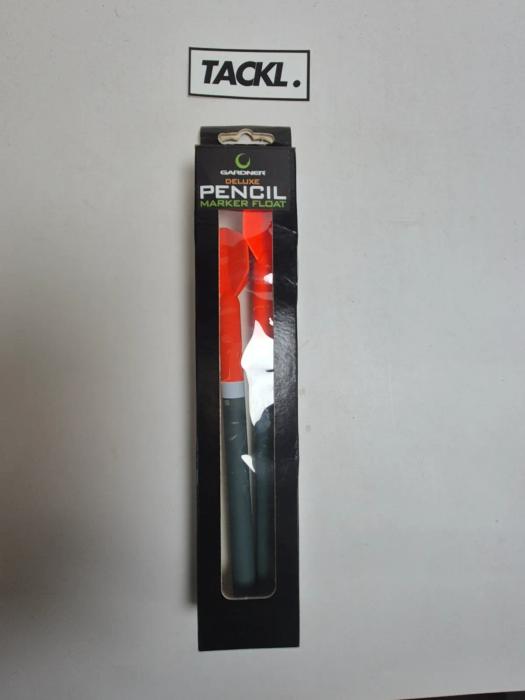
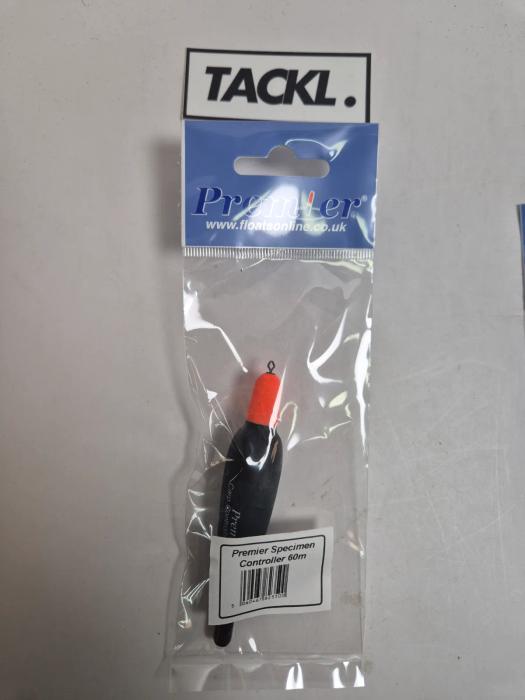
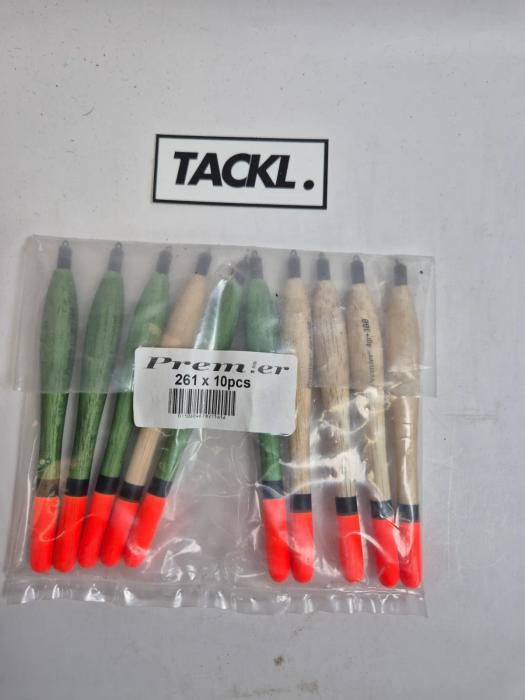
Finesse is the key to successful crucian angling. The classic method is float fishing close to features like lily pads or marginal reeds. Use a light, balanced setup with a sensitive float, such as a peacock quill or fine-tipped antenna, shotted to show 'lift bites'. A lift bite occurs when a crucian takes the bait and raises the bottom shot, causing the float to rise up in the water before sliding away. Pole fishing offers unparalleled precision for presenting small baits in tight spots, often proving the most effective tactic. Light ledgering with a quivertip or swingtip can also work, but a delicate approach is essential to avoid spooking these notoriously shy and cautious fish.
Legal notes
All anglers aged 13 or over fishing in England and Wales must hold a valid Environment Agency rod licence. Regulations differ in Scotland and Northern Ireland. Always follow fishery-specific rules and byelaws, including those regarding bait, keepnets and fish handling. The introduction of non-native species is illegal.
Rules change. Check current Environment Agency, NRW or Scottish regulations and the venue's own rules before fishing. Not professional or legal advice.
Where to catch crucian carp in the UK
Counties with crucian carp recorded on Tackl: Lincolnshire (8), Essex (7), Warwickshire (4), Hampshire (3), Kent (3), Somerset (2), Staffordshire (2), Norfolk (2), Surrey (2), Suffolk (2), Worcestershire (1), Bedfordshire (1), Derbyshire (1), Greater Manchester (1), Cambridgeshire (1), Cheshire (1), Leicestershire (1), West Sussex (1), Oxfordshire (1), Dorset (1).
45 venues in 20 counties
Bedfordshire(1)
- Ampthill ReservoirReported
Cambridgeshire(1)
- Float FishfarmReported
Cheshire(1)
- Gorsty Hall FisheriesReported
Derbyshire(1)
- Beehive FarmReported
Dorset(1)
- Whitepost LakesReported
Essex(7)
- Brook Farm FisheryReported
- Foxearth FisheriesReported
- Great Pond Little Easton Manor FisheryReported
- St Osyth (Rectangle)Reported
- The Warren FisheryReported
- Thoby WoodReported
- Thornwood Springs Trout FisheryReported
Greater Manchester(1)
- Fall Birch Lodge FisheryReported
Hampshire(3)
- Bottom Lake Headlands Farm FisheryReported
- Gold Lake Gold Valley LakesReported
- Hordle LakesReported
Kent(3)
- Chequertree FisheryReported
- Hartley Lands FisheryReported
- Manor FisheriesReported
Leicestershire(1)
- Mallory Park FisheriesReported
Lincolnshire(8)
- Alvingham LakesReported
- Butterswood LodgeReported
- Caistor Fishing Lakes and Caravan siteReported
- Lily Langdale LakesReported
- Rossways Lakes & LodgesReported
- Stubton PondsReported
- Tetford Country CottagesReported
- Windmill PondReported
Norfolk(2)
- Felthorpe LakesReported
- Rocklands Mere FisheryReported
Oxfordshire(1)
- Upper Farm FisheryReported
Somerset(2)
- Century PondsReported
- Maunsel PondsReported
Staffordshire(2)
- Cudmore FisheriesReported
- Dilhorne Hall PoolsReported
Suffolk(2)
- Kirton Hall LakeReported
- Reydon No.1 PitReported
Surrey(2)
- Johnsons Godalming Angling SocietyReported
- Newdigate Farms LtdReported
Warwickshire(4)
- Butlers Hill FarmReported
- Home Farm LakeReported
- Packington Somers FisheryReported
- Pool House Farm FisheryReported
West Sussex(1)
- Petworth ParkReported
Worcestershire(1)
- Alvechurch FisheriesReported
Tackle for crucian carp
Crucian Carp guides
Crucian Carp fishing questions
How can I tell a true crucian from an F1 or brown goldfish?
A true crucian has no barbules, a convex (outwardly curved) dorsal fin, and a lateral line scale count of 32-34. Hybrids often have a concave dorsal fin, tiny barbules, or a different scale count. The classic deep golden-bronze colour is another strong indicator.
What is a 'lift bite' and why is it typical for crucians?
A lift bite is when the float rises out of the water. It happens when a bottom-feeding fish like a crucian or tench mouths the bait and lifts the terminal shot off the bottom. It's a classic sign of a shy, confident take from these species.
Are crucians a difficult species to target?
Yes, they can be. Their bites are often incredibly delicate and they are easily spooked by noise, clumsy tackle or heavy lines. A quiet, patient, and refined approach is required for consistent success, which is part of their appeal to dedicated anglers.
Where are the best places in the UK to find true crucians?
True crucians are becoming rarer due to hybridisation. The best venues are often historic estate lakes, old farm ponds, and specific fisheries that have been carefully managed to preserve pure stocks. Southern and Eastern England have many well-known crucian waters.
What's the best rig for crucian fishing?
A simple float rig on 3-4lb line with a fine wire size 16 or 18 hook is ideal. Use a sensitive float like a small antenna or quill, with a 'shirt button' shotting pattern, including a small dropper shot on the bottom to register lift bites effectively.


