
Tackl Academy · Fishing
Carp Fishing in the UK: A Practical Beginner's Guide
Carp fishing rewards anglers who observe carefully, prepare their tackle properly and change their approach when the conditions demand it. You do not need an enormous collection of gear to start. You need a suitable venue, equipment you can use safely, a reliable presentation and enough patience to learn what the fish are doing. This guide brings those foundations together before you move on to individual knots, rigs and baits.
By Tackl · Reviewed by TACKL. · Updated 10 October 2026
Carp fishing rewards anglers who observe carefully, prepare their tackle properly and change their approach when the conditions demand it. You do not need an enormous collection of gear to start. You need a suitable venue, equipment you can use safely, a reliable presentation and enough patience to learn what the fish are doing. This guide brings those foundations together before you move on to individual knots, rigs and baits.
1. Choose a fishery that suits your experience
For an early session, choose a managed commercial or club water with clear rules, sensible access and regular carp catches. A heavily stocked beginner-friendly lake often offers more chances to practise than a large, low-stock gravel pit. Check whether a day ticket is available, whether booking is required, what fishing licence you need, permitted fishing times, maximum rods, hook rules and any bait or rig restrictions. In England and Wales, most anglers aged 13 and over need the appropriate Environment Agency rod fishing licence; check current requirements and local permissions before travelling.
Ask the fishery which areas are suitable for a newcomer. A short, accessible cast with obvious features can be a far better introduction than struggling to reach distant fish. Give other anglers space, keep pathways clear and observe the fishery's fish-care requirements.
2. Find carp before you set up
Location comes before a complicated rig. Walk the lake quietly if access allows. Look for rolling carp, bubbles, coloured water, repeated movement through one bay, fish cruising near the surface or feeding close to a margin. Not every bubble is a carp, and a single show may only tell you where one fish was at that moment. Patterns across several observations are more useful.
Think about the weather. Wind can move warmer surface water and natural food, but it does not mean fish always follow the wind. Shade, angling pressure, depth and dissolved oxygen also matter. On a hot bright day, carp may hold high in the water or under cover rather than feeding on the bottom. In colder conditions, short feeding spells may be more significant than a large quantity of bait.
Choose one sensible area, then check its depth and bottom composition with a method allowed at the venue. A clear patch beside weed, the edge of a gravel bar or a quiet margin can all hold fish. Avoid casting blindly into snags or heavy weed that you cannot fish safely.
3. A simple starter tackle setup
For many ordinary carp lakes, a purpose-built carp rod, compatible reel with sound line lay, suitable main line, landing net, unhooking mat or cradle and a safe lead arrangement form the core of a useful setup. There is no single rod length, casting weight or line strength suitable for every venue; take guidance from the fishery and manufacturers, particularly if fish are large or obstacles are present.
You will also need appropriately sized hooks, hooklink material, swivels or clips matched to the lead system, baiting needle, bait stops, forceps, disinfectant/carp-care supplies where required, and a way to keep fish wet during unhooking. A bankstick or rod pod, bite alarm or suitable visual indication, and a secure rod rest help you fish attentively. Set the drag and any baitrunner-style system correctly; never leave rods unattended.
If you are buying your first kit, prioritise a safe landing net and mat before optional gadgets. Learn to cast confidently at close range and check your rig after each cast rather than pushing for maximum distance.
4. Understand the bait, hook and lead as one system
The hookbait is the bait attached to the rig. Free offerings are the loose baits fed around it. Boilies, sweetcorn, pellets and other permitted baits all have uses. A bottom bait rests on the lakebed; a pop-up floats; a wafter is designed to counterbalance some of the terminal tackle's weight. Actual buoyancy varies by bait and changes after soaking, so always test the complete presentation in water.
A conventional hair rig separates the bait from the hook point. The knotless knot is one common way to form the hook section. Match the hook pattern and size to the bait and the expected fish, and check the hook point carefully. Use lead arrangements designed to behave safely if the main line breaks. Never improvise a fixed system that leaves a fish towing a lead or trapped behind beads and knots.
5. Plan a straightforward first session
- Read the venue rules
Check licence, permitted bait and rig details, access and fish-care requirements.
- Walk and observe
Spend time locating signs of carp before deciding where to fish.
- Set up fish-care equipment first
Assemble the net, wet the mat and put necessary tools within reach.
- Make one simple presentation
Use a manufacturer-approved lead system and a well-tested hair rig with an appropriate bottom bait or wafter.
- Check the lakebed and cast accurately
Practise at a manageable distance; avoid projecting into unsafe weed or snags.
- Introduce a modest amount of bait
Start with a small, accurate feed rather than automatically filling the swim.
- Watch the water and rod
Note fish movement, line bites, weather changes and signs of disturbance.
- Reassess patiently
Check the rig, bait and hook point when retrieved; change one factor at a time so you learn what made a difference.
6. Feed according to activity, not a fixed recipe
Heavy baiting can help when multiple carp are feeding confidently, but it can also reduce your chances when only a few cautious fish are present. In early sessions, a scattering of boilies or a small patch of particles can be enough. Use only legally and fishery-permitted prepared particles; inadequately prepared nuts and seeds can endanger fish. Observe whether bait is being eaten before adding more.
Fishing a single attractive hookbait can be effective when fish are visible but not settled into feeding. On busy waters, accurate placement and less disturbance may matter more than adding another flavour.
7. Playing, landing and returning a carp
Maintain steady pressure and use the rod and reel drag rather than pulling against a locked spool. Keep fish away from hazards; if the fish is approaching a snag you cannot safely control, reassess your fishing position and tackle choice for future casts. Before lifting a fish, prepare the landing net and wet fish-care mat. Where the venue permits lifting, support the fish properly with wet hands and suitable equipment, keeping it low over the mat. Never hold a carp upright by its gills or suspend it unsupported.
Remove the hook carefully, keep the fish wet and minimise time out of the water. If a fish needs treatment, follow the fishery's guidance. Support it in the water until it can swim away strongly. If it appears distressed, involve the fishery staff rather than repeatedly lifting it for photographs.
8. Common beginner mistakes
Casting too far. Distance is not automatically better than an accurate margin or close-range presentation. Ignoring fish behaviour. A productive spot yesterday may not be productive today. Overcomplicating rigs. A secure, simple arrangement you understand is usually preferable to an advanced one assembled incorrectly. Overfeeding. Feed responds to evidence. Using blunt hooks. A good-looking rig can still fail if its point is damaged. Forgetting safety. An effective bite indication does not make an unsafe lead system acceptable.
Essential safety check
Before every cast, inspect knots, line and hook points, confirm your lead system can release safely after line failure and make sure you can land a hooked fish from the swim you have chosen. Follow the fishery's current rules. Avoid leaving tackle in the water if a cast becomes snagged.
Frequently asked questions
Do I need expensive equipment to catch carp? No. Suitable safe tackle, accurate casting and finding fish are more important than prestige brands.
How many rods should I use? Use no more than your licence and the venue allow, and only the number you can attend properly. One rod can be ideal while learning.
Which bait should I start with? Use a bait the fishery permits and that you can attach reliably. A simple bottom-bait hair rig is an accessible starting point on a suitable venue.
What should I learn next? Understand hook choice, practise the knotless knot, then tie and test a basic hair rig before moving to complex pop-up systems.
Find suitable tackle on Tackl
Explore carp rods , reels , bite alarms , hooks , hooklinks , landing nets and fish-care equipment through the marketplace's existing categories. Choose equipment for the venue and conditions, not because an article promises a universal setup.
Questions
What size hook for carp?
Sizes 6 to 10 cover most UK carp fishing. Use a size 8 as a starting point and match it to your bait size.
What breaking strain line for carp?
12–15lb mainline suits most open lakes. Go heavier around snags, and check the venue's minimum.
Do I need a licence to fish for carp?
In England and Wales you need a rod licence from the Environment Agency for anyone 13 or over, as well as permission or a ticket for the water.
Related
Shop this on Tackl
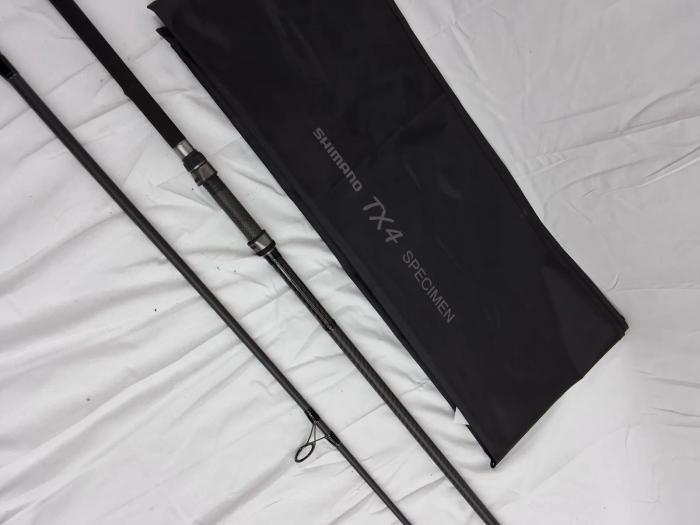
Shimano 12ft 3.5lb 2 piece Fishing Rod
£104.50New
Sold by Tackl
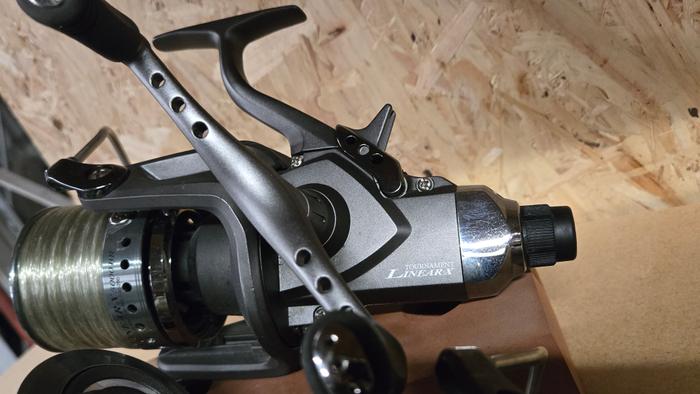
Daiwa tournament Fishing Reel
£312.50Used
Sold by Tackl
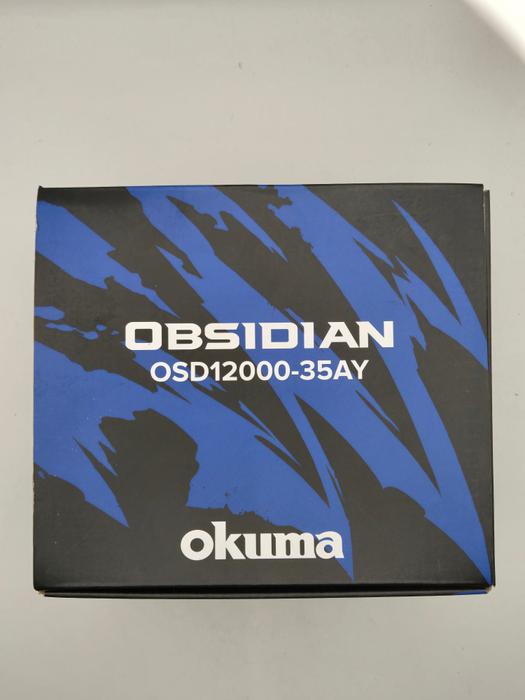
Obama obsidian OSD12000
£125.30New
Sold by Tackl

LEEDA Rogue 6500FS
£36.90New
Sold by Tackl
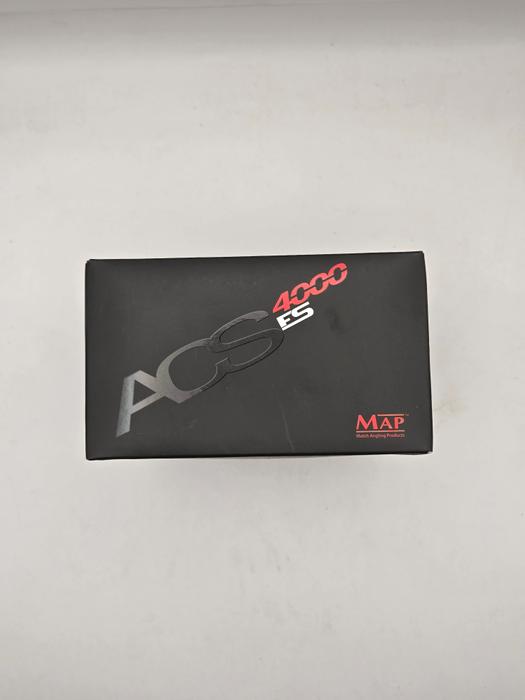
MAP ACS 4000ES
£52.50New
Sold by Tackl
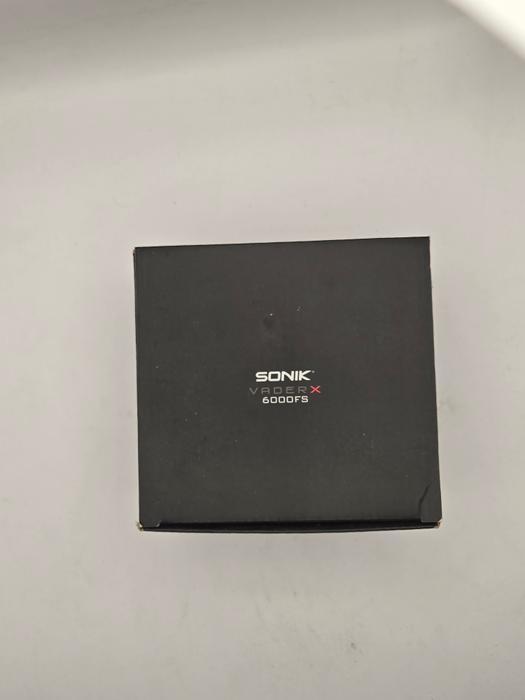
Sonik vader x 6000FS
£42.10Like New
Sold by Tackl
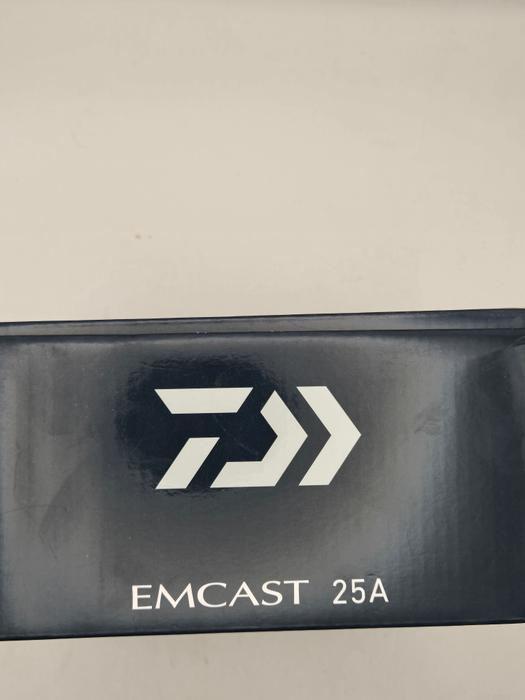
Daiwa Emcast 25a
£122.18New
Sold by Tackl
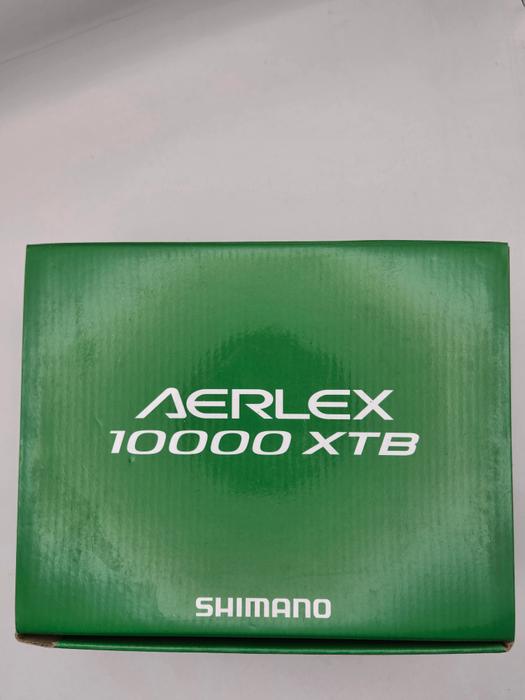
Shimano Aerlex 10000 XTB
£80.58New
Sold by Tackl
General guidance, not professional advice. Always follow the venue's rules and current Environment Agency, NRW or Scottish regulations.