

Grass Carp Fishing UK
By Tackl · Updated 10 October 2026

Ctenopharyngodon idella
A non-native species from Asia, the Grass Carp was introduced to the UK for weed control. Renowned for its phenomenal power and blistering runs, this elusive, torpedo-shaped herbivore presents a unique challenge for anglers, requiring stealth and specialised tactics to tempt, primarily in warmer months on stillwaters.
Photo: Dezidor, CC BY 3.0, via Wikimedia Commons
- Typical size
- 10-25lb; specimens over 40lb are caught annually.
- British record
- 54lb 10oz (Richard Bray, 2017)
- Found in
- lake, pond, reservoir, gravel pit
- Peak season
- Summer
How to identify a grass carp
The Grass Carp has a distinctive torpedo-shaped, elongated body, unlike the deeper body of a Common Carp. Its scales are large, well-defined, and often have a dark outline creating a cross-hatched pattern. The head is broad and blunt with a firm, non-protrusible mouth ideal for grazing, and crucially, they have no barbules. Fins are typically dark grey or black, and the body colouration ranges from dark olive and brassy on the back, fading to silvery-white on the belly. Their overall appearance is muscular and streamlined, built for speed. In the water, they can resemble a log when basking near the surface.
Where it lives
In the United Kingdom, Grass Carp are found almost exclusively in enclosed stillwaters such as lakes, gravel pits, and reservoirs where they have been deliberately stocked for weed management. They thrive in rich, weedy environments. On warm, sunny days, they are frequently seen basking just beneath the surface, often motionless for long periods. They are also active cruisers, patrolling marginal areas, reedbeds, and lily pads in search of their preferred vegetative food sources. Locating them often involves scanning the upper layers of the water or looking for subtle signs of disturbance in weed beds on calm days.
What it eats and the best baits
The Grass Carp is primarily a herbivore, consuming vast quantities of aquatic vegetation such as Canadian pondweed, duckweed, and filamentous algae. This is its main purpose in stocked UK fisheries. However, they are opportunistic feeders and can be tempted by conventional angling baits, particularly in venues where weed growth is seasonal or controlled. They will readily take surface baits like bread and dog biscuits, as well as particles like sweetcorn and tiger nuts, and have a known liking for small, fruity boilies.
- Bread crust
- Sweetcorn
- Dog biscuits
- Small boilies
- Tiger nuts
- Lettuce
- Grass
- Pellets
Best time of year
- Jan – quieter
- Feb – quieter
- Mar – quieter
- Apr – quieter
- May – good
- Jun – good
- Jul – good
- Aug – good
- Sep – good
- Oct – quieter
- Nov – quieter
- Dec – quieter
The statutory coarse fish close season (15 March - 15 June inclusive) applies to all rivers, streams, and drains in England and Wales. As Grass Carp are almost exclusively a stillwater species in the UK, they can generally be fished for year-round, subject to individual fishery rules.
How to catch grass carp
Stalking and surface fishing are the most exciting and effective methods. On warm days, watch for fish cruising or basking near the top and carefully present a surface bait like bread crust or a dog biscuit in their path. A controller float setup helps with casting distance. A stealthy approach is paramount as they are exceptionally wary. Zig rigs are also highly effective, allowing a buoyant bait to be presented at a specific depth in mid-water where the carp are cruising. For bottom fishing, a simple hair rig with a small, balanced boilie, a grain of sweetcorn, or a tiger nut can work well, especially when cast to areas where fish have been seen feeding or patrolling. Tackle must be robust; a 2.75lb-3lb test curve carp rod, a reliable reel with a good clutch, and a minimum 12lb mainline are recommended to handle their powerful, sustained runs.
Legal notes
A valid Environment Agency rod licence is required to fish for any coarse fish in England and Wales. Grass Carp are a non-native species listed under the Import of Live Fish Act (ILFA). Their introduction into any water requires prior written consent from the Environment Agency, and it is illegal to move them between waters without permission.
Rules change. Check current Environment Agency, NRW or Scottish regulations and the venue's own rules before fishing. Not professional or legal advice.
Where to catch grass carp in the UK
Counties with grass carp recorded on Tackl: Kent (2), Essex (2), Somerset (2), Lincolnshire (1), Gloucestershire (1), Norfolk (1), Cambridgeshire (1), Carmarthenshire (1), Oxfordshire (1).
12 venues in 9 counties
Cambridgeshire(1)
- Float FishfarmReported
Carmarthenshire(1)
- Luxe Lakes | The EscapeReported
Essex(2)
- Foxearth FisheriesReported
- Oak Lake Oak Lakes FisheryReported
Gloucestershire(1)
- Elton Carp LakesReported
Kent(2)
- Chequertree FisheryReported
- Tricklebrook FisheryReported
Lincolnshire(1)
- Alvingham LakesReported
Norfolk(1)
- Felthorpe LakesReported
Oxfordshire(1)
- Upper Farm FisheryReported
Somerset(2)
- Higher Farm FisheryReported
- Rode Hill FisheryReported
Tackle for grass carp
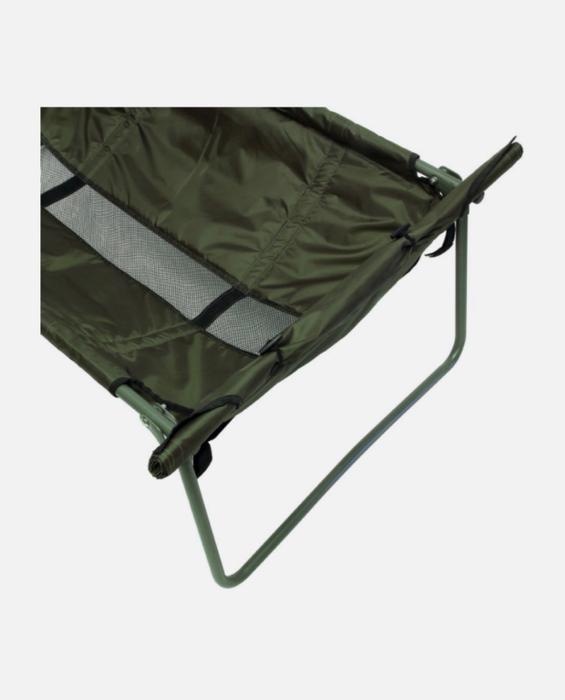
NGT Cradle
£60.00
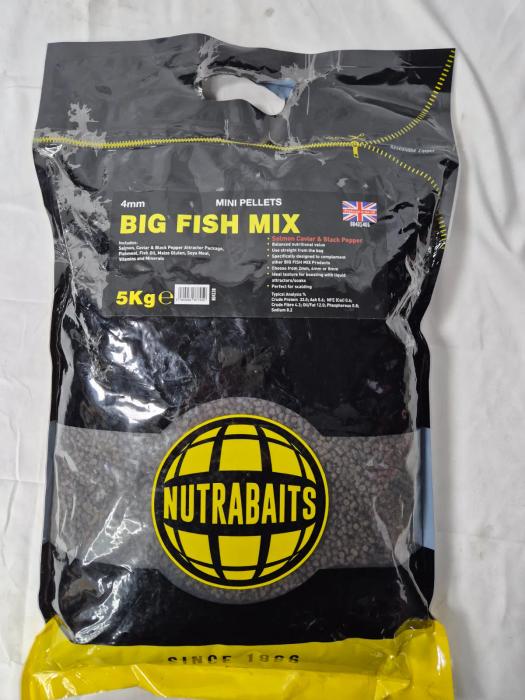
Nutrabaits Pellets Big Fish Mix (Salmon, Caviar & Black Pepper) 4mm 5kg
£20.00
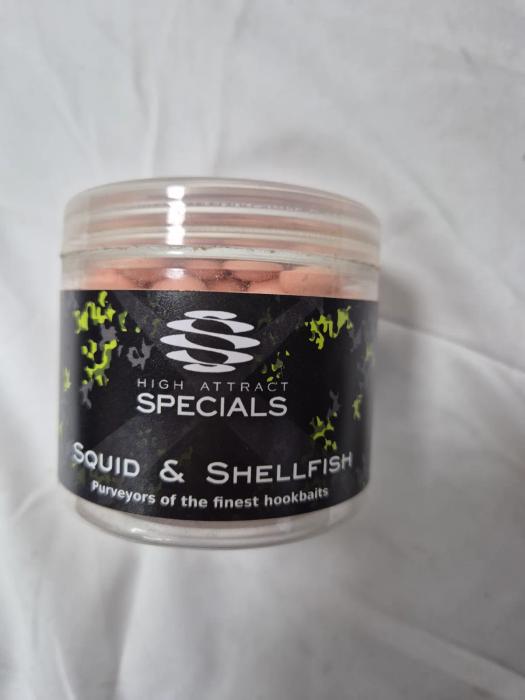
High Attract Specials Pop-ups Various options 12-14mm 1 tub 50g
£8.00
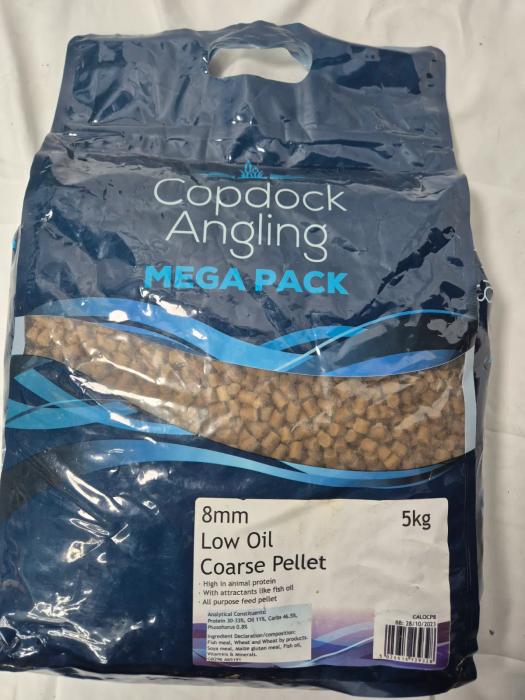
Copdock Angling Low Oil Coarse Pellets 5kg
£12.00
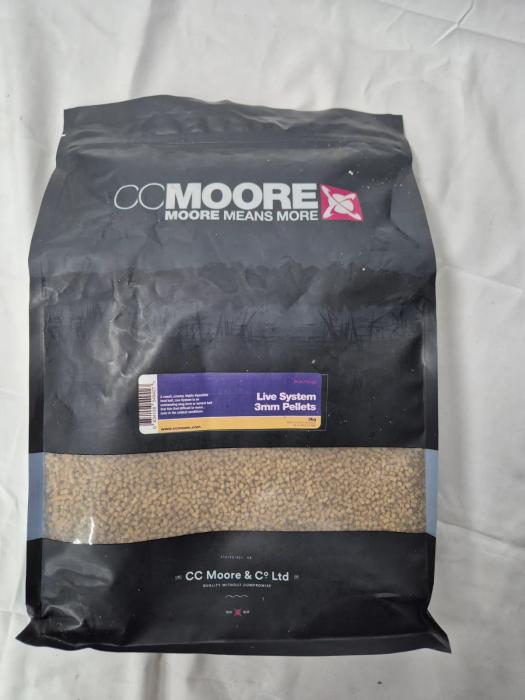
CC Moore Pellets Live System 3mm 3kg
£15.00
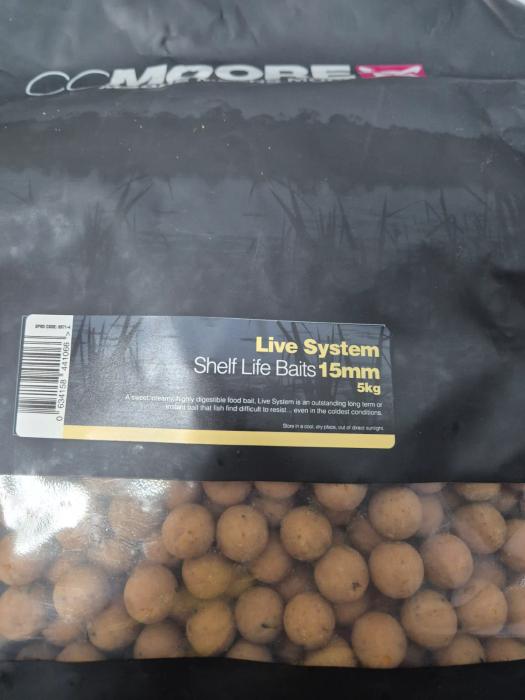
CC Moore Boilies & Dumbells Live System 5kg
£30.00
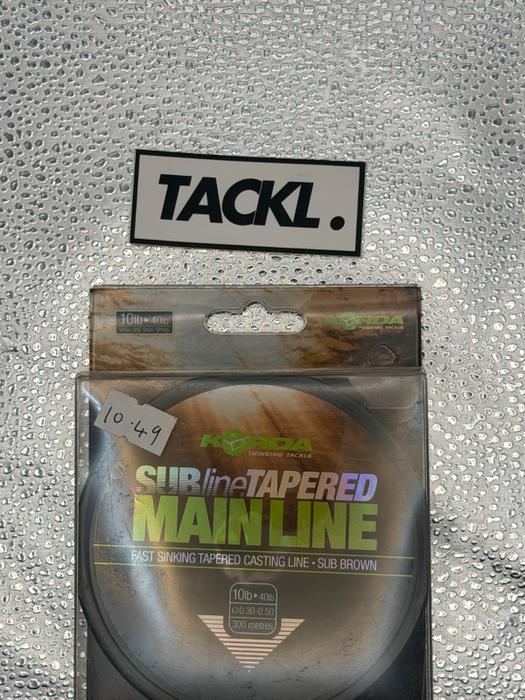
Korda Subline Tapered mainline
£8.00
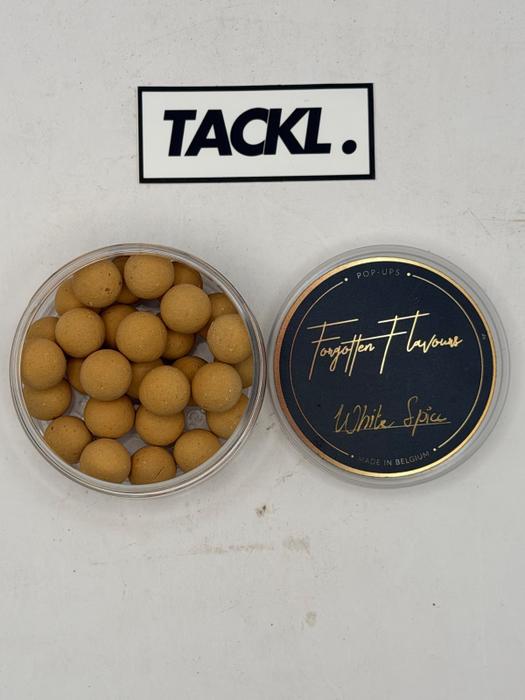
Forgotten Flavours Bait
£5.00
Grass Carp guides
Grass Carp fishing questions
Are Grass Carp native to the UK?
No, they are a non-native species originating from the Amur River in East Asia. They were first introduced to the UK for biological weed control in managed fisheries, and their stocking is now strictly regulated by the Environment Agency.
Why are Grass Carp so difficult to catch?
Their primarily herbivorous diet means they can be less responsive to standard angling baits. They are also notoriously spooky and require a very stealthy approach. Once hooked, their immense power and speed can easily overwhelm inadequate tackle, leading to many lost fish.
Do Grass Carp have barbules like Common Carp?
No, Grass Carp have no barbules. This is a primary feature that distinguishes them from Common Carp and Mirror Carp, which both possess two pairs of barbules around their mouths. Their mouth is hard and designed for shredding vegetation.
Can Grass Carp breed naturally in the UK?
Natural reproduction is considered extremely unlikely in the UK. They require specific spawning conditions, including prolonged high water temperatures (above 20°C) and flowing water, which are rarely met in British waters. Virtually all UK populations are maintained through stocking.
What's the best way to find Grass Carp in a lake?
On warm, sunny days, scan the surface with polarised sunglasses. They often bask motionless, looking like submerged logs. Also, watch for cruising fish along weedbeds and in the margins. Bubbling or cloudy water near vegetation can also indicate feeding activity.


