

Common Carp Fishing UK
By Tackl · Updated 10 October 2026

Cyprinus carpio
The UK's most popular big-fish species, the Common Carp is a powerful, hard-fighting omnivore found in a huge variety of waters. Prized by specimen hunters, its fully-scaled flanks and cautious nature make it a challenging and rewarding quarry for anglers of all abilities.
Photo: George Chernilevsky, CC BY-SA 3.0, via Wikimedia Commons
- Typical size
- Doubles (10lb+) are common; specimens over 20lb are highly prized, with 30lb+ fish being the target in many specialist waters.
- British record
- 68lb 1oz (Tom Doherty, 2016)
- Found in
- river, lake, canal, pond, reservoir, gravel pit
- Peak season
- Summer and early autumn
How to identify a common carp
The Common Carp is distinguished by its complete and regular covering of large, well-defined scales. It has a deep, heavy-set body, typically olive-green to bronze on the back, fading to a creamy gold on the belly. A key feature is its underslung, protrusible mouth equipped with two pairs of fleshy barbules—one long pair at the corners and a shorter pair above. The dorsal fin is long with a concave outline and features a hard, serrated first ray. It should not be confused with the partially scaled Mirror Carp, or the Crucian Carp, which completely lacks barbules and has a convex dorsal fin.
Where it lives
Common Carp thrive in slow-moving or static, fertile waters across the UK, from small ponds to vast reservoirs and gravel pits. They prefer areas with soft silt or clay beds, rich in natural food, and will seek out features offering cover and security. Look for them around reed beds, lily pads, overhanging trees, and submerged snags like fallen branches. In rivers, they favour the deeper, slower-flowing sections, often congregating below weirs or in sheltered bends. They are highly adaptable and tolerant of a wide range of conditions, including low oxygen levels found in some urban canals and drains.
What it eats and the best baits
As omnivores, carp are opportunistic bottom-feeders. Their natural diet consists of insect larvae like bloodworm and caddis, freshwater shrimps, snails, and small mussels, which they crush with powerful pharyngeal teeth. They also consume aquatic plants, algae, and detritus. Their habit of grubbing through silt and gravel to find food items often stirs up cloud trails, which can be a key sign of their presence for observant anglers. This varied diet makes them receptive to a wide range of baits.
Best time of year
- Jan – quieter
- Feb – quieter
- Mar – quieter
- Apr – good
- May – good
- Jun – good
- Jul – good
- Aug – good
- Sep – good
- Oct – good
- Nov – quieter
- Dec – quieter
In England and Wales, the traditional coarse fishing close season on rivers runs from 15th March to 15th June inclusive. Most stillwaters and canals remain open year-round, but always check local fishery rules.
How to catch common carp
The dominant UK technique is ledgering with a bolt rig, often using bite alarms for detection. Baits, particularly boilies and pop-ups, are presented on a hair rig, which separates the bait from the hook for improved hooking mechanics. Method feeder fishing is also exceptionally effective, creating a pile of groundbait with the hookbait at its centre. In warmer months, surface fishing with floating baits like bread crust or dog biscuits can provide exciting visual sport. Stalking visible fish in the margins with a simple float-fished or freelined bait is another rewarding approach. For closer range work, traditional float fishing with baits like sweetcorn or luncheon meat near features like reed beds can be very productive.
Legal notes
An Environment Agency rod licence is legally required for anglers aged 13 or over to fish in England and Wales. In Scotland, no national licence is required, but you must have permission from the landowner or fishery. Under Environment Agency byelaws for England, it is illegal to remove any carp from a fishery without the prior written consent of the owner. Any coarse fish caught from a river during the close season must be returned immediately.
Rules change. Check current Environment Agency, NRW or Scottish regulations and the venue's own rules before fishing. Not professional or legal advice.
Where to catch common carp in the UK
Counties with common carp recorded on Tackl: Essex (34), Lincolnshire (22), Devon (10), Kent (10), Somerset (9), Norfolk (9), Nottinghamshire (9), Staffordshire (8), Dorset (7), Cambridgeshire (6), Hampshire (6), Hertfordshire (5), Berkshire (5), Warwickshire (5), Suffolk (5), Leicestershire (5), Oxfordshire (5), West Sussex (4), Cornwall (4), Greater London (4), Derbyshire (3), Lancashire (3), Surrey (3), Gloucestershire (3), Cheshire (3), Bedfordshire (2), Shropshire (2), Northamptonshire (2), East Sussex (1), Worcestershire (1), West Midlands (1), West Yorkshire (1), Isle of Wight (1), Greater Manchester (1), Carmarthenshire (1), East Riding of Yorkshire (1), Herefordshire (1), North Yorkshire (1), South Yorkshire (1).
204 venues in 39 counties
Bedfordshire(2)
- Ampthill ReservoirReported
- Beckerings Park Farm ReservoirReported
Berkshire(5)
- Burghfield LakesReported
- Finch Farm FisheryReported
- Sandhurst LakeReported
- Windsor view LakesReported
- Wraysbury 1Reported
Cambridgeshire(6)
- Bluebell LakesReported
- Float FishfarmReported
- Royston (Nash Lakes)Reported
- Sibson FisheriesReported
- The Woolpack FisheryReported
- Vermuyden Lake - Fenland FisheriesReported
Carmarthenshire(1)
- Luxe Lakes | The EscapeReported
Cheshire(3)
- Coole Acres Fishery and Leisure ParkReported
- Folly Hampton SpringsReported
- Gorsty Hall FisheriesReported
Cornwall(4)
- Amalwhidden Farm Coarse FishingReported
- Coombe Mill Family Farm HolidaysReported
- Hele Barton Farm Holiday CottagesReported
- Mellonwatts Mill FisheryReported
Derbyshire(3)
- Barlow Trout and Coarse FisheryReported
- Beehive FarmReported
- Press Manor Fishing LakesReported
Devon(10)
- Abbrook PondReported
- Bellbrook Valley Trout FisheryReported
- Four Ponds FisheryReported
- Home Farm Fishery (Devon)Reported
- Island - FurzebrayReported
- Lakeside View FisheriesReported
- Lower SladeReported
- Milemead FisheriesReported
- Thatcher's Island Carp FisheryReported
- Tinney WatersReported
Dorset(7)
- Alder Lake Coking Farm FisheryReported
- Big Hayes Specimen LakeReported
- Cranebrook Carp FisheryReported
- Culvers FarmReported
- Highway FarmReported
- WADMILL LAKEReported
- Whitepost LakesReported
East Riding of Yorkshire(1)
- Oaklands WatersReported
East Sussex(1)
- Alexandra ParkReported
Essex(34)
- Picks Cottage Fishing Lakes and Tackle ShopReported
- A12 LakesReported
- Alresford Pit PACReported
- Asheldham FisheryReported
- Bicknacre - Jackletts FarmReported
- Blind Lane FisheriesReported
- Bottom lake Holyfield FisheryReported
- Brook Farm FisheryReported
- Brook Lake Newland Hall FisheryReported
- Brookhall LakeReported
- Chalkney Syndicate LakesReported
- Chelmer & Blackwater Navigation CanalReported
- Chigborough Farm & FisheriesReported
- Crowsheath FisheryReported
- Foxearth FisheriesReported
- Fryerning FisheriesReported
- Golden Oaks @ DS FisheriesReported
- Great Pond Little Easton Manor FisheryReported
- Highwoods Country ParkReported
- Home Farm PACReported
- Lakeland FisheryReported
- Lofts Lake SyndicateReported
- Middle Lake Churchgate FisheryReported
- Oak Lake Oak Lakes FisheryReported
- Ramsey Brook (Wix) 1Reported
- Ramsey Brook 2 PACReported
- Rayleigh & District Angling ClubReported
- St Osyth (Rectangle)Reported
- St. Osyth (Triangle)Reported
- Straits MillReported
- The Warren FisheryReported
- Thoby WoodReported
- Wicks MereReported
- Woody's Fishing LakeReported
Gloucestershire(3)
- Churn Pool FisheryReported
- Elton Carp LakesReported
- The Cotswolds GetawayReported
Greater London(4)
- Golf Course Lakes URACSReported
- Mallard Lake Stanwick Lakes FisheriesReported
- Par FisheryReported
- Puddledock Farm FisheryReported
Greater Manchester(1)
- Fall Birch Lodge FisheryReported
Hampshire(6)
- Bottom Lake Headlands Farm FisheryReported
- Brockhurst MoatReported
- Frobury Farm LtdReported
- Gold Lake Gold Valley LakesReported
- Hordle LakesReported
- River Farm Carp FisheryReported
Herefordshire(1)
- Redmire PoolReported
Hertfordshire(5)
- Amwell LakesReported
- Batchworth LakeReported
- CMCS Pans LakeReported
- Shepherds WayReported
- Tring ReservoirsReported
Isle of Wight(1)
- Combley Carp FisheriesReported
Kent(10)
- Cackle Hill LakesReported
- Chequertree FisheryReported
- Hartley Lands FisheryReported
- Lake Amy Claygate LakesReported
- Loggies Lake Stour Valley Fishing ComplexReported
- Manor FisheriesReported
- Orchard Place Farm Fishing LakesReported
- Shirkoak FisheryReported
- Springwood FisheriesReported
- Tricklebrook FisheryReported
Lancashire(3)
- Bert's Pool Hillside FisheryReported
- Castanet FisheryReported
- Stanley Villa Farm FisheryReported
Leicestershire(5)
- Frisby Water Park (Pits)Reported
- Jakes LakesReported
- Mallory Park FisheriesReported
- Sweethedges FarmReported
- The Lane FisheryReported
Lincolnshire(22)
- ADH FisheriesReported
- Alvingham LakesReported
- Butterswood LodgeReported
- Caistor Fishing Lakes and Caravan siteReported
- Dolly Mill FisheriesReported
- Fieldview FisheryReported
- Froghall Fisheries & LodgesReported
- Greenacre LakesReported
- Grooby's PitReported
- Lakeside RetreatsReported
- Lily Langdale LakesReported
- Lindholme Lakes Country ParkReported
- Meadow Lake Water Meadows FisheryReported
- North View LakesReported
- Parkside Carp FisheryReported
- Rossways Lakes & LodgesReported
- S & R FisheryReported
- Stubton PondsReported
- Swanlake Leisure ParkReported
- Sycamore Lakes ParkReported
- Tetford Country CottagesReported
- Windmill PondReported
Norfolk(9)
- Cobbleacre Park LakesReported
- Cross Drove FisheryReported
- Felthorpe LakesReported
- Fendicks FisheryReported
- Oakwood Park LakesReported
- Shallowbrook LakesReported
- Swangey LakesReported
- Taverham Mills FisheryReported
- Wensum Fisheries, Costessey NorfolkReported
North Yorkshire(1)
- Welham LakeReported
Northamptonshire(2)
- Drayton ReservoirReported
- Jigsaw lakeReported
Nottinghamshire(9)
- Grace Sapphire LakesReported
- Janson FisheryReported
- Langold LakeReported
- Newlands Ponds FisheryReported
- Orchard Close FisheryReported
- The CoveReported
- Trent View Carp FisheryReported
- Wetlands LakesReported
- Woodsetts Quarry PondReported
Oxfordshire(5)
- Horseshoe Lake - Carp SocietyReported
- Linear FisheriesReported
- Orchid LakeReported
- River CherwellReported
- Upper Farm FisheryReported
Shropshire(2)
- Crabtree PoolReported
- Destan PoolReported
Somerset(9)
- Bullock FarmReported
- Burton Springs FisheryReported
- Century PondsReported
- Festival Carp FisheryReported
- Higher Farm FisheryReported
- Maunsel PondsReported
- Rode Hill FisheryReported
- The SedgesReported
- Viaduct FisheryReported
South Yorkshire(1)
- Willow Garth FisheryReported
Staffordshire(8)
- Brookside Carp FisheryReported
- Coppice Lane FisheryReported
- Cudmore FisheriesReported
- Dilhorne Hall PoolsReported
- Hamstall FisheryReported
- Heronbrook FisheriesReported
- Himley Island PoolReported
- Millbrook FisheriesReported
Suffolk(5)
- Colston Hall FisheryReported
- Creeting LakesReported
- Decoy Pond PACReported
- Kirton Hall LakeReported
- Reydon No.1 PitReported
Surrey(3)
- BusbridgeReported
- Elphicks FisheriesReported
- Newdigate Farms LtdReported
Warwickshire(5)
- Butlers Hill FarmReported
- Home Farm LakeReported
- Packington SomersReported
- Packington Somers FisheryReported
- Pool House Farm FisheryReported
West Midlands(1)
- Barston LakesReported
West Sussex(4)
- Alderwood PondsReported
- Ardingly ReservoirReported
- Petworth ParkReported
- SilverdaleReported
West Yorkshire(1)
- Big Lake Ladywood LakesReported
Worcestershire(1)
- Alvechurch FisheriesReported
Tackle for common carp
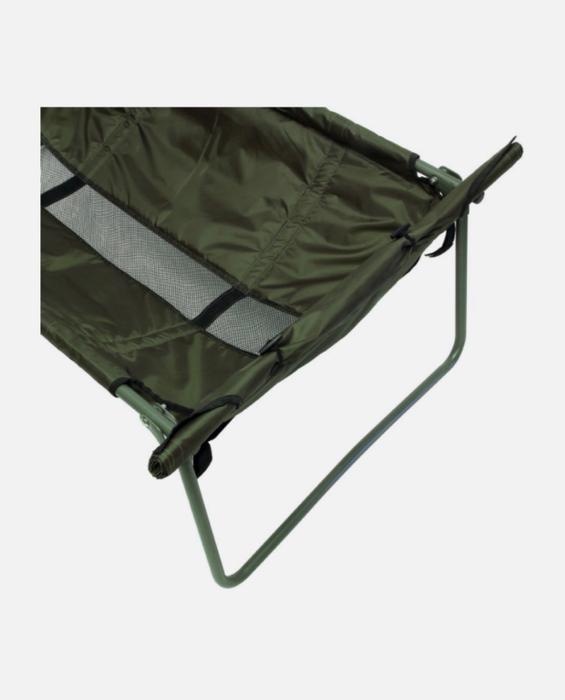
NGT Cradle
£60.00
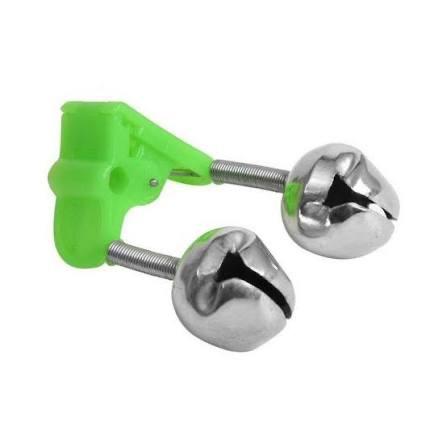
Fishing Bite Indicator Bite Alarm Rod Tip
£1.50
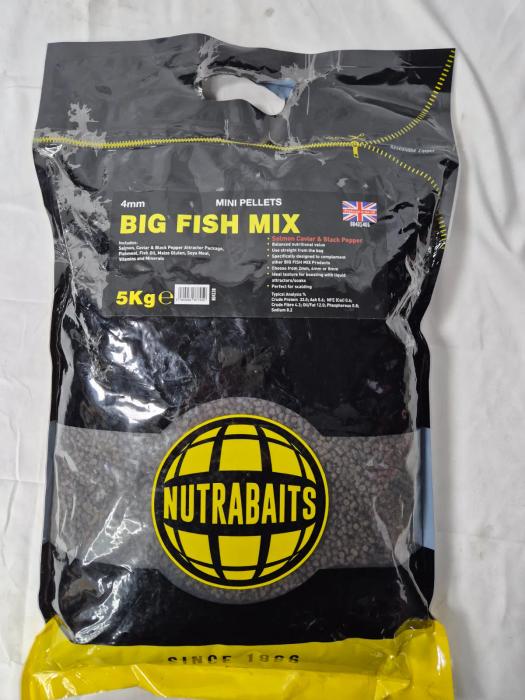
Nutrabaits Pellets Big Fish Mix (Salmon, Caviar & Black Pepper) 4mm 5kg
£20.00
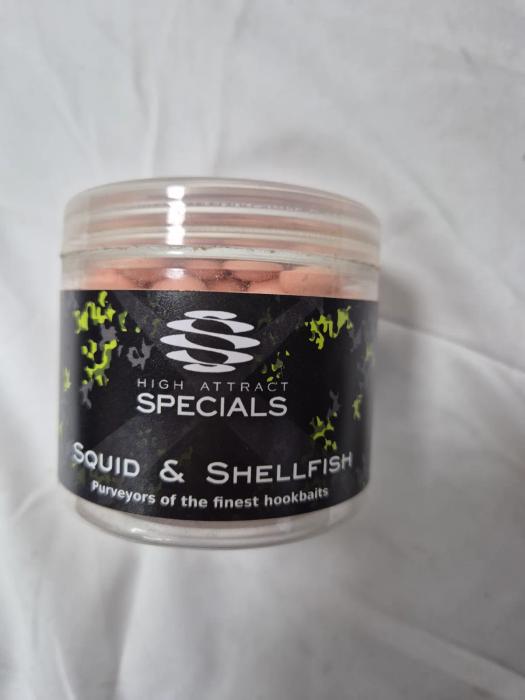
High Attract Specials Pop-ups Various options 12-14mm 1 tub 50g
£8.00
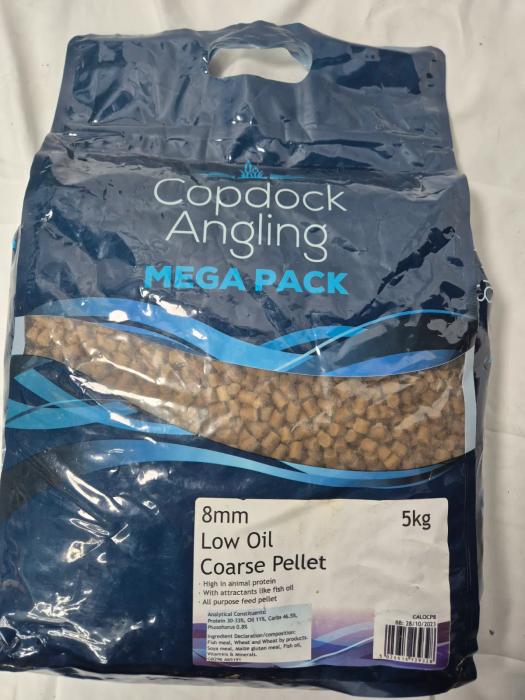
Copdock Angling Low Oil Coarse Pellets 5kg
£12.00
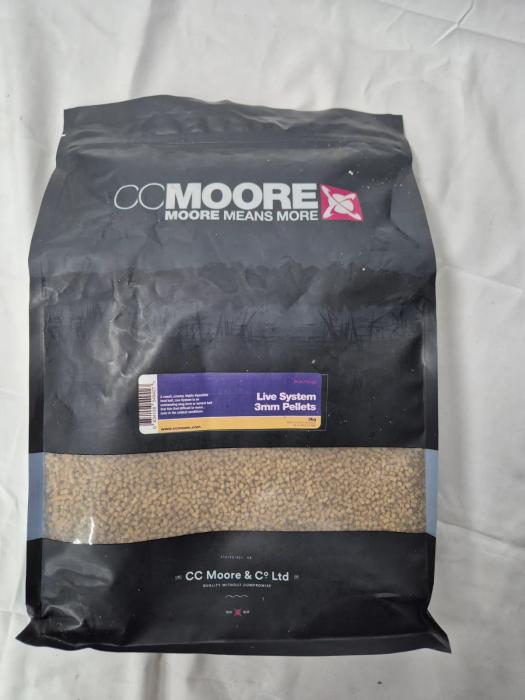
CC Moore Pellets Live System 3mm 3kg
£15.00
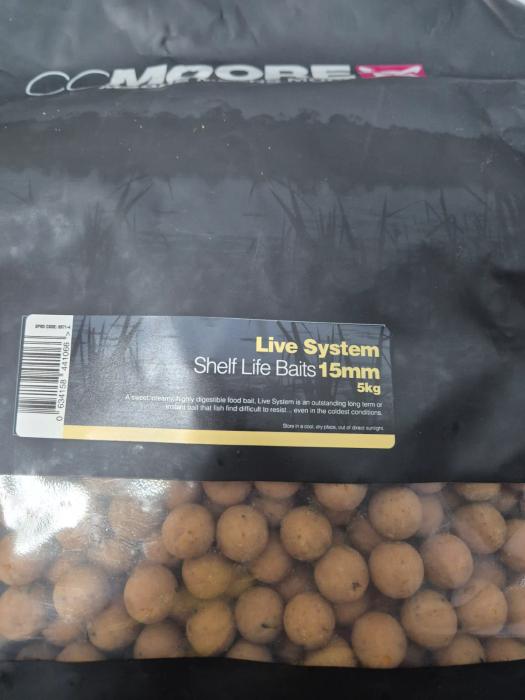
CC Moore Boilies & Dumbells Live System 5kg
£30.00
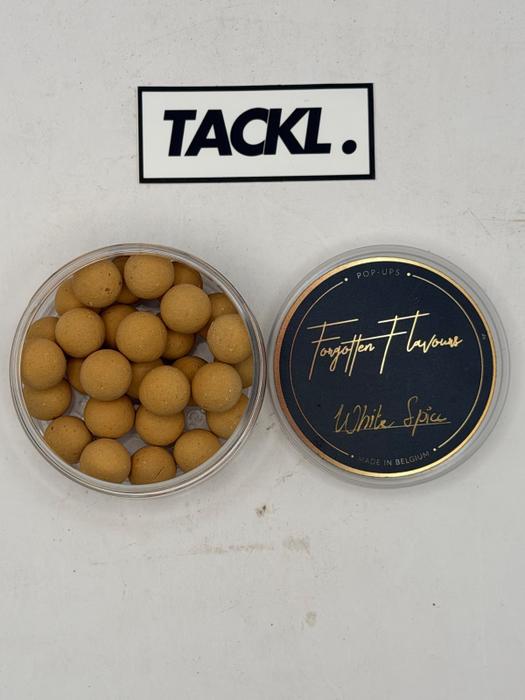
Forgotten Flavours Bait
£5.00
Common Carp guides
Common Carp fishing questions
What's the difference between a Common and a Mirror Carp?
A Common Carp has a full, uniform covering of scales, like a traditional fish. A Mirror Carp has very few, large, irregularly placed scales, giving it a 'mirrored' appearance. Genetically, they are the same species (Cyprinus carpio) and interbreed freely.
Can you eat carp in the UK?
While edible, carp are almost never eaten in the UK. The British angling culture is overwhelmingly catch-and-release for coarse fish, and carp are highly valued as sporting quarry to be returned safely to the water to be caught again.
Why do carp jump out of the water?
Carp jump for several reasons: to clean their gills, dislodge parasites, or as a sign of feeding activity or atmospheric pressure changes. It is often seen as a positive sign by anglers, indicating that fish are present and active in the area.
What is a 'hair rig'?
A hair rig is a method of presenting bait where it's not attached directly to the hook. Instead, it's threaded onto a short piece of line ('hair') extending from the hook shank. This allows the fish to suck in the bait without feeling the hook, leading to better hook-ups.
Do I need a bite alarm to catch carp?
No, but they are extremely useful for modern ledgering techniques, especially when fishing with multiple rods or overnight. For float fishing, surface fishing or stalking, where you are watching the float or line, a bite alarm is unnecessary.


