

Common Bream Fishing UK
By Tackl · Updated 10 October 2026

Abramis brama
A deep-bodied, shoaling coarse fish, widespread in the UK's slower rivers and stillwaters. Known for its bronze flanks and thick coating of slime, it is a popular target for match and pleasure anglers, with large specimens over 10lb known affectionately as 'slabs' or 'dustbin lids'.
Photo: Микова Наталия, Public domain, via Wikimedia Commons
- Typical size
- Typically 2-5lb; specimens over 10lb are considered notable catches.
- British record
- 22lb 11oz (Scott Crook, Ferry Lagoon, 2012)
- Found in
- river, lake, canal, pond, reservoir, drain, gravel pit
- Peak season
- Late spring to early autumn
How to identify a common bream
A very deep-bodied, laterally compressed fish with a distinctively high back and a small head. The mouth is underslung and protractile, adapted for bottom feeding. Colouration changes with age, from silvery-bronze in younger fish to a deep, dark bronze or grey-black in mature specimens. A key identifier is the long anal fin, which has 23-29 branched rays, distinguishing it from the smaller Silver Bream. The fins are dark grey or blackish. The entire body is covered in a thick layer of mucus, earning it the nickname 'snotty bream'. They are a shoaling species, often found in large numbers.
Where it lives
Common Bream are widespread throughout England, Wales, and lowland Scotland, favouring slow-flowing, nutrient-rich waterways. They thrive in large, mature stillwaters such as lakes, gravel pits, and reservoirs, as well as the slower reaches of lowland rivers and canal systems. They are a shoaling species that congregates in large numbers, often seeking deeper water with a soft, silty bottom where their natural food abounds. While primarily a freshwater fish, they can tolerate slightly brackish conditions. Their presence is often an indicator of a mature, productive water body, and they are less common in fast-flowing upland rivers.
What it eats and the best baits
Primarily a bottom feeder, the common bream's diet consists mainly of aquatic invertebrates found in silt and mud. It uses its protractile, underslung mouth to sift the substrate for chironomid larvae (bloodworm), caddis larvae, water snails, and small crustaceans. In many waters, tiny zebra mussels form a significant part of their diet. They will also consume zooplankton and detritus, and are attracted to the large beds of groundbait introduced by anglers, which they graze over in substantial shoals.
- Sweetcorn
- Maggots
- Casters
- Bread flake
- Worms
- Pellets
- Mini-boilies
Best time of year
- Jan – quieter
- Feb – quieter
- Mar – quieter
- Apr – quieter
- May – good
- Jun – good
- Jul – good
- Aug – good
- Sep – good
- Oct – good
- Nov – quieter
- Dec – quieter
In England and Wales, the coarse fishing close season on all rivers and streams runs from 15th March to 15th June inclusive. Most stillwaters and canals remain open year-round, but check local fishery rules.
How to catch common bream
The quintessential method for bream is feeder fishing. A cage, method, or maggot feeder is used to introduce a bed of groundbait and particles to a specific spot, drawing in the shoal. Common hookbaits include sweetcorn, pellet, or maggot combinations, often presented on a short hair rig or directly on the hook. Patience is key, as anglers wait for the fish to settle over the bait. Bites can be subtle twitches ('liners') from fish brushing the line, but a confident take is often a 'drop-back' bite, where the quivertip springs back as a fish lifts the feeder. On canals and smaller venues, pole or float fishing over a carefully fed area can be extremely effective. Fishing at dawn, dusk, and into the night often produces the best results, especially for larger specimens.
Legal notes
Anglers aged 13 or over fishing for bream in England and Wales must possess a valid Environment Agency rod licence. In Scotland, a permit is required from the relevant landowner or angling club. All anglers must adhere to national and local byelaws, including any rules on keepnet use and bait restrictions.
Rules change. Check current Environment Agency, NRW or Scottish regulations and the venue's own rules before fishing. Not professional or legal advice.
Where to catch common bream in the UK
Counties with common bream recorded on Tackl: Essex (20), Lincolnshire (10), Somerset (6), Nottinghamshire (6), Staffordshire (5), Cambridgeshire (4), Hampshire (4), Kent (4), Suffolk (4), Norfolk (4), Leicestershire (4), Bedfordshire (3), Surrey (3), Warwickshire (3), Oxfordshire (3), Worcestershire (2), West Sussex (2), Hertfordshire (2), Berkshire (2), Devon (2), East Sussex (1), Cornwall (1), Derbyshire (1), Northamptonshire (1), Gloucestershire (1), Cheshire (1), Dorset (1).
100 venues in 27 counties
Bedfordshire(3)
- Ampthill ReservoirReported
- Beckerings Park Farm ReservoirReported
- River Great OuseReported
Berkshire(2)
- Finch Farm FisheryReported
- Sandhurst LakeReported
Cambridgeshire(4)
- Bluebell LakesReported
- Float FishfarmReported
- Royston (Nash Lakes)Reported
- Sibson FisheriesReported
Cheshire(1)
- Gorsty Hall FisheriesReported
Cornwall(1)
- Amalwhidden Farm Coarse FishingReported
Derbyshire(1)
- Beehive FarmReported
Devon(2)
- Lower SladeReported
- Tinney WatersReported
Dorset(1)
- WADMILL LAKEReported
East Sussex(1)
- Alexandra ParkReported
Essex(20)
- Picks Cottage Fishing Lakes and Tackle ShopReported
- A12 LakesReported
- Alresford Pit PACReported
- Asheldham FisheryReported
- Bicknacre - Jackletts FarmReported
- Bottom lake Holyfield FisheryReported
- Brook Farm FisheryReported
- Brookhall LakeReported
- Chelmer & Blackwater Navigation CanalReported
- Foxearth FisheriesReported
- Home Farm PACReported
- Lakeland FisheryReported
- Oak Lake Oak Lakes FisheryReported
- Ramsey Brook (Wix) 1Reported
- Rayleigh & District Angling ClubReported
- St Osyth (Rectangle)Reported
- Straits MillReported
- The Warren FisheryReported
- Thoby WoodReported
- Wicks MereReported
Gloucestershire(1)
- Elton Carp LakesReported
Hampshire(4)
- Bottom Lake Headlands Farm FisheryReported
- Brockhurst MoatReported
- Gold Lake Gold Valley LakesReported
- Hordle LakesReported
Hertfordshire(2)
- Batchworth LakeReported
- Tring ReservoirsReported
Kent(4)
- Cackle Hill LakesReported
- Chequertree FisheryReported
- Hartley Lands FisheryReported
- Manor FisheriesReported
Leicestershire(4)
- Frisby Water Park (Pits)Reported
- Jakes LakesReported
- Sweethedges FarmReported
- The Lane FisheryReported
Lincolnshire(10)
- ADH FisheriesReported
- Alvingham LakesReported
- Caistor Fishing Lakes and Caravan siteReported
- Froghall Fisheries & LodgesReported
- Grooby's PitReported
- Lily Langdale LakesReported
- North View LakesReported
- Rossways Lakes & LodgesReported
- Stubton PondsReported
- Tetford Country CottagesReported
Norfolk(4)
- Felthorpe LakesReported
- Shallowbrook LakesReported
- Swangey LakesReported
- Wensum Fisheries, Costessey NorfolkReported
Northamptonshire(1)
- Drayton ReservoirReported
Nottinghamshire(6)
- Grace Sapphire LakesReported
- Janson FisheryReported
- Langold LakeReported
- Newlands Ponds FisheryReported
- River TrentReported
- Woodsetts Quarry PondReported
Oxfordshire(3)
- Horseshoe Lake - Carp SocietyReported
- Linear FisheriesReported
- Upper Farm FisheryReported
Somerset(6)
- Century PondsReported
- Higher Farm FisheryReported
- Maunsel PondsReported
- River AvonReported
- South DrainReported
- The SedgesReported
Staffordshire(5)
- Coppice Lane FisheryReported
- Cudmore FisheriesReported
- Dilhorne Hall PoolsReported
- Hamstall FisheryReported
- Himley Island PoolReported
Suffolk(4)
- Colston Hall FisheryReported
- Creeting LakesReported
- Kirton Hall LakeReported
- Reydon No.1 PitReported
Surrey(3)
- BusbridgeReported
- Elphicks FisheriesReported
- Newdigate Farms LtdReported
Warwickshire(3)
- Butlers Hill FarmReported
- Packington SomersReported
- Packington Somers FisheryReported
West Sussex(2)
- Ardingly ReservoirReported
- Petworth ParkReported
Worcestershire(2)
- Alvechurch FisheriesReported
- River SevernReported
Tackle for common bream
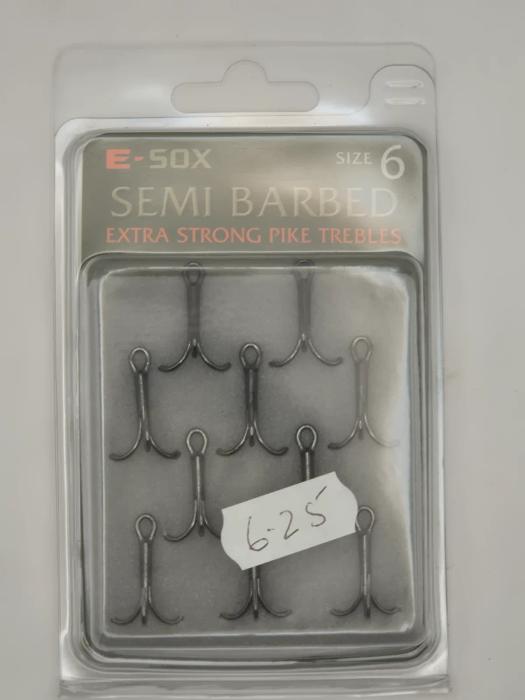
E-sox Hooks Treble semi barbbed extra long
£5.50
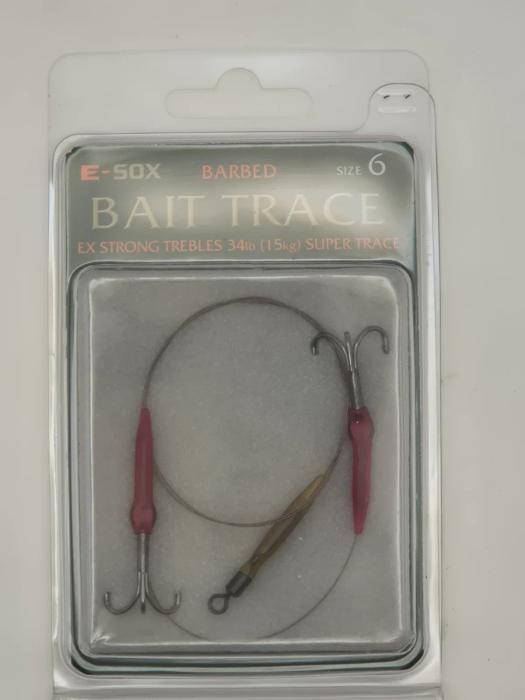
E-sox Hooks Treble bait trace
£2.75
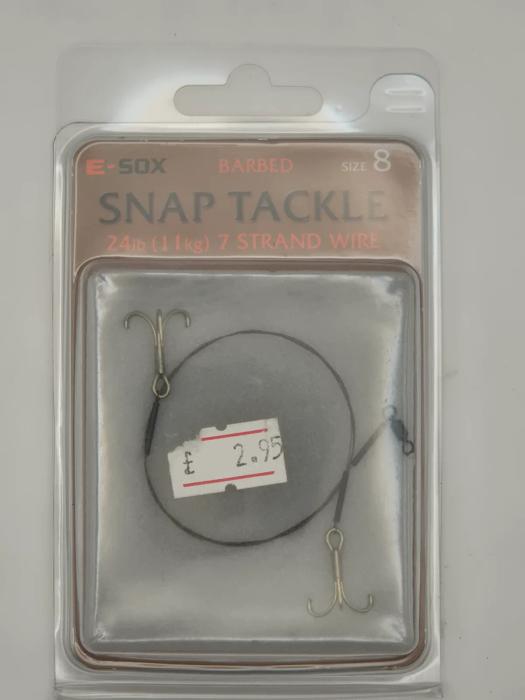
E-sox Hooks Treble 8 & 6
£2.25
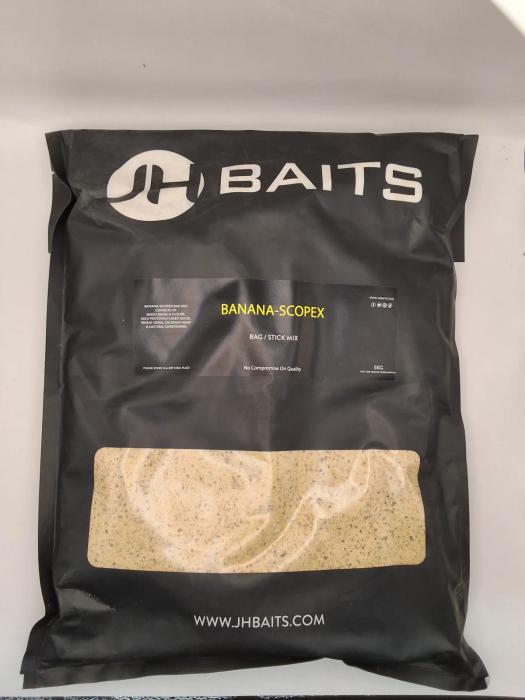
JH Baits Stick mix Banana scorpex 5kg
£19.00
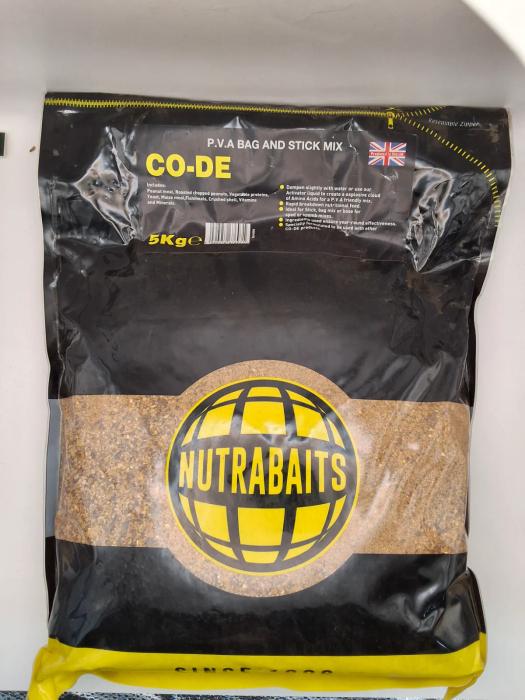
NUTRABAITS co-de Groundbait 5kg
£19.00
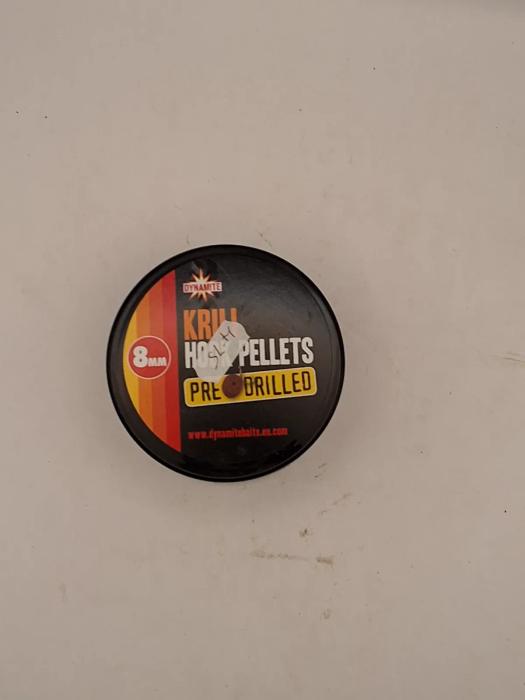
Dynamite hook pellets 8mm
£3.75

Dynamite Baits Paste Tiger Nut
£4.00
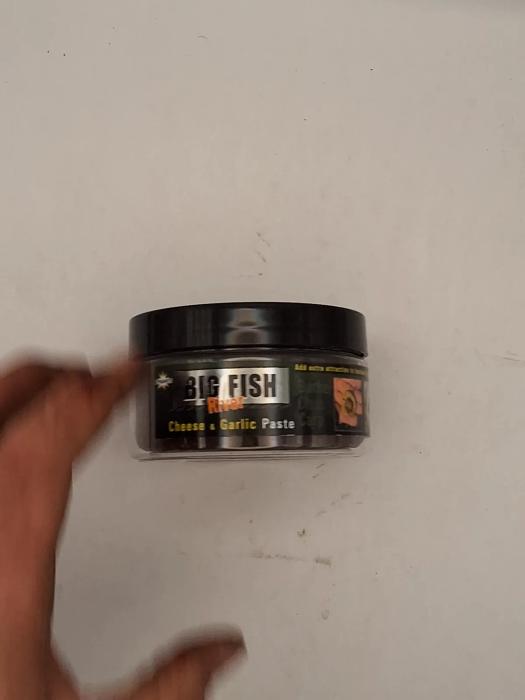
BIG FISH Paste Cheese & Garlic
£3.75
Common Bream guides
- Method Feeder Fishing for Carp
- Pellets and Groundbait for Carp
- Coarse Fishing Close Season: When and Where You Can Fish in England & Wales
- Fish Catch and Size Limits in England & Wales: What You Can Keep
- Fishing Conditions Explained: How Weather Affects Fish
- Fishing Tackle Rules in England & Wales: Rods, Bait, Lead and Nets
Common Bream fishing questions
How can I tell a common bream from a silver bream?
Common bream are typically bronze or dark-bodied with dark fins, whereas silver bream are much brighter and more silvery. The definitive way to tell is to count the rays in the anal fin: a common bream has 23-29, while a silver bream has 19-23.
What is a 'drop-back' bite?
A classic bream bite when feeder fishing. It occurs when a fish picks up the hookbait and moves upwards, lifting the weight of the feeder. This slackens the line, causing the tensed quivertip to spring back towards its resting position, providing a clear indication of a take.
Why is bream fishing best at dawn and dusk?
Bream, especially larger specimens, often feed more confidently in lower light conditions. As shoals move onto feeding spots at dawn and dusk, or throughout the night, anglers have a much higher chance of consistent action than during bright, midday periods.
What are 'liners' when bream fishing?
Liners are false indications on the rod tip caused by fish from the shoal swimming into the fishing line as they move over the baited area. They appear as small plucks and twitches, distinct from the more positive pull or drop-back of a proper bite.
What is the best groundbait mix for bream?
A sweet, fishmeal-based groundbait is a classic choice. Mixes containing crushed pellets, hemp, and added sweetcorn or dead maggots work very well. The key is to create a carpet of bait on the bottom that holds the shoal without over-feeding them.


