

Silver Bream Fishing UK
By Tackl · Updated 10 October 2026

Blicca bjoerkna
Often confused with young Common Bream ('skimmers'), the Silver Bream is a distinct, smaller species. A true shoal fish, they inhabit slow rivers, canals, and stillwaters. A fish over 1lb is a notable specimen, with most being just a few ounces. Their presence often indicates a healthy, diverse fishery.
Photo: Lorenz Seebauer, CC BY-SA 4.0, via Wikimedia Commons
- Typical size
- 4-12oz, specimen 1lb+
- British record
- 3lb 4oz (Mark Cronk, Millwall Dock, 2012)
- Found in
- river, lake, canal, pond, reservoir, drain, gravel pit
- Peak season
- Summer and Autumn
How to identify a silver bream
Distinguishing Silver Bream from small Common Bream (skimmers) is key. The Silver Bream has a noticeably larger eye relative to its head size and a shorter snout. Its flanks are bright silver, whereas skimmers are often more bronze or olive-toned. A crucial identifier is the reddish tint on the pectoral and pelvic fins, which are grey or dark in Common Bream. Scale counts also differ; Silver Bream have 44-48 scales along the lateral line, compared to 51-60 for Common Bream. They are also significantly less slimy to the touch than their larger cousins. Hybrids with Roach and Common Bream are common and can be very confusing.
Where it lives
Silver Bream thrive in slow-moving or still, nutrient-rich lowland waters across the UK, though they are more common in England than in Wales or Scotland. They are particularly abundant in the canal networks and slow-flowing rivers of the Midlands and East Anglia, such as the Fenland drains and the River Trent system. They prefer silty or muddy bottoms where they can forage for invertebrates. Large shoals congregate in deeper, calmer areas, often alongside Common Bream and Roach. In winter, they group together in the deepest, most sheltered parts of a venue, such as marina basins on canals or deeper pools on rivers.
What it eats and the best baits
Primarily a bottom feeder, the Silver Bream's diet consists of small invertebrates, crustaceans, zooplankton, and aquatic insect larvae such as chironomids (bloodworm). They will also consume algae and plant detritus. When competing in a shoal, they will rise in the water column to intercept falling bait. They use their small, slightly protractile mouth to sift through silt and pick off food items. Their diet makes them susceptible to fine particle baits and groundbait presented on the bottom.
- maggot
- pinkie
- squatt
- caster
- bread punch
- bloodworm
- joker
- small worm
Best time of year
- Jan – quieter
- Feb – quieter
- Mar – quieter
- Apr – quieter
- May – good
- Jun – good
- Jul – good
- Aug – good
- Sep – good
- Oct – good
- Nov – quieter
- Dec – quieter
In England and Wales, the coarse fishing close season on rivers and streams runs from 15th March to 15th June inclusive. Most stillwaters and canals remain open year-round, but always check local fishery rules.
How to catch silver bream
Pole and whip fishing are the most effective methods for catching Silver Bream. Use fine lines (e.g., 0.10mm hooklink), small hooks (size 20-24), and sensitive, lightweight floats. Accuracy is vital; plumb the depth carefully and feed a small, steady stream of loose offerings like pinkies, squatts, or punched bread directly over your float. Bites are often fast, darting affairs. On wider venues or rivers, a light feeder or bomb rod with a sensitive quivertip is a good alternative. Use a cage feeder with a fine, dark groundbait mix and a short hooklink. The key is to create a small patch of bait on the bottom and fish directly over it. Constant, small-scale feeding is better than piling in bait, as it keeps the shoal competing.
Legal notes
All anglers aged 13 or over fishing in England and Wales must possess a valid Environment Agency rod licence. In Scotland, there is no national licence, but written permission is required from the landowner or angling club. All anglers must comply with national and local byelaws, including those pertaining to lead weights and fish removal.
Rules change. Check current Environment Agency, NRW or Scottish regulations and the venue's own rules before fishing. Not professional or legal advice.
Where to catch silver bream in the UK
We don't have venues confirmed for silver bream yet. Browse all venues.
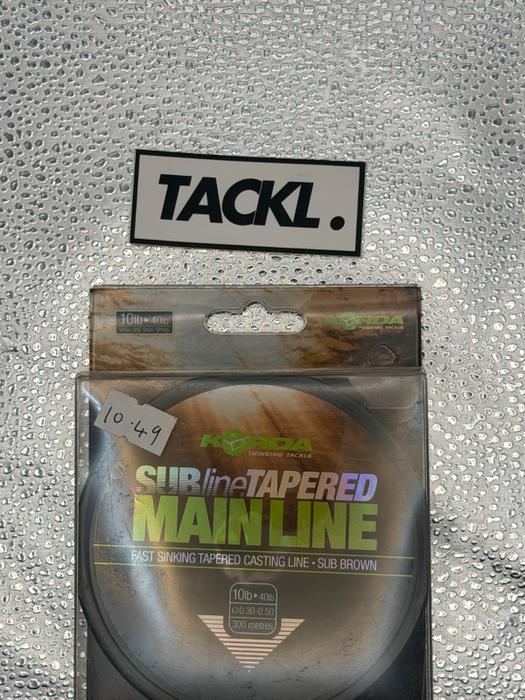
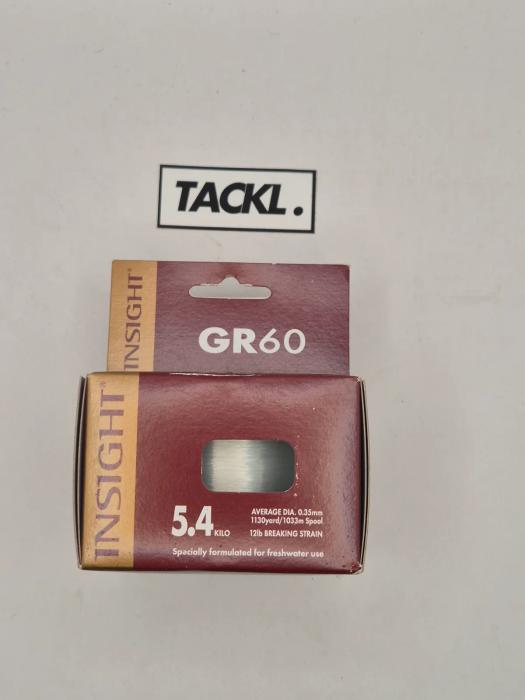
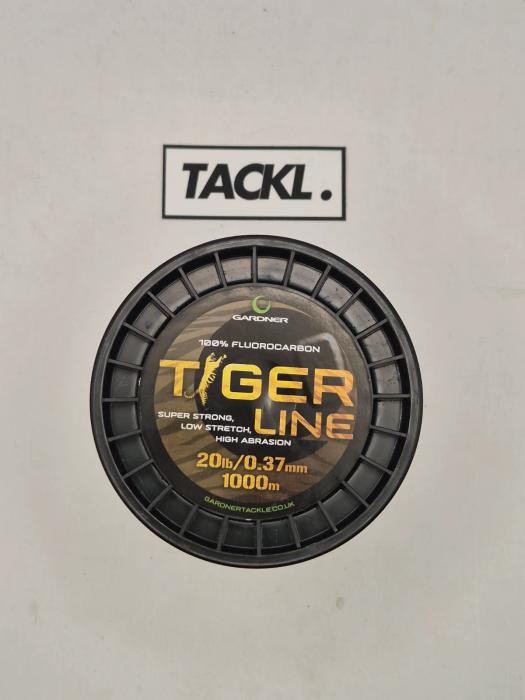
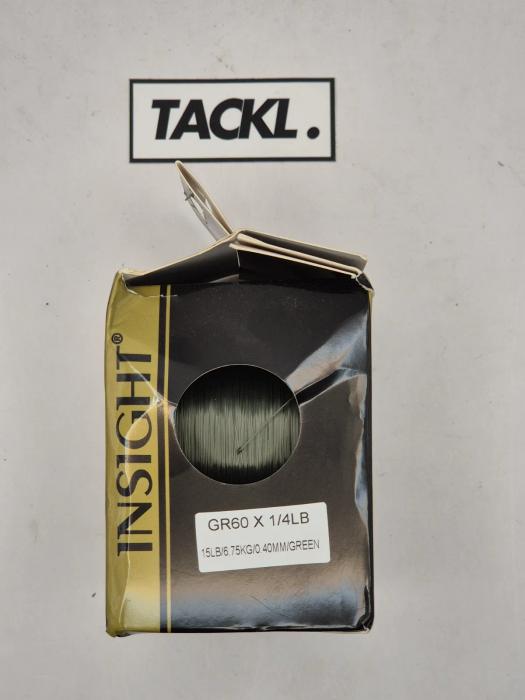
Tackle for silver bream
Silver Bream guides
- Coarse Fishing Close Season: When and Where You Can Fish in England & Wales
- Fish Catch and Size Limits in England & Wales: What You Can Keep
- Fishing Conditions Explained: How Weather Affects Fish
- Fishing Tackle Rules in England & Wales: Rods, Bait, Lead and Nets
- How to Tie a Knotless Knot: A Step-by-Step Carp Fishing Guide
- Rod Fishing Licence UK: Prices, Types, Rod Limits and How to Buy (2026)
Silver Bream fishing questions
What is the difference between a Silver Bream and a Skimmer?
A Silver Bream has a much larger eye relative to its head, a brighter silver colour, and reddish pectoral and pelvic fins. A 'skimmer' is just a juvenile Common Bream, which has smaller eyes, a more bronze hue, dark fins, and is much slimier to the touch.
What is a specimen Silver Bream in the UK?
Due to their small average size, a Silver Bream weighing 1lb or more is widely considered a specimen fish by UK anglers. A fish exceeding 2lb is an exceptional, lifetime achievement catch, with the British record standing at just over 3lb.
Do Silver Bream hybridise?
Yes, they frequently hybridise with both Common Bream and Roach. This can make positive identification extremely difficult, as the resulting fish will display a mixture of characteristics from both parent species. Roach-bream hybrids are particularly common on many commercial fisheries and canals where all three species coexist.
Where are Silver Bream most common in the UK?
They are most prevalent in the lowland river systems and canals of the Midlands and eastern England, such as the Fenland drains and rivers like the Trent and Great Ouse. While they exist elsewhere, their distribution is more localised than the ubiquitous Common Bream.
What is the best way to target Silver Bream?
Pole or whip fishing with fine tackle is ideal. Use a small hook (size 20-22) with a single maggot or pinkie, feeding little and often to draw a shoal into your swim. Bites are usually very fast, so concentration and a sensitive float setup are essential for success.


