

Ide Fishing UK
By Tackl · Updated 10 October 2026

Leuciscus idus
A hard-fighting cyprinid from the chub family, the Ide is a non-native species found in many UK commercial fisheries and some rivers. Known for its willingness to feed at all levels in the water column, it provides excellent sport on float, feeder, and even fly tackle, especially during warmer months.
Photo: Viridiflavus, CC BY-SA 3.0, via Wikimedia Commons
- Typical size
- 1-4lb, specimens over 5lb are a prize.
- British record
- 8lb 5oz (2000, River Great Ouse)
- Found in
- river, lake, canal, pond, reservoir, gravel pit, drain
- Peak season
- Late Spring to early Autumn
How to identify a ide
Often confused with chub or large roach, the Ide has a more streamlined, laterally compressed, and deeper body than a chub. Its scales are noticeably smaller than a chub's but larger than a roach's. Key features include an upturned mouth that is smaller than a chub's, prominent yellow/gold irises, and distinctly reddish-orange pelvic and anal fins. The dorsal fin is dark grey, and the tail fin is concave. The golden variety, known as Orfe, is unmistakable due to its bright orange colouration, but the wild 'silver' form requires closer inspection to differentiate from similar species.
Where it lives
The Ide is not native to the UK, having been introduced from mainland Europe. It is most commonly encountered in well-managed commercial stillwaters, gravel pits, and reservoirs where it has been intentionally stocked. However, self-sustaining, naturalised populations now exist in several slow-to-medium paced river systems, notably the River Great Ouse, the Trent, the Thames, and associated fenland drains. They prefer clean, well-oxygenated water and will form shoals, often feeding near the surface or in mid-water during settled weather, seeking cover near weed beds or overhanging trees.
What it eats and the best baits
Ide are omnivorous, with a diet that adapts to their size and habitat. Younger fish primarily consume zooplankton, insect larvae (chironomids, caddisflies), and small crustaceans. As they grow, their diet expands to include terrestrial insects taken from the surface, snails, and aquatic vegetation. Larger, specimen-sized Ide become increasingly predatory, actively hunting small fish like roach and bleak fry. They are noted for their willingness to feed on the surface.
- Maggots
- Casters
- Sweetcorn
- Pellets
- Bread
- Worms
- Small spinners
- Dry flies
Best time of year
- Jan – quieter
- Feb – quieter
- Mar – quieter
- Apr – good
- May – good
- Jun – good
- Jul – good
- Aug – good
- Sep – good
- Oct – good
- Nov – quieter
- Dec – quieter
In England and Wales, the statutory coarse fish close season applies to all rivers, meaning fishing for Ide is prohibited from 15th March to 15th June inclusive. Most stillwaters and canals remain open year-round, but local rules should always be checked.
How to catch ide
Float fishing is the classic method for Ide. A waggler float fished with loose-fed maggots, casters, or pellets can be deadly, setting the float to fish through the upper layers or just off the bottom. Pole fishing offers supreme presentation for delivering baits like corn, bread punch, or worms with precision. For targeting bigger fish or fishing at range, the Method or cage feeder is highly effective, using a fishmeal groundbait and a soft pellet on the hook. In summer, they respond very well to surface tactics. Stalking with floating bread flake, a controller float, or even a dry fly can provide thrilling, visual sport.
Legal notes
An Environment Agency rod licence is a legal requirement for all anglers aged 13 or over fishing for Ide in England and Wales. In Scotland, there is no national rod licence, but a permit from the local fishery owner or angling club is usually required. As a non-native species in the UK, it is illegal to introduce Ide into any water without the appropriate consent from the Environment Agency or equivalent body.
Rules change. Check current Environment Agency, NRW or Scottish regulations and the venue's own rules before fishing. Not professional or legal advice.
Where to catch ide in the UK
Counties with ide recorded on Tackl: Lincolnshire (2), Worcestershire (1), Bedfordshire (1), Norfolk (1), Staffordshire (1), Cambridgeshire (1), Nottinghamshire (1), Warwickshire (1), South Yorkshire (1).
10 venues in 9 counties
Bedfordshire(1)
- Beckerings Park Farm ReservoirReported
Cambridgeshire(1)
- Float FishfarmReported
Norfolk(1)
- Cobbleacre Park LakesReported
Nottinghamshire(1)
- Janson FisheryReported
South Yorkshire(1)
- Willow Garth FisheryReported
Staffordshire(1)
- Cudmore FisheriesReported
Warwickshire(1)
- Packington Somers FisheryReported
Worcestershire(1)
- Alvechurch FisheriesReported
Tackle for ide
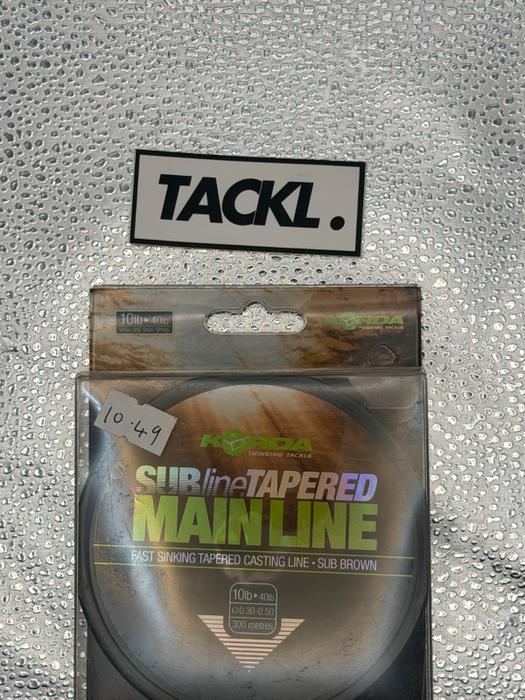
Korda Subline Tapered mainline
£8.00
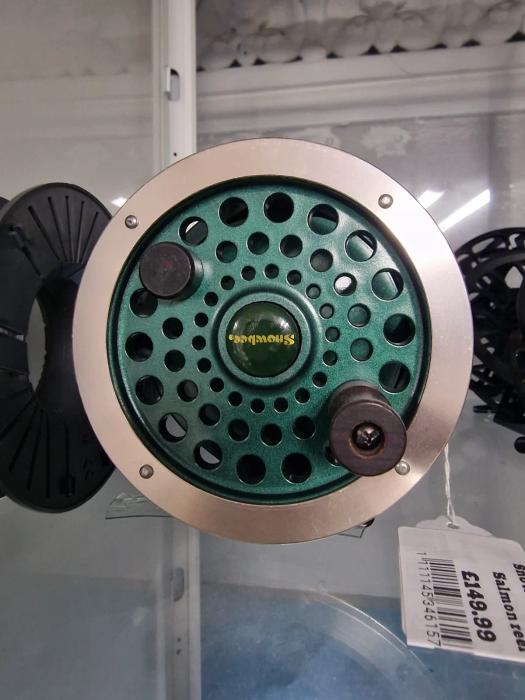
Snowbee Fly Fishing Reel
£149.99
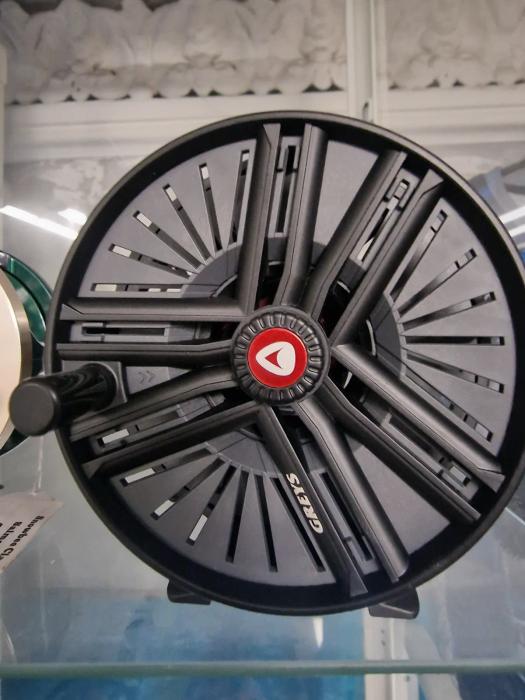
Fishing Reel Greys fin Cassette salmon
£59.99
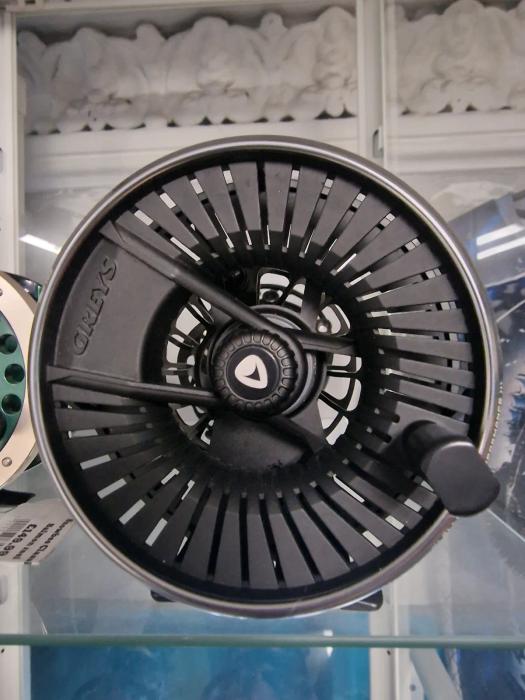
Greys Fly Reel Fishing Reel
£59.99
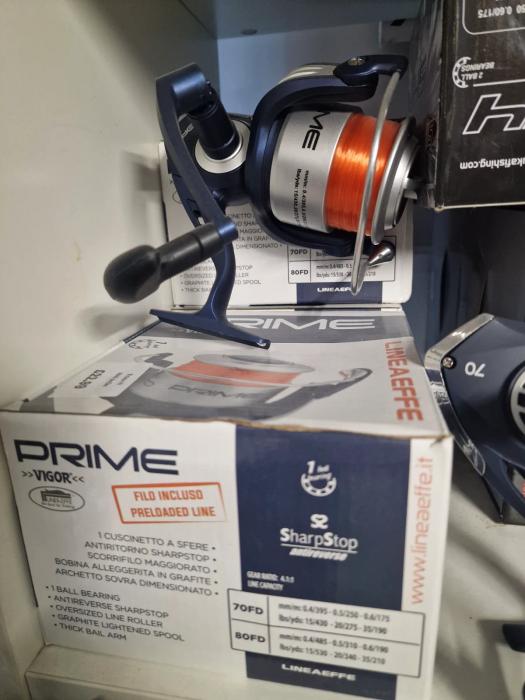
Lineaeffe Spinning 7000 Fishing Reel
£19.99
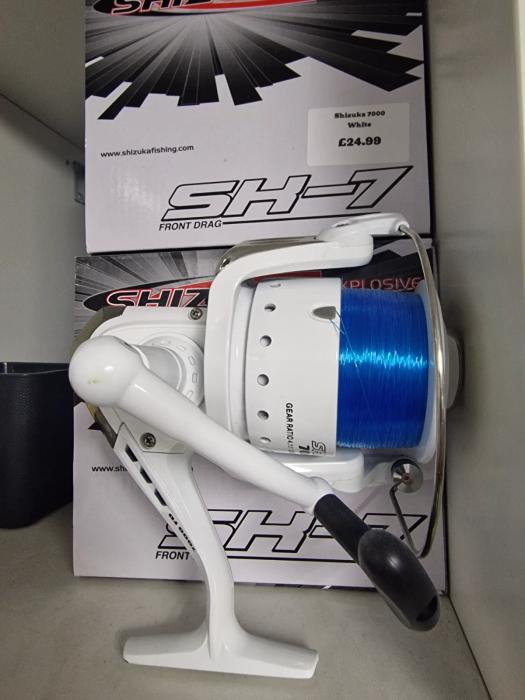
Shizuka Big Pit 7000 Fishing Reel
£23.99
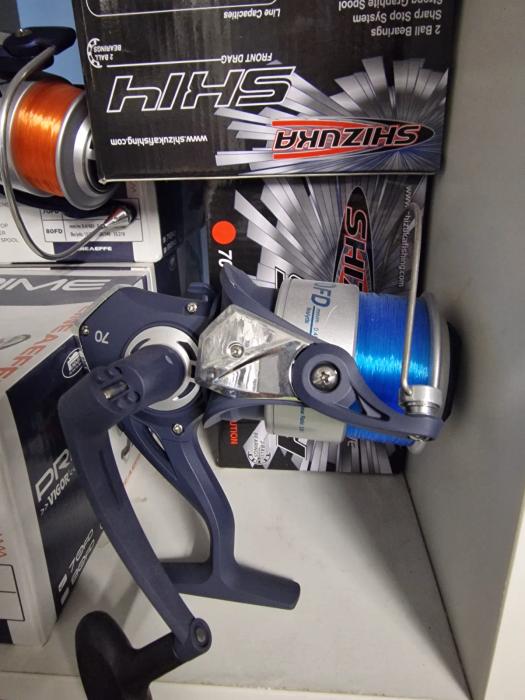
Shizuka Spinning 7000 Fishing Reel
£21.99
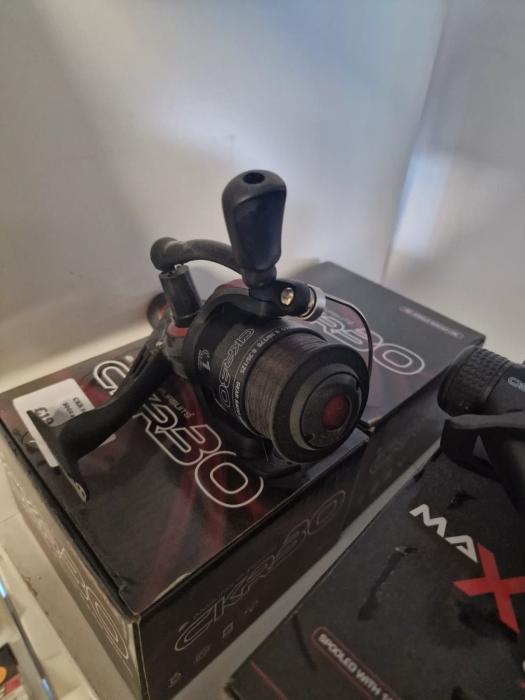
Angling Pursuits Rear Drag 3000 Fishing Reel
£19.99
Ide guides
- Coarse Fishing Close Season: When and Where You Can Fish in England & Wales
- Fish Catch and Size Limits in England & Wales: What You Can Keep
- Fishing Conditions Explained: How Weather Affects Fish
- Fishing Tackle Rules in England & Wales: Rods, Bait, Lead and Nets
- How to Tie a Knotless Knot: A Step-by-Step Carp Fishing Guide
- Rod Fishing Licence UK: Prices, Types, Rod Limits and How to Buy (2026)
Ide fishing questions
What is the difference between an Ide and an Orfe?
Orfe is the common name for the golden ornamental variety of the Ide (Leuciscus idus). Genetically, they are the same species, but selectively bred for their bright orange-gold colouration for ornamental ponds and fisheries. Wild Ide are silver.
Do Ide fight well?
Yes, Ide are renowned for their spirited fight, especially on balanced tackle. They are fast, active fish that use their broad flanks in the current or open water, providing excellent sport for their size and often punching above their weight.
Where are the best places to catch Ide in the UK?
Many commercial fisheries stock them. For river fishing, stretches of the Great Ouse, River Trent, and River Thames are known to hold good populations of ide, including specimen-sized fish that have established breeding populations in the wild.
Can you eat Ide?
While technically edible, Ide are not considered a good eating fish in the UK. They are very bony, like many cyprinids, and are almost exclusively caught for sport and returned to the water carefully.
What is the best bait for big Ide?
Larger Ide can become predatory, so small spinners or even flies can be effective. For bait fishing, larger baits like bunches of maggots, a chunk of luncheon meat, or an 8mm pellet on a feeder rig will help select the bigger fish.


