

Dace Fishing UK
By Tackl · Updated 10 October 2026

Leuciscus leuciscus
A small, shoaling, silver member of the carp family, beloved by UK river anglers for its fast bites and willingness to feed in cold weather. Dace are streamlined fish, often found in clean, flowing water, providing excellent sport on light float fishing tackle, especially during the winter months.
Photo: Alexander Suvorov, Public domain, via Wikimedia Commons
- Typical size
- 2-6oz; a fish over 8oz is good, 1lb+ is a specimen.
- British record
- 1lb 5oz 2dr (2002, S. Ashton, River Wear)
- Found in
- river, canal, gravel pit
- Peak season
- Autumn and Winter
How to identify a dace
Dace are streamlined and silvery, often confused with small chub or roach. The key identifier is the anal fin, which is distinctly concave (curved inwards). In contrast, a roach's is straight or slightly convex, and a chub's is very convex (rounded outwards). Dace also have a smaller, more pointed head and mouth than a chub. Their pelvic and anal fins have a yellowish-brown to pale orange tint, less vibrant than a roach's red fins. Their scales are relatively small and the overall body shape is more slender and torpedo-like than that of a roach. The lateral line has between 47 and 53 scales.
Where it lives
Dace thrive in clean, well-oxygenated rivers with a moderate to fast flow. They are typically found in the middle and lower reaches, preferring gravel or sandy bottoms. Look for them in shoals in steady glides, on the crease between fast and slack water, and in the turbulent water below weirs and riffles. While being a quintessential river species, they have colonised some river-connected canals and large, clear gravel pits where there is significant water movement or flow from an inlet. They tend to avoid slow, silty, or poorly oxygenated stillwaters and are a good indicator of high water quality. In winter, they often move into deeper, steadier pools.
What it eats and the best baits
Dace are omnivorous but primarily feed on invertebrates. Their diet consists mainly of aquatic insect larvae such as caddis, mayfly, and stonefly nymphs, as well as freshwater shrimps and small snails. They are known to rise freely to take surface insects like emerging sedges and up-wing flies, particularly during warmer months. In winter, they will scavenge for any available food items, including bread and maggots introduced by anglers. They forage both mid-water and on the riverbed, using their keen eyesight to find food.
- Maggots
- Casters
- Bread punch
- Bread flake
- Small worms
- Sweetcorn
Best time of year
- Jan – good
- Feb – good
- Mar – good
- Apr – quieter
- May – quieter
- Jun – good
- Jul – good
- Aug – good
- Sep – good
- Oct – good
- Nov – good
- Dec – good
A statutory close season for coarse fishing on all rivers in England and Wales runs from 15th March to 15th June inclusive. This applies to dace. Rules may differ on canals and stillwaters, and in Scotland.
How to catch dace
The classic method for dace is trotting a stick float. This involves running a float rig with a bait, typically single or double maggot or bread punch, through a swim at the speed of the current. A centrepin reel excels for this, allowing perfect control. Light lines (e.g., 3lb mainline, 2lb hooklength) and small hooks (18-22) are vital for their fast bites and good presentation. A light feeder rig, using a small cage feeder with groundbait and maggots, can also be effective, especially at range or in faster flows. In summer, they provide great sport on fly fishing tackle. A light rod (2-4wt) with small dry flies like Black Gnats or wet flies like spiders can be deadly when dace are seen rising to take natural insects from the surface. Bites are exceptionally fast, so concentration is key.
Legal notes
All anglers aged 13 or over fishing for dace in England and Wales must possess a valid Environment Agency rod licence. In Scotland, a national licence is not required, but permission to fish must be obtained from the relevant landowner or angling club. Always check local fishery byelaws and rules before fishing.
Rules change. Check current Environment Agency, NRW or Scottish regulations and the venue's own rules before fishing. Not professional or legal advice.
Where to catch dace in the UK
Counties with dace recorded on Tackl: Staffordshire (1), Bedfordshire (1), Herefordshire (1), Somerset (1), Norfolk (1).
5 venues in 5 counties
Bedfordshire(1)
- Radwell ComplexReported
Herefordshire(1)
- River WyeReported
Norfolk(1)
- Taverham Mills FisheryReported
Somerset(1)
- Rode Hill FisheryReported
Staffordshire(1)
- Hamstall FisheryReported
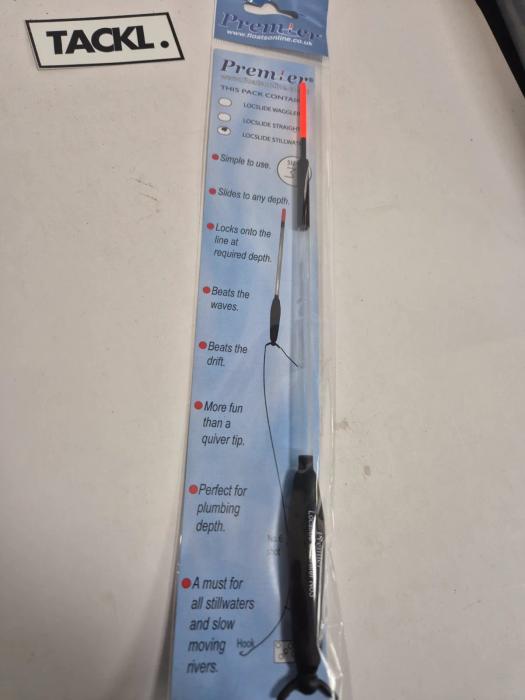
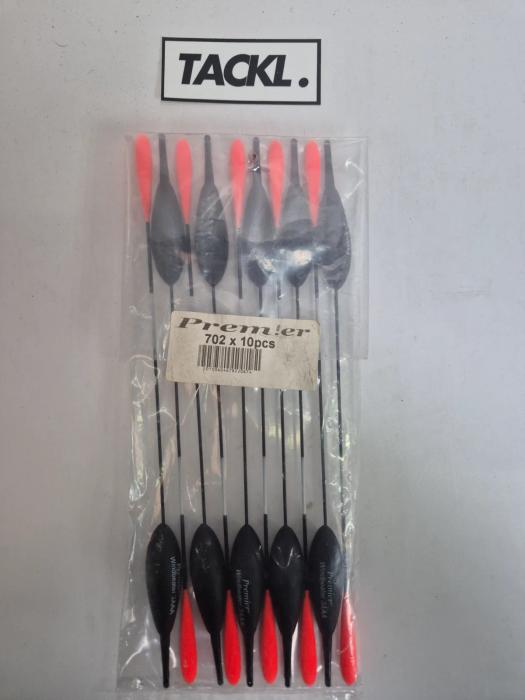
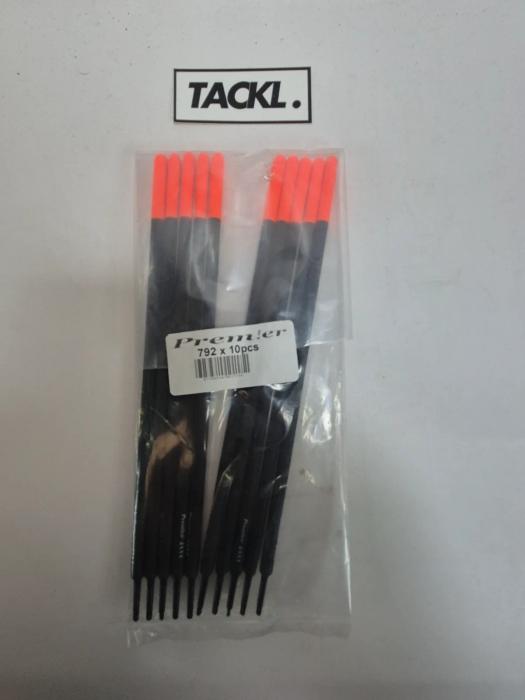
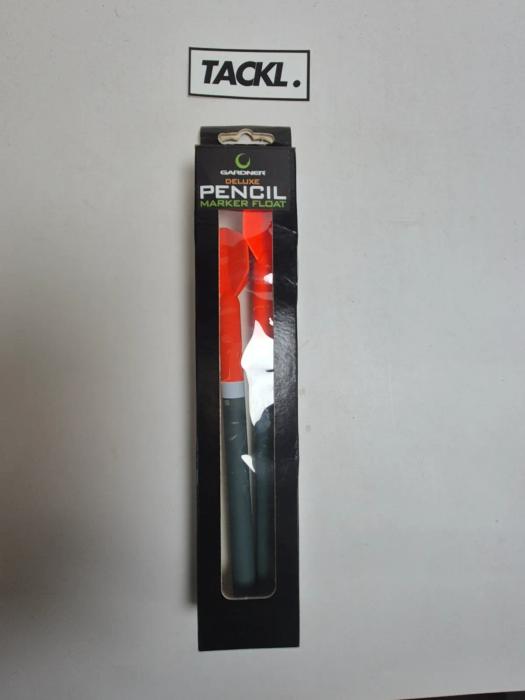
Tackle for dace
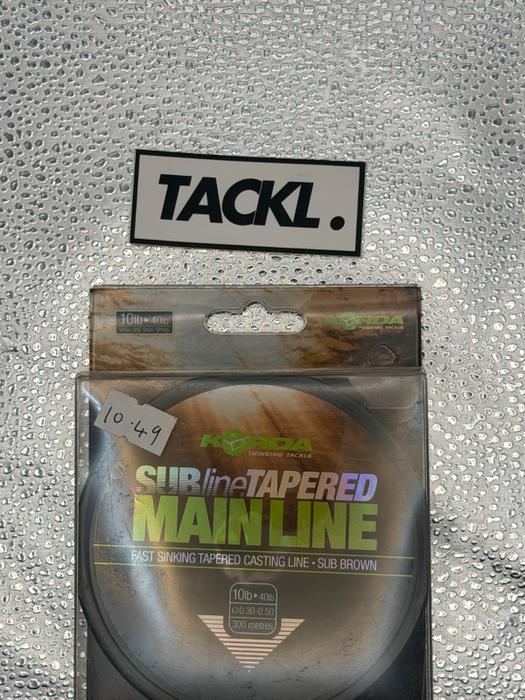
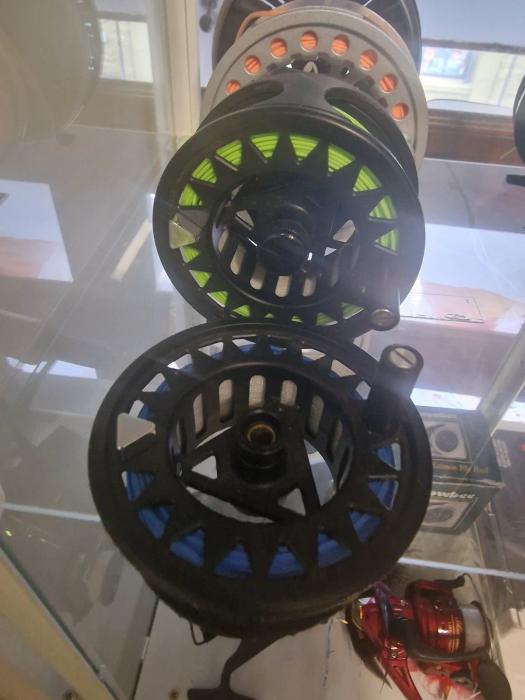
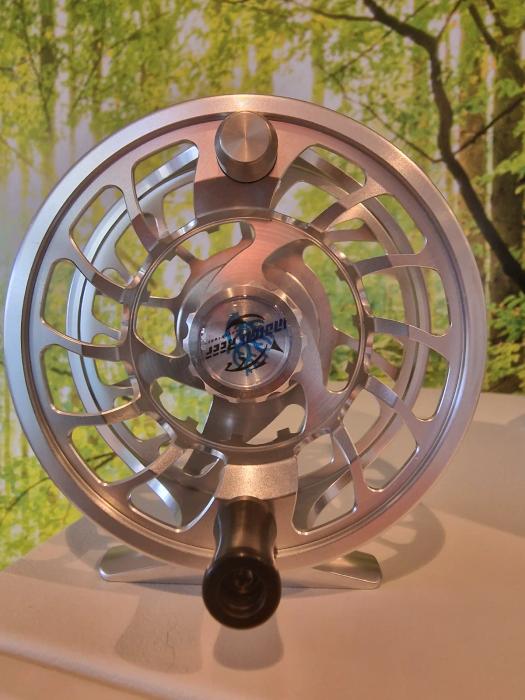
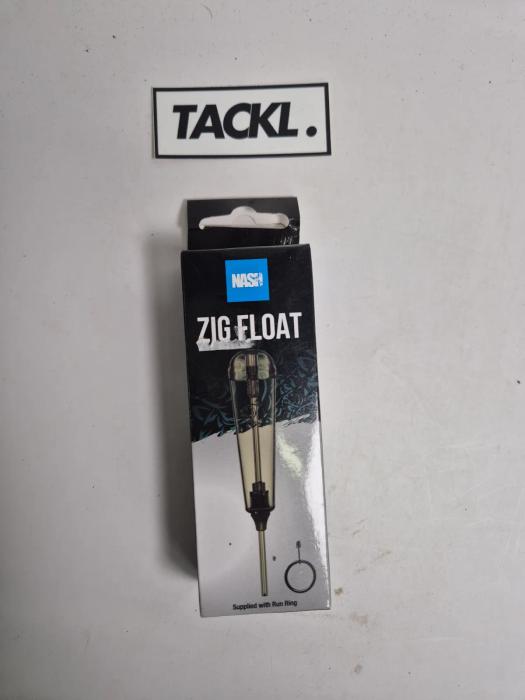
Dace guides
- Coarse Fishing Close Season: When and Where You Can Fish in England & Wales
- Fish Catch and Size Limits in England & Wales: What You Can Keep
- Fishing Conditions Explained: How Weather Affects Fish
- Fishing Tackle Rules in England & Wales: Rods, Bait, Lead and Nets
- How to Tie a Knotless Knot: A Step-by-Step Carp Fishing Guide
- Rod Fishing Licence UK: Prices, Types, Rod Limits and How to Buy (2026)
Dace fishing questions
How can I tell a dace from a small chub?
Look at the anal fin (the one nearest the tail on the underside). A dace's anal fin is concave (curves inwards), whereas a chub's is convex (curves outwards). Dace also have a much smaller mouth and a more pointed, slender head than a chub of a similar size.
What is the best rig for dace fishing?
A stick float rig is perfect. Use 3lb mainline to a sensitive float with 'shirt button' style shotting, a 2lb hooklength, and a size 18 or 20 hook baited with a single maggot. This allows you to trot the bait naturally through the swim to induce a bite.
Where do dace live in a river?
Dace form shoals in clean, flowing water over gravel or sand. Prime spots are steady glides, the crease line between fast and slow currents, and the tail end of pools. They are a good indicator species for a healthy river ecosystem.
Are dace good to eat?
Dace are generally not considered a food fish in the UK. They are small, very bony, and have little culinary value. The vast majority of anglers practice catch and release for dace and other coarse fish to conserve stocks for future sport.
What is considered a specimen-sized dace?
A dace weighing 1lb or more is a true specimen and the target for specialist anglers. However, given their typical size, any fish over 8oz is considered an excellent catch, and a dace of 12oz is a fantastic achievement on most UK rivers.


