

Bleak Fishing UK
By Tackl · Updated 10 October 2026

Alburnus alburnus
A small, intensely silvery cyprinid found in large shoals. The bleak is a surface-dwelling fish, common in many UK rivers and canals, prized by match anglers for its willingness to feed and ability to build large weights quickly. It is a key part of the river ecosystem.
Photo: Piet Spaans, CC BY-SA 2.5, via Wikimedia Commons
- Typical size
- 1-2oz; a fish over 3oz is a specimen.
- British record
- 4oz 0dr (D. Flack, River Lark, 2000)
- Found in
- river, canal, lake, gravel pit, reservoir
- Peak season
- Late spring to early autumn
How to identify a bleak
The bleak is a slim, streamlined fish with a brilliant silvery sheen and a distinctively upturned mouth adapted for surface feeding. Its scales are relatively large for its size and detach very easily, often sticking to an angler's hands. The anal fin is long, with 18-23 branched rays, which helps distinguish it from small dace or chub. Dace have a more terminal mouth and a shorter anal fin (10-13 rays). Small roach and rudd are deeper-bodied. The overall impression is of a delicate, sharply-pointed, and intensely silver fish, rarely exceeding 15cm in length. Their shoaling behaviour near the surface is also a strong indicator.
Where it lives
Bleak are predominantly found in the middle and lower reaches of slow-to-medium paced rivers and in canals across England and Wales; they are largely absent from Scotland. They form vast, dense shoals that occupy the upper layers of the water, often visible from the bank. They thrive in open water but will congregate around structures that offer a supply of food, such as weirs, lock gates, bridges, and overhanging trees that drop insects. While tolerant of moderate pollution levels, their presence in large numbers is generally indicative of a healthy aquatic environment with plenty of insect life and plankton.
What it eats and the best baits
Bleak are primarily surface feeders with a diet consisting of terrestrial insects such as flies and ants that fall onto the water, as well as aquatic fly larvae and pupae emerging through the water column. They also consume vast quantities of zooplankton. Anglers can often see them dimpling the surface as they intercept food. They will readily take small particles of bait, and their competitive nature within the shoal means they must feed quickly and aggressively to compete for available food items.
- Maggot
- Pinkie
- Squatt
- Caster
- Bread punch
- Small worm piece
Best time of year
- Jan – quieter
- Feb – quieter
- Mar – quieter
- Apr – quieter
- May – good
- Jun – good
- Jul – good
- Aug – good
- Sep – good
- Oct – good
- Nov – quieter
- Dec – quieter
In England and Wales, the traditional coarse fish close season applies to all rivers, streams, and drains, running from 15th March to 15th June inclusive. Most stillwaters and canals remain open year-round, but check local rules.
How to catch bleak
Bleak are a mainstay of match angling, where speed fishing is key. The most effective method is using a short pole or a long whip, typically between 3 and 7 metres. Rigs must be light and delicate: a fine-tipped, small-bodied float taking just a few small shot, a mainline of 2-3lb breaking strain, and a fine hooklength of around 1lb (0.08mm) to a tiny hook (size 22-26). The key is to fish shallow, often just 1-2 feet deep, right where the shoal is feeding. Constant, light loose-feeding with pinkies or groundbait cloud is essential to draw the shoal in and keep them competing. Bites are incredibly fast, often just a dip of the float, requiring immediate and swift reactions to connect.
Legal notes
A valid Environment Agency rod licence is required for all freshwater fishing in England and Wales for anglers aged 13 or over. Scotland does not require a national licence, but written permission from the landowner or angling club is necessary. Always check local and national byelaws, particularly concerning the use and movement of livebait.
Rules change. Check current Environment Agency, NRW or Scottish regulations and the venue's own rules before fishing. Not professional or legal advice.
Where to catch bleak in the UK
We don't have venues confirmed for bleak yet. Browse all venues.
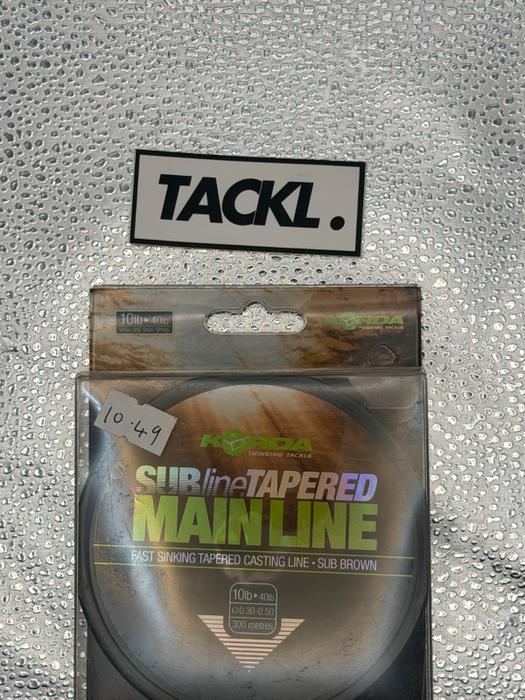
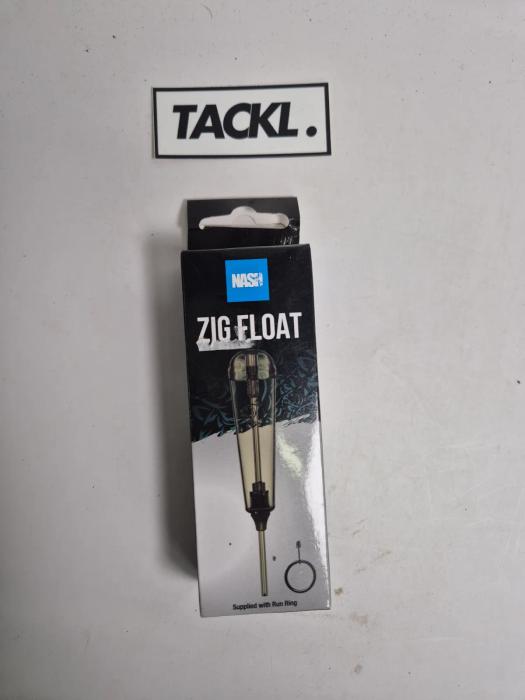
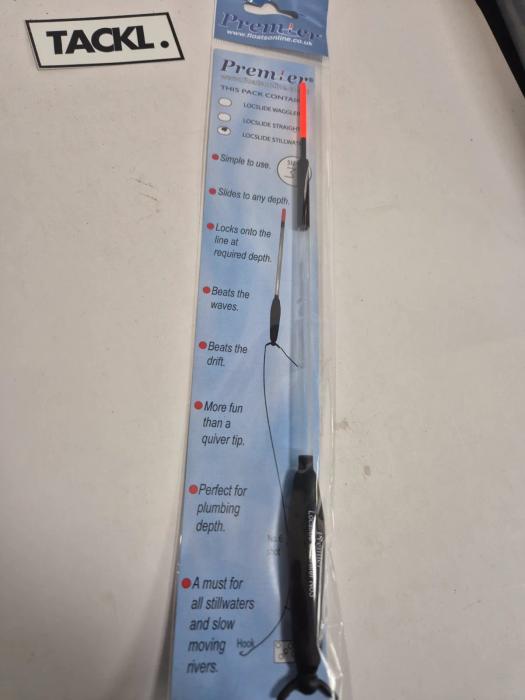
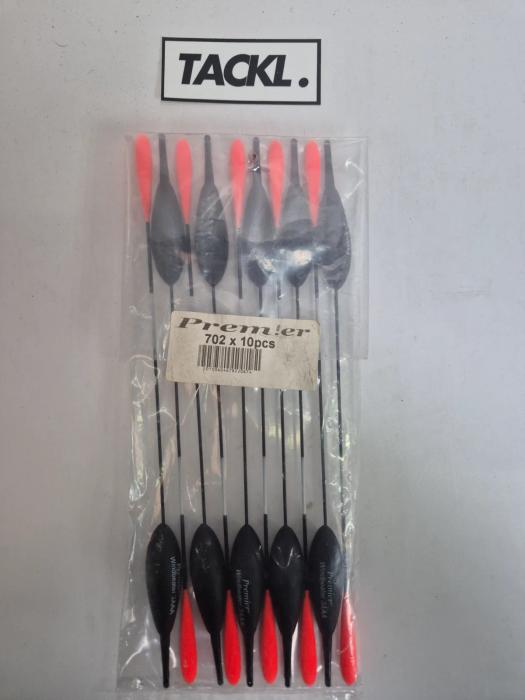
Tackle for bleak
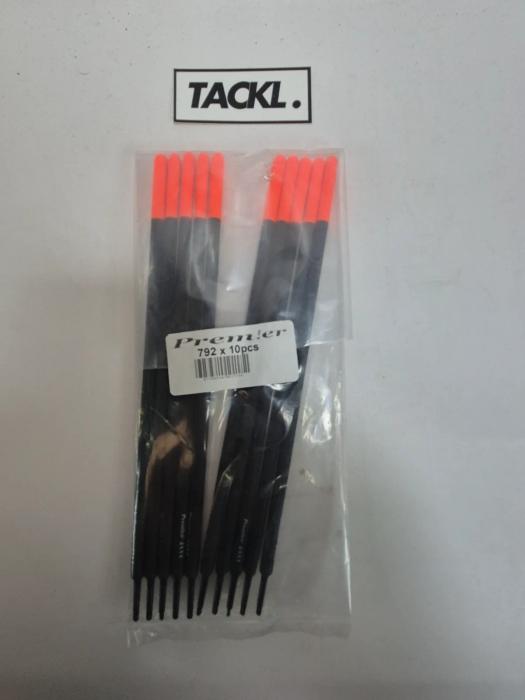
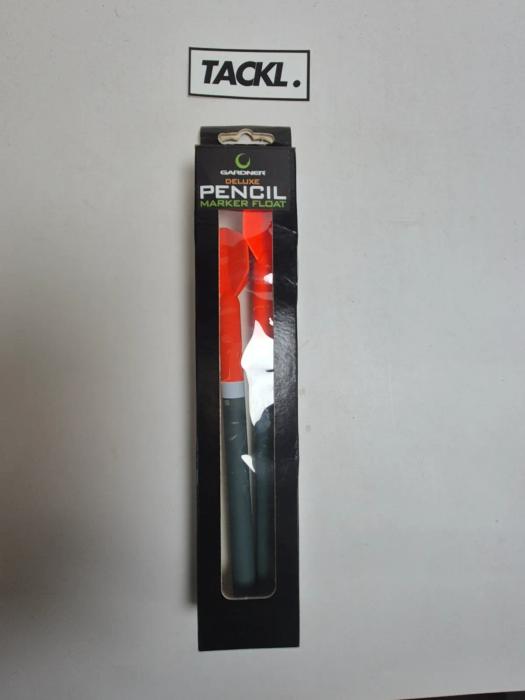
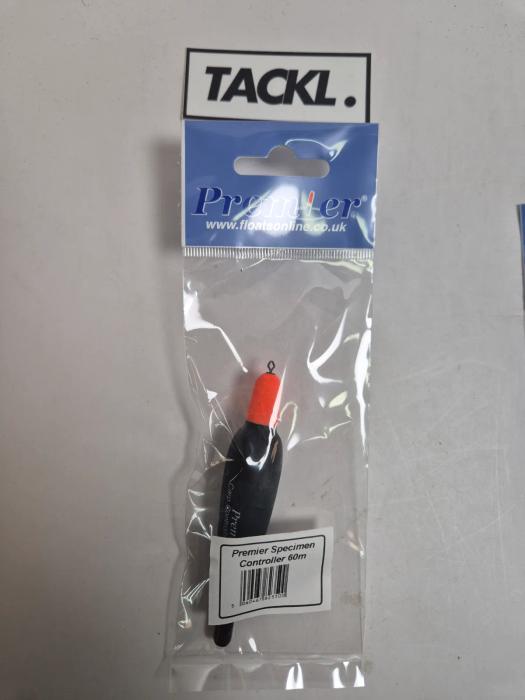
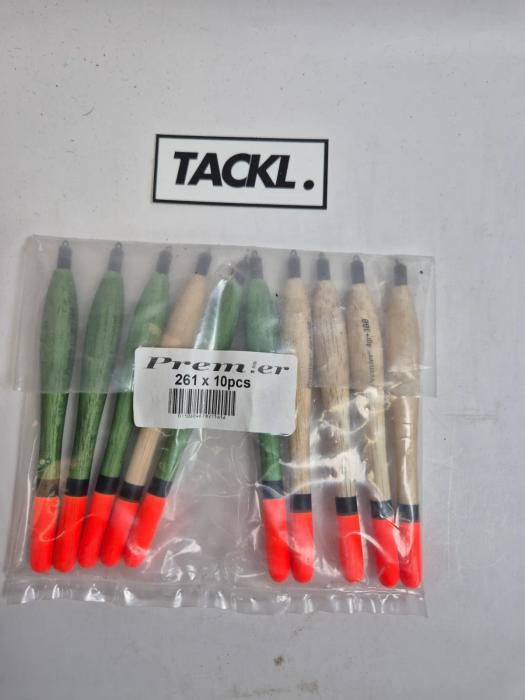
Bleak guides
- Coarse Fishing Close Season: When and Where You Can Fish in England & Wales
- Fish Catch and Size Limits in England & Wales: What You Can Keep
- Fishing Conditions Explained: How Weather Affects Fish
- Fishing Tackle Rules in England & Wales: Rods, Bait, Lead and Nets
- How to Tie a Knotless Knot: A Step-by-Step Carp Fishing Guide
- Rod Fishing Licence UK: Prices, Types, Rod Limits and How to Buy (2026)
Bleak fishing questions
What is the difference between a bleak and a dace?
Bleak have a prominent upturned mouth for surface feeding and a long anal fin. Dace have a more rounded body, a less upturned mouth, and a shorter anal fin. Bleak scales also come off very easily when handled.
Can you use bleak as a livebait?
Yes, bleak are an excellent livebait for predators like pike, perch, and zander. However, you must always adhere to local fishery rules and Environment Agency byelaws regarding the use and transport of live fish for bait.
Are bleak good to eat?
In the UK, bleak are not considered a table fish. They are very small and bony, though historically they were eaten and their scales used to create an artificial pearl essence ('Essence d'Orient').
How do you fish for bleak in a match?
Match anglers use whips or poles to fish very shallow and fast. The technique involves delicate floats, tiny hooks, and constant loose feeding to hold a shoal and catch one fish every few seconds to build a large total weight.
What is a good total weight of bleak in a 5-hour match?
On a prolific venue, a skilled angler specifically targeting bleak can amass a weight well in excess of 10lbs, and sometimes over 20lbs. This is achieved by maintaining a high catch rate throughout the match duration.


