

Minnow Fishing UK
By Tackl · Updated 10 October 2026

Phoxinus phoxinus
The Eurasian minnow is a tiny, shoaling cyprinid common in clean UK rivers, streams, and lakes. Recognisable by its mottled flanks and blunt snout, it's a vital part of the aquatic food web, often caught by beginners or anglers seeking bait, though legal restrictions apply to its use.
Photo: Julien Renoult, CC BY 4.0, via Wikimedia Commons
- Typical size
- 5-8 cm (2-3 inches)
- British record
- No official record
- Found in
- river, lake, canal, pond, gravel pit, drain
- Peak season
- Late spring and summer
How to identify a minnow
The minnow is a small, torpedo-shaped fish, seldom exceeding 10cm. Key features include a blunt snout, a small, slightly upturned mouth, and a forked tail. Its back is typically olive-brown, fading to silvery-gold flanks marked with a series of dark, irregular vertical blotches or mottles. The lateral line is often incomplete. During the breeding season (spring/summer), males become strikingly colourful, developing a bright red or pinkish belly, a bluish sheen on the head, and prominent white breeding tubercles on their snout and head. This vibrant display distinguishes them from all other small UK coarse fish.
Where it lives
Minnows thrive in clean, well-oxygenated water and are widespread across the UK, though less common in the far north of Scotland. They favour the shallows of rivers, streams, and becks with gravel or sandy substrates. Large shoals can be seen darting over gravel riffles or holding in the gentle flow of pool margins. They are also found along the edges of lakes, canals, and ponds, especially where there is cover from vegetation or stones. Their presence is a good indicator of healthy water quality, as they are sensitive to pollution and low oxygen levels.
What it eats and the best baits
Minnows are omnivorous, feeding on a wide range of items. Their diet primarily consists of small invertebrates like aquatic insects (mayfly nymphs, caddis larvae), crustaceans, and zooplankton. They will also consume algae, plant detritus, and fish eggs. They are active sight-feeders, often forming large shoals to forage in shallow, clear water. This varied diet allows them to thrive in many different environments, from fast-flowing upland streams to the margins of stillwaters, where they are a crucial food source for larger predators.
- maggot
- pinkie
- squatt
- bread punch
- worm fragment
Best time of year
- Jan – quieter
- Feb – quieter
- Mar – quieter
- Apr – good
- May – good
- Jun – good
- Jul – good
- Aug – good
- Sep – good
- Oct – good
- Nov – quieter
- Dec – quieter
Remember the UK coarse fishing close season for rivers in England and Wales runs from 15th March to 15th June inclusive. This statutory close season does not apply to most canals or stillwaters. Please check local byelaws.
How to catch minnow
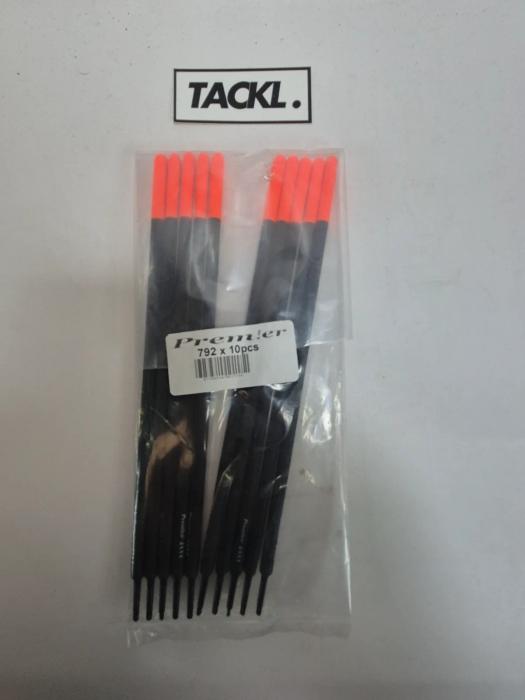
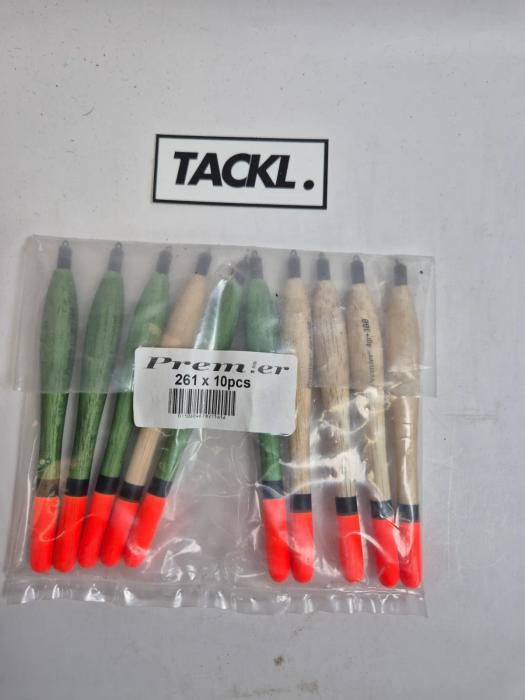
Minnows are not a primary target for most anglers but are easily caught on very light tackle. A short whip or the top two sections of a pole are ideal. Use a very light, sensitive float like a small dibber or styrofoam float, shotted with micro-shot or a No.10 styl. Lines should be light (around 1lb breaking strain) with a fine wire hook in a size 24 or 26. Bait with a single pinkie, squatt, or a tiny punch of bread. They respond well to loose feeding with a few pinkies or a groundbait cloud. Often, they are caught accidentally by anglers targeting gudgeon or bleak.
Legal notes
An Environment Agency rod licence is required to fish for any species in England and Wales. In Scotland, a permit is usually required from the landowner or fishery manager. It is illegal to introduce fish or move them between waters without consent from the Environment Agency, which effectively prohibits the use of wild-caught minnows as livebait in a different water body.
Rules change. Check current Environment Agency, NRW or Scottish regulations and the venue's own rules before fishing. Not professional or legal advice.
Where to catch minnow in the UK
We don't have venues confirmed for minnow yet. Browse all venues.
Tackle for minnow
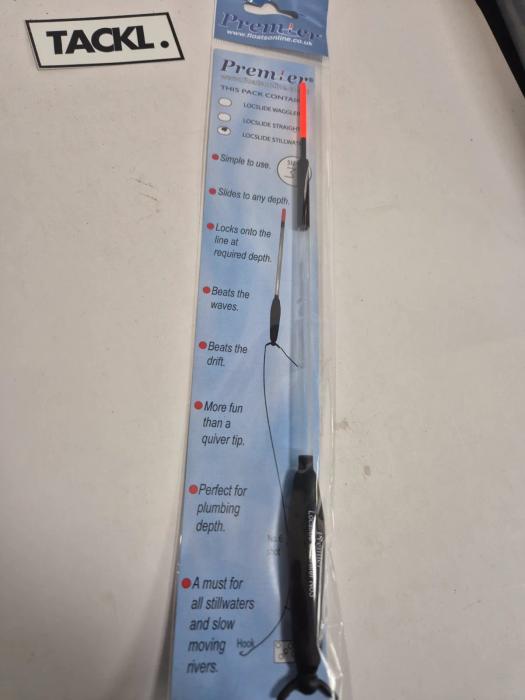
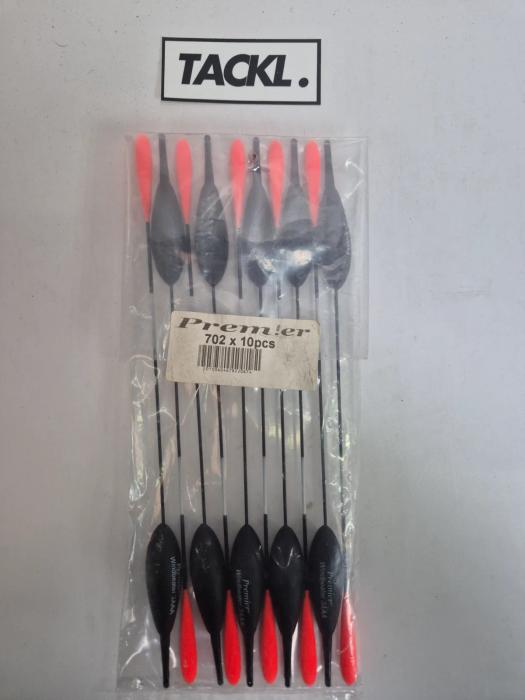
Minnow guides
- Coarse Fishing Close Season: When and Where You Can Fish in England & Wales
- Fish Catch and Size Limits in England & Wales: What You Can Keep
- Fishing Conditions Explained: How Weather Affects Fish
- Fishing Tackle Rules in England & Wales: Rods, Bait, Lead and Nets
- How to Tie a Knotless Knot: A Step-by-Step Carp Fishing Guide
- Rod Fishing Licence UK: Prices, Types, Rod Limits and How to Buy (2026)
Minnow fishing questions
Are minnows good predator bait in the UK?
Minnows are a natural food for predators like perch and pike. However, UK law prohibits moving fish between waters without consent, making it illegal to use a minnow caught in a river as livebait in a nearby lake. Always check EA byelaws.
What is the UK record minnow?
There is no official British record for the minnow. They are not typically a specimen species, with a large fish being anything over 10cm. Their small size and abundance mean they are not submitted for record claims.
How can I tell a minnow from a gudgeon?
Minnows have mottled flanks, a blunt snout, and no barbules. Gudgeon have speckled flanks, an underslung mouth, and two distinct barbules at the corners of their mouth. Gudgeon are also almost exclusively bottom-dwellers.
Can you eat minnows?
Yes, minnows are edible and were historically eaten as 'whitebait'. They are typically fried whole. However, due to their small size, they are not a popular food fish for modern UK anglers, who usually return them.
Where do minnows go in winter?
In colder months, minnows become less active and seek refuge in deeper, slower-moving water. They often form dense shoals under cover, such as under riverbanks, tree roots, or in deeper pools, to conserve energy.


