

Bullhead Fishing UK
By Tackl · Updated 10 October 2026

Cottus gobio
A small, bottom-dwelling fish found in clean, fast-flowing UK streams. The Bullhead, or Miller's Thumb, has a distinctive large, flattened head and a tapered, scaleless body with excellent camouflage. It is a key indicator species for good water quality but is not an angling target due to its protected status.
Photo: Woluhar, CC BY-SA 3.0, via Wikimedia Commons
- Typical size
- Typically 8-12cm, rarely exceeding 15cm
- British record
- No official record
- Found in
- river, lake
- Peak season
- Summer and Autumn
How to identify a bullhead
The Bullhead is unmistakable once seen. It has a very large, broad, and flattened head which tapers sharply to a slender, scaleless body. Its colouration is a mottled brown and grey, providing superb camouflage against a gravel riverbed. The pectoral fins are large and fan-like, used to brace itself in strong currents. It has two separate dorsal fins, the first being spiny. Crucially, it lacks the barbules around the mouth that are present on the similarly-sized Stone Loach. Its eyes are positioned high up on its head, giving it a good field of view for spotting prey and predators from its position on the bottom.
Where it lives
This species demands clean, cool, and well-oxygenated water, making it a reliable indicator of unpolluted environments. Its primary habitat is the fast-flowing, stony riffle sections of upland streams, brooks, and small rivers across the UK. It is a benthic fish, living its entire life on the bottom, where it seeks refuge under stones, rocks, and amongst coarse gravel during daylight hours. While predominantly a riverine species, populations also exist in the stony littoral zones of some oligotrophic lakes, such as those found in the Lake District and parts of Scotland. It is absent from slow-moving, silted, or polluted waters.
What it eats and the best baits
The Bullhead is an ambush predator, feeding primarily on benthic invertebrates. Its diet consists mainly of freshwater shrimps (Gammarus), the larvae of caddisflies, mayflies, and stoneflies, and various aquatic worms. It is highly opportunistic and will also prey on fish eggs, fish fry, and even smaller Bullheads. They hunt mostly at night, using their excellent camouflage to remain hidden amongst the stones on the riverbed before lunging at any prey that comes within range. Their large mouth allows them to consume surprisingly large food items.
- Worm fragment
- Maggot
- Caster
- Small nymph fly
Best time of year
- Jan – quieter
- Feb – quieter
- Mar – quieter
- Apr – good
- May – good
- Jun – good
- Jul – good
- Aug – good
- Sep – good
- Oct – good
- Nov – quieter
- Dec – quieter
As a coarse fish, the Bullhead is subject to the statutory close season on rivers in England and Wales, which runs from 15th March to 15th June inclusive. There is no equivalent national close season in Scotland, though local regulations may apply.
How to catch bullhead
The Bullhead is a protected species in the UK and it is illegal to intentionally target it. Therefore, there are no legitimate angling techniques for this fish. It is occasionally caught by accident, most often by anglers using small baits like worm sections or maggots while fishing for trout, grayling, or other small river species. Fly fishers also sometimes hook them by mistake when fishing nymphs deep along the riverbed. If you do catch one, it is a legal requirement to return it to the water immediately. Handle the fish as little as possible, always with wet hands to protect its sensitive, scaleless skin, and ensure it is released unharmed in the area it was caught. Never use a keepnet.
Legal notes
The Bullhead is a protected species in the UK. It is listed on Schedule 5 of the Wildlife and Countryside Act 1981 and as a European protected species. It is a criminal offence to intentionally kill, injure, take, possess, or sell them without a specific licence. Anglers catching one by accident must return it to the water immediately and unharmed.
Rules change. Check current Environment Agency, NRW or Scottish regulations and the venue's own rules before fishing. Not professional or legal advice.
Where to catch bullhead in the UK
We don't have venues confirmed for bullhead yet. Browse all venues.
Tackle for bullhead
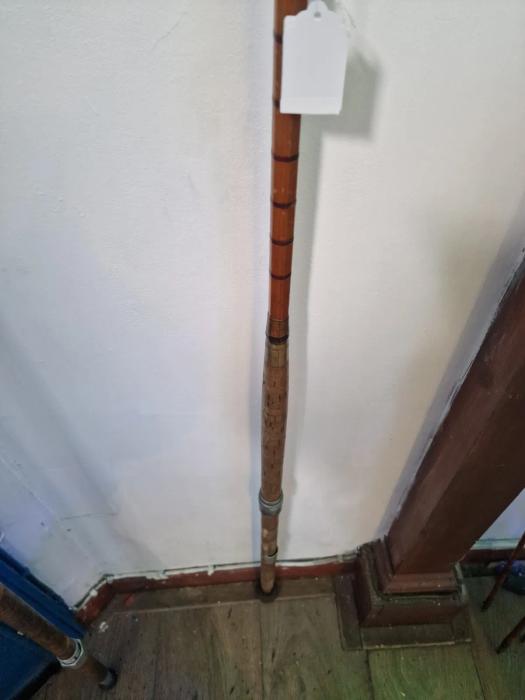
Hardy 15ft 3 piece Fly Fishing Rod (Split Cane)
£200.00
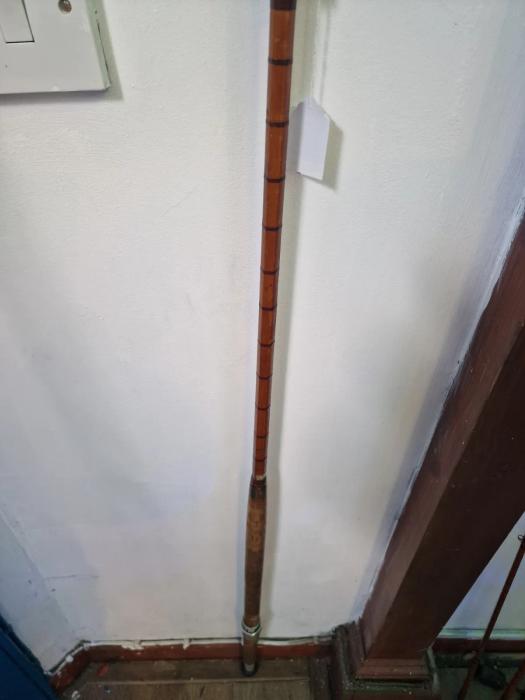
Hardy (Split Cane) 12ft 3 piece Fly Fishing Rod with spare tip
£400.00
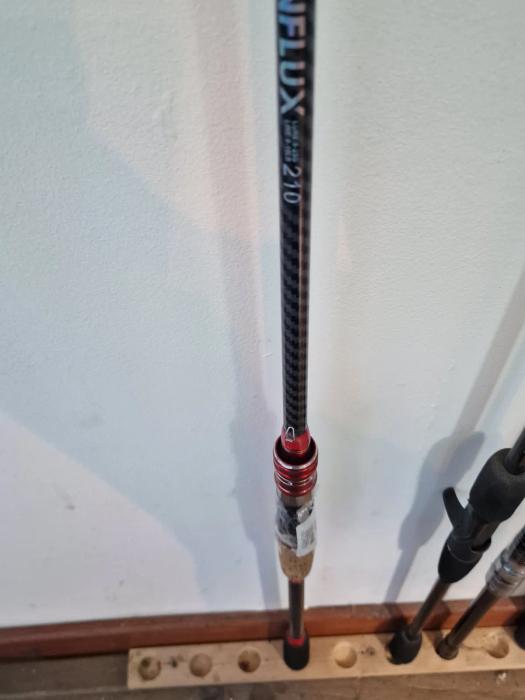
Sylvanflux 210 2 piece Spinning / lure Fishing Rod
£39.99
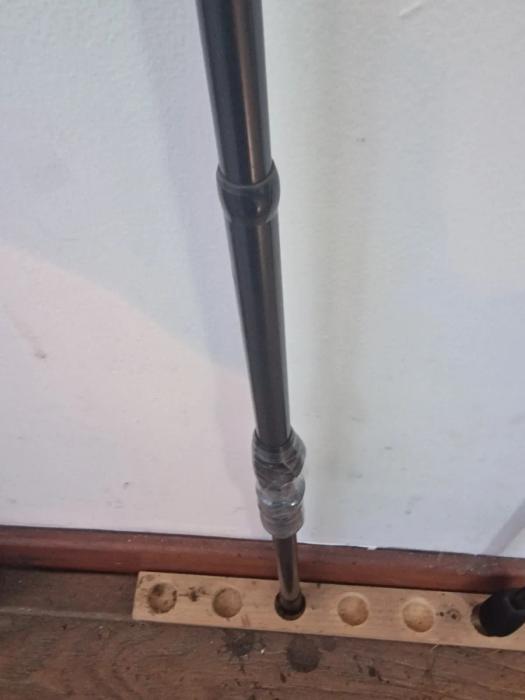
gotuda spin 210 2 piece Spinning / lure Fishing Rod
£31.99
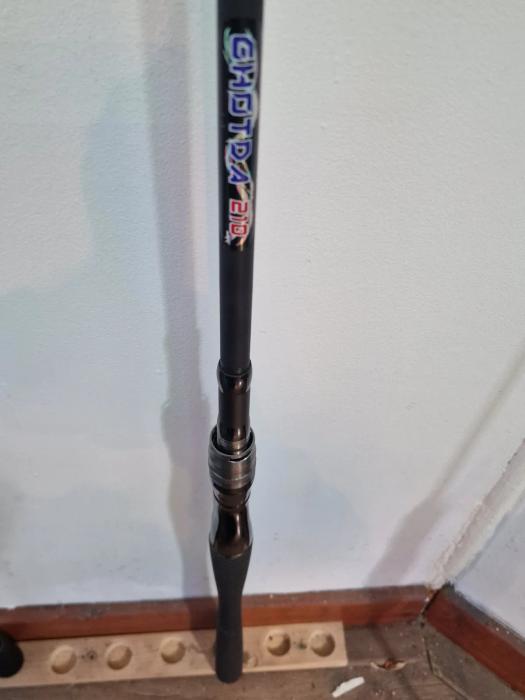
Gotoda 210 2 piece Spinning / lure Fishing Rod
£39.99
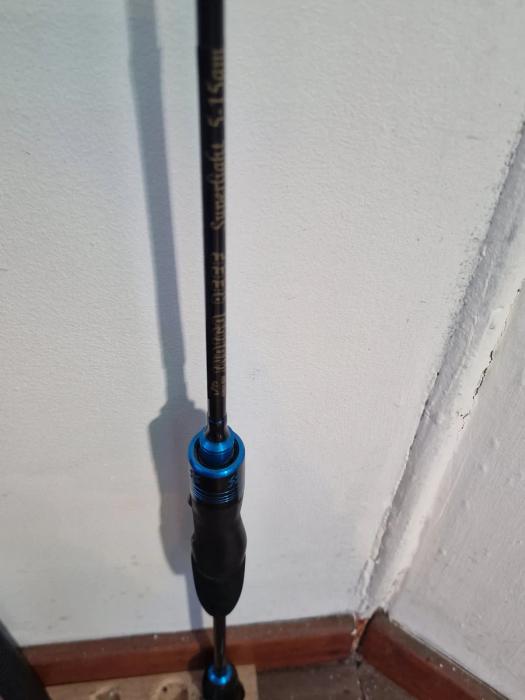
indigo reef 190 2 piece Spinning / lure Fishing Rod
£29.99
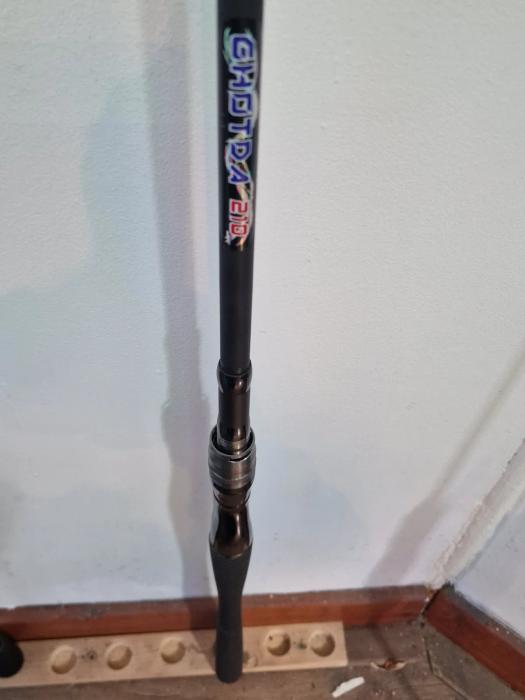
Gotuda 210 2 piece Spinning / lure Fishing Rod
£39.99
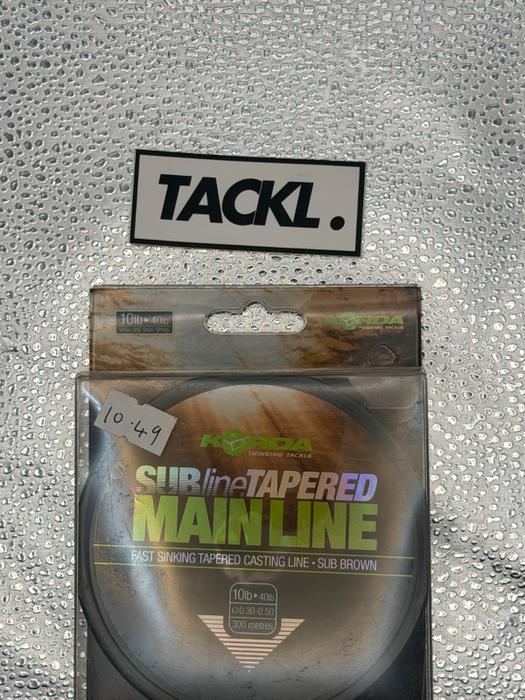
Korda Subline Tapered mainline
£8.00
Bullhead guides
- Coarse Fishing Close Season: When and Where You Can Fish in England & Wales
- Fish Catch and Size Limits in England & Wales: What You Can Keep
- Fishing Conditions Explained: How Weather Affects Fish
- Fishing Tackle Rules in England & Wales: Rods, Bait, Lead and Nets
- How to Tie a Knotless Knot: A Step-by-Step Carp Fishing Guide
- Rod Fishing Licence UK: Prices, Types, Rod Limits and How to Buy (2026)
Bullhead fishing questions
Is it illegal to fish for Bullheads in the UK?
Yes. The Bullhead is a protected species and it is an offence to intentionally target, kill, injure, or take them without a specific licence. Accidental captures must be returned to the water immediately.
Why is it called a Miller's Thumb?
Its broad, flattened head is said to resemble the thumb of a traditional flour miller, which could become squashed and flattened through years of testing the texture of ground flour.
How can I tell a Bullhead from a Stone Loach?
The Bullhead has a much wider, flatter head and lacks the six barbules (whiskers) around the mouth which are prominent on a Stone Loach. A Bullhead's body is also scaleless.
What should I do if I accidentally catch a Bullhead?
You must return it to the water immediately. Handle it with wet hands to protect its scaleless skin, unhook it as quickly and carefully as possible, and release it gently back into the water.
Are Bullheads a sign of good water quality?
Yes, their presence is a very reliable indicator of a healthy, unpolluted aquatic environment, as they require clean, cool, and highly oxygenated water with a stony substrate to thrive.


