

Brown Trout Fishing UK
By Tackl · Updated 10 October 2026

Salmo trutta
The UK's only native trout species, the brown trout is a beautiful, iconic fish prized by game anglers. Renowned for its stunning, variable markings and preference for clean, cool water, it offers diverse sport in rivers and stillwaters alike, from catching small wild fish to specimen hunting.
Photo: USFWS Mountain Prairie, Public domain, via Wikimedia Commons
- Typical size
- Wild river fish 8oz-2lb; stillwater specimens can exceed 10lb.
- British record
- 31lb 12oz (Tom Healy, Loch Awe, 2005)
- Found in
- river, lake, reservoir
- Peak season
- Spring and Autumn
How to identify a brown trout
The brown trout is a classic salmonid with an adipose fin. Its appearance is highly variable; river fish often have golden-brown flanks with prominent red and black spots, each frequently surrounded by a pale halo. Stillwater fish can be much more silvery. A key identifier is the large mouth, where the upper jaw (maxilla) extends back beyond the rear of the eye. The tail fin is typically square or very slightly forked, unlike the more distinctly forked tail of an Atlantic salmon. Its fins, particularly the dorsal and adipose, can have an orange or reddish tinge. The belly is usually creamy white or yellowish.
Where it lives
Brown trout demand clean, cool, and well-oxygenated water. In rivers and streams, they are territorial, holding station in specific 'lies' that provide shelter and a steady supply of food. Look for them in pools, undercuts, behind boulders, and along submerged weed beds or tree roots. In larger stillwaters such as reservoirs and Scottish lochs, they are more nomadic, patrolling drop-offs, weed beds, and island margins in search of food. They are widespread throughout the United Kingdom, from tiny upland becks to large, slow-flowing lowland rivers, thriving wherever water quality permits.
What it eats and the best baits
Brown trout are opportunistic predators with a varied diet that changes with size and season. Smaller fish feed heavily on aquatic insects, nymphs, larvae, and terrestrial flies blown onto the water. Crustaceans like freshwater shrimp are also crucial. As they grow, their diet expands to include small fish such as minnows, bullheads, and sticklebacks. Very large, predatory 'ferox' trout found in some deep lochs and reservoirs will prey almost exclusively on other fish, including Arctic charr and even their own kind.
- Worms
- Spinners
- Wet flies
- Dry flies
- Nymphs
- Streamers
- Small plugs
- Maggots
Best time of year
- Jan – quieter
- Feb – quieter
- Mar – good
- Apr – good
- May – good
- Jun – good
- Jul – good
- Aug – good
- Sep – good
- Oct – good
- Nov – quieter
- Dec – quieter
The traditional close season for brown trout on rivers in England and Wales runs from 1st October to 17th March inclusive, though regional byelaws may vary. In Scotland, seasons are set locally but typically run from early October to mid-March. Stillwater fisheries often remain open year-round.
How to catch brown trout
Fly fishing is the quintessential method for brown trout. This includes 'matching the hatch' with dry flies for surface-feeding fish, searching the water with subsurface nymphs (e.g. Euro-nymphing), or swinging traditional wet flies or modern streamers across the current to provoke a reaction. Spinning with small metal lures like Mepps spinners or spoons is also highly effective for covering water on larger venues. In fisheries where it is permitted, bait fishing can be deadly. Trotting a worm or maggot using a centrepin reel and float is a classic river technique, while a simple legered worm can be very effective for larger, bottom-hugging trout. Always check fishery rules as many are fly-only.
Legal notes
In England and Wales, anglers must hold a valid Environment Agency rod licence. A migratory salmon and sea trout licence is required for rivers, but a standard trout and coarse licence suffices for 'enclosed' stillwaters. In Scotland, no state licence is needed, but a permit for the specific water is mandatory. Always check local and national byelaws regarding size limits, bag limits, and bait restrictions, as many waters are 'fly only' or enforce strict catch-and-release.
Rules change. Check current Environment Agency, NRW or Scottish regulations and the venue's own rules before fishing. Not professional or legal advice.
Where to catch brown trout in the UK
Counties with brown trout recorded on Tackl: Hampshire (2), Norfolk (1), East Sussex (1), Kent (1), Somerset (1), Cornwall (1), Staffordshire (1), Surrey (1), Essex (1), Lincolnshire (1).
11 venues in 10 counties
Cornwall(1)
- Drift Reservoir Fly FishingReported
East Sussex(1)
- Brick Farm Lakes Trout FisheryReported
Essex(1)
- Thornwood Springs Trout FisheryReported
Hampshire(2)
- Chiphall LakeReported
- Holbury Lakes Trout FisheryReported
Kent(1)
- Chequertree FisheryReported
Lincolnshire(1)
- Withern Mill Trout FarmReported
Norfolk(1)
- Blackdyke Trout FisheryReported
Somerset(1)
- Clatworthy ResevoirReported
Staffordshire(1)
- Hamstall FisheryReported
Tackle for brown trout
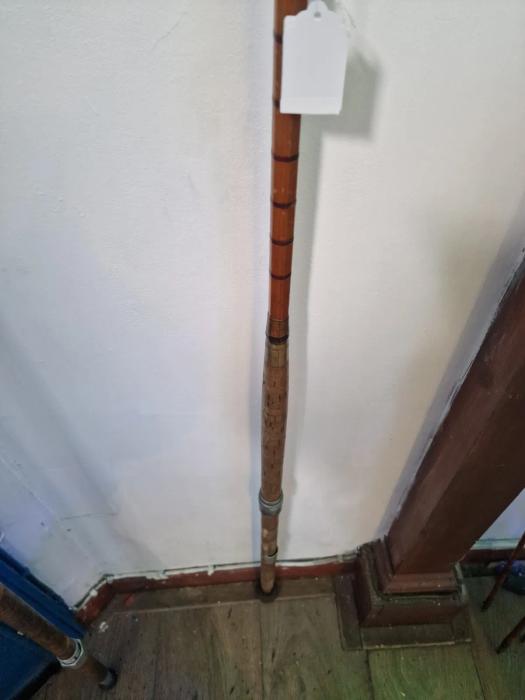
Hardy 15ft 3 piece Fly Fishing Rod (Split Cane)
£200.00
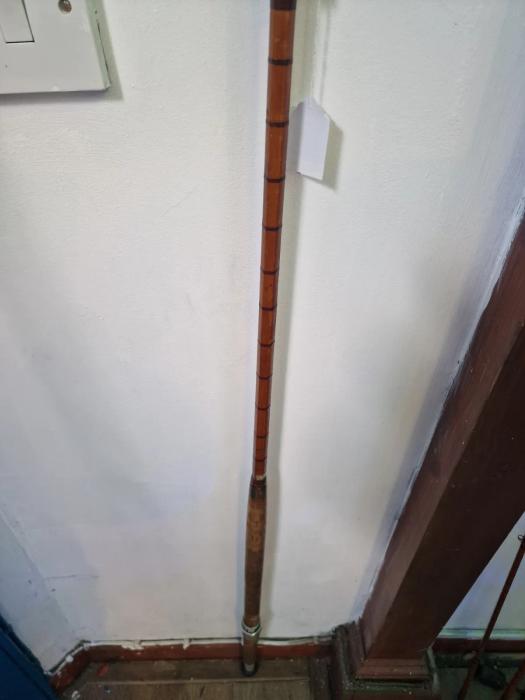
Hardy (Split Cane) 12ft 3 piece Fly Fishing Rod with spare tip
£400.00
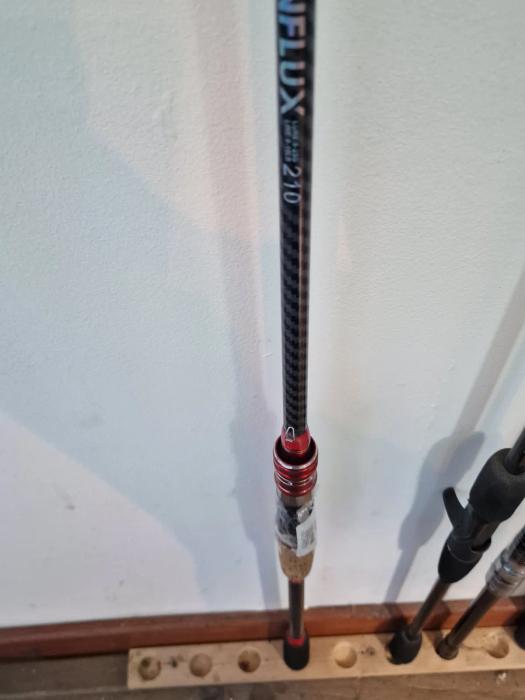
Sylvanflux 210 2 piece Spinning / lure Fishing Rod
£39.99
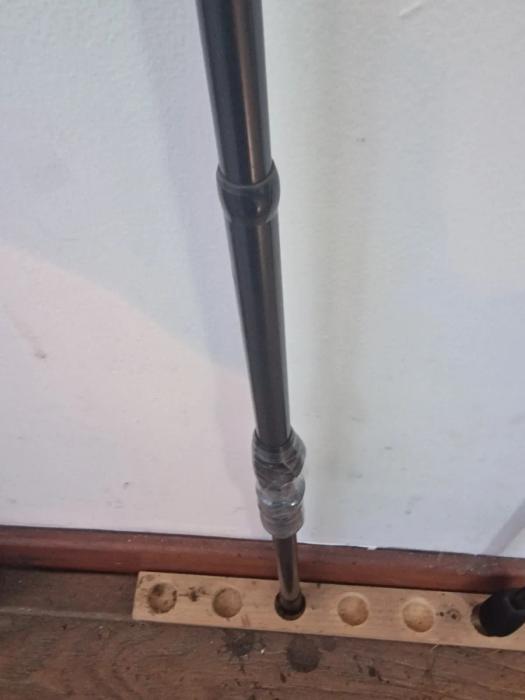
gotuda spin 210 2 piece Spinning / lure Fishing Rod
£31.99
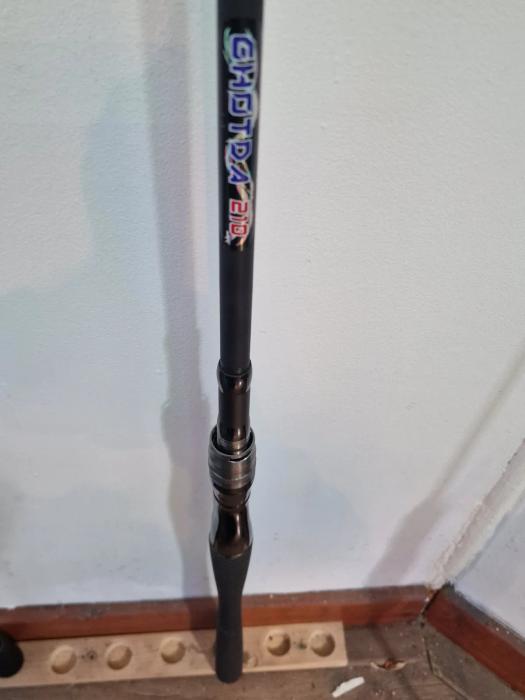
Gotoda 210 2 piece Spinning / lure Fishing Rod
£39.99
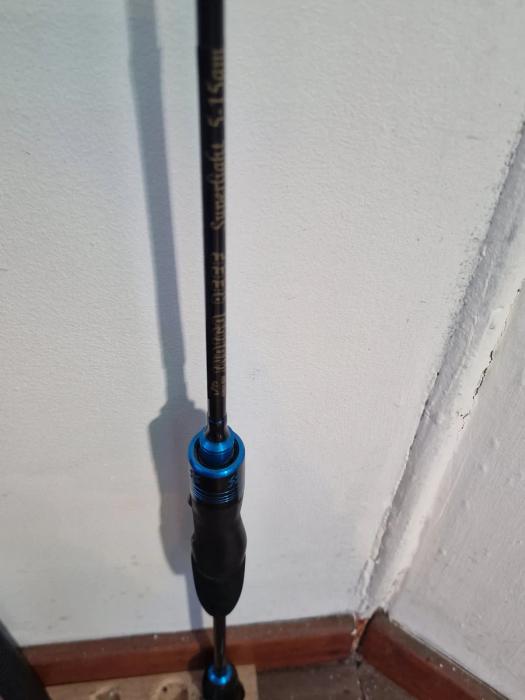
indigo reef 190 2 piece Spinning / lure Fishing Rod
£29.99
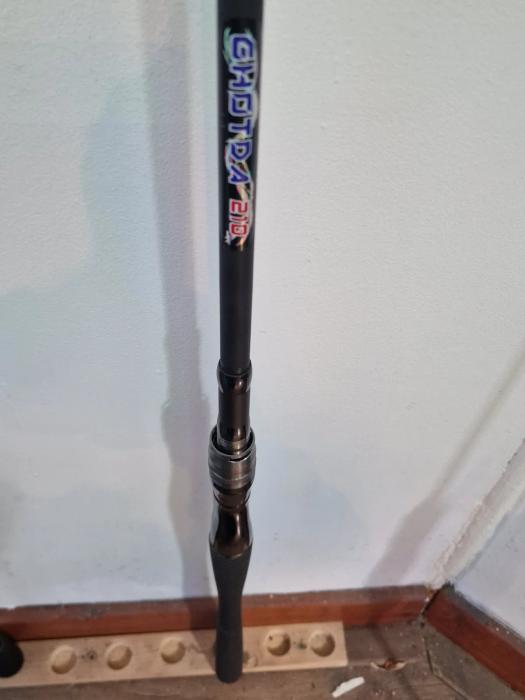
Gotuda 210 2 piece Spinning / lure Fishing Rod
£39.99
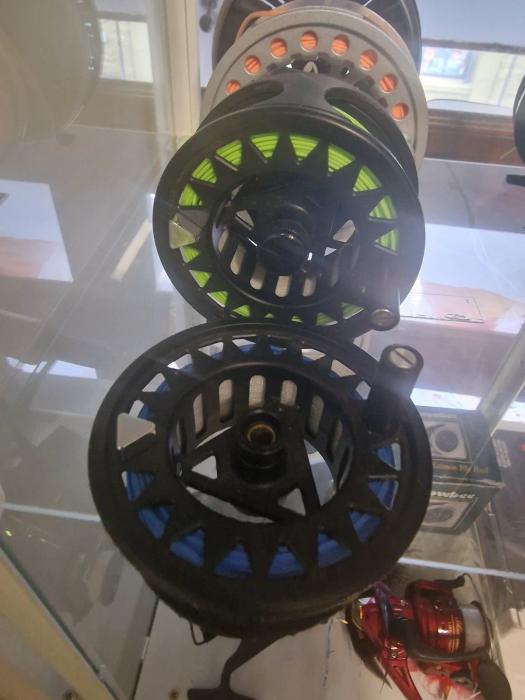
Sierra 8wt fly reel with spare spool
£99.99
Brown Trout fishing questions
What is the difference between a brown trout and a sea trout?
They are the same species, Salmo trutta. Brown trout are resident fish that live their entire lives in freshwater. Sea trout are anadromous, meaning they migrate to the sea to feed and grow before returning to their home river to spawn, often becoming much larger and more silvery.
Which rod licence do I need for brown trout in England?
For rivers, you must have a migratory salmon and sea trout licence. For enclosed stillwaters (reservoirs, lakes) that do not contain sea trout or salmon, a standard trout and coarse fish licence is sufficient. Always check EA guidelines if unsure.
How do you tell a brown trout from a salmon parr?
A trout's upper jaw (maxilla) extends back beyond its eye, while a salmon's does not. A trout also has red spots mixed with black ones, whereas a salmon parr only has black spots. The trout's tail fin is less forked than a salmon's.
Is it legal to eat wild brown trout in the UK?
While palatable, the taking of wild brown trout is increasingly discouraged to protect stocks. Many fisheries operate a mandatory catch-and-release policy. Where taking fish is permitted, strict size and bag limits apply. It is illegal to sell rod-caught trout.
When is the best time of day to fish for brown trout?
Early morning and late evening are often prime times, especially during summer, as trout feel more secure in lower light and insect activity peaks. During the day, look for them to feed during overcast spells or when a breeze creates a 'ripple' on the water's surface.


