

Atlantic Salmon Fishing UK
By Tackl · Updated 10 October 2026

Salmo salar
The iconic 'King of Fish', the Atlantic salmon is a powerful, anadromous species prized by UK game anglers. It journeys from marine feeding grounds to its natal river to spawn, providing a thrilling challenge. Fresh-run fish are silver, gradually darkening the longer they remain in freshwater.
Photo: User:Wolfgang Striewski, Public domain, via Wikimedia Commons
- Typical size
- Grilse 3-8lb; multi-sea-winter fish 10-30lb+
- British record
- 64lb 0oz (Georgina Ballantine, River Tay, 1922)
- Found in
- river, estuary
- Peak season
- Spring and autumn runs
How to identify a atlantic salmon
Distinguished from sea trout by a larger mouth where the maxilla extends back beyond the eye. The salmon has a distinctly slim 'wrist' at the tail (caudal peduncle), allowing it to be gripped easily. Its tail fin is more concave or forked. Spotting is sparse, usually confined to the back above the lateral line, with only one or two spots on the gill cover. Fresh-run 'chromers' are brilliant silver, but they darken to mottled bronze and reddish-browns as they mature in the river. Spawning males develop a pronounced hooked lower jaw known as a 'kype'.
Where it lives
Atlantic salmon are anadromous, born in freshwater, migrating to sea to feed, and returning to their natal river to spawn. They favour clean, cool, well-oxygenated rivers with varied flows and depths, from the large spate rivers of Scotland to the chalk streams of southern England. Juvenile fish (parr) inhabit faster-flowing, gravelly riffles. Returning adults rest in deeper pools, behind boulders, under shaded banks, or in the main current, holding in established 'lies' as they move upstream. Their presence is a prime indicator of a healthy river ecosystem, with famous UK salmon rivers including the Tay, Spey, Tweed, Tyne, and Wye.
What it eats and the best baits
In the sea, salmon are active predators, feeding on smaller fish like sand eels, sprats, and herring. However, upon re-entering freshwater to spawn, their digestive system effectively shuts down and they cease feeding. The take of an angler's fly or lure is considered an aggressive or territorial reaction rather than a feeding response. Juvenile salmon (parr) in rivers have a diet of aquatic insect larvae, nymphs, and terrestrial insects that fall onto the water's surface.
- Ally's Shrimp Fly
- Willie Gunn Fly
- Cascade Fly
- Flying 'C' Spinner
- Devon Minnow
- Toby Spoon
- Tube Flies
Best time of year
- Jan – quieter
- Feb – good
- Mar – good
- Apr – good
- May – good
- Jun – good
- Jul – good
- Aug – good
- Sep – good
- Oct – good
- Nov – quieter
- Dec – quieter
Unlike coarse fish, there is no national close season for salmon in the UK. Legal fishing seasons are determined by individual river authorities and vary significantly, but most rivers are closed from November to January or February.
How to catch atlantic salmon
Fly fishing with a double-handed rod (13-15ft) is classic for covering large rivers. The technique involves casting across the current and allowing the fly to 'swing' in an arc, presenting it to holding fish. Popular flies include the Ally's Shrimp, Cascade, and Willie Gunn. In higher or more coloured water, spinning is a very effective method. A 9-11ft spinning rod is used to cast lures like Flying 'C' spinners, Devon Minnows, or spoons into likely lies and pools. Watercraft is crucial; reading the river to locate potential holding spots in different water heights and conditions is the key to success. Bait fishing, once common, is now heavily restricted or banned on most UK salmon rivers.
Legal notes
A specific migratory fish licence (salmon and sea trout) from the Environment Agency, NRW, or DAERA is mandatory. In Scotland, a district salmon fishery board levy may apply. Many rivers now have mandatory catch-and-release byelaws to conserve stocks, along with restrictions on tackle and a ban on certain baits like prawns and worms. Always check the rules for the specific river you intend to fish.
Rules change. Check current Environment Agency, NRW or Scottish regulations and the venue's own rules before fishing. Not professional or legal advice.
Where to catch atlantic salmon in the UK
Counties with atlantic salmon recorded on Tackl: Hampshire (2), Cornwall (1), Stirlingshire (1), Herefordshire (1).
5 venues in 4 counties
Cornwall(1)
- Coombe Mill Family Farm HolidaysReported
Hampshire(2)
- River Avon (Hampshire)Reported
- River TestReported
Herefordshire(1)
- River WyeReported
Stirlingshire(1)
- Loch LomondReported
Tackle for atlantic salmon
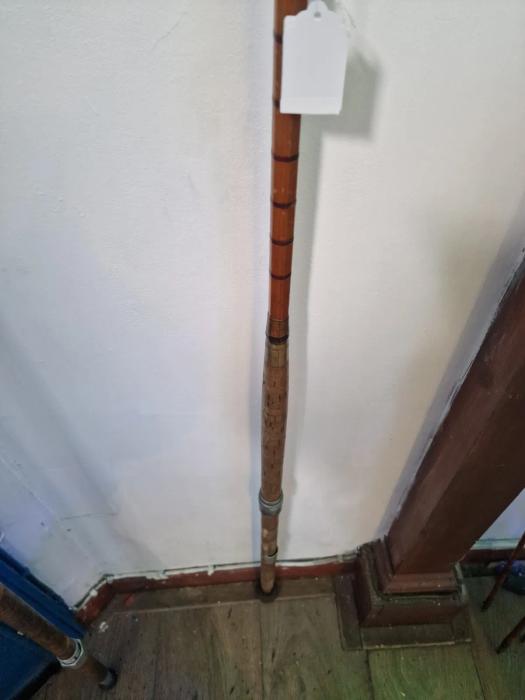
Hardy 15ft 3 piece Fly Fishing Rod (Split Cane)
£200.00
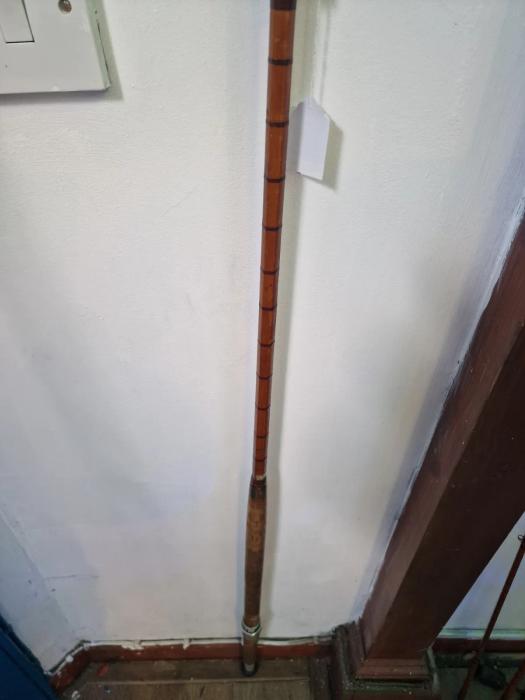
Hardy (Split Cane) 12ft 3 piece Fly Fishing Rod with spare tip
£400.00
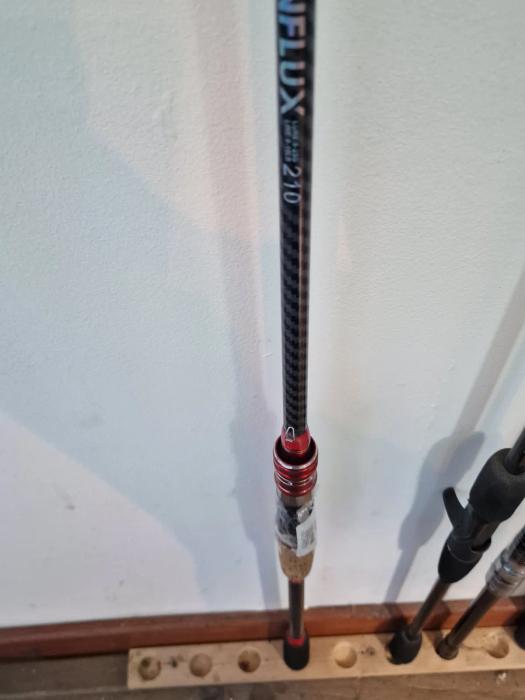
Sylvanflux 210 2 piece Spinning / lure Fishing Rod
£39.99
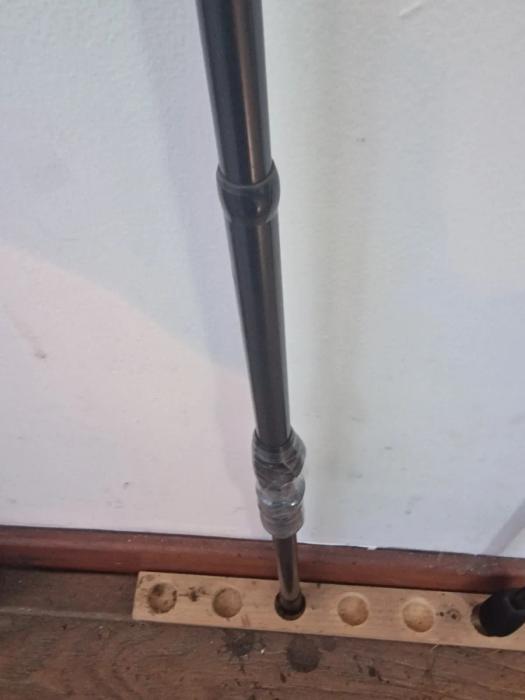
gotuda spin 210 2 piece Spinning / lure Fishing Rod
£31.99
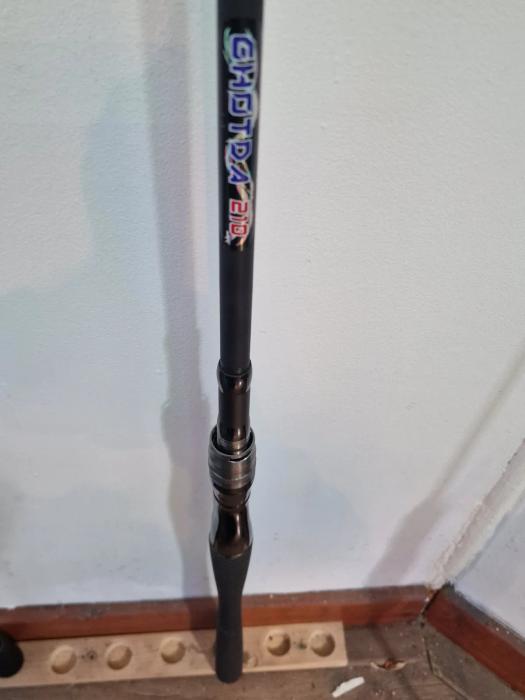
Gotoda 210 2 piece Spinning / lure Fishing Rod
£39.99
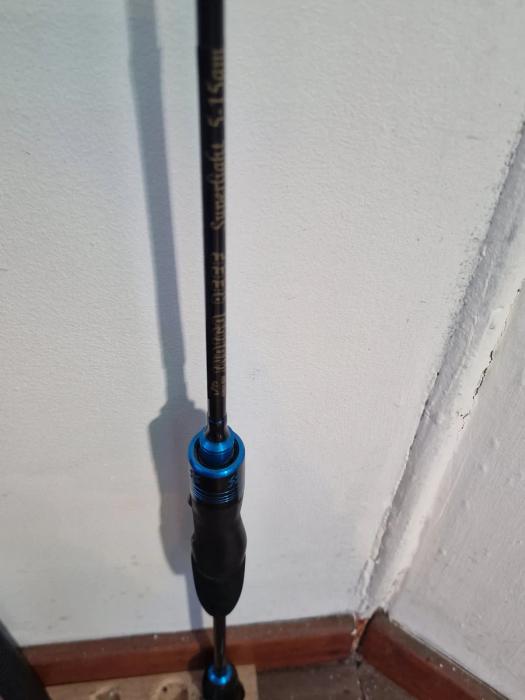
indigo reef 190 2 piece Spinning / lure Fishing Rod
£29.99
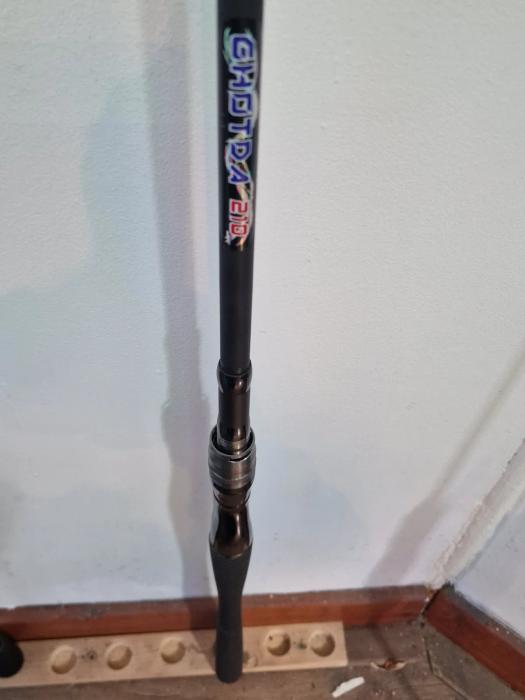
Gotuda 210 2 piece Spinning / lure Fishing Rod
£39.99
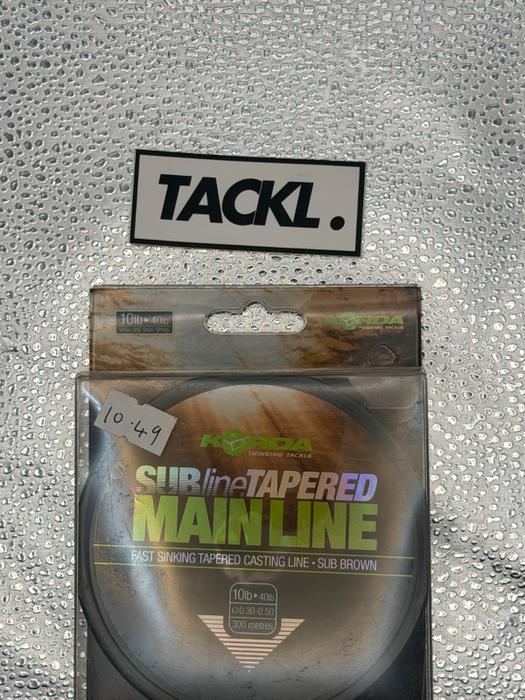
Korda Subline Tapered mainline
£8.00
Atlantic Salmon fishing questions
Why don't salmon feed in freshwater?
Adult salmon stop feeding upon entering freshwater. Their digestive systems shut down as they focus on migration and spawning. A take is considered a reflex or aggressive response to a fly or lure, not a feeding action.
What's the difference between a salmon and a grilse?
A grilse is a young salmon that has spent only one winter at sea before returning to spawn, typically weighing 3-8lb. A multi-sea-winter (MSW) salmon has spent two or more winters at sea and is therefore much larger.
Do I have to release the salmon I catch?
In Wales, catch and release for all salmon is mandatory. In England and Scotland, rules vary by river and time of year, but an increasing number of catchments operate mandatory catch and release to conserve stocks. Always check local byelaws.
What is a 'kype'?
A kype is the prominent hooked jaw that develops on male salmon (cocks) as they approach spawning time. It is a secondary sexual characteristic used for fighting other males for dominance and access to females.
What licence do I need to fish for salmon in the UK?
You must have a migratory fish licence from the Environment Agency (England), NRW (Wales), or DAERA (NI). In Scotland, you must have the fishery owner's permission, which incorporates a contribution to the district board. You always need fishery owner permission everywhere.


