

Grayling Fishing UK
By Tackl · Updated 10 October 2026

Thymallus thymallus
Known as the 'Lady of the Stream' for its beautiful, sail-like dorsal fin. The grayling is a hard-fighting salmonid found in clean, fast-flowing rivers. Prized by both fly and coarse anglers for its willingness to feed throughout the autumn and winter months when other species are less active.
Photo: Zsoldos Márton, CC BY-SA 3.0, via Wikimedia Commons
- Typical size
- Typically 8oz-1lb 8oz; a 2lb fish is a specimen.
- British record
- 4lb 4oz (S. Ashton, River Frome, 2023)
- Found in
- river
- Peak season
- Autumn and Winter
How to identify a grayling
The most unmistakable feature is the huge, sail-like dorsal fin, which is larger in males and often adorned with vibrant red, orange, and purple spots against a grey background. Grayling possess a streamlined, torpedo-shaped body with silvery-grey flanks, sometimes showing a lilac sheen, marked with rows of small, dark spots. They have relatively large scales for a salmonid and a small, underslung mouth suited for bottom feeding. A key characteristic is the faint scent of thyme, from which its Latin name, *Thymallus thymallus*, is derived. Unlike trout, the adipose fin is plain and not spotted.
Where it lives
Grayling are exclusive to clean, cool, and well-oxygenated freshwater rivers with moderate to fast flows and clean gravel or stony beds. They are typically found in the middle and upper reaches, often occupying the 'trout zone'. Their UK distribution includes many renowned game rivers in Scotland, Wales, and northern/central England, such as the Tweed, Tay, Dee, Wye, Severn, and the chalk streams of southern England. They thrive in the steady glides and pool heads just downstream of faster riffles, where they can intercept drifting food items while holding position over their preferred gravel substrate. They are absent from Ireland.
What it eats and the best baits
Grayling primarily feed on aquatic invertebrates scoured from the riverbed. Their diet includes freshwater shrimps (Gammarus), caddisfly larvae (sedge), mayfly and stonefly nymphs, and snails. They are opportunistic and will also rise to take terrestrial insects such as ants and beetles blown onto the surface, especially during summer and autumn. In winter, they focus heavily on subsurface food items, making them susceptible to baits and nymphs fished near the bottom. Small fish fry are occasionally taken by larger specimens.
- Maggots
- Sweetcorn
- Small worms
- Bread flake
- Czech nymphs
- Pheasant tail nymph
- Hare's ear nymph
- Klinkhammer
Best time of year
- Jan – good
- Feb – good
- Mar – quieter
- Apr – quieter
- May – quieter
- Jun – quieter
- Jul – quieter
- Aug – quieter
- Sep – good
- Oct – good
- Nov – good
- Dec – good
In England and Wales, the traditional coarse fish river close season (15th March - 15th June) applies to grayling. However, local byelaws on many game rivers permit grayling fishing outside these dates, so it is essential to check the specific rules for the river you intend to fish.
How to catch grayling
The two classic methods are float fishing and fly fishing. Trotting a stick float or Avon float with a centrepin reel is a highly effective and traditional coarse fishing approach. Baits such as maggots (often in bunches), sweetcorn, or small worms are presented just off the bottom in the main current. Light legering with a small feeder can also work. For the fly angler, nymphing techniques are paramount. This includes upstream nymphing and Euro nymphing with weighted patterns like Pheasant Tails and Hare's Ears to get down to the fish. During a hatch or on warmer days, grayling will readily rise to dry flies, with patterns like the Klinkhammer or Adams being excellent choices. In all methods, a delicate presentation and light tackle are key.
Legal notes
An Environment Agency migratory trout and coarse fish rod licence is required in England and Wales. Grayling are often subject to local byelaws, which may specify season dates, methods and size limits; always check local rules. While Scotland has no national close season, local fishery board regulations apply. Be aware of rules regarding incidental catches of salmon and sea trout.
Rules change. Check current Environment Agency, NRW or Scottish regulations and the venue's own rules before fishing. Not professional or legal advice.
Where to catch grayling in the UK
Counties with grayling recorded on Tackl: Staffordshire (1), Hampshire (1), Lincolnshire (1).
3 venues in 3 counties
Hampshire(1)
- River TestReported
Lincolnshire(1)
- Withern Mill Trout FarmReported
Staffordshire(1)
- Hamstall FisheryReported
Tackle for grayling
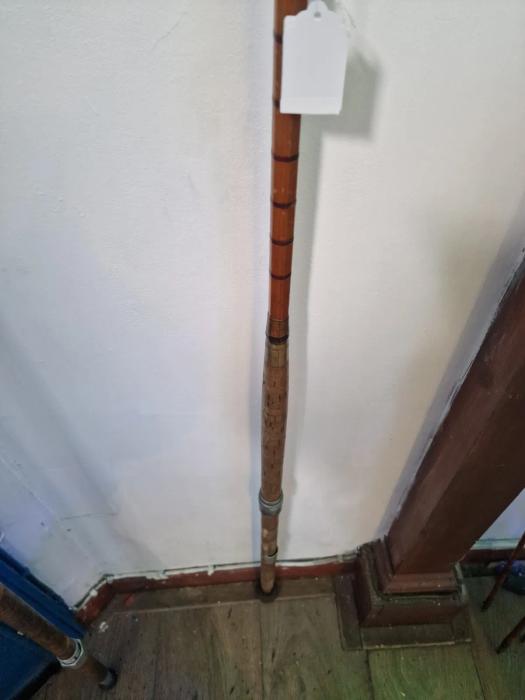
Hardy 15ft 3 piece Fly Fishing Rod (Split Cane)
£200.00
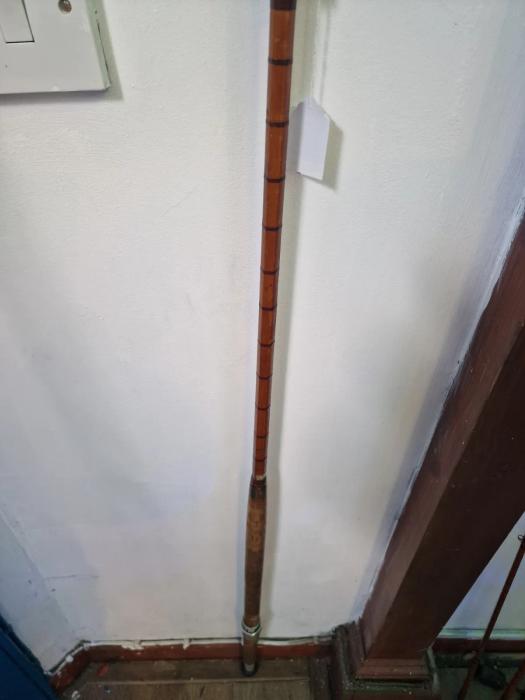
Hardy (Split Cane) 12ft 3 piece Fly Fishing Rod with spare tip
£400.00
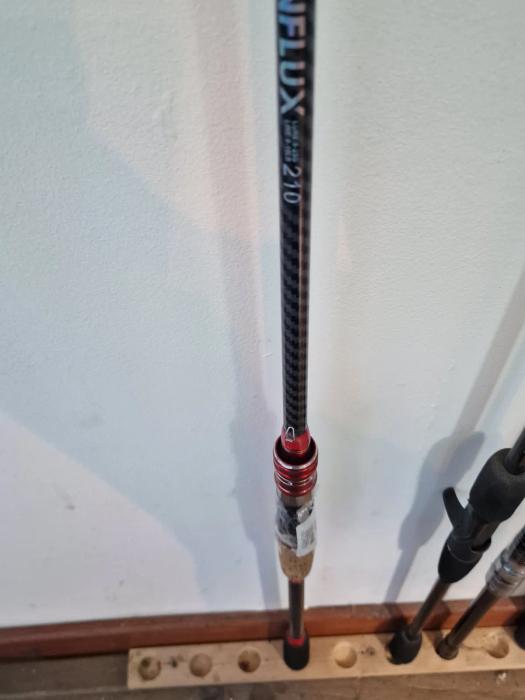
Sylvanflux 210 2 piece Spinning / lure Fishing Rod
£39.99
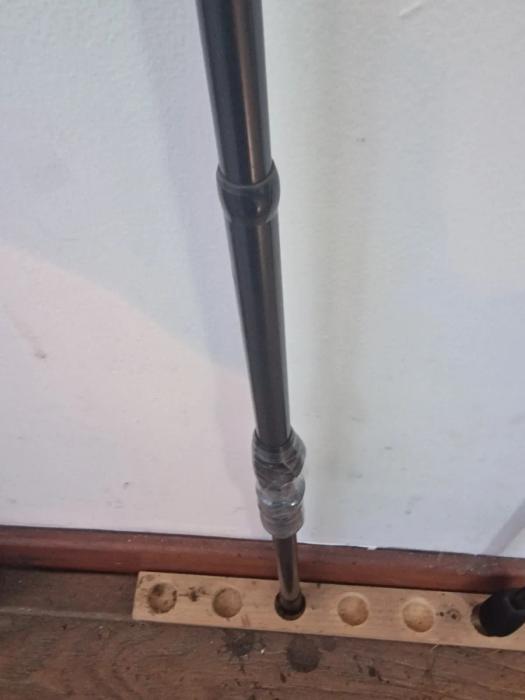
gotuda spin 210 2 piece Spinning / lure Fishing Rod
£31.99
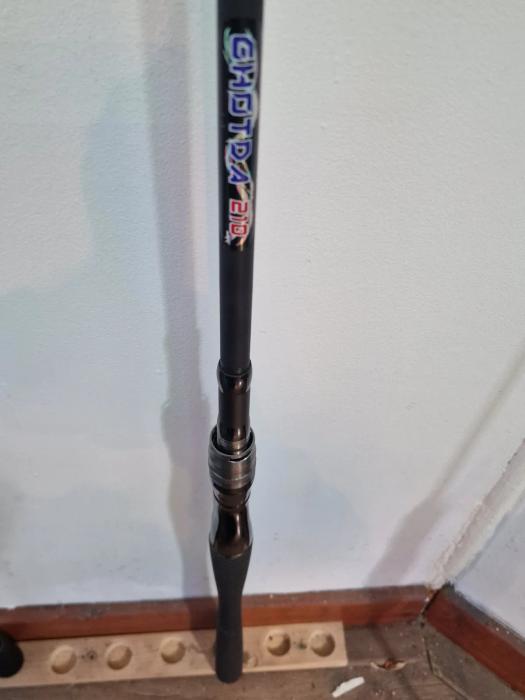
Gotoda 210 2 piece Spinning / lure Fishing Rod
£39.99
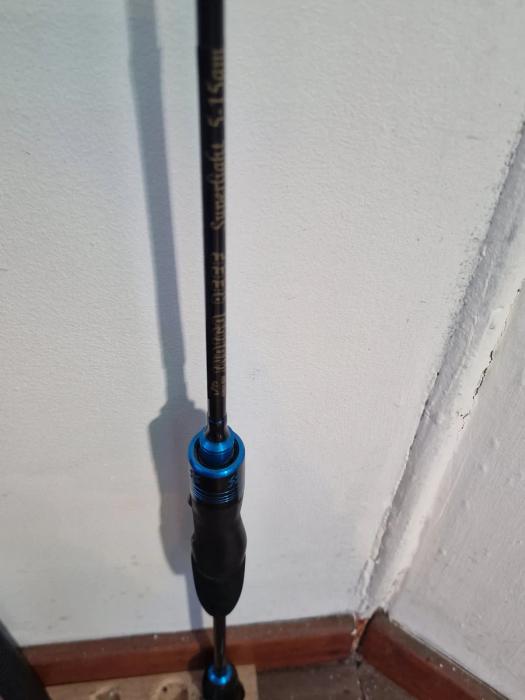
indigo reef 190 2 piece Spinning / lure Fishing Rod
£29.99
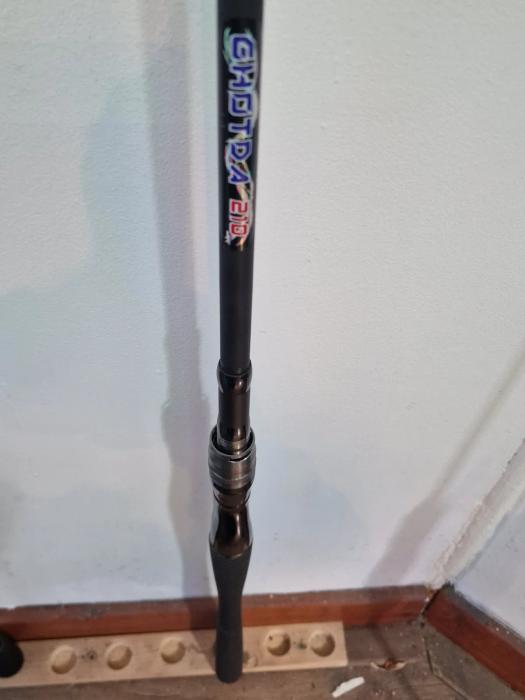
Gotuda 210 2 piece Spinning / lure Fishing Rod
£39.99
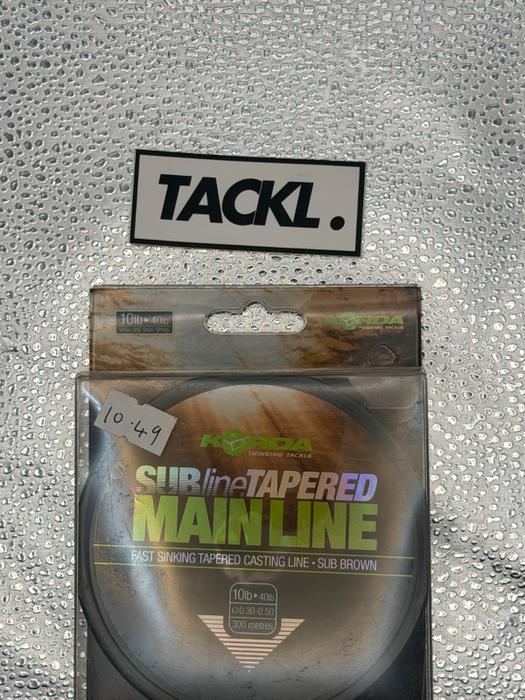
Korda Subline Tapered mainline
£8.00
Grayling fishing questions
Is a grayling a type of trout?
No. While both are in the salmonid family, grayling belong to a different genus (Thymallus). They are distinguished by their huge dorsal fin, larger scales, and smaller, underslung mouth. They often inhabit the same rivers as trout.
Can you eat grayling?
Yes, grayling are edible and have delicate white flesh. However, the vast majority of UK anglers practice catch and release to conserve stocks, as they can be slow-growing and vulnerable to overfishing in some river systems.
Why is the grayling called the 'Lady of the Stream'?
This traditional nickname refers to the fish's undeniable beauty, particularly its large, flowing, and colourful dorsal fin which can look like a lady's fan or dress. It is one of the UK's most striking freshwater fish.
Why is winter considered the best time for grayling fishing?
Grayling remain active and feed enthusiastically in cold water when brown trout become dormant. This provides excellent sport for river anglers throughout the winter months, extending the season well beyond the end of the traditional trout season.
What is the best way to handle a grayling?
Always use wet hands to protect their delicate slime coat. Handle them minimally and keep them in the water as much as possible, using a soft, knotless landing net. Do not squeeze the fish or lay it on dry banks.


