

Chub Fishing UK
By Tackl · Updated 10 October 2026

Squalius cephalus
A hard-fighting and opportunistic omnivore, the chub is a popular UK coarse fish famed for its large mouth and willingness to take a wide variety of baits. Found in rivers, canals and stillwaters, it's a true all-rounder, offering excellent sport for anglers throughout the year, especially in winter.
Photo: Karelj, Public domain, via Wikimedia Commons
- Typical size
- 1-4lb; specimens over 5lb are prized
- British record
- 9lb 5oz (2007)
- Found in
- river, canal, gravel pit, lake, reservoir
- Peak season
- Autumn and winter
How to identify a chub
The chub has a thick-set, streamlined body with brassy-bronze flanks and large, dark-edged scales creating a distinct net-like pattern. Its defining feature is a very large, wide mouth with thick, fleshy lips. The dorsal fin is dark, but the pelvic and anal fins are a characteristic orange-red. The anal fin is convex (rounded outwards), a key feature that distinguishes it from the similar-looking dace, which has a smaller mouth and a concave anal fin. The chub's broad head and blunt snout become more pronounced in larger, older fish, often earning them the nickname 'loggerhead'. It has a broad, powerful tail which contributes to its strong fighting ability.
Where it lives
Primarily a river species, chub are widespread across England and Wales, inhabiting everything from fast, shallow upland streams to deep, slow-flowing lowland rivers. They are masters of using cover, favouring swims with overhanging trees and bushes, undercut banks, submerged roots, and the turbulent water around weir pools and bridge supports. Chub have also adapted well to life in many UK canals and have been successfully introduced into numerous stillwaters, particularly gravel pits and commercial fisheries where they can thrive and reach specimen sizes. They are less common in Scotland but established populations exist in river systems such as the Clyde and Annan.
What it eats and the best baits
Chub are famously omnivorous and opportunistic. Young fish consume a diet rich in aquatic insects, larvae, and freshwater shrimps. As they mature, their diet expands significantly to include small fish like minnows and dace, crayfish, frogs, and even small mammals or birds that fall into the water. They are also known to forage for terrestrial food such as slugs, snails, worms, and berries from overhanging trees. This varied diet makes them susceptible to a wide range of angler's baits throughout the year.
- Bread flake
- Cheese paste
- Luncheon meat
- Slugs
- Lobworms
- Pellets
- Small boilies
- Maggots
Best time of year
- Jan – good
- Feb – good
- Mar – quieter
- Apr – quieter
- May – quieter
- Jun – good
- Jul – good
- Aug – good
- Sep – good
- Oct – good
- Nov – good
- Dec – good
The traditional coarse fish close season on rivers in England and Wales runs from 15th March to 15th June inclusive. Most canals and stillwaters remain open year-round, but always check local club and fishery rules before fishing.
How to catch chub
Versatility is key for chub. On rivers, trotting a stick float or Avon float with bread flake or maggots is a classic and effective approach. For larger, warier specimens, legering is often preferred. A simple running rig or link leger with a lump of cheese paste, luncheon meat, or a small boilie can be deadly. In the summer months, surface fishing with a controller float and a piece of floating crust, or even a large black slug, provides exciting visual sport. Lure fishing with small spinners, spoons, and crankbaits can also be very productive for the roving angler. In winter, when their metabolism slows, a static, smelly bait like a lobworm bunch or a piece of bread is often the best way to tempt a big, lethargic chub. A centrepin reel is the traditional choice for controlling a float on flowing water.
Legal notes
An Environment Agency rod licence is required to fish for chub in England and Wales. In Scotland, where chub are a non-native species and less common, there is no statutory close season for coarse fish; rules are set by local fishery boards and angling associations. Always adhere to local bylaws and fishery-specific regulations regarding bait and methods.
Rules change. Check current Environment Agency, NRW or Scottish regulations and the venue's own rules before fishing. Not professional or legal advice.
Where to catch chub in the UK
Counties with chub recorded on Tackl: Lincolnshire (5), Bedfordshire (4), Essex (3), Staffordshire (3), Nottinghamshire (3), Worcestershire (2), Warwickshire (2), Kent (2), Berkshire (2), Leicestershire (2), Somerset (2), Oxfordshire (2), Norfolk (2), Cambridgeshire (1), Suffolk (1), Hampshire (1), Herefordshire (1).
38 venues in 17 counties
Bedfordshire(4)
- Ampthill ReservoirReported
- Beckerings Park Farm ReservoirReported
- Radwell ComplexReported
- River Great OuseReported
Berkshire(2)
- Finch Farm FisheryReported
- River KennetReported
Cambridgeshire(1)
- Float FishfarmReported
Essex(3)
- Asheldham FisheryReported
- Chelmer & Blackwater Navigation CanalReported
- Rayleigh & District Angling ClubReported
Hampshire(1)
- River Avon (Hampshire)Reported
Herefordshire(1)
- River WyeReported
Kent(2)
- Cackle Hill LakesReported
- Chequertree FisheryReported
Leicestershire(2)
- Frisby Water Park (Pits)Reported
- Mallory Park FisheriesReported
Lincolnshire(5)
- ADH FisheriesReported
- Butterswood LodgeReported
- Caistor Fishing Lakes and Caravan siteReported
- Lakeside RetreatsReported
- Tetford Country CottagesReported
Norfolk(2)
- Taverham Mills FisheryReported
- Wensum Fisheries, Costessey NorfolkReported
Nottinghamshire(3)
- Janson FisheryReported
- Newlands Ponds FisheryReported
- River TrentReported
Oxfordshire(2)
- River CherwellReported
- Upper Farm FisheryReported
Somerset(2)
- River AvonReported
- Rode Hill FisheryReported
Staffordshire(3)
- Coppice Lane FisheryReported
- Cudmore FisheriesReported
- Hamstall FisheryReported
Suffolk(1)
- Reydon No.1 PitReported
Warwickshire(2)
- Butlers Hill FarmReported
- Home Farm LakeReported
Worcestershire(2)
- Alvechurch FisheriesReported
- River SevernReported
Tackle for chub
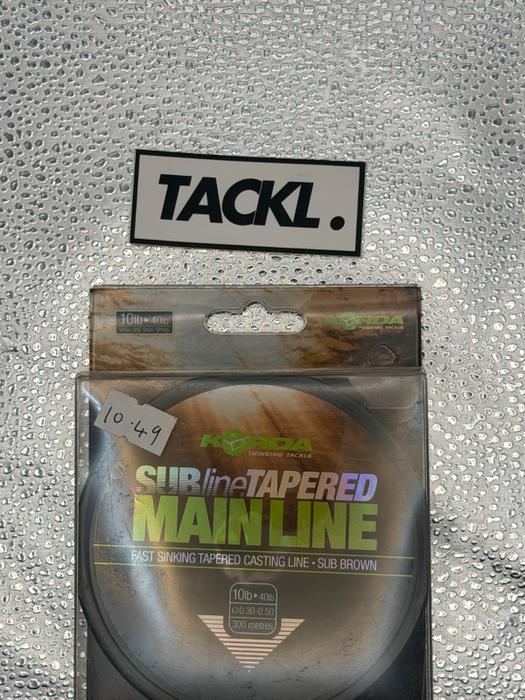
Korda Subline Tapered mainline
£8.00
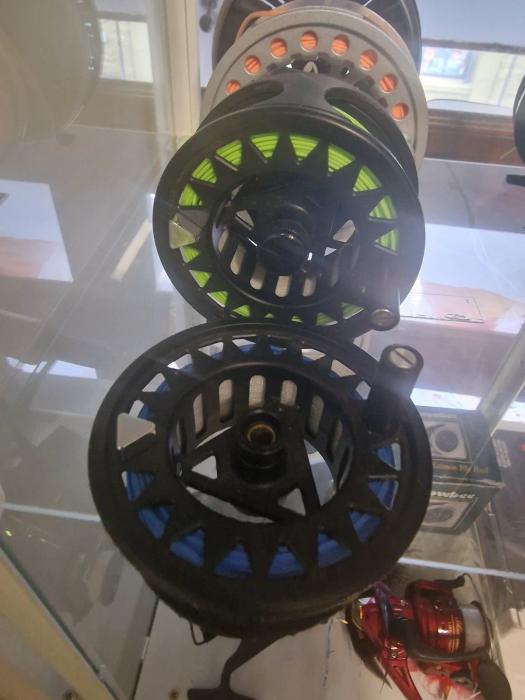
Sierra 8wt fly reel with spare spool
£99.99
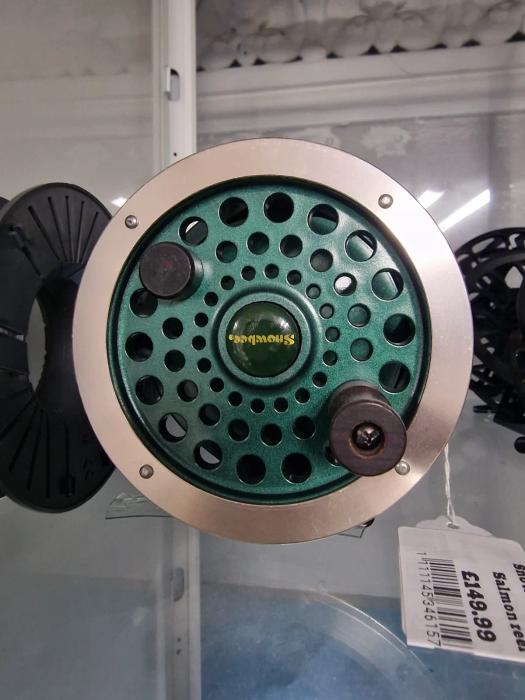
Snowbee Fly Fishing Reel
£149.99
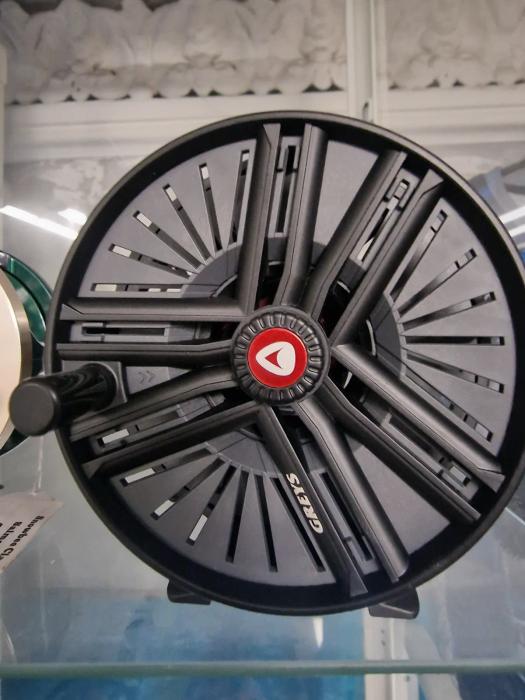
Fishing Reel Greys fin Cassette salmon
£59.99
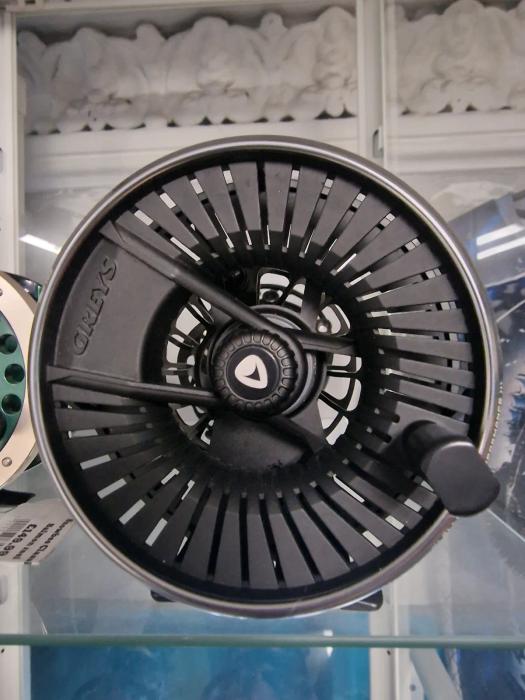
Greys Fly Reel Fishing Reel
£59.99
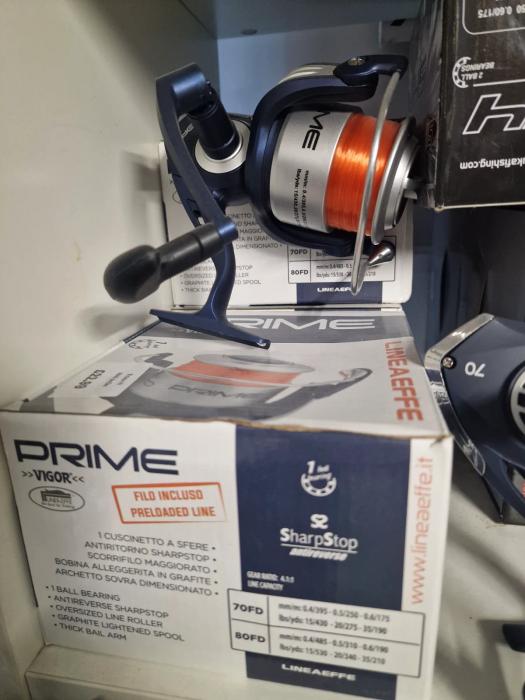
Lineaeffe Spinning 7000 Fishing Reel
£19.99
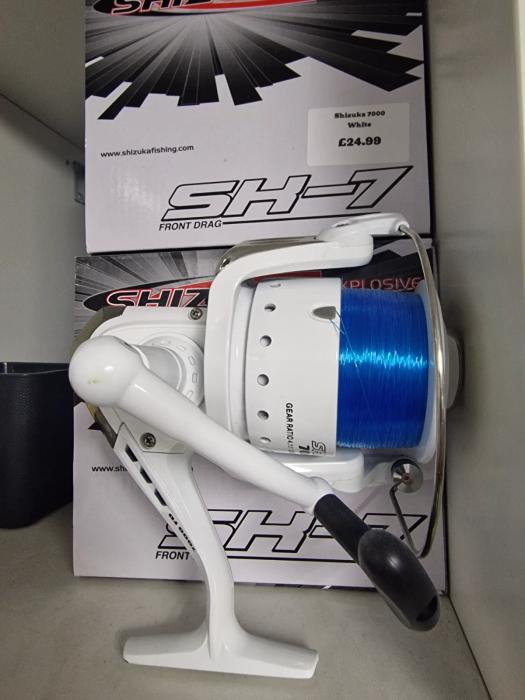
Shizuka Big Pit 7000 Fishing Reel
£23.99
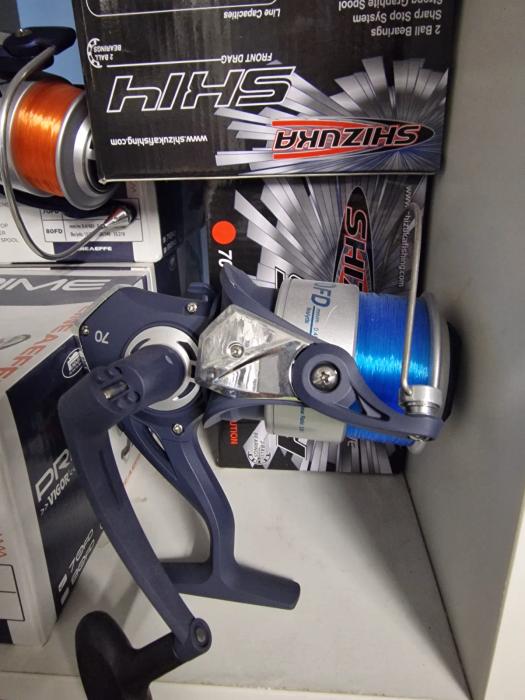
Shizuka Spinning 7000 Fishing Reel
£21.99
Chub guides
- Coarse Fishing Close Season: When and Where You Can Fish in England & Wales
- Fish Catch and Size Limits in England & Wales: What You Can Keep
- Fishing Conditions Explained: How Weather Affects Fish
- Fishing Tackle Rules in England & Wales: Rods, Bait, Lead and Nets
- How to Tie a Knotless Knot: A Step-by-Step Carp Fishing Guide
- Rod Fishing Licence UK: Prices, Types, Rod Limits and How to Buy (2026)
Chub fishing questions
What is the best bait for big chub?
Big chub respond well to large, smelly baits. Strong cheese paste, luncheon meat, and large slugs are classic choices. In winter, a legered lobworm or a small fish deadbait where permitted can be particularly effective for a specimen-sized fish seeking a substantial meal with minimal effort.
How can you tell a chub from a dace?
The easiest way is to look at the mouth and anal fin. A chub has a much larger, wider mouth and a convex (outwardly curved) anal fin. A dace has a smaller mouth and a concave (inwardly curved) anal fin. Chub also grow much larger.
Is it possible to catch chub in winter?
Absolutely. Chub are one of the most reliable coarse fish to target in winter as they continue to feed actively in cold water. Many specimen chub are caught during the coldest months, from December through to the start of the close season in March.
Where is the best place to find chub in a river?
Look for cover. Chub love structure that offers protection and a food supply. Overhanging trees and bushes (known as 'chub swims'), undercut banks, submerged roots, and the crease of water flowing out from a weir pool are all prime locations to find them.
Do chub fight hard?
Yes, chub are renowned for their powerful initial take and a dogged, determined fight. They use their broad flanks to catch the current, making for an impressive battle, especially on balanced tackle. The first few seconds after hooking one can be explosive.


