

Barbel Fishing UK
By Tackl · Updated 10 October 2026

Barbus barbus
Known as the 'River Prince', the barbel is a powerful, hard-fighting freshwater fish, prized by UK anglers. It is a bottom-dwelling species, perfectly adapted to fast-flowing rivers with its streamlined, muscular body and distinctive whisker-like barbules used to locate food on the riverbed.
Photo: Neil Phillips from uk, CC BY 2.0, via Wikimedia Commons
- Typical size
- 4-9lb, with fish over 10lb ('double-figure') considered specimens.
- British record
- 21lb 2oz (Colin Smithson, Sussex River, 2019)
- Found in
- river, gravel pit
- Peak season
- Summer and Autumn
How to identify a barbel
The barbel has a torpedo-shaped, bronze or olive-gold body, fading to a pale, creamy white belly. Its most defining feature is an underslung mouth with four prominent barbules—two at the front and one at each corner—used to feel for food. The head is pointed, and the fins are large and powerful, especially the high, sharp-edged dorsal fin and the broad, reddish-tinted pectoral fins which help it hold position in strong currents. The scales are relatively small and well-defined. This combination of features makes it unmistakable among UK river species and perfectly adapted for life in fast-flowing water.
Where it lives
Barbel are synonymous with well-oxygenated, clean, medium-to-fast flowing rivers with gravel or stone beds. They are widespread in England and Wales, with famous populations in rivers such as the Trent, Severn, Wye, Hampshire Avon, Kennet, and Great Ouse. They are bottom dwellers, seeking out deeper runs, gravel glides, and areas of cover like undercut banks, submerged weed beds, fallen trees, and the faster water below weirs and bridge supports. While primarily a river fish, some populations exist in gravel pits that are connected to, or have been flooded by, adjacent rivers.
What it eats and the best baits
A barbel's natural diet consists primarily of bottom-dwelling invertebrates. It uses its four prominent barbules to search the gravel for food items such as caddis larvae, freshwater shrimps, snails, and aquatic worms. They are opportunistic and will also consume small fish, crayfish, fish eggs, and any carrion washed downstream. In summer, they feed voraciously, building up reserves for the colder months. This varied diet makes them receptive to a wide range of angler's baits.
- Luncheon meat
- Halibut pellets
- Fishmeal boilies
- Spam
- Maggots (feeder)
- Paste
- Worms
Best time of year
- Jan – quieter
- Feb – quieter
- Mar – quieter
- Apr – quieter
- May – quieter
- Jun – good
- Jul – good
- Aug – good
- Sep – good
- Oct – good
- Nov – good
- Dec – quieter
Under Environment Agency byelaws for England and Wales, the coarse fish close season on all rivers runs from 15th March to 15th June inclusive. It is illegal to fish for barbel or any coarse fish on rivers during this period.
How to catch barbel
The predominant method is heavy-duty feeder fishing, often referred to as 'specimen' tactics. This involves using a powerful feeder rod (1.75lb-2.25lb test curve), a robust reel (baitrunner or big pit style) loaded with 10-15lb monofilament or braid, and a strong terminal rig. Cage or block-end feeders are packed with groundbait, hemp, and pellets to lay down a scent trail. Hookbaits are typically large pellets, boilies, or cubes of luncheon meat presented on a short hooklink, often using a 'bolt rig' setup. Another effective, more active method is 'rolling meat', where a piece of luncheon meat is freelined downstream, bumping along the bottom to imitate natural food. Due to their immense power, strong, reliable tackle is essential to land them safely.
Legal notes
An Environment Agency rod licence is mandatory for all anglers aged 13 or over fishing in England and Wales. The statutory coarse fish close season (15 March - 15 June) on rivers must be observed. In Scotland, where barbel are not native and have a limited distribution, there is no statutory close season but local fishery rules may apply.
Rules change. Check current Environment Agency, NRW or Scottish regulations and the venue's own rules before fishing. Not professional or legal advice.
Where to catch barbel in the UK
Counties with barbel recorded on Tackl: Lincolnshire (7), Bedfordshire (3), Worcestershire (2), Nottinghamshire (2), Norfolk (2), Staffordshire (1), Cambridgeshire (1), Warwickshire (1), Essex (1), Somerset (1), Hampshire (1), Oxfordshire (1), Berkshire (1), Herefordshire (1).
25 venues in 14 counties
Bedfordshire(3)
- Beckerings Park Farm ReservoirReported
- Radwell ComplexReported
- River Great OuseReported
Berkshire(1)
- River KennetReported
Cambridgeshire(1)
- Float FishfarmReported
Essex(1)
- Rayleigh & District Angling ClubReported
Hampshire(1)
- River Avon (Hampshire)Reported
Herefordshire(1)
- River WyeReported
Lincolnshire(7)
- Butterswood LodgeReported
- Caistor Fishing Lakes and Caravan siteReported
- Froghall Fisheries & LodgesReported
- Grooby's PitReported
- North View LakesReported
- Swanlake Leisure ParkReported
- Tetford Country CottagesReported
Norfolk(2)
- Taverham Mills FisheryReported
- Wensum Fisheries, Costessey NorfolkReported
Nottinghamshire(2)
- Janson FisheryReported
- River TrentReported
Oxfordshire(1)
- River CherwellReported
Somerset(1)
- River AvonReported
Staffordshire(1)
- Cudmore FisheriesReported
Warwickshire(1)
- Packington Somers FisheryReported
Worcestershire(2)
- Alvechurch FisheriesReported
- River SevernReported
Tackle for barbel
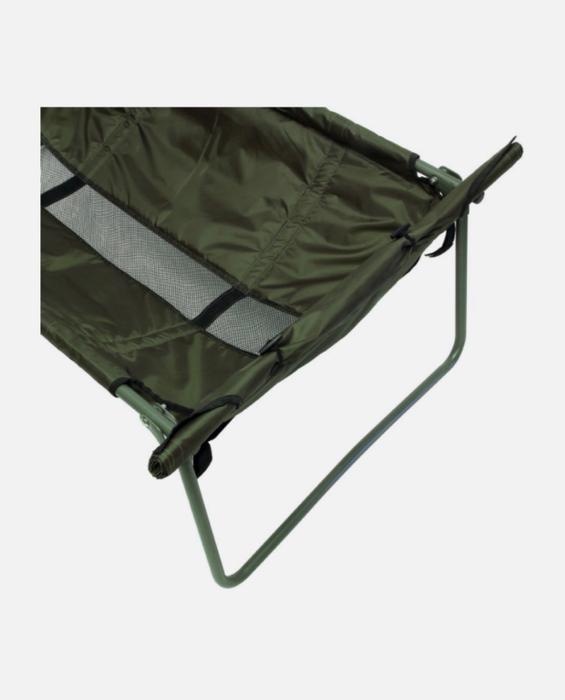
NGT Cradle
£60.00
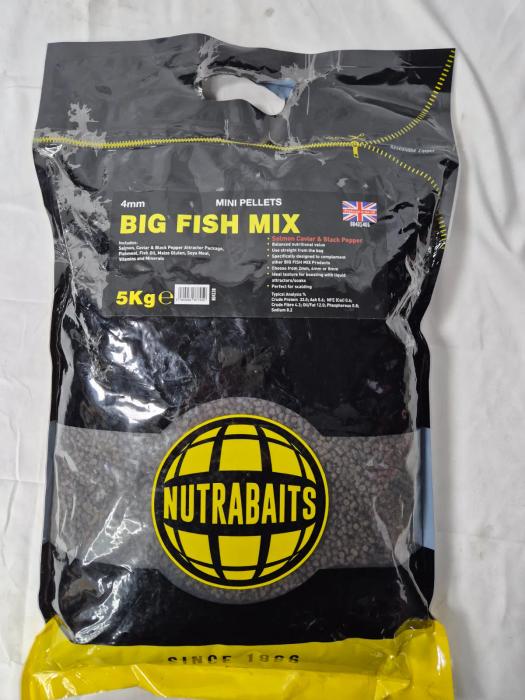
Nutrabaits Pellets Big Fish Mix (Salmon, Caviar & Black Pepper) 4mm 5kg
£20.00
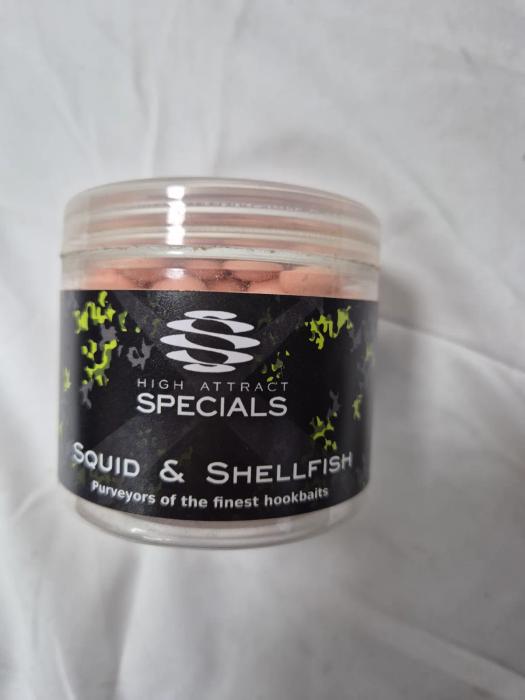
High Attract Specials Pop-ups Various options 12-14mm 1 tub 50g
£8.00
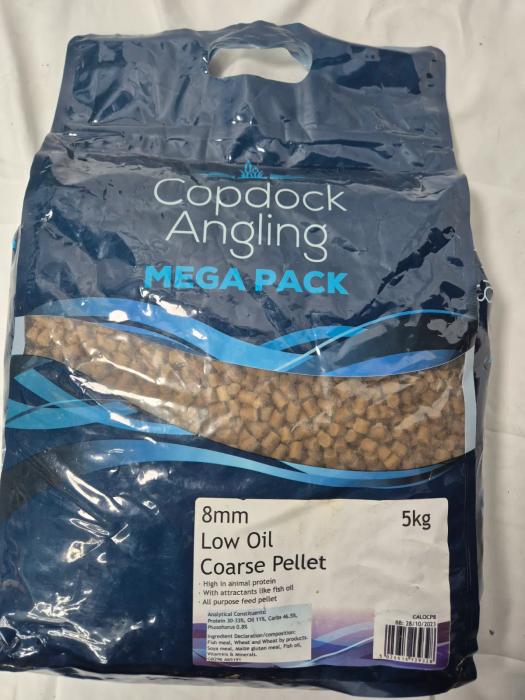
Copdock Angling Low Oil Coarse Pellets 5kg
£12.00
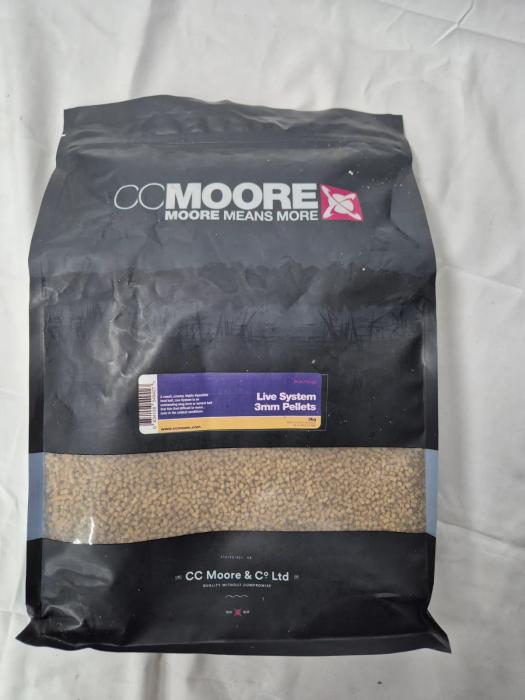
CC Moore Pellets Live System 3mm 3kg
£15.00
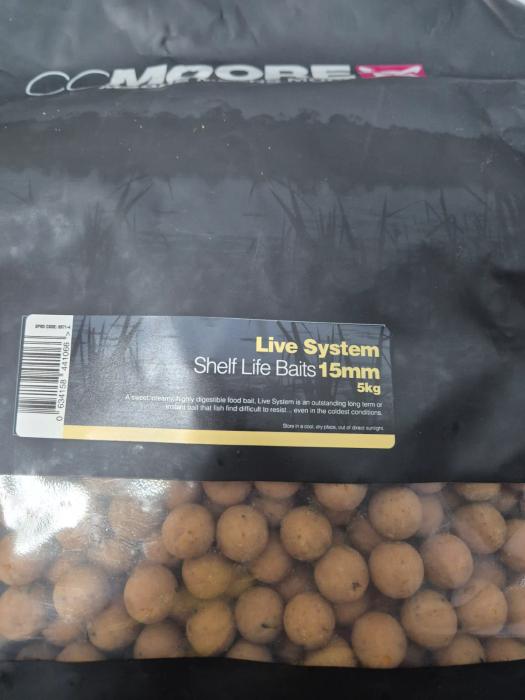
CC Moore Boilies & Dumbells Live System 5kg
£30.00
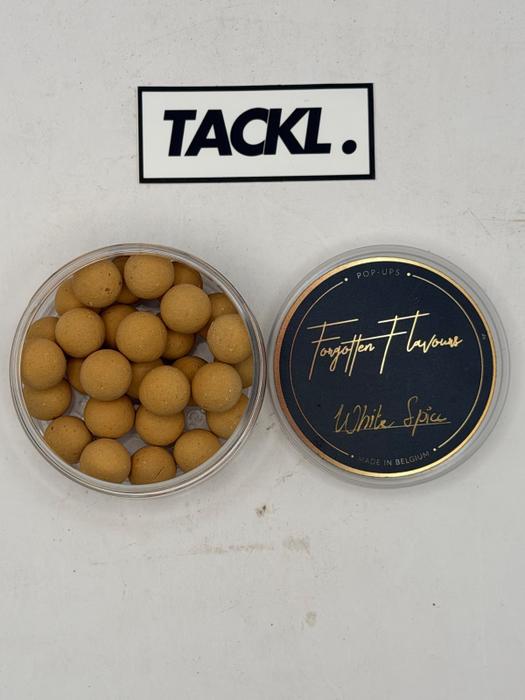
Forgotten Flavours Bait
£5.00
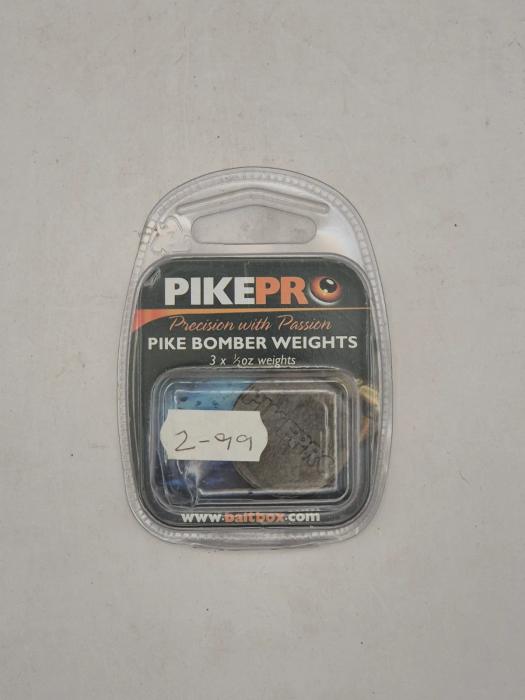
Pike pro pike bomber weights
£2.00
Barbel guides
- Coarse Fishing Close Season: When and Where You Can Fish in England & Wales
- Fish Catch and Size Limits in England & Wales: What You Can Keep
- Fishing Conditions Explained: How Weather Affects Fish
- Fishing Tackle Rules in England & Wales: Rods, Bait, Lead and Nets
- How to Tie a Knotless Knot: A Step-by-Step Carp Fishing Guide
- Rod Fishing Licence UK: Prices, Types, Rod Limits and How to Buy (2026)
Barbel fishing questions
What is the best time of day to catch barbel?
Barbel feed most confidently in low light. The hours of dawn and dusk are prime times, especially during the summer months. Fishing into the darkness can also be extremely effective, as they often become less wary and move out to feed more openly.
Why do barbel fight so hard?
Their streamlined, muscular bodies and large fins are perfectly evolved for holding position in powerful river currents. This natural adaptation gives them incredible strength and stamina when hooked, resulting in the powerful, lunging fight for which they are famous.
What is the correct way to handle a barbel?
Use a large, soft-mesh landing net and a wet unhooking mat. Minimise time out of the water. To release, support the fish in the current facing upstream until it has fully recovered its strength and swims away powerfully. Never just drop them back.
What size hook should I use for barbel?
Strong, sharp hooks are essential. Depending on the bait size, patterns from size 6 to 12 are standard. A size 8 or 10 is a good starting point for baits like pellets, boilies or meat. Ensure the hook is strong enough not to straighten during the fight.
Can you catch barbel during the winter?
Yes, but it is much more challenging as their metabolism slows in the cold water. Focus on milder, overcast days, and locate deeper, steadier-flowing areas where they might shoal up. Single, high-attract baits can sometimes tempt a bite when they are otherwise inactive.


