

Gudgeon Fishing UK
By Tackl · Updated 10 October 2026

Gobio gobio
A small, shoaling, bottom-dwelling cyprinid, the gudgeon is a favourite among traditional anglers and a welcome sight in any net. Widespread in rivers and canals, its willingness to feed provides reliable sport, especially during colder months when other species are less active. Known affectionately as the 'gonk'.
Photo: OpenCage, CC BY-SA 2.5, via Wikimedia Commons
- Typical size
- 1-3oz, with a 4oz fish being a specimen
- British record
- 5oz 0dr (1990, D. H. Hull, River Nadder)
- Found in
- river, canal, gravel pit, lake, drain
- Peak season
- Summer and autumn
How to identify a gudgeon
The gudgeon is a small, slender fish with a distinctive greyish-brown, mottled pattern on its back and flanks, providing excellent camouflage. Key features include a pair of prominent barbules, one at each corner of its underslung mouth, used for locating food on the bottom. It has relatively large pectoral fins to help it hold position in a current. A row of dark blotches typically runs along the lateral line. The dorsal and forked caudal fins often show faint rows of dark spots. It can be confused with the stone loach, but the loach has a flatter body and head, plus six barbules.
Where it lives
Gudgeon are widespread and common throughout most of England and Wales, particularly in lowland rivers and canals, but are scarcer in Scotland and absent from Northern Ireland. They thrive in clean, well-oxygenated water with a moderate flow and prefer riverbeds of gravel, sand, or firm silt. They are shoaling fish that live right on the bottom, often congregating in glides, behind weed beds, or below weir sills where the current churns up food. While predominantly a river fish, established populations can be found in some lakes and gravel pits, especially those connected to a river system.
What it eats and the best baits
The gudgeon is a benthic insectivore, using its underslung mouth and sensitive barbules to forage on the bottom. Its diet consists mainly of small invertebrates uncovered in the substrate. This includes bloodworm (chironomid larvae), caddisfly larvae, freshwater shrimps (Gammarus), small snails, and water lice (Asellus). It will also consume fish eggs and tiny fry when the opportunity arises. They often follow larger fish like barbel or chub, feeding on food items disturbed by their activity.
- maggot
- pinkie
- caster
- bloodworm
- joker
- small worm
- bread punch
Best time of year
- Jan – good
- Feb – good
- Mar – quieter
- Apr – quieter
- May – quieter
- Jun – good
- Jul – good
- Aug – good
- Sep – good
- Oct – good
- Nov – good
- Dec – good
The traditional coarse fishing close season on rivers, streams, and drains in England and Wales runs from 15th March to 15th June inclusive. During this period, fishing for gudgeon on these venues is illegal.
How to catch gudgeon
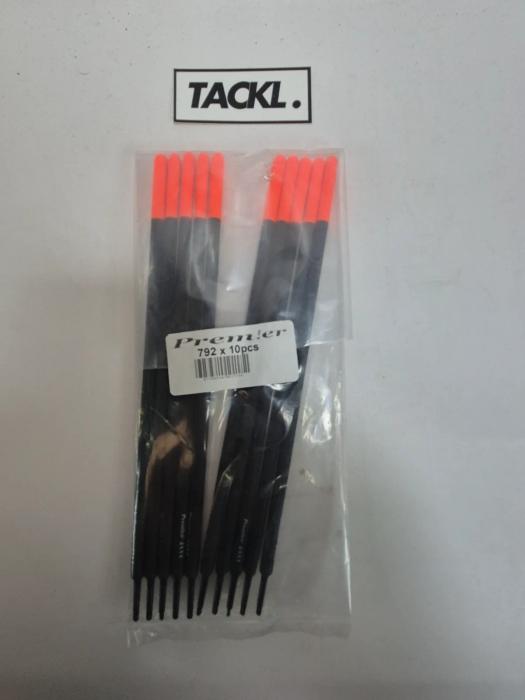
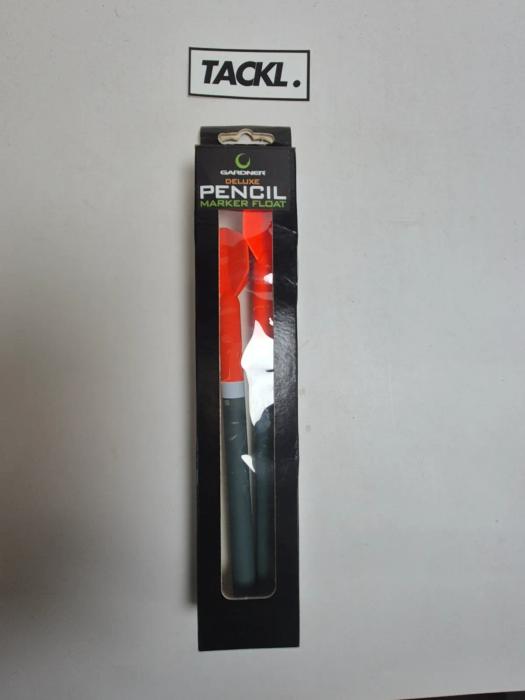
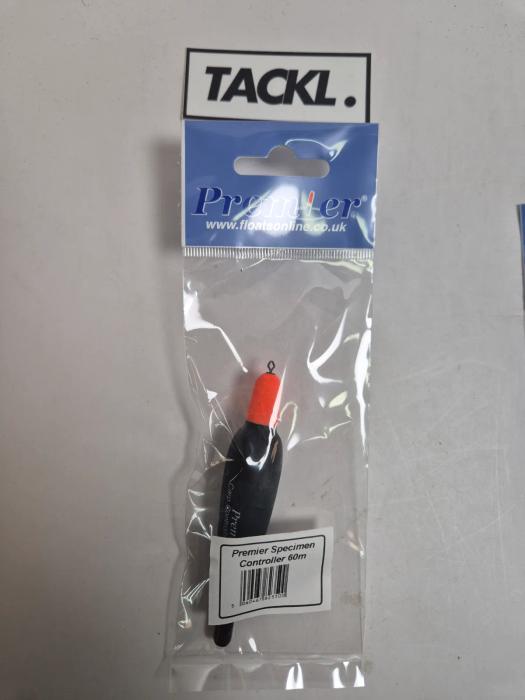
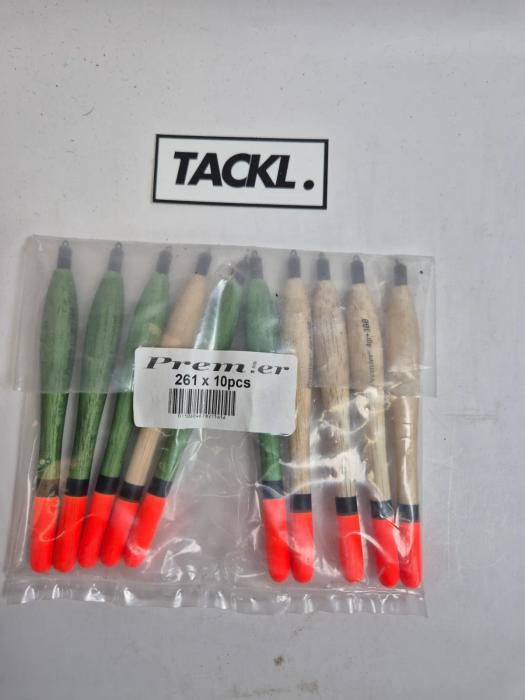
Catching gudgeon requires light, sensitive tackle. The classic method is fishing a whip or short pole-to-hand, using a light float with the bulk of the shotting around a metre from the hook and a couple of small 'dropper' shot below. Set the float just overdepth so the bait trips along the bottom. A fine-wire hook in a size 22 to 18 is perfect for a single maggot or pinkie. Alternatively, a light quivertip or feeder rod with a small open-end feeder filled with dark groundbait can be very effective, drawing a shoal into the swim. Frequent casting and feeding is key to building competition among the shoal. Bites are often confident, pulling the float or tip straight round.
Legal notes
Anglers aged 13 or over must have a valid Environment Agency rod licence to fish for gudgeon in England and Wales. In Scotland, no national close season exists for coarse fish, but landowner permission is required and local regulations may apply. Using gudgeon as livebait is subject to strict regional byelaws regarding fish movement to prevent disease spread.
Rules change. Check current Environment Agency, NRW or Scottish regulations and the venue's own rules before fishing. Not professional or legal advice.
Where to catch gudgeon in the UK
Counties with gudgeon recorded on Tackl: Lincolnshire (2), Somerset (2), Bedfordshire (1), West Sussex (1), Derbyshire (1), Surrey (1), Greater Manchester (1), Leicestershire (1), Essex (1), Suffolk (1), Lancashire (1).
13 venues in 11 counties
Bedfordshire(1)
- Ampthill ReservoirReported
Derbyshire(1)
- Beehive FarmReported
Essex(1)
- Rayleigh & District Angling ClubReported
Greater Manchester(1)
- Fall Birch Lodge FisheryReported
Lancashire(1)
- Stanley Villa Farm FisheryReported
Leicestershire(1)
- Mallory Park FisheriesReported
Lincolnshire(2)
- Caistor Fishing Lakes and Caravan siteReported
- Stubton PondsReported
Somerset(2)
- Century PondsReported
- Higher Farm FisheryReported
Suffolk(1)
- Reydon No.1 PitReported
West Sussex(1)
- Ardingly ReservoirReported
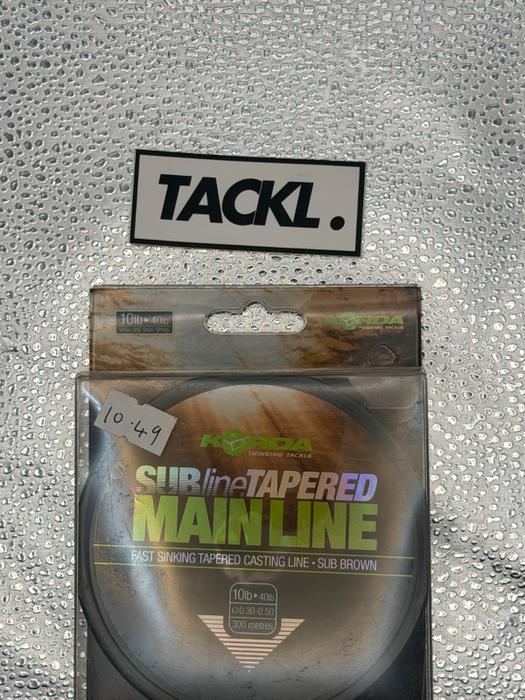
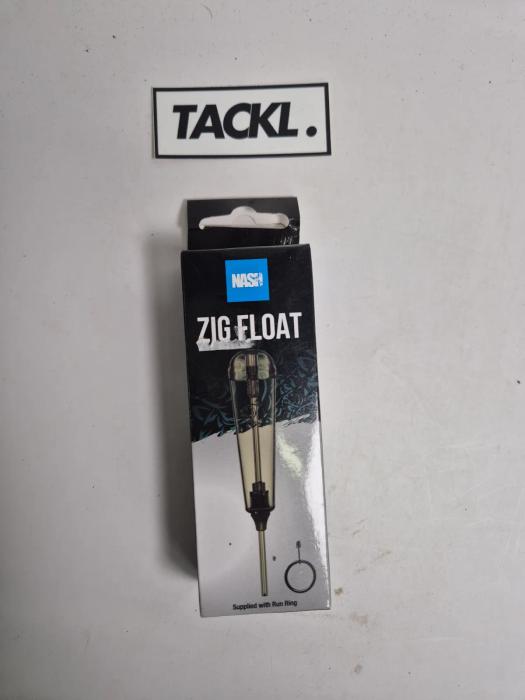
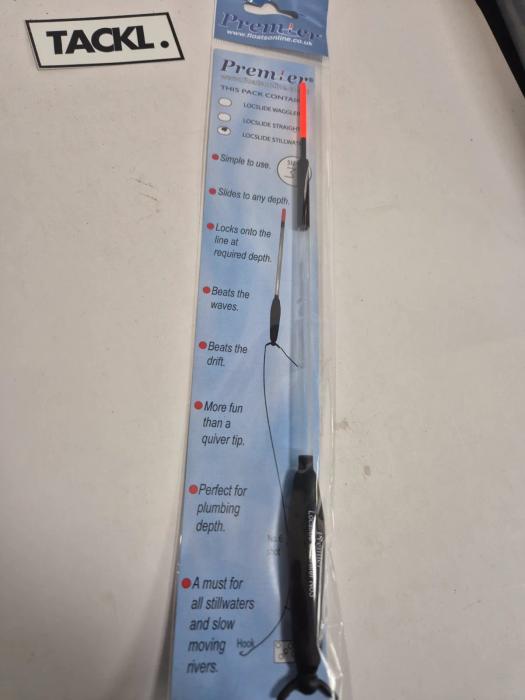
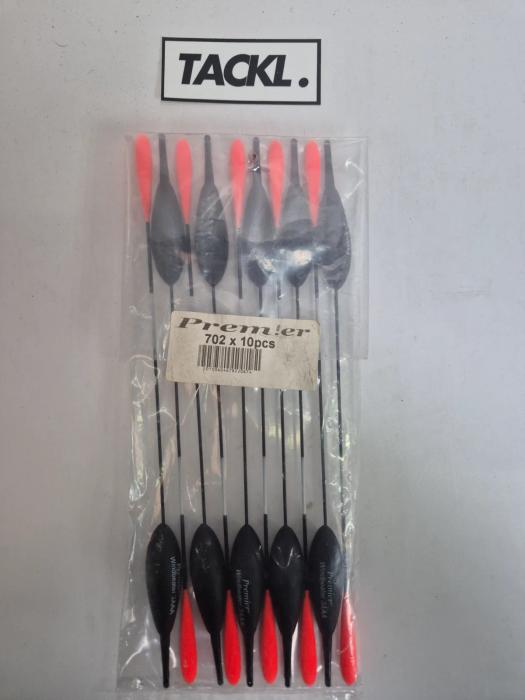
Tackle for gudgeon
Gudgeon guides
- Coarse Fishing Close Season: When and Where You Can Fish in England & Wales
- Fish Catch and Size Limits in England & Wales: What You Can Keep
- Fishing Conditions Explained: How Weather Affects Fish
- Fishing Tackle Rules in England & Wales: Rods, Bait, Lead and Nets
- How to Tie a Knotless Knot: A Step-by-Step Carp Fishing Guide
- Rod Fishing Licence UK: Prices, Types, Rod Limits and How to Buy (2026)
Gudgeon fishing questions
Are gudgeon good to eat?
While technically edible, gudgeon are very small and bony. Historically, they were considered a delicacy, often fried whole, but are rarely eaten by modern UK anglers who almost universally practise catch and release for them.
What is a specimen gudgeon?
A gudgeon over 4oz (113g) is widely considered a specimen fish in the UK. The British record stands at just 5oz, highlighting how rare truly large gudgeon are. Any fish approaching this size is exceptional.
Do gudgeon make good livebait?
Gudgeon are hardy and were historically used as livebait for predators like perch. However, current Environment Agency byelaws in many regions restrict the movement of fish between waters to prevent disease spread, making this practice much less common and often illegal.
How can I tell a gudgeon from a stone loach?
A gudgeon has two prominent barbules at its mouth corners. A stone loach is more eel-like, has a flatter head, and possesses six barbules around its mouth. Gudgeon also have a more distinct forked tail.
Can you catch gudgeon in winter?
Yes, gudgeon are excellent winter targets. They remain active and feed confidently in cold water when many other species become lethargic. Light tactics on clear rivers and canals can produce bites all day long.


