

Ruffe Fishing UK
By Tackl · Updated 10 October 2026

Gymnocephalus cernua
A small, perch-like fish with a spiny, joined dorsal fin and mottled camouflage pattern. Ruffe are widespread in UK canals and slow rivers, often caught by accident when targeting other species. They are aggressive feeders but their small size means they are rarely a primary target for anglers.
Photo: Tiit Hunt, CC BY-SA 3.0, via Wikimedia Commons
- Typical size
- 1-3oz (30-85g)
- British record
- 5oz 4dr (0.148kg) - R.O. Rumsby, Dawes Mere, Norfolk, 1980
- Found in
- river, lake, canal, reservoir, gravel pit, drain
- Peak season
- Summer and autumn
How to identify a ruffe
The most definitive feature of the ruffe is its single, large, spiny dorsal fin, which is joined to the soft-rayed rear part. This distinguishes it from the perch, which has two separate dorsal fins. Ruffe have a sandy brown to olive green body covered in dark, irregular blotches, providing excellent camouflage. They have large eyes and a down-turned mouth suited for bottom feeding. Unlike perch, they have no red or orange on their fins. The gill covers possess sharp spines, and the body is covered in a thick layer of slime. They are a small fish, rarely exceeding 15cm in length.
Where it lives
Ruffe are a bottom-dwelling (benthic) species that thrive in a variety of freshwater environments across the UK, especially canals, slow-flowing lowland rivers, drains, and nutrient-rich lakes and reservoirs. They form shoals and prefer deeper, darker areas with a substrate of silt, sand or fine gravel. They often congregate around structures that offer cover, such as bridge supports, lock cuttings, weedbeds, and boat moorings. Their tolerance for turbid water and a range of conditions has allowed them to colonise many water systems, sometimes to the detriment of other species due to their predatory nature on fish eggs and fry.
What it eats and the best baits
Ruffe are benthic predators, feeding primarily on the bottom. Their diet consists of small invertebrates, including insect larvae like bloodworm and chironomid midge larvae, as well as crustaceans such as freshwater shrimps and water lice (Asellus). They are voracious and will also consume the eggs and fry of other fish species, which can impact stocks in some fisheries. Their large, downturned mouth is well adapted for hoovering up food items from the substrate in still or slow-flowing water.
- maggot
- pinkie
- squatt
- bloodworm
- joker
- brandling
- redworm
- chopped worm
Best time of year
- Jan – quieter
- Feb – quieter
- Mar – quieter
- Apr – quieter
- May – good
- Jun – good
- Jul – good
- Aug – good
- Sep – good
- Oct – good
- Nov – quieter
- Dec – quieter
In England and Wales, the coarse fish close season prohibits fishing on rivers from 15 March to 15 June inclusive. Most canals and stillwaters remain open year-round, but always check local fishery rules. There is no statutory close season for coarse fish in Scotland.
How to catch ruffe
Ruffe are rarely a target species but are frequently caught by anglers fishing for other small fish like gudgeon, roach, and perch. The most effective method is to fish a small bait hard on the bottom. Pole fishing or using a short whip is ideal for presenting baits accurately in canals and river margins. Use a light rig with fine line (e.g., 1lb hooklength), a sensitive float, and a small hook (size 20-24). Bait with a single maggot, pinkie, or a tiny segment of a redworm. A light legering or feeder setup with a short hooklink can also be effective in deeper water. Due to their aggressive nature, they often give very positive bites. They have a habit of swallowing baits deeply, so a disgorger is an essential piece of kit.
Legal notes
A rod licence from the Environment Agency is legally required for all freshwater fishing in England and Wales for anyone aged 13 or over. In Scotland, a national rod licence is not required, but you must have permission from the relevant landowner or angling club. Always adhere to local fishery bylaws, including any rules on bait restrictions.
Rules change. Check current Environment Agency, NRW or Scottish regulations and the venue's own rules before fishing. Not professional or legal advice.
Where to catch ruffe in the UK
Counties with ruffe recorded on Tackl: Norfolk (1).
1 venue in 1 county
Norfolk(1)
- Felthorpe LakesReported
Tackle for ruffe
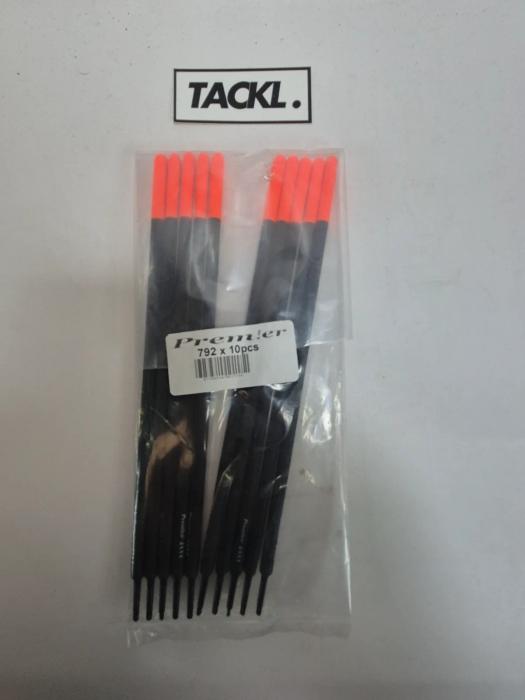
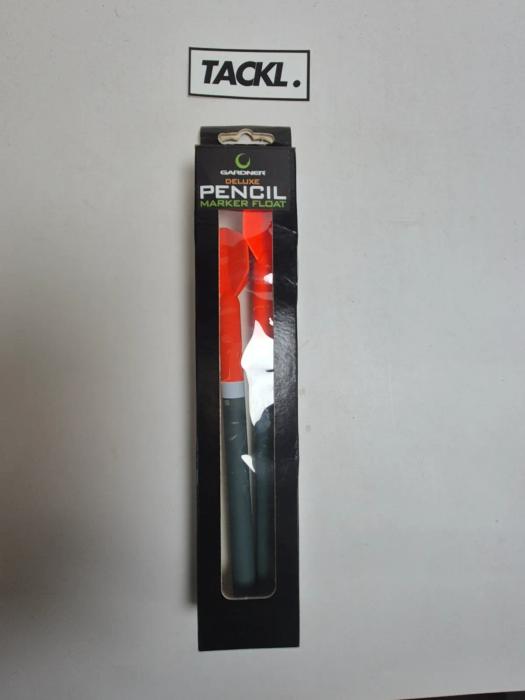
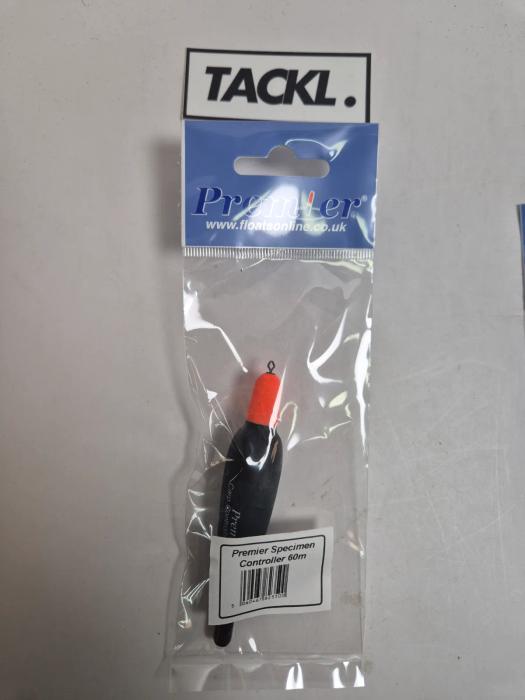
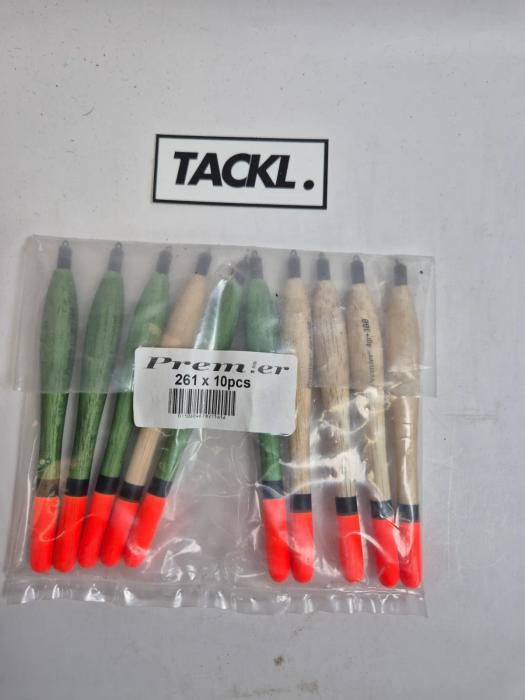
Ruffe guides
- Coarse Fishing Close Season: When and Where You Can Fish in England & Wales
- Fish Catch and Size Limits in England & Wales: What You Can Keep
- Fishing Conditions Explained: How Weather Affects Fish
- Fishing Tackle Rules in England & Wales: Rods, Bait, Lead and Nets
- How to Tie a Knotless Knot: A Step-by-Step Carp Fishing Guide
- Rod Fishing Licence UK: Prices, Types, Rod Limits and How to Buy (2026)
Ruffe fishing questions
Are ruffe and perch the same species?
No, they are different species within the same family (Percidae). A ruffe has one single, joined dorsal fin and a mottled pattern, whereas a perch has two separate dorsal fins and distinct vertical bars. Ruffe also lack the perch's characteristic orange pelvic and anal fins.
Can you eat ruffe?
While technically edible, ruffe are very small, bony, and covered in sharp spines and slime. This makes them impractical as a food fish, and they are almost universally returned by UK anglers.
How do you handle a ruffe safely?
Handle with care. Their sharp dorsal fin and gill cover spines can cause painful pricks. Use a wet cloth to hold the fish and a disgorger to remove the hook, as they often swallow the bait deeply. This protects both you and the fish from harm.
Are ruffe an invasive or pest species in the UK?
Ruffe are native to parts of the UK but have been widely introduced elsewhere. In some fisheries, their rapid breeding and diet of fish eggs and invertebrates can lead to them being considered a nuisance, negatively impacting populations of other species like roach and bream.
Why is a ruffe sometimes called a 'pope'?
The colloquial name 'pope' is thought to be an old one, referencing the fish's large, spiny dorsal fin. When erect, it was fancifully compared to the shape of a bishop's mitre, a hat worn by high-ranking clergy.


