

Perch Fishing UK
By Tackl · Updated 10 October 2026

Perca fluviatilis
An iconic UK predatory fish, the perch is instantly recognisable by its bold stripes and spiny dorsal fin. Found in a wide variety of waters, it is a popular target for all anglers, from beginners catching small 'wasps' to specialists hunting huge, hump-backed specimens.
Photo: Gilles San Martin, CC BY-SA 2.0, via Wikimedia Commons
- Typical size
- Small 'wasps' under 8oz are common; a 2lb fish is a specimen, with 3lb+ being the fish of a lifetime for many.
- British record
- 6lb 4oz (Ken Brown, Wilstone Reservoir, 2011)
- Found in
- river, lake, canal, pond, reservoir, drain, gravel pit
- Peak season
- Autumn and Winter
How to identify a perch
The perch is unmistakable. Its olive-green body features 5-9 dark, vertical bars. It has two dorsal fins: the first is tall and spiny with a distinct black spot at the rear, a key identifier. The pelvic and anal fins are a vibrant orange-red. The body is deep and becomes more hump-backed with age. A large mouth suited to its predatory lifestyle and a sharp spine on the gill cover are also prominent features. Young fish are brightly coloured, while very large, old specimens can be much darker, almost bronze, with their stripes becoming less distinct.
Where it lives
Perch are highly adaptable and widespread, found in almost every type of UK freshwater habitat from slow-moving rivers and drains to vast reservoirs and small farm ponds. They are a shoaling species, especially when young. Look for them around any form of structure that provides cover for ambushing prey: submerged trees, weedbeds, lily pads, bridge supports, lock gates, and undercut banks. In stillwaters, they often patrol marginal shelves and drop-offs. Large, solitary perch often hold up in deeper water near a specific feature, moving into shallower areas to feed at dawn and dusk.
What it eats and the best baits
Juvenile perch feed on zooplankton and aquatic invertebrates like bloodworm and small shrimps. As they grow, their diet shifts towards larger prey. Fish over 4oz become increasingly predatory, feeding on small fish such as roach, minnows, and even smaller perch. They are voracious hunters, often working in shoals to herd and ambush their prey. Larger specimens will also take crayfish and bigger insect larvae. Their diet makes them highly susceptible to both baits and lures.
- Lobworms
- Red maggots
- Prawns
- Spinners
- Jigs
- Soft plastic shads
- Small deadbaits
- Crankbaits
Best time of year
- Jan – good
- Feb – good
- Mar – quieter
- Apr – quieter
- May – quieter
- Jun – good
- Jul – good
- Aug – good
- Sep – good
- Oct – good
- Nov – good
- Dec – good
The coarse fish close season applies in England and Wales, meaning fishing is not permitted on rivers and streams between 15 March and 15 June inclusive. Most stillwaters and canals remain open year-round, but always check local club rules.
How to catch perch
Lure fishing is a primary method for perch. Casting small spinners, jigs, soft plastic shads, or crankbaits around structures is highly effective and allows the angler to stay mobile. A more static approach is float fishing with baits like lobworms, prawns, or red maggots presented close to cover. For larger specimens, legering a large worm or a small deadbait on a simple running rig can be deadly, especially in cooler months. The modern 'drop shot' technique, a finesse lure method using small soft plastics, is exceptionally effective for presenting a bait accurately around features, particularly on canals and deep stillwaters. Pole fishing with maggots or worms can provide great sport with shoals of smaller perch.
Legal notes
An Environment Agency rod licence is required to fish for perch in England and Wales. In Scotland, the coarse fishing season is generally year-round, but permission from the landowner or angling club is required. Check local byelaws, as the use of live fish as bait is restricted or prohibited in many areas of the UK.
Rules change. Check current Environment Agency, NRW or Scottish regulations and the venue's own rules before fishing. Not professional or legal advice.
Where to catch perch in the UK
Counties with perch recorded on Tackl: Essex (22), Lincolnshire (11), Somerset (7), Kent (6), Norfolk (6), Nottinghamshire (6), Staffordshire (5), Hampshire (4), Oxfordshire (4), West Sussex (3), Bedfordshire (3), Suffolk (3), Leicestershire (3), Devon (3), Warwickshire (3), East Sussex (2), Worcestershire (2), Hertfordshire (2), Surrey (2), Berkshire (2), Greater London (2), Derbyshire (1), Northamptonshire (1), Gloucestershire (1), Greater Manchester (1), Cambridgeshire (1), Cheshire (1), Cornwall (1), Monmouthshire (1), Stirlingshire (1), Lancashire (1), Dorset (1), South Yorkshire (1).
113 venues in 33 counties
Bedfordshire(3)
- Ampthill ReservoirReported
- Radwell ComplexReported
- River Great OuseReported
Berkshire(2)
- Finch Farm FisheryReported
- River KennetReported
Cambridgeshire(1)
- Float FishfarmReported
Cheshire(1)
- Gorsty Hall FisheriesReported
Cornwall(1)
Derbyshire(1)
- Beehive FarmReported
Devon(3)
- Home Farm Fishery (Devon)Reported
- Lower SladeReported
- Tinney WatersReported
Dorset(1)
- WADMILL LAKEReported
East Sussex(2)
- Alexandra ParkReported
- Bewl WaterReported
Essex(22)
- Picks Cottage Fishing Lakes and Tackle ShopReported
- A12 LakesReported
- Alresford Pit PACReported
- Asheldham FisheryReported
- Bicknacre - Jackletts FarmReported
- Brook Lake Newland Hall FisheryReported
- Brookhall LakeReported
- Chelmer & Blackwater Navigation CanalReported
- Foxearth FisheriesReported
- Great Pond Little Easton Manor FisheryReported
- Highwoods Country ParkReported
- Home Farm PACReported
- Lakeland FisheryReported
- Oak Lake Oak Lakes FisheryReported
- Ramsey Brook (Wix) 1Reported
- Rayleigh & District Angling ClubReported
- St. Osyth (Triangle)Reported
- Straits MillReported
- The Warren FisheryReported
- Thoby WoodReported
- Thornwood Springs Trout FisheryReported
- Wicks MereReported
Gloucestershire(1)
- Elton Carp LakesReported
Greater London(2)
- Golf Course Lakes URACSReported
- Par FisheryReported
Greater Manchester(1)
- Fall Birch Lodge FisheryReported
Hampshire(4)
- Brockhurst MoatReported
- Gold Lake Gold Valley LakesReported
- Hordle LakesReported
- River Avon (Hampshire)Reported
Hertfordshire(2)
- Batchworth LakeReported
- Tring ReservoirsReported
Kent(6)
- Cackle Hill LakesReported
- Chequertree FisheryReported
- Hartley Lands FisheryReported
- Loggies Lake Stour Valley Fishing ComplexReported
- Manor FisheriesReported
- Tricklebrook FisheryReported
Lancashire(1)
- Stanley Villa Farm FisheryReported
Leicestershire(3)
- Frisby Water Park (Pits)Reported
- Mallory Park FisheriesReported
- The Lane FisheryReported
Lincolnshire(11)
- ADH FisheriesReported
- Butterswood LodgeReported
- Caistor Fishing Lakes and Caravan siteReported
- Grooby's PitReported
- Lily Langdale LakesReported
- North View LakesReported
- Rossways Lakes & LodgesReported
- Stubton PondsReported
- Swanlake Leisure ParkReported
- Sycamore Lakes ParkReported
- Tetford Country CottagesReported
Monmouthshire(1)
- Llandegfedd ReservoirReported
Norfolk(6)
- Cobbleacre Park LakesReported
- Cross Drove FisheryReported
- Felthorpe LakesReported
- Rocklands Mere FisheryReported
- Shallowbrook LakesReported
- Taverham Mills FisheryReported
Northamptonshire(1)
- Drayton ReservoirReported
Nottinghamshire(6)
- Grace Sapphire LakesReported
- Langold LakeReported
- Newlands Ponds FisheryReported
- River TrentReported
- Wetlands LakesReported
- Woodsetts Quarry PondReported
Oxfordshire(4)
- Horseshoe Lake - Carp SocietyReported
- Linear FisheriesReported
- River CherwellReported
- Upper Farm FisheryReported
Somerset(7)
- Century PondsReported
- Chew Valley LakeReported
- Higher Farm FisheryReported
- Maunsel PondsReported
- River AvonReported
- South DrainReported
- Viaduct FisheryReported
South Yorkshire(1)
- Willow Garth FisheryReported
Staffordshire(5)
- Coppice Lane FisheryReported
- Cudmore FisheriesReported
- Dilhorne Hall PoolsReported
- Hamstall FisheryReported
- Himley Island PoolReported
Stirlingshire(1)
- Loch LomondReported
Suffolk(3)
- Decoy Pond PACReported
- Kirton Hall LakeReported
- Reydon No.1 PitReported
Surrey(2)
- BusbridgeReported
- Johnsons Godalming Angling SocietyReported
Warwickshire(3)
- Packington SomersReported
- Packington Somers FisheryReported
- Pool House Farm FisheryReported
West Sussex(3)
- Alderwood PondsReported
- Ardingly ReservoirReported
- Petworth ParkReported
Worcestershire(2)
- Alvechurch FisheriesReported
- River SevernReported
Tackle for perch
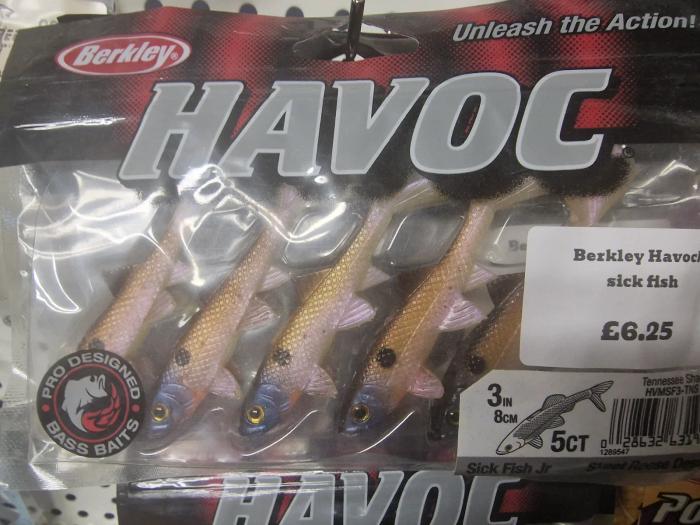
Berkley Havoc perch sick fish lure for bass/ Pike
£6.25
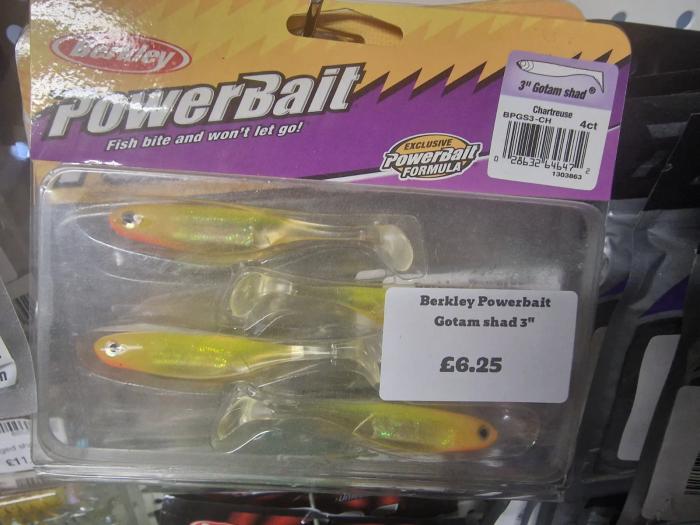
Berkley Soft Plastic / Shad Fishing Lure
£6.25
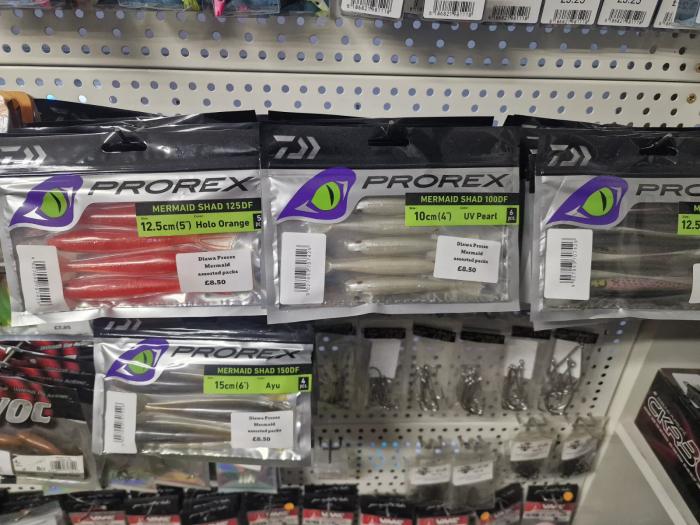
Daiwa Soft Plastic / Bass Fishing Lure Prorex mermaid
£8.50
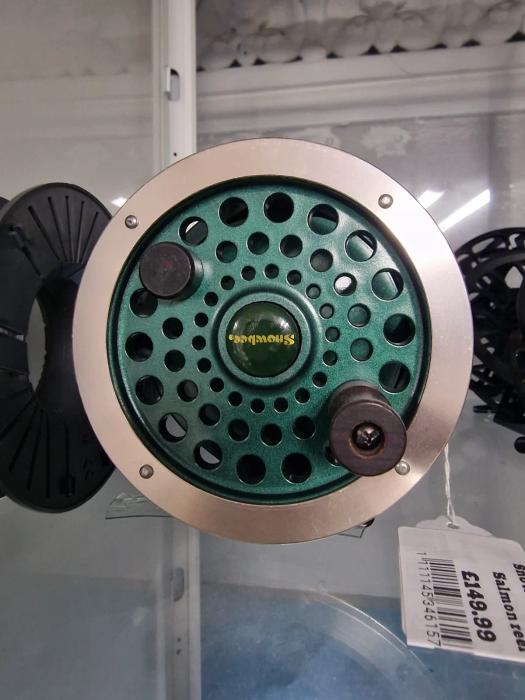
Snowbee Fly Fishing Reel
£149.99
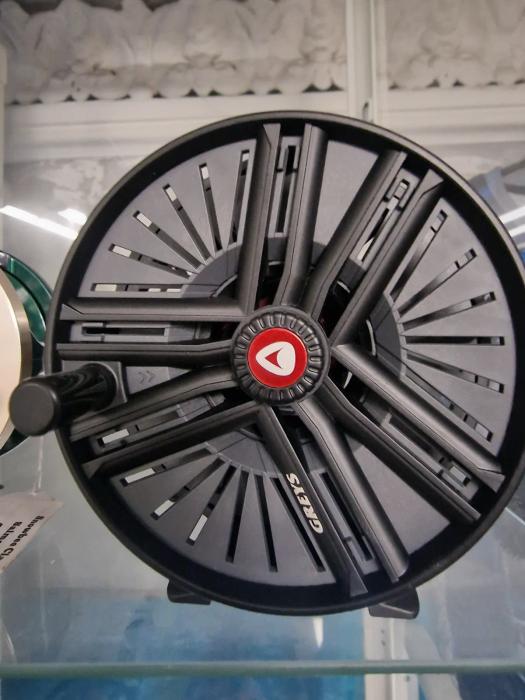
Fishing Reel Greys fin Cassette salmon
£59.99
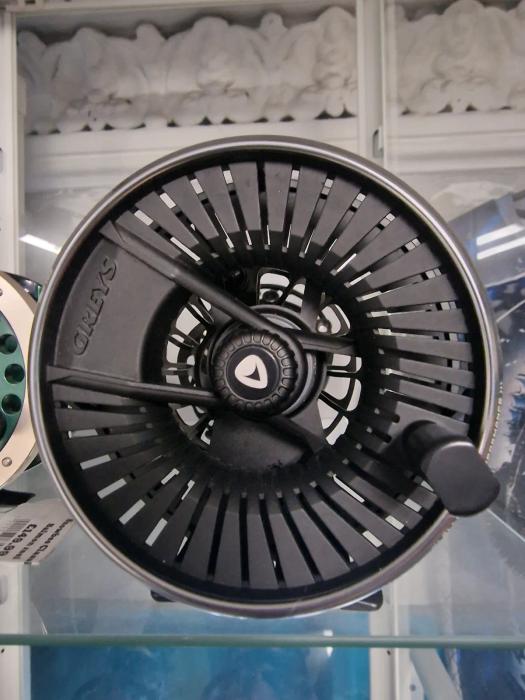
Greys Fly Reel Fishing Reel
£59.99
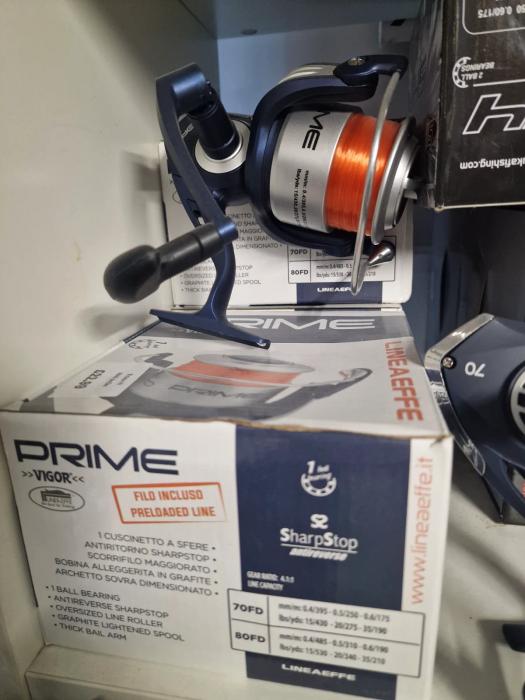
Lineaeffe Spinning 7000 Fishing Reel
£19.99
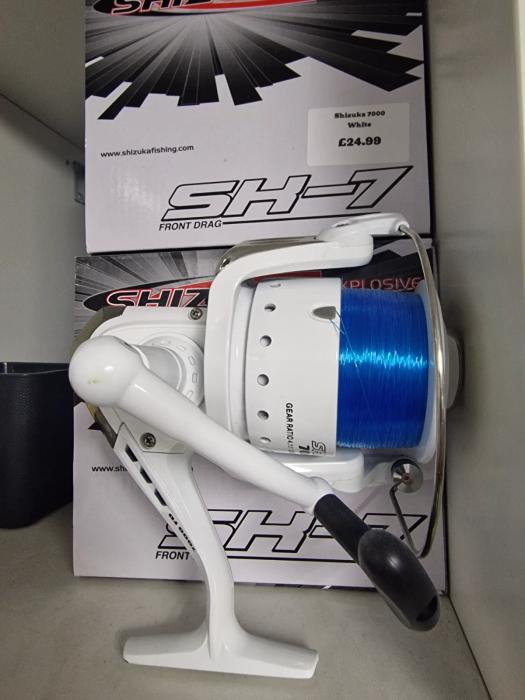
Shizuka Big Pit 7000 Fishing Reel
£23.99
Perch guides
- Coarse Fishing Close Season: When and Where You Can Fish in England & Wales
- Fish Catch and Size Limits in England & Wales: What You Can Keep
- Fishing Conditions Explained: How Weather Affects Fish
- Fishing Tackle Rules in England & Wales: Rods, Bait, Lead and Nets
- Rod Fishing Licence UK: Prices, Types, Rod Limits and How to Buy (2026)
- The Moon and Fishing: Phases, Solunar Theory and What Actually Matters
Perch fishing questions
What is a good size for a perch in the UK?
Anything over 1lb is a decent fish. A 2lb perch is a true specimen, and a fish over 3lb is exceptional and a target for specialist anglers. Most perch caught are small 'wasps' under 8oz, which are still great fun to catch.
Can you eat perch caught in the UK?
Yes, perch is an excellent eating fish with firm, white, sweet flesh. However, the vast majority of UK coarse anglers practice catch-and-release to conserve fish stocks for sport, and it is strongly encouraged to return them.
Why do perch have a spiny fin?
The sharp, spiny first dorsal fin is a primary defence mechanism against predators like pike, zander, and cormorants. It makes the perch difficult to handle and swallow. Anglers should flatten the fin back when handling the fish to avoid being pricked.
Where is the best place to find perch in a lake?
Look for structures. Perch use cover as ambush points to hunt prey. Target areas around fallen trees, jetties, reed beds, lily pads, and steep drop-offs. Man-made structures in canals and rivers, like lock gates and bridge pillars, are also hotspots.
Do perch feed at night?
Perch are primarily visual, daytime feeders, with peak activity often at dawn and dusk. While not typically a nocturnal species, large specimens can sometimes be caught after dark, especially in well-lit areas like marinas or on mild, overcast nights.


