

Pike Fishing UK
By Tackl · Updated 10 October 2026

Esox lucius
The pike is the UK's apex freshwater predator, a long, powerful, torpedo-shaped fish renowned for its aggressive takes and fighting ability. Instantly recognisable by its duck-billed snout and fearsome teeth, it's a prized quarry for anglers who appreciate its wild, predatory nature and potential for large sizes.
Photo: Jik jik, CC BY-SA 3.0, via Wikimedia Commons
- Typical size
- Typically 2-10lb (a 'jack'). Fish over 20lb ('a twenty') are considered specimens, with 30lb+ fish being a catch of a lifetime.
- British record
- 46lb 13oz (1992, Llandegfedd Reservoir)
- Found in
- river, lake, canal, pond, reservoir, drain, gravel pit
- Peak season
- Autumn and Winter
How to identify a pike
The pike has an unmistakable long, muscular, torpedo-shaped body built for speed. Its head features a flattened, broad snout resembling a duck's bill, and a large mouth filled with numerous sharp, backward-pointing teeth. The body is camouflaged with an olive-green to dark grey back, fading to a creamy-white belly. Its flanks are marked with lighter, bean-shaped blotches or spots, providing excellent cover amongst vegetation. A key feature is the placement of the dorsal and anal fins, set very far back on the body near the powerful tail, enabling rapid acceleration. The eyes are positioned high on the head, providing superb upward vision for spotting prey from below.
Where it lives
Pike are adaptable predators found throughout the UK in a wide array of still and flowing waters. They are masters of ambush and favour locations that provide cover. Look for them around features like submerged weed beds, lily pads, reed margins, and sunken obstacles such as fallen trees or bridge supports. In rivers, they typically occupy slack water areas, eddies, and the creases between fast and slow currents, waiting for prey fish to swim by. While smaller pike often patrol the margins, larger specimens frequently inhabit deeper holes and drop-offs, especially during the colder winter months when they seek more stable thermal conditions.
What it eats and the best baits
A formidable piscivore, the pike's diet consists mainly of other fish such as roach, rudd, and perch. It is an opportunistic ambush predator, but will also actively hunt shoals in open water. Larger specimens are capable of taking substantial prey including bream, tench, and even smaller pike. They are not exclusively fish-eaters; frogs, small waterfowl, and unlucky mammals like voles that enter the water can also fall victim to this voracious predator, especially if regular food sources are scarce.
- Spinners
- Spoons
- Plugs / Crankbaits
- Soft plastic shads
- Jerkbaits
- Mackerel (deadbait)
- Smelt (deadbait)
- Sardine (deadbait)
- Herring (deadbait)
- Lamprey section (deadbait)
Best time of year
- Jan – good
- Feb – good
- Mar – good
- Apr – quieter
- May – quieter
- Jun – quieter
- Jul – quieter
- Aug – quieter
- Sep – good
- Oct – good
- Nov – good
- Dec – good
In England and Wales, the statutory coarse fish close season applies to all rivers, streams, and drains, preventing fishing from 15 March to 15 June inclusive. This period is to protect fish during spawning.
How to catch pike
Angling for pike is broadly divided into lure and bait fishing. Lure angling is an active method, involving casting and retrieving artificial baits like spinners, spoons, plugs, and soft plastics to imitate prey and trigger a predatory strike. It's a great way to cover water and find feeding fish. Bait fishing, conversely, often uses static deadbaits of oily sea fish (mackerel, herring, smelt) mounted on a wire trace. These can be legered on the bottom or suspended beneath a large float. A float-paternoster rig is also highly effective for presenting a bait just above the lakebed or weed. For all methods, a strong wire trace is non-negotiable to prevent bite-offs from the pike's sharp teeth. Robust tackle, a large landing net, and a padded unhooking mat are essential for the welfare of these powerful fish.
Legal notes
A valid Environment Agency rod licence is mandatory for freshwater fishing in England and Wales for anyone aged 13 or over. In Scotland, a permit from the landowner or controlling angling club is typically required. Specific byelaws govern pike handling; it is illegal to remove live pike from a water without prior written consent from the EA. Using live vertebrates as bait is illegal in Scotland; in England and Wales, livebait must have been caught from the same water body.
Rules change. Check current Environment Agency, NRW or Scottish regulations and the venue's own rules before fishing. Not professional or legal advice.
Where to catch pike in the UK
Counties with pike recorded on Tackl: Essex (10), Nottinghamshire (4), Hampshire (3), Somerset (3), Staffordshire (3), Berkshire (3), East Sussex (2), West Sussex (2), Hertfordshire (2), Bedfordshire (2), Dorset (2), Surrey (2), Lincolnshire (2), Leicestershire (2), Oxfordshire (2), Kent (2), Norfolk (2), Northamptonshire (1), Greater London (1), Monmouthshire (1), Stirlingshire (1), Devon (1), Worcestershire (1), Herefordshire (1), Cambridgeshire (1), Gloucestershire (1), South Yorkshire (1).
58 venues in 27 counties
Bedfordshire(2)
- Beckerings Park Farm ReservoirReported
- River Great OuseReported
Berkshire(3)
- Finch Farm FisheryReported
- River KennetReported
- Wraysbury 1Reported
Cambridgeshire(1)
- Royston (Nash Lakes)Reported
Devon(1)
- Lower SladeReported
Dorset(2)
- Big Hayes Specimen LakeReported
- WADMILL LAKEReported
East Sussex(2)
- Alexandra ParkReported
- Bewl WaterReported
Essex(10)
- Alresford Pit PACReported
- Chelmer & Blackwater Navigation CanalReported
- Crowsheath FisheryReported
- Great Pond Little Easton Manor FisheryReported
- Oak Lake Oak Lakes FisheryReported
- Rayleigh & District Angling ClubReported
- Straits MillReported
- The Warren FisheryReported
- Thoby WoodReported
- Wicks MereReported
Gloucestershire(1)
- The Cotswolds GetawayReported
Greater London(1)
- Golf Course Lakes URACSReported
Hampshire(3)
- Bottom Lake Headlands Farm FisheryReported
- Brockhurst MoatReported
- River Avon (Hampshire)Reported
Herefordshire(1)
- River WyeReported
Hertfordshire(2)
- Batchworth LakeReported
- Tring ReservoirsReported
Kent(2)
- Loggies Lake Stour Valley Fishing ComplexReported
- Shirkoak FisheryReported
Leicestershire(2)
- Frisby Water Park (Pits)Reported
- The Lane FisheryReported
Lincolnshire(2)
- Caistor Fishing Lakes and Caravan siteReported
- Grooby's PitReported
Monmouthshire(1)
- Llandegfedd ReservoirReported
Norfolk(2)
- Shallowbrook LakesReported
- Taverham Mills FisheryReported
Northamptonshire(1)
- Drayton ReservoirReported
Nottinghamshire(4)
- Langold LakeReported
- River TrentReported
- Wetlands LakesReported
- Woodsetts Quarry PondReported
Oxfordshire(2)
- Horseshoe Lake - Carp SocietyReported
- Linear FisheriesReported
Somerset(3)
- Chew Valley LakeReported
- River AvonReported
- South DrainReported
South Yorkshire(1)
- Willow Garth FisheryReported
Staffordshire(3)
- Dilhorne Hall PoolsReported
- Hamstall FisheryReported
- Himley Island PoolReported
Stirlingshire(1)
- Loch LomondReported
Surrey(2)
- BusbridgeReported
- Newdigate Farms LtdReported
West Sussex(2)
- Ardingly ReservoirReported
- Petworth ParkReported
Worcestershire(1)
- River SevernReported
Tackle for pike
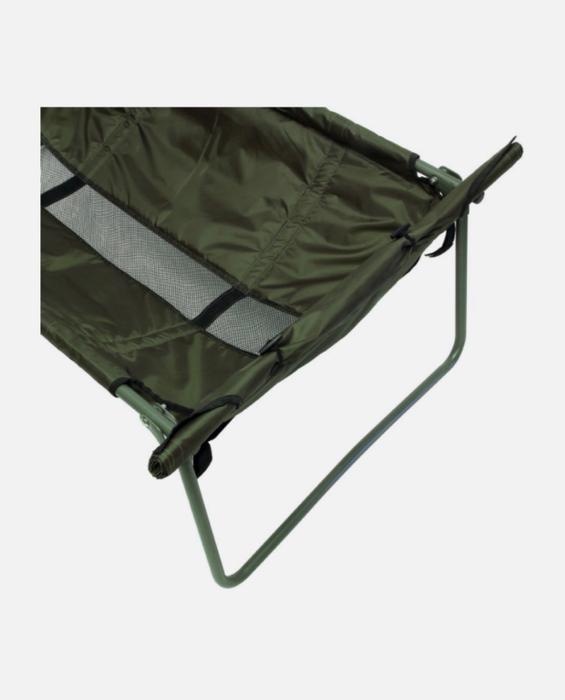
NGT Cradle
£60.00
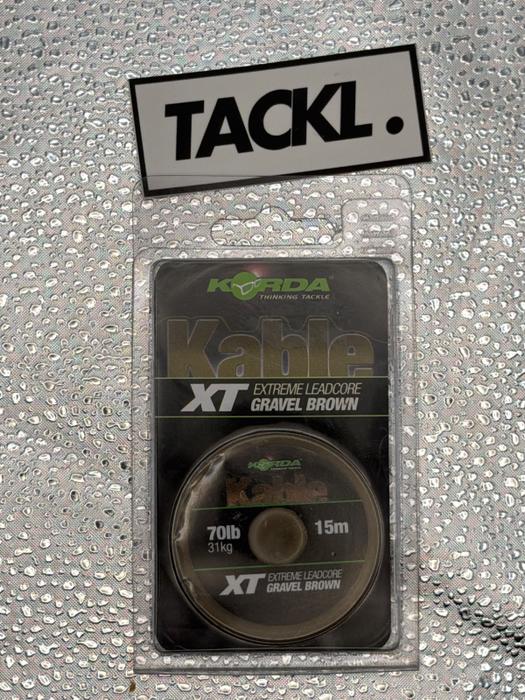
Korda Kable XT extreme lead core gravel brown 15m
£15.00
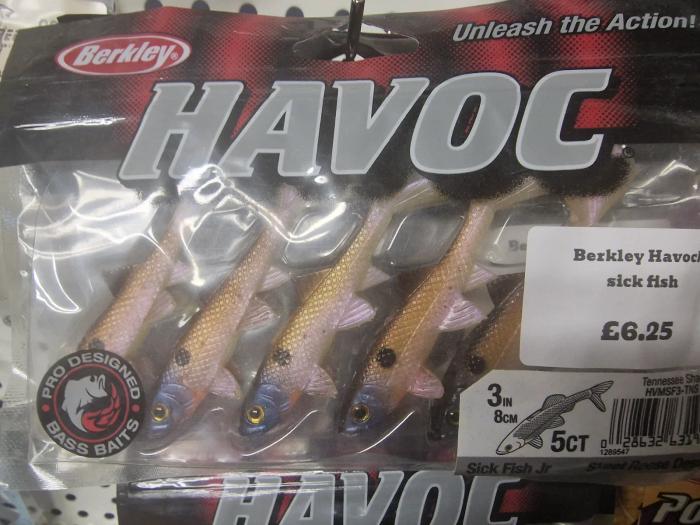
Berkley Havoc perch sick fish lure for bass/ Pike
£6.25
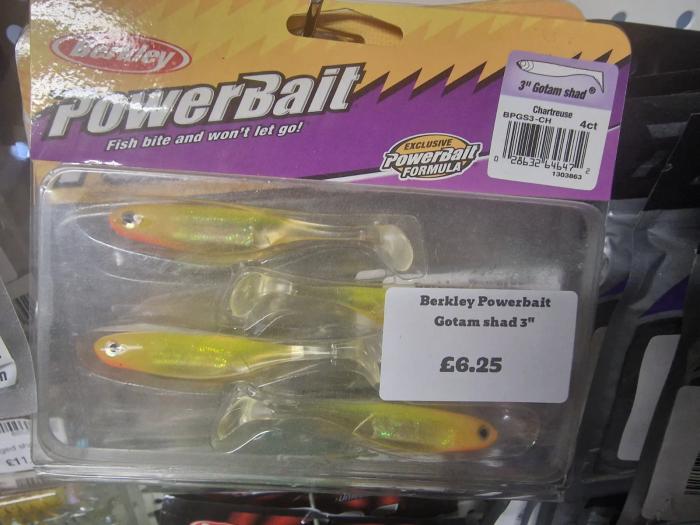
Berkley Soft Plastic / Shad Fishing Lure
£6.25
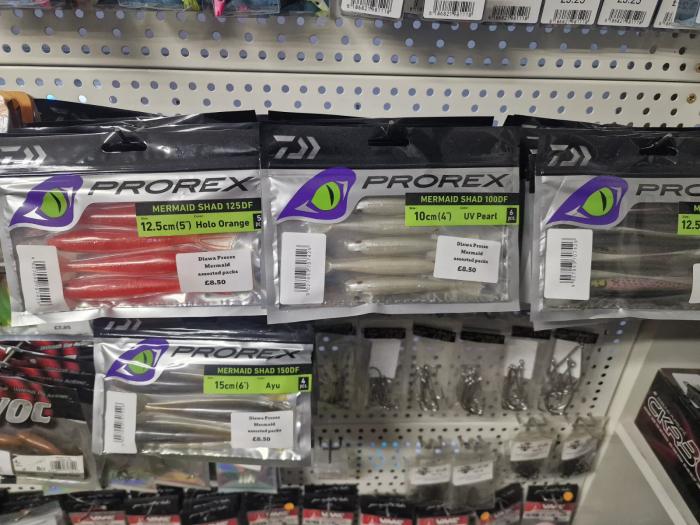
Daiwa Soft Plastic / Bass Fishing Lure Prorex mermaid
£8.50
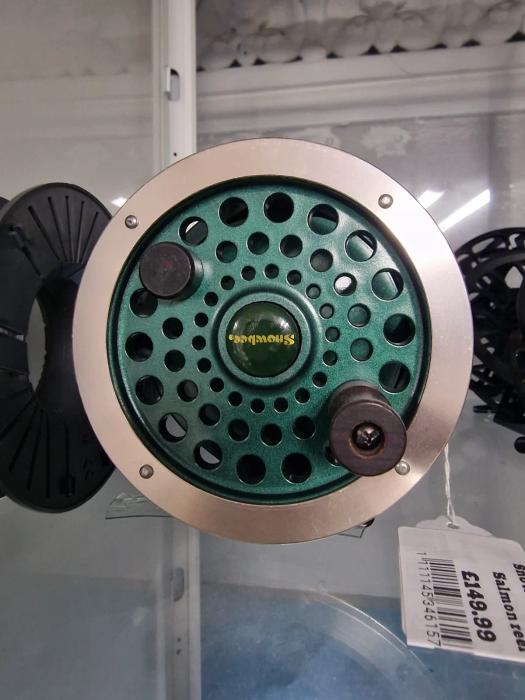
Snowbee Fly Fishing Reel
£149.99
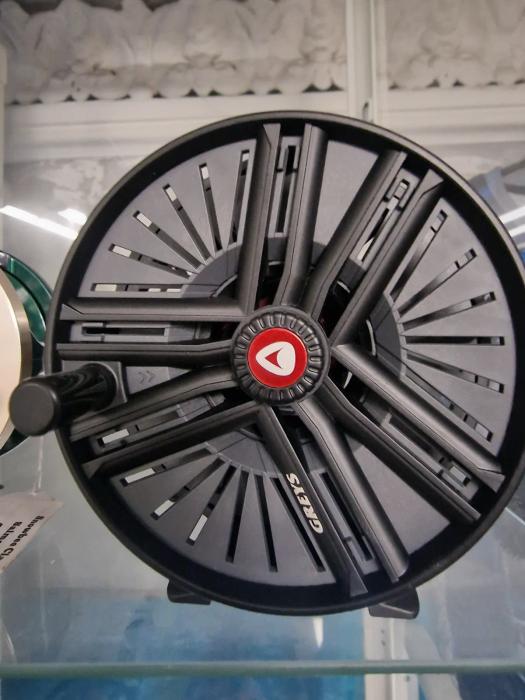
Fishing Reel Greys fin Cassette salmon
£59.99
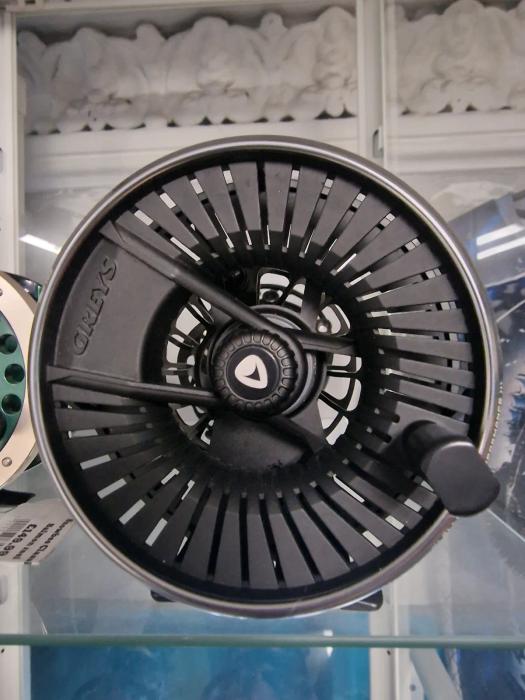
Greys Fly Reel Fishing Reel
£59.99
Pike guides
- Coarse Fishing Close Season: When and Where You Can Fish in England & Wales
- Fish Catch and Size Limits in England & Wales: What You Can Keep
- Fishing Conditions Explained: How Weather Affects Fish
- Fishing Tackle Rules in England & Wales: Rods, Bait, Lead and Nets
- Rod Fishing Licence UK: Prices, Types, Rod Limits and How to Buy (2026)
- The Moon and Fishing: Phases, Solunar Theory and What Actually Matters
Pike fishing questions
Is a wire trace really necessary for pike fishing?
Yes, absolutely. A pike's teeth will sever monofilament or fluorocarbon line instantly. A wire trace of at least 20lb breaking strain is essential for fish welfare, preventing a pike from being left with hooks in its mouth.
What is the difference between a pike and a 'jack' pike?
'Jack' is a common term for a small, often immature pike, typically under 5lb. They are the same species (Esox lucius). The term simply distinguishes smaller fish from larger, more mature specimens which might be called 'doubles' or 'twenties'.
How do I handle a pike safely for unhooking?
Always use a large, soft, knotless-mesh net and an unhooking mat. Use long-nosed forceps or pliers to remove hooks. To immobilise the fish, slide your fingers under one gill plate (avoiding the red gills) and grip the bony lower jaw firmly.
What is the best time of day to catch pike?
Pike can feed at any time, but low-light periods like dawn and dusk are often most productive. On mild, overcast days in autumn and winter, pike may remain active and feed throughout the day, offering extended opportunities for a catch.
Can you eat pike caught in the UK?
While pike is edible, it is very bony and not a popular food fish in the UK. The vast majority of anglers practise catch and release to conserve stocks, as large pike are old fish and vital for a healthy fishery ecosystem.


