

European Eel Fishing UK
By Tackl · Updated 10 October 2026

Anguilla anguilla
A critically endangered, snake-like fish found throughout the UK. The European Eel has a remarkable life cycle, migrating thousands of miles to the Sargasso Sea to breed. Once a common catch, its population has collapsed, and it is now illegal to target or keep this protected species in the UK.
Photo: GerardM, CC BY-SA 3.0, via Wikimedia Commons
- Typical size
- 1-3lb; specimens over 5lb are exceptionally rare
- British record
- 11lb 2oz (1978)
- Found in
- river, lake, canal, pond, reservoir, drain, gravel pit, estuary
- Peak season
- Summer nights
How to identify a european eel
The European Eel is unmistakable. It possesses a long, cylindrical, snake-like body covered in a thick layer of protective slime. A key feature is the single, continuous fin that runs from the back, around the tail, and along the belly, combining the dorsal, caudal, and anal fins. It lacks pelvic fins entirely. The head is small with an underslung jaw filled with tiny, sharp teeth. Colouration varies with life stage; 'yellow eels' are olive-brown, while maturing 'silver eels' develop a silvery flank and darker back in preparation for their oceanic migration. Lampreys, which can look similar, have a circular sucker mouth and gill pores instead of a jaw and gill slits.
Where it lives
Eels are exceptionally adaptable and historically inhabited almost every type of freshwater and estuarine environment in the UK, from tiny streams and farm ponds to vast rivers, lakes, and canals. They are masters of concealment, preferring to live within dense weed beds, among submerged tree roots, under rocks, or buried in the silt and mud of the bed. They are largely nocturnal, emerging from cover at night to hunt. Though tolerant of a wide range of conditions, their populations are now severely depleted and fragmented across their former range due to barriers to migration and other environmental pressures.
What it eats and the best baits
Eels are nocturnal carnivores and highly effective scavengers. Their diet is broad, consisting of small fish like roach and gudgeon, fish fry, and invertebrates such as caddis larvae and snails. They are also known to eat fish eggs and crustaceans like freshwater crayfish. Larger eels will actively hunt for prey fish but will also readily consume any carrion they find on the bottom, using their exceptional sense of smell to locate food in darkness or murky water.
Best time of year
- Jan – quieter
- Feb – quieter
- Mar – quieter
- Apr – quieter
- May – quieter
- Jun – good
- Jul – good
- Aug – good
- Sep – good
- Oct – quieter
- Nov – quieter
- Dec – quieter
The traditional coarse fish close season runs from 15 March to 15 June inclusive on all rivers, streams, and drains in England and Wales. Some canals and stillwaters may also have a statutory close season.
How to catch european eel
Historically, when eel fishing was legal, anglers targeted them using simple, robust legering tactics, typically at night. Baits like lobworms or dead fish sections were presented on the bottom using a running lead. Due to the eel's small, toothy mouth and habit of deeply swallowing baits, strong, long-shanked hooks were favoured. Wire traces were often necessary to prevent bite-offs from their sharp teeth and to withstand their powerful, twisting fight. However, the European Eel is now critically endangered. It is illegal to fish for them. Any eel caught by accident must be unhooked with care, preferably in the water or on a wet mat, and returned immediately. Anglers must not use keepnets or keepsacks for eels.
Legal notes
The European eel is critically endangered. In England and Wales you may fish for eels with a rod and line, but every eel caught must be returned alive straight away, and some fisheries and byelaws ban targeting them altogether, so check local rules first. Use strong tackle and unhook quickly to avoid harming the fish. You must hold a valid Environment Agency rod licence to fish in England and Wales, and Scottish and Northern Irish rules differ.
Rules change. Check current Environment Agency, NRW or Scottish regulations and the venue's own rules before fishing. Not professional or legal advice.
Where to catch european eel in the UK
Counties with european eel recorded on Tackl: Essex (5), Lincolnshire (2), Norfolk (2), East Sussex (1), West Sussex (1), Somerset (1), Gloucestershire (1), Greater London (1), Devon (1), North Yorkshire (1), Nottinghamshire (1).
17 venues in 11 counties
Devon(1)
- Lower SladeReported
East Sussex(1)
- Alexandra ParkReported
Essex(5)
- Asheldham FisheryReported
- Rayleigh & District Angling ClubReported
- Straits MillReported
- The Warren FisheryReported
- Wicks MereReported
Gloucestershire(1)
- Elton Carp LakesReported
Greater London(1)
- Golf Course Lakes URACSReported
Lincolnshire(2)
- Grooby's PitReported
- Windmill PondReported
Norfolk(2)
- Shallowbrook LakesReported
- Taverham Mills FisheryReported
North Yorkshire(1)
- Welham LakeReported
Nottinghamshire(1)
- Wetlands LakesReported
Somerset(1)
- Century PondsReported
West Sussex(1)
- Ardingly ReservoirReported
Tackle for european eel
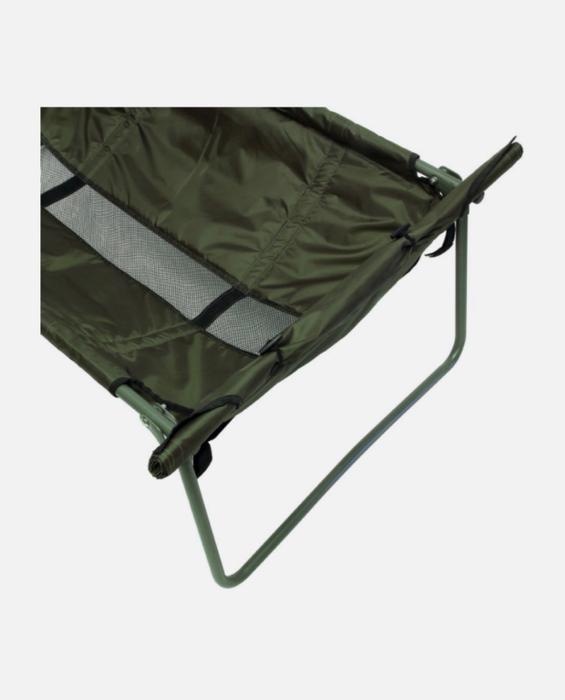
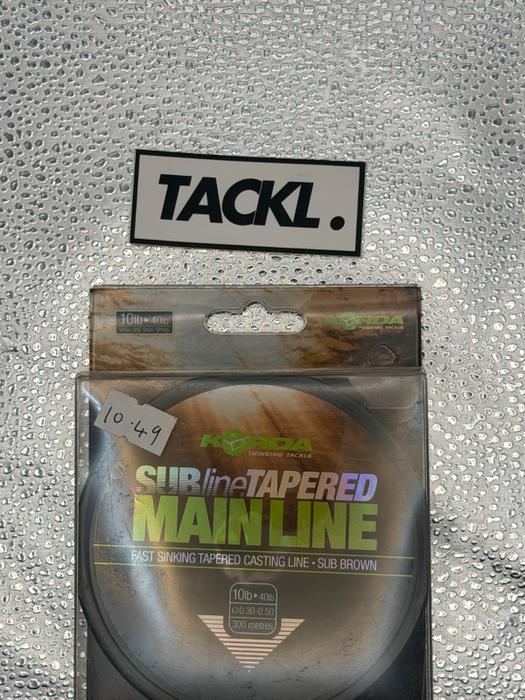
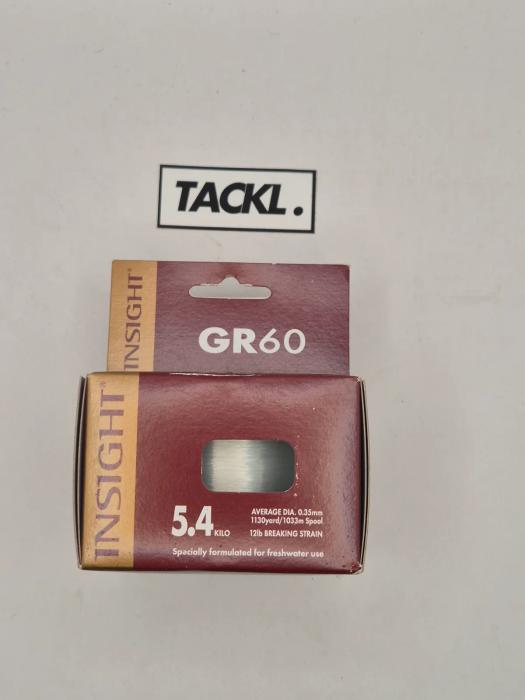
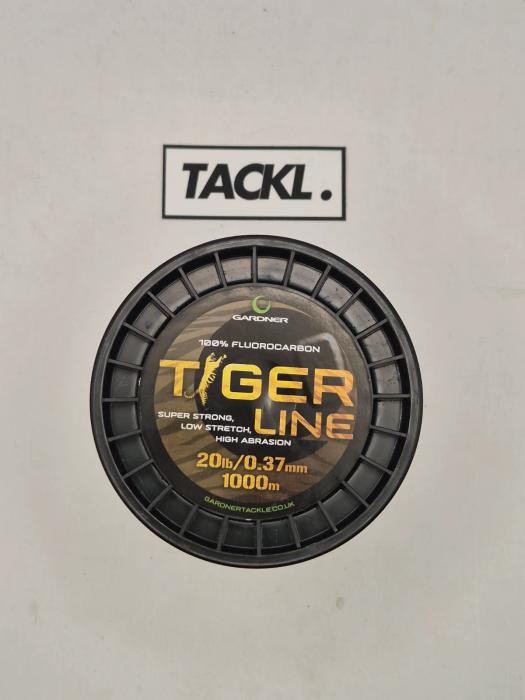
European Eel guides
- Coarse Fishing Close Season: When and Where You Can Fish in England & Wales
- Fish Catch and Size Limits in England & Wales: What You Can Keep
- Fishing Conditions Explained: How Weather Affects Fish
- Fishing Tackle Rules in England & Wales: Rods, Bait, Lead and Nets
- Rod Fishing Licence UK: Prices, Types, Rod Limits and How to Buy (2026)
- The Moon and Fishing: Phases, Solunar Theory and What Actually Matters
European Eel fishing questions
Is it legal to fish for eels in the UK?
No. Eels are critically endangered and protected. It is illegal to intentionally fish for them in the UK. Any caught by accident must be returned to the water alive immediately.
Why are European Eels endangered?
A combination of factors including historical overfishing, barriers to migration like weirs and dams, habitat loss, pollution, and parasites has caused a catastrophic decline in their population across Europe, leading to their critically endangered status.
How do I unhook an eel safely?
Handle it as little as possible, using a wet cloth or glove to get a grip. Use forceps to remove the hook. Lay it on a wet unhooking mat and avoid dry ground, which removes their vital protective slime. Return it to the water quickly.
What is the difference between a yellow eel and a silver eel?
They are the same species at different life stages. 'Yellow eels' are the resident, feeding stage in freshwater. 'Silver eels' are the mature, migratory stage; their colour changes and eyes enlarge as they prepare to swim back to the Sargasso Sea to spawn.
Can eels survive out of water?
For a limited time, yes. Eels can absorb some oxygen through their skin, which allows them to survive for short periods out of water and even travel over damp ground, but they should always be returned to the water as quickly as possible to avoid stress and harm.


