

Stone Loach Fishing UK
By Tackl · Updated 10 October 2026

Barbatula barbatula
The stone loach is a small, elongated bottom-dwelling fish common in UK rivers and streams. Recognisable by its mottled brown body and three pairs of barbules around its mouth, it thrives in clean, well-oxygenated water. Though not a primary target, it is a frequent incidental catch for light-tackle anglers.
Photo: Michal Maňas, CC BY 3.0, via Wikimedia Commons
- Typical size
- 8-12 cm (3-5 inches)
- British record
- No official record
- Found in
- river, canal, lake, gravel pit, drain
- Peak season
- Summer and early autumn
How to identify a stone loach
The stone loach has a long, cylindrical, almost eel-like body that is slightly flattened on the underside. Its key feature is the three pairs of sensory barbules around its underslung mouth. The skin is smooth and appears scaleless, with a colouration of mottled yellowish-brown and dark blotches providing excellent camouflage against a gravel bed. The dorsal fin is set quite far back, starting roughly level with the pelvic fins. It can be confused with the much rarer spined loach, which has a small erectile spine beneath its eye, or the bullhead, which has a much larger, broader head, a single pair of barbules, and prominent, fan-like pectoral fins.
Where it lives
This species is widespread throughout England, Wales, and much of Scotland, absent only from the extreme north. The stone loach is synonymous with clean, cool, well-oxygenated flowing water, favouring shallow rivers, streams, and becks with a substrate of stones, gravel, and sand. It is a nocturnal, benthic fish, spending daylight hours hidden under stones or buried in loose sediment, hence its name. While predominantly a riverine species, it can also establish populations in canals and clear, river-fed lakes or gravel pits where suitable habitat and water quality exist. They are often found in the margins amongst weed and stones.
What it eats and the best baits
The stone loach is a benthic feeder, foraging on the riverbed primarily at night. Its diet consists almost entirely of small invertebrates hoovered from amongst the gravel and silt. Key food items include bloodworm, freshwater shrimp (Gammarus), caddis larvae, midge larvae, small snails, and worms. It will also opportunistically consume the eggs of other fish species. Its underslung mouth and sensitive barbules are perfectly adapted for detecting and consuming these tiny food items in low light conditions.
- Maggot tip
- Single maggot
- Bloodworm
- Joker
- Small redworm piece
- Bread punch
Best time of year
- Jan – quieter
- Feb – quieter
- Mar – quieter
- Apr – good
- May – good
- Jun – good
- Jul – good
- Aug – good
- Sep – good
- Oct – good
- Nov – quieter
- Dec – quieter
In England and Wales, the coarse fish close season from 15 March to 15 June inclusive applies to all rivers, streams, and drains, preventing fishing for stone loach during this period. Scotland has no statutory close season for coarse fish, but local rules may apply.
How to catch stone loach
Stone loach are almost never a primary target species but are a common incidental catch for anglers using light tackle for other small fish like gudgeon and minnows. The most effective method is to present a tiny bait static on the bottom. A light pole or whip setup is ideal for lowering a delicate rig into the margins. Use a fine wire hook in a size 20 to 24, baited with a single maggot, maggot tip, bloodworm, or a tiny piece of redworm. A simple float rig with a sensitive float and a bulk of shot above a small dropper shot will ensure the bait is anchored perfectly on the riverbed. Alternatively, a light ledger rig with a small Arlesey bomb or just a few large split shot is effective. Since they are nocturnal, fishing into dusk can increase the chances of a catch in likely-looking gravelly areas.
Legal notes
A valid Environment Agency rod licence is a legal requirement for all anglers aged 13 or over fishing in England and Wales. Permission from the landowner or controlling angling club is also required. Using any fish as livebait is subject to strict national and local bylaws and is often prohibited.
Rules change. Check current Environment Agency, NRW or Scottish regulations and the venue's own rules before fishing. Not professional or legal advice.
Where to catch stone loach in the UK
We don't have venues confirmed for stone loach yet. Browse all venues.
Tackle for stone loach
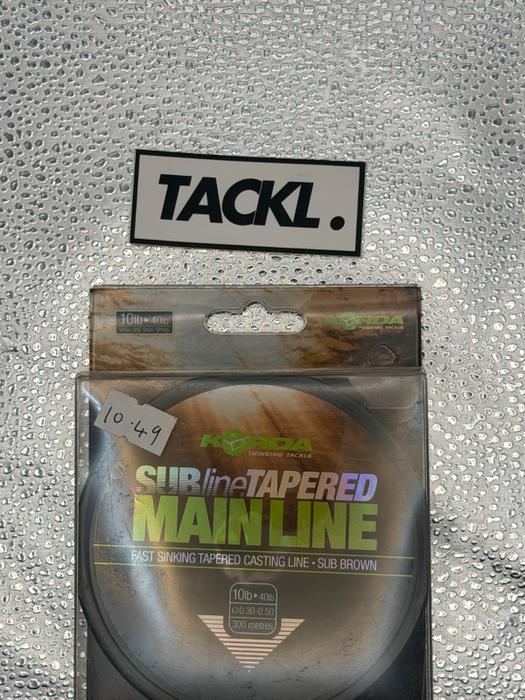
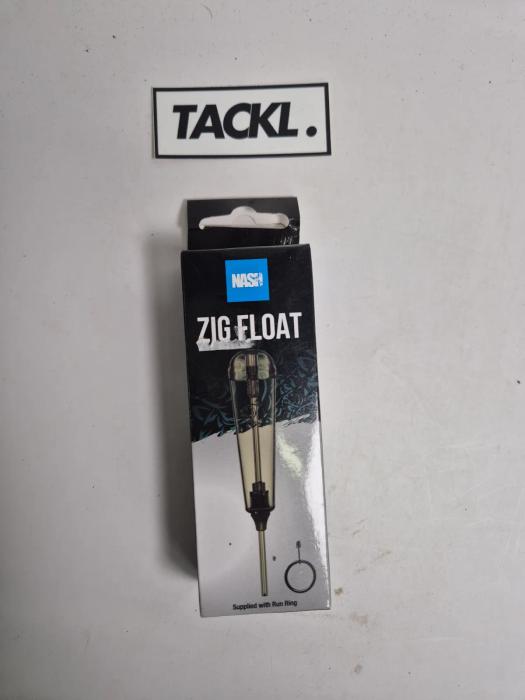
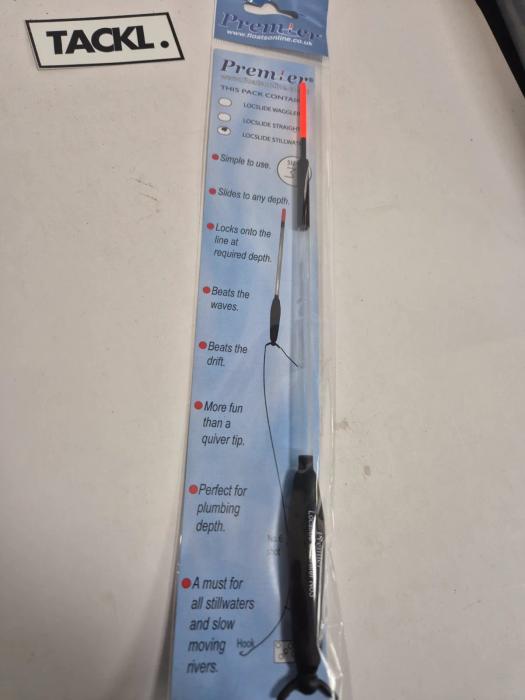
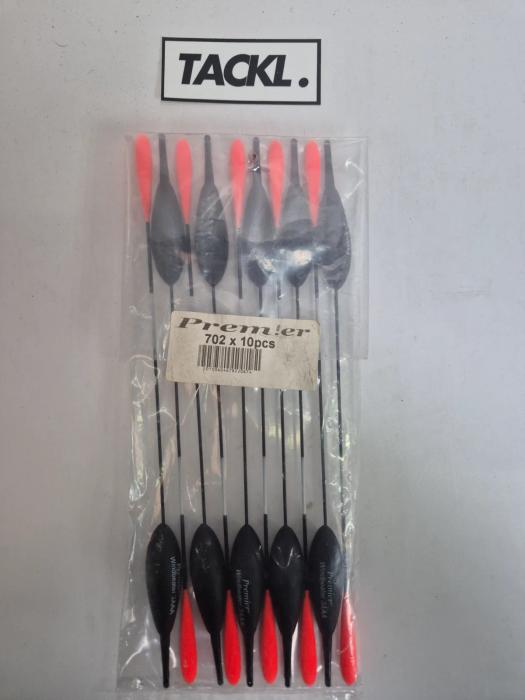
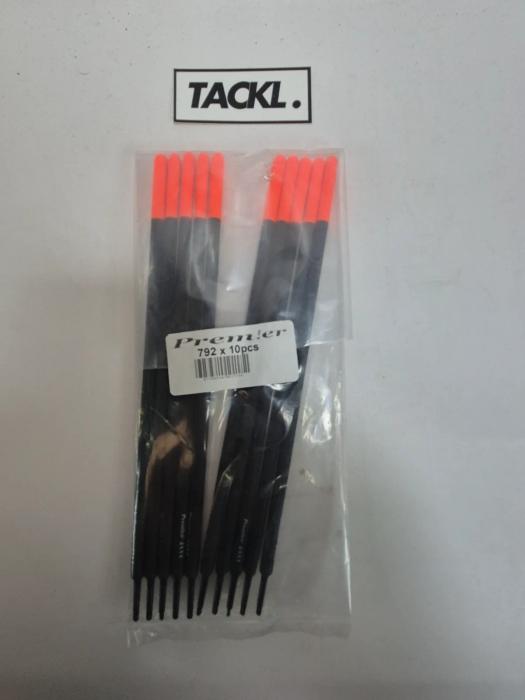
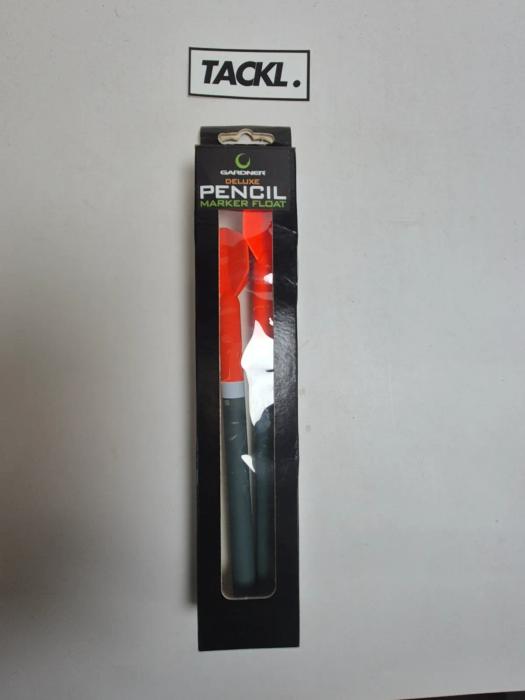
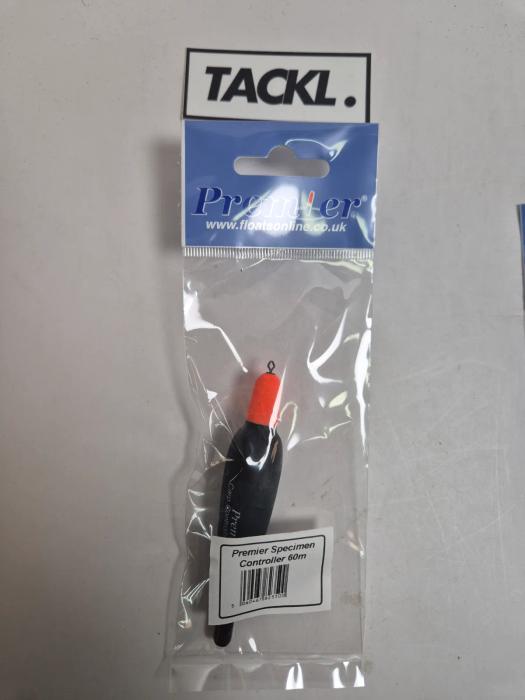
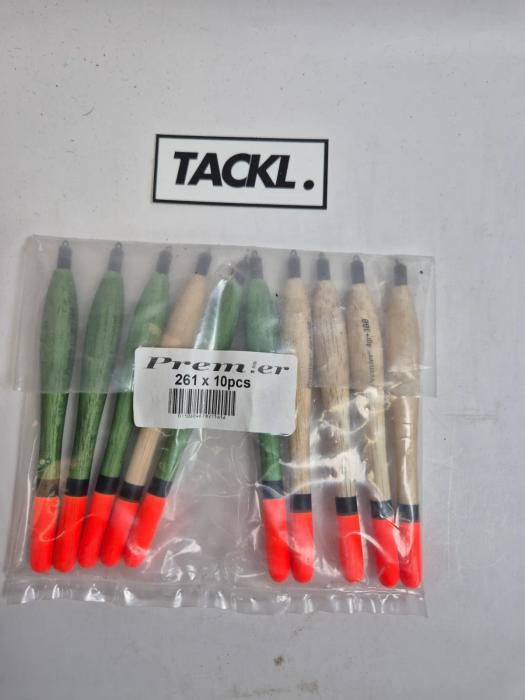
Stone Loach guides
- Coarse Fishing Close Season: When and Where You Can Fish in England & Wales
- Fish Catch and Size Limits in England & Wales: What You Can Keep
- Fishing Conditions Explained: How Weather Affects Fish
- Fishing Tackle Rules in England & Wales: Rods, Bait, Lead and Nets
- How to Tie a Knotless Knot: A Step-by-Step Carp Fishing Guide
- Rod Fishing Licence UK: Prices, Types, Rod Limits and How to Buy (2026)
Stone Loach fishing questions
Are stone loach good bait?
They are a natural food for predators like perch and chub, but using any freshwater fish as live or dead bait is heavily restricted by Environment Agency and local fishery rules. In most UK coarse fisheries, it is illegal to use them as bait.
How big do stone loach get?
Stone loach are a small species, typically growing to 8-12 cm (3-5 inches). A fish exceeding 15cm would be considered exceptionally large. There is currently no official British record weight for the species, as they are not specifically targeted in record claims.
How do you tell a stone loach from a bullhead?
A stone loach is slender with a mottled pattern and has three pairs of barbules around its mouth. A bullhead (or 'miller's thumb') has a much larger, broader head, a single pair of small barbules, and prominent pectoral fins that it uses to grip the bottom.
Where do stone loach live?
They are bottom dwellers, preferring clear, well-oxygenated rivers and streams with a gravel or stony bed. They hide under stones during the day and become more active at night to feed. They can also be found in some canals and clear, river-fed stillwaters.
Can you eat stone loach?
While technically edible, their very small size, bony structure, and slimy skin mean they are not considered a food fish in the UK. Anglers always return them to the water immediately and treat them with care as an important part of the aquatic ecosystem.


