

Three-spined Stickleback Fishing UK
By Tackl · Updated 10 October 2026

Gasterosteus aculeatus
The three-spined stickleback is a small, aggressive, and incredibly widespread fish, often the first catch for young anglers. Instantly recognisable by its trio of sharp dorsal spines, it is found in almost every type of freshwater and brackis-h habitat across the UK, from tiny ditches to large estuaries.
Photo: Lorenz Seebauer, CC BY-SA 4.0, via Wikimedia Commons
- Typical size
- Typically 4-6cm
- British record
- No official record
- Found in
- river, lake, canal, pond, reservoir, drain, gravel pit, estuary
- Peak season
- Late spring to early autumn
How to identify a three-spined stickleback
The most definitive feature is the set of three sharp, erectile spines on its back, preceding the dorsal fin – two are large, and the third is much smaller. Unlike in perch, these spines are not connected by a membrane. The body is scaleless but protected by a variable number of bony plates (scutes) along the flanks. Colouration is typically olive-green to silvery, but during the spring breeding season, males develop a spectacular bright red throat and belly, accompanied by iridescent blue eyes. It can be distinguished from the rarer Nine-spined Stickleback, which is more slender and has numerous (7-12) small spines.
Where it lives
The three-spined stickleback is one of the UK's most adaptable fish, thriving in an extensive range of aquatic environments. It is abundant in still and slow-flowing waters like ponds, lakes, canals, and ditches, particularly where there is plenty of weed growth for cover and nesting. It is equally at home in the margins of faster-flowing rivers and streams. Its remarkable tolerance for varying salinity levels allows it to inhabit brackish waters, such as estuaries and salt marshes, where few other freshwater species can survive. Shoals are often found in shallow, marginal areas, making them highly visible.
What it eats and the best baits
A voracious and opportunistic micro-predator, the stickleback's diet consists mainly of small aquatic life. It actively hunts for insect larvae such as bloodworm and midge larvae, water fleas (Daphnia), and tiny freshwater shrimps. They are also notorious for eating fish eggs and newly-hatched fry, including those of their own species. Small worms and tiny crustaceans are also readily consumed. Their aggressive feeding behaviour means they will attempt to eat anything small enough that moves, making them easy to tempt with a bait.
- Maggot fragment
- Pinkie
- Bloodworm
- Tiny piece of worm
- Bread flake
- Micro pellet
Best time of year
- Jan – quieter
- Feb – quieter
- Mar – quieter
- Apr – good
- May – good
- Jun – good
- Jul – good
- Aug – good
- Sep – good
- Oct – good
- Nov – quieter
- Dec – quieter
In England and Wales, the traditional coarse fish close season applies to all rivers, streams, and drains, prohibiting fishing from 15th March to 15th June inclusive. Most stillwaters and canals remain open year-round, but check local club rules.
How to catch three-spined stickleback
Angling for sticklebacks is a miniature art form, often practised by children but requiring delicate presentation. A short whip or a light, sensitive rod is ideal. The terminal tackle should be as light as possible: a line of around 1lb (0.08mm) breaking strain, a tiny float like a small quill or piece of peacock feather, and a micro hook (size 22 or 24). A single split shot may be needed to cock the float. Bait with a minuscule fragment of a maggot, a single bloodworm, or a tiny pinch of bread flake. The key is to find a shoal, often in sunny shallows near weed beds, and lower the bait gently amongst them. Bites are little more than a slight dip of the float, requiring a swift but gentle lift to set the hook.
Legal notes
A valid Environment Agency rod licence is required for all freshwater angling in England and Wales for anyone aged 13 or over. Scottish and Northern Irish regulations differ, so consult the relevant authorities. Always check local byelaws, particularly concerning the use of livebaits and the transfer of fish between waters, which is strictly controlled.
Rules change. Check current Environment Agency, NRW or Scottish regulations and the venue's own rules before fishing. Not professional or legal advice.
Where to catch three-spined stickleback in the UK
We don't have venues confirmed for three-spined stickleback yet. Browse all venues.
Tackle for three-spined stickleback
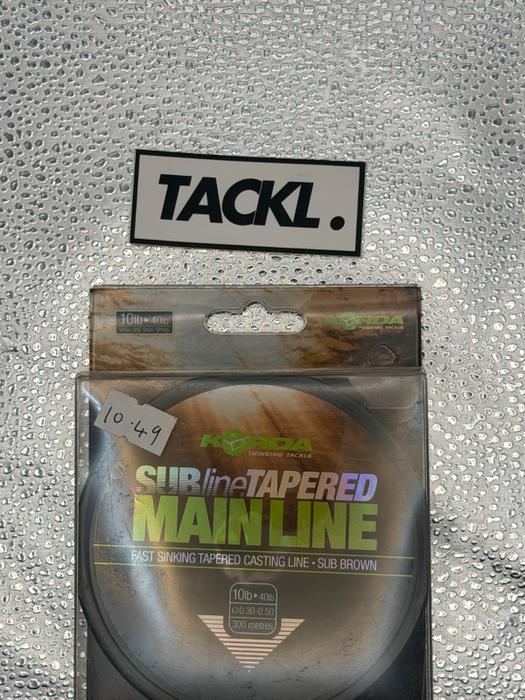
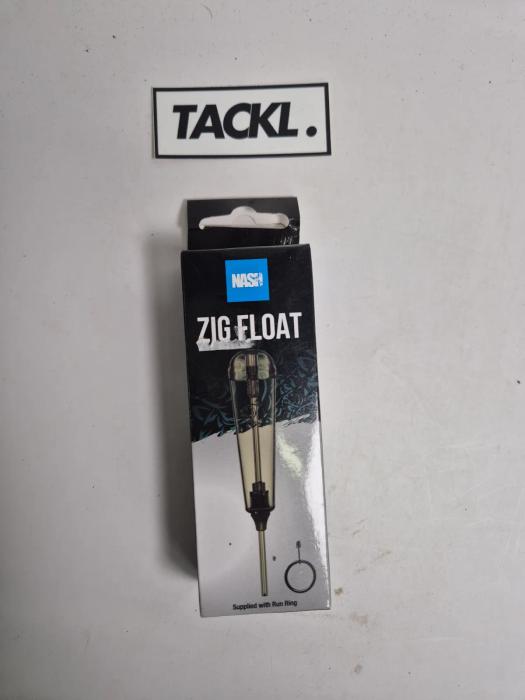
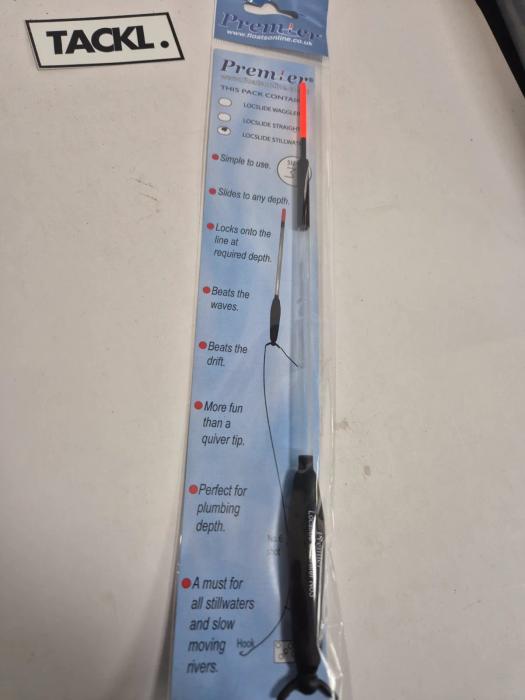
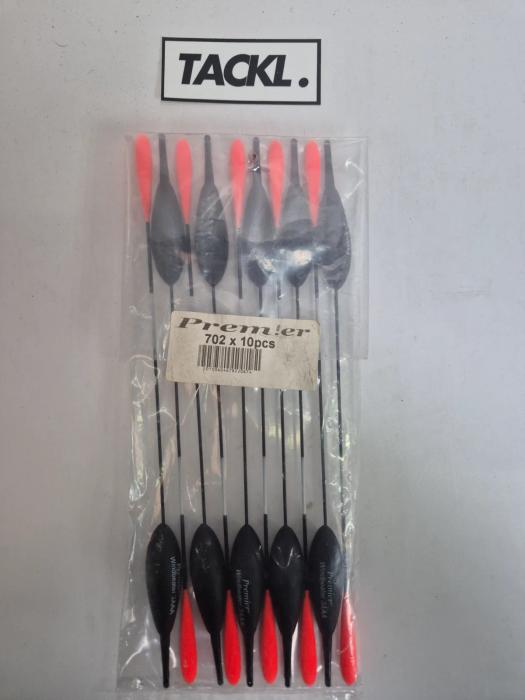
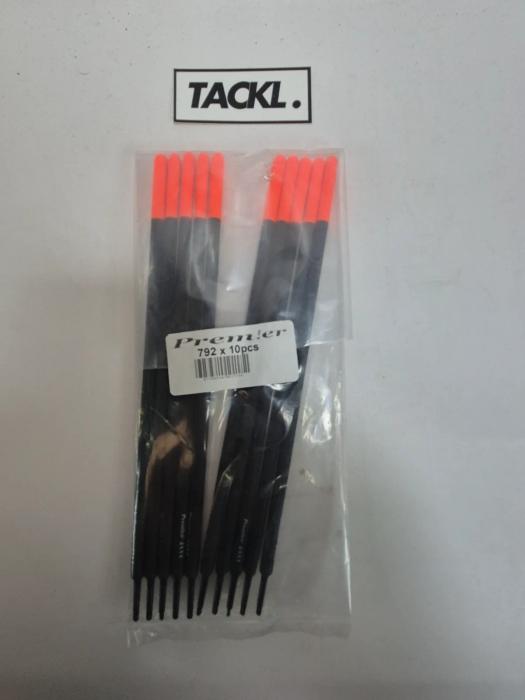
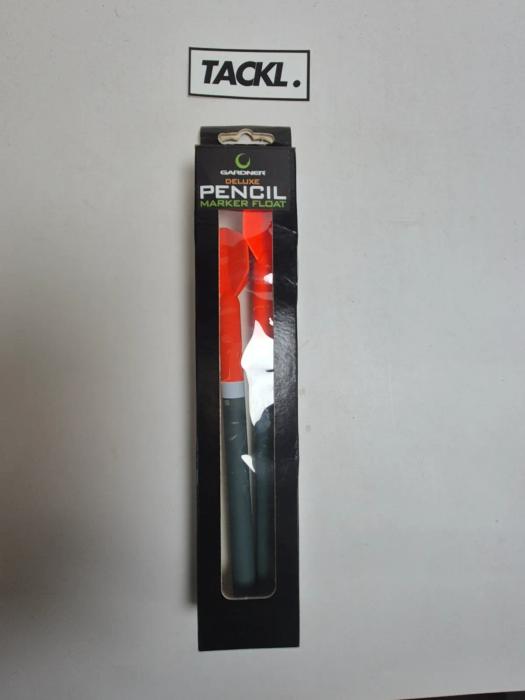
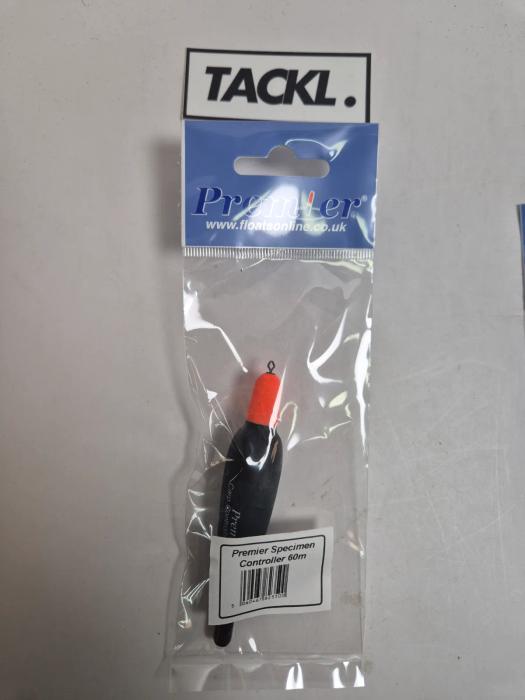
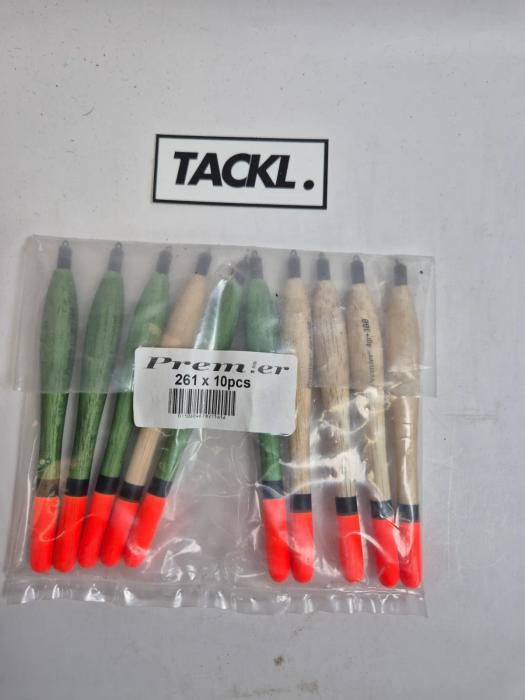
Three-spined Stickleback guides
- Coarse Fishing Close Season: When and Where You Can Fish in England & Wales
- Fish Catch and Size Limits in England & Wales: What You Can Keep
- Fishing Conditions Explained: How Weather Affects Fish
- Fishing Tackle Rules in England & Wales: Rods, Bait, Lead and Nets
- How to Tie a Knotless Knot: A Step-by-Step Carp Fishing Guide
- Rod Fishing Licence UK: Prices, Types, Rod Limits and How to Buy (2026)
Three-spined Stickleback fishing questions
What's the difference between a three-spined and nine-spined stickleback?
The three-spined has three distinct dorsal spines (two large, one small), while the nine-spined has 7-12 smaller, finer spines. The nine-spined is also typically slimmer, more eel-like, and much less common in the UK than its three-spined cousin.
Are sticklebacks good livebait for perch or pike?
Sticklebacks are sometimes used as livebait. However, you must be aware of Environment Agency byelaws, which often restrict the use of certain species as livebait and prohibit the transfer of any fish between different waters to prevent the spread of disease.
Why do sticklebacks change colour?
During the breeding season, the male develops a bright red throat and belly with blue eyes. This vibrant display serves to attract female mates and to warn off rival males from the territory where he builds and guards his nest.
Do sticklebacks build nests?
Yes, the male builds an elaborate nest from vegetation, which he glues together with a kidney secretion called spiggin. He then entices a female to lay eggs inside, before fertilising them and guarding the nest and fry aggressively against all threats.
Can you eat three-spined sticklebacks?
While not poisonous, sticklebacks are far too small and bony to be considered a food fish in the UK. They are almost exclusively caught for sport or as a first introduction to angling for children, and should be returned to the water.


