

Wels Catfish Fishing UK
By Tackl · Updated 10 October 2026

Silurus glanis
The UK's largest freshwater fish, the Wels catfish is a non-native predator introduced to British waters. Prized by specimen hunters for its immense size and powerful fight, it requires specialised heavy-duty tackle and is most active during the warmer months, often feeding after dark.
Photo: Dieter Florian (To contact the author, ask the uploader or take a look at tauchshop-florian.de.), CC BY-SA 3.0 de, via Wikimedia Commons
- Typical size
- 20-50lb, with fish over 100lb present in some UK waters.
- British record
- 105lb 0oz (boat-caught, R. Wood, 2023)
- Found in
- lake, river, reservoir, gravel pit, canal
- Peak season
- Summer
How to identify a wels catfish
The Wels catfish is unmistakable. It has a huge, broad, and flattened head with a vast mouth containing pads of small, rasping teeth. Six prominent barbels surround the mouth: two very long ones on the upper jaw and four shorter ones on the lower jaw. The body is long, tapering, and entirely scaleless with smooth, often mottled green-brown to black skin and a pale, creamy underside. It features a tiny dorsal fin near the head and a very long anal fin that extends towards the tail fin. Its eyes are disproportionately small. The overall appearance is somewhat tadpole-like, distinguishing it from any native UK freshwater fish.
Where it lives
As an introduced species, the Wels catfish is confined to specific locations, primarily well-stocked commercial stillwaters, gravel pits, and large reservoirs in England. They thrive in deep, murky, and slow-moving water, preferring warmer temperatures. Several river systems, notably the River Severn and some Fenland drains, now hold small, self-sustaining populations. They are ambush predators that favour cover, often lurking in undercut banks, beneath weed beds, among tree roots and snags, or in deep holes and depressions on the bottom. They become most active and hunt more widely during periods of low light, especially at night, or in heavily coloured water.
What it eats and the best baits
A voracious apex predator, the Wels catfish has a varied diet. It primarily feeds on fish such as roach, bream, and eels, but its huge mouth allows it to take larger prey including waterfowl like ducks and coots. It is an opportunistic scavenger, also consuming dead fish and other carrion. Invertebrates such as worms and crayfish are eaten, particularly by smaller specimens. They hunt primarily by scent and vibration, using their barbels to locate food in low light conditions.
- Large halibut pellets
- Fish deadbaits (mackerel
- lamprey)
- Large boilies
- Lobworms
- Spam/luncheon meat
- Livebaits (where fishery rules permit)
Best time of year
- Jan – quieter
- Feb – quieter
- Mar – quieter
- Apr – quieter
- May – good
- Jun – good
- Jul – good
- Aug – good
- Sep – good
- Oct – quieter
- Nov – quieter
- Dec – quieter
The coarse fish close season in England and Wales runs from 15 March to 15 June inclusive, which applies to all rivers. The close season does not apply to most stillwaters or canals, which are the primary venues for catfish angling.
How to catch wels catfish
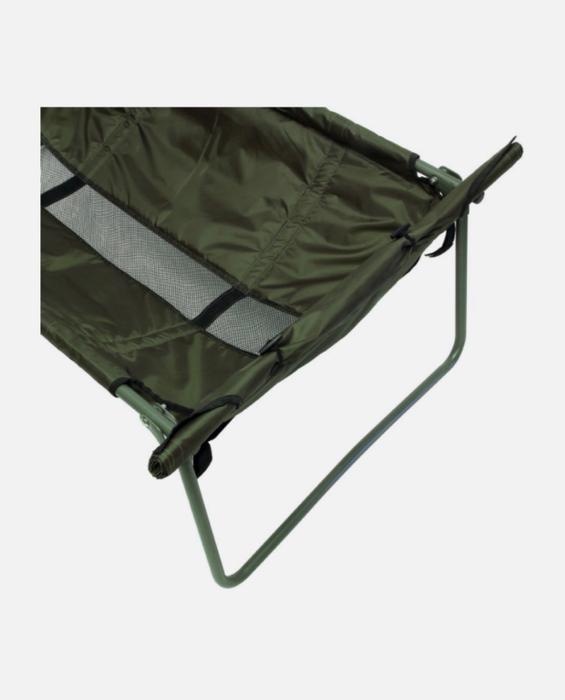
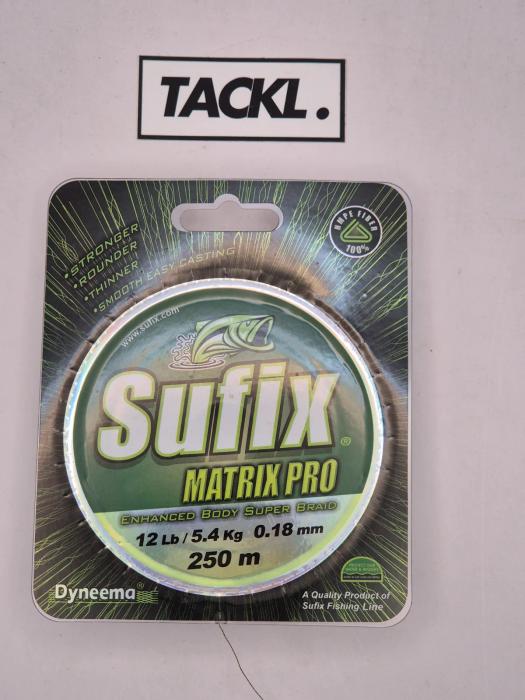
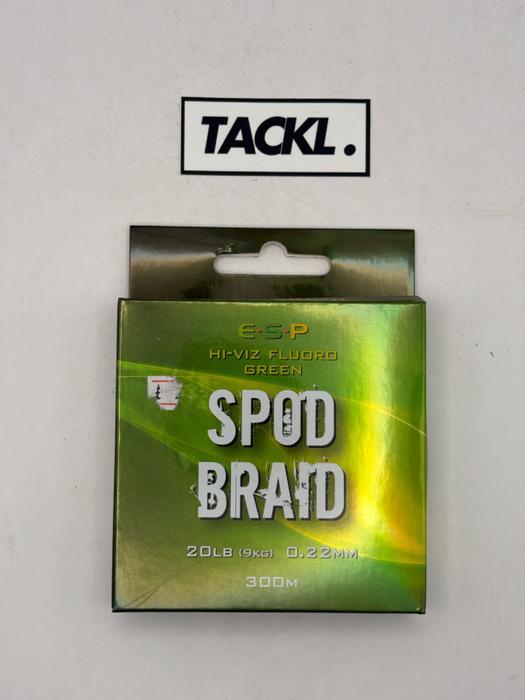
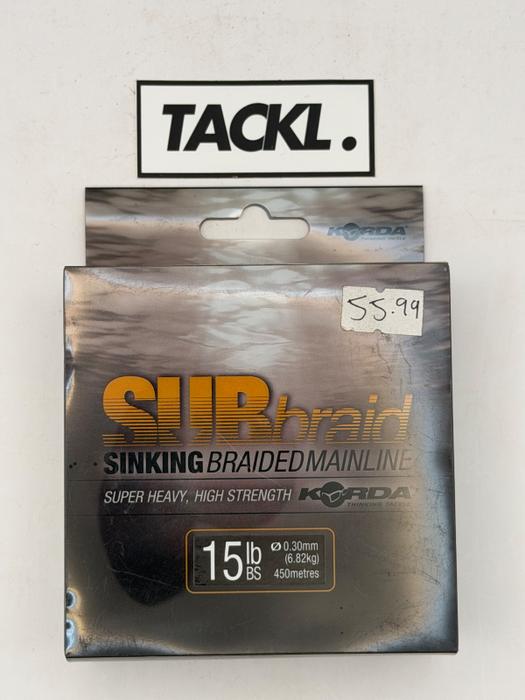
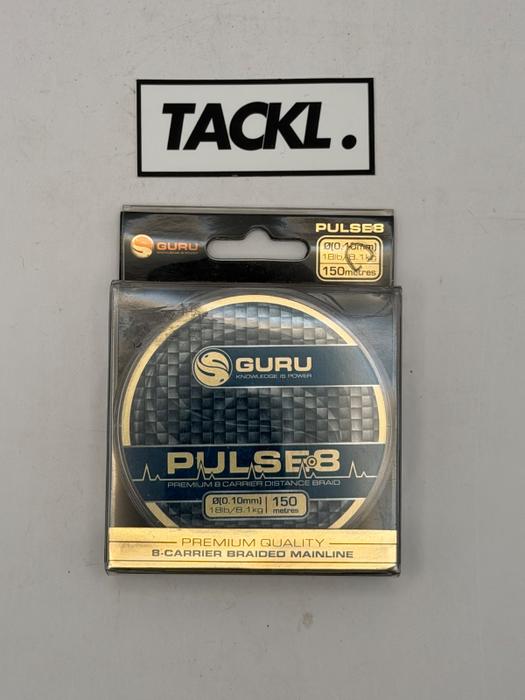
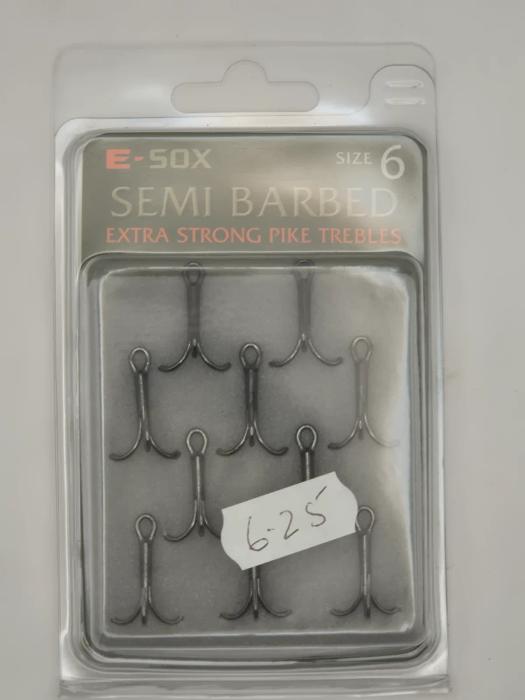
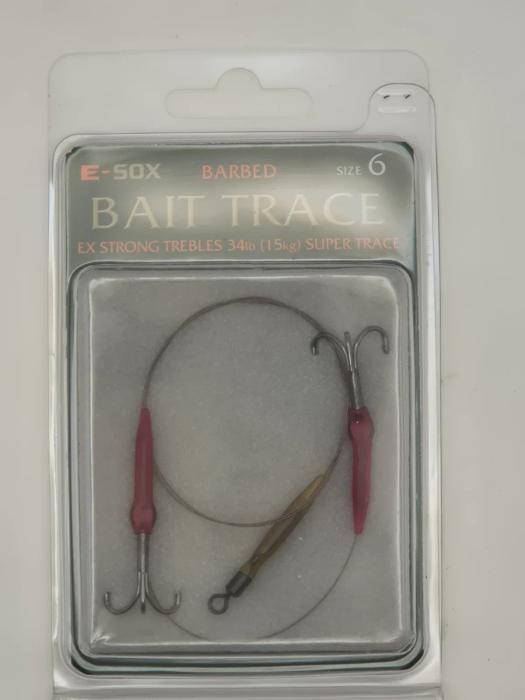
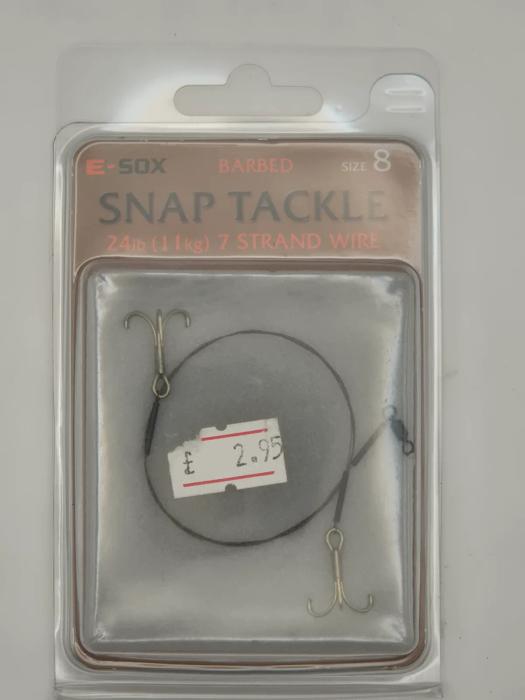
Angling for catfish demands strong, robust tackle. Rods should have a test curve of at least 3lb, with dedicated catfish or heavy carp rods being ideal. Large 'big pit' style reels loaded with a minimum of 60lb breaking strain braided mainline are standard, providing the power to stop and turn a large fish. Rigs are typically simple, strong leger rigs, using a running lead or a semi-fixed setup to present a large bait on the bottom. Hooklinks must be highly abrasion-resistant, with breaking strains of 80-100lb, paired with large, strong single hooks (size 1 to 4/0). Baits are fished tight to features or in known deep areas. A large unhooking mat and appropriate weighing sling are essential for fish welfare, and gloves are recommended to protect hands from the catfish's abrasive teeth pads when handling.
Legal notes
An Environment Agency rod licence is required to fish for any freshwater species in England and Wales. The Wels catfish is a non-native species. Under current legislation, it is illegal to introduce them to any water or move them between waters without official consent. Anglers should return any caught catfish to the water from which it was captured.
Rules change. Check current Environment Agency, NRW or Scottish regulations and the venue's own rules before fishing. Not professional or legal advice.
Where to catch wels catfish in the UK
Counties with wels catfish recorded on Tackl: Essex (7), Kent (5), Norfolk (5), Dorset (2), Bedfordshire (1), Cheshire (1), Staffordshire (1), Gloucestershire (1), Berkshire (1), Cambridgeshire (1), Oxfordshire (1), Devon (1), Surrey (1), Lincolnshire (1), Greater London (1), Hertfordshire (1).
31 venues in 16 counties
Bedfordshire(1)
- Beckerings Park Farm ReservoirReported
Berkshire(1)
- Finch Farm FisheryReported
Cambridgeshire(1)
- Float FishfarmReported
Cheshire(1)
Devon(1)
- Milemead FisheriesReported
Dorset(2)
- Alder Lake Coking Farm FisheryReported
- Big Hayes Specimen LakeReported
Essex(7)
- Picks Cottage Fishing Lakes and Tackle ShopReported
- Home Farm PACReported
- Middle Lake Churchgate FisheryReported
- Oak Lake Oak Lakes FisheryReported
- Ramsey Brook 2 PACReported
- The Warren FisheryReported
- Woody's Fishing LakeReported
Gloucestershire(1)
- Elton Carp LakesReported
Greater London(1)
- Par FisheryReported
Hertfordshire(1)
- Tring ReservoirsReported
Kent(5)
- Cackle Hill LakesReported
- Manor FisheriesReported
- Orchard Place Farm Fishing LakesReported
- Springwood FisheriesReported
- Tricklebrook FisheryReported
Lincolnshire(1)
- North View LakesReported
Norfolk(5)
- Cobbleacre Park LakesReported
- Cross Drove FisheryReported
- Fendicks FisheryReported
- Oakwood Park LakesReported
- Swangey LakesReported
Oxfordshire(1)
- Linear FisheriesReported
Staffordshire(1)
- Cudmore FisheriesReported
Surrey(1)
- Newdigate Farms LtdReported
Tackle for wels catfish
Wels Catfish guides
- Coarse Fishing Close Season: When and Where You Can Fish in England & Wales
- Fish Catch and Size Limits in England & Wales: What You Can Keep
- Fishing Conditions Explained: How Weather Affects Fish
- Fishing Tackle Rules in England & Wales: Rods, Bait, Lead and Nets
- Rod Fishing Licence UK: Prices, Types, Rod Limits and How to Buy (2026)
- The Moon and Fishing: Phases, Solunar Theory and What Actually Matters
Wels Catfish fishing questions
Are Wels catfish native to the UK?
No, they are a non-native species. They were introduced to Great Britain in the 19th century for ornamental purposes and have since been stocked into various fisheries for angling, with some limited wild populations now established.
Do you need a special licence for catfish?
No special licence is required. You must have a valid Environment Agency rod licence to fish for catfish, just as you would for any other coarse fish in England and Wales. Always check fishery-specific rules as well.
Is it legal to return a Wels catfish?
Yes, you should return catfish to the water where they were caught. It is, however, illegal under the Keeping and Introduction of Fish Regulations 2015 to introduce them or stock them into any water without a permit from the EA.
Are catfish dangerous to handle?
They are not venomous or inherently dangerous, but care is required. Their mouths contain abrasive pads of teeth that can scrape the skin, and their pectoral fins have sharp leading spines. Use of gloves and a large, wet unhooking mat is strongly advised.
When is the best time to fish for catfish?
Catfish are most active in warm water. The best period is from late spring through to early autumn (May to September). They are predominantly nocturnal feeders, so dusk, dawn, and throughout the night are prime times to target them.


