

Zander Fishing UK
By Tackl · Updated 10 October 2026

Sander lucioperca
An introduced predatory species, the zander is prized by UK specimen and lure anglers. With its streamlined, perch-like body, glassy eyes, and sharp canine teeth, it is an efficient hunter in canals, rivers, and stillwaters, often active in low-light conditions and coloured water, hunting in packs.
Photo: eLNuko, Public domain, via Wikimedia Commons
- Typical size
- 2-6lb, with a 10lb+ fish being a specimen.
- British record
- 21lb 5oz (2007)
- Found in
- river, lake, canal, reservoir, drain, gravel pit
- Peak season
- Autumn and Winter
How to identify a zander
The zander has a long, slender, pike-perch body shape. Key features include two separate dorsal fins (the front one spiny, the rear soft-rayed) and large, glassy, almost opaque eyes adapted for low light. Its head is pointed, with a large mouth containing prominent canine teeth. The flanks are typically grey-green or brownish, marked with dark, vertical, often indistinct bars, fading to a white or cream belly. It can be distinguished from perch by its more elongated body and separate dorsal fins, and from pike by its two dorsal fins and lack of a 'duck-bill' snout. Its spooky, glowing eyes are a definitive feature.
Where it lives
Zander thrive in slow-moving, deep, and often turbid lowland waters. They are well-established in the canal network, particularly the Grand Union Canal, and the vast system of Fenland drains in East Anglia. They are also a key predator in large reservoirs and gravel pits like Grafham Water. Major rivers such as the Severn, Trent, and Warwickshire Avon hold significant populations, where they favour deep, structured areas like weir pools, bridge pilings, and steep drop-offs. Their tolerance for coloured water gives them a competitive advantage, allowing them to hunt effectively where other visual predators might struggle.
What it eats and the best baits
Zander are specialist predators of small fish. Their diet consists mainly of silver fish such as roach, bleak, and gudgeon, as well as smaller perch. Unlike pike, they have a smaller throat, so they target prey typically between 3-6 inches long. They are pack hunters, especially when young, using their superior low-light vision to ambush shoals in murky water. They are opportunistic and will also take invertebrates, but fish form the vast majority of their diet in UK waters.
- Soft plastic shads
- Grubs and creature baits
- Small roach deadbait
- Smelt deadbait
- Gudgeon deadbait
- Lamprey section
- Drop shot lures
- Crankbaits
Best time of year
- Jan – good
- Feb – good
- Mar – quieter
- Apr – quieter
- May – quieter
- Jun – good
- Jul – good
- Aug – good
- Sep – good
- Oct – good
- Nov – good
- Dec – good
In England and Wales, the traditional coarse fish close season applies to all rivers, prohibiting fishing from 15 March to 15 June inclusive. Most stillwaters and canals remain open year-round, but always check local club or fishery rules.
How to catch zander
Lure fishing is the most popular approach. Jigging soft plastic shads or grubs vertically from a boat or bounced along the bottom from the bank is highly effective. Casting and retrieving crankbaits and other hard lures around structure can also trigger aggressive takes. Deadbaiting, especially in cooler water, is a classic method. A small, fresh deadbait such as a roach or smelt presented on a static ledger rig or a float paternoster can be deadly. Due to their smaller mouths compared to pike, bait size should be kept modest. Drop shotting with small, finesse lures is a superb modern tactic. A wire trace is strongly advised to prevent their sharp teeth from cutting the line, though some anglers opt for heavy fluorocarbon leaders for a stealthier presentation.
Legal notes
An Environment Agency rod licence is mandatory for fishing in England and Wales. Zander are a non-native species and are subject to strict legal controls. It is illegal to introduce them to any water or to move them between waters without prior written consent from the Environment Agency to prevent their uncontrolled spread.
Rules change. Check current Environment Agency, NRW or Scottish regulations and the venue's own rules before fishing. Not professional or legal advice.
Where to catch zander in the UK
Counties with zander recorded on Tackl: Nottinghamshire (2), Leicestershire (1), Bedfordshire (1), Worcestershire (1).
5 venues in 4 counties
Bedfordshire(1)
- River Great OuseReported
Leicestershire(1)
- Frisby Water Park (Pits)Reported
Nottinghamshire(2)
- River TrentReported
- Wetlands LakesReported
Worcestershire(1)
- River SevernReported
Tackle for zander
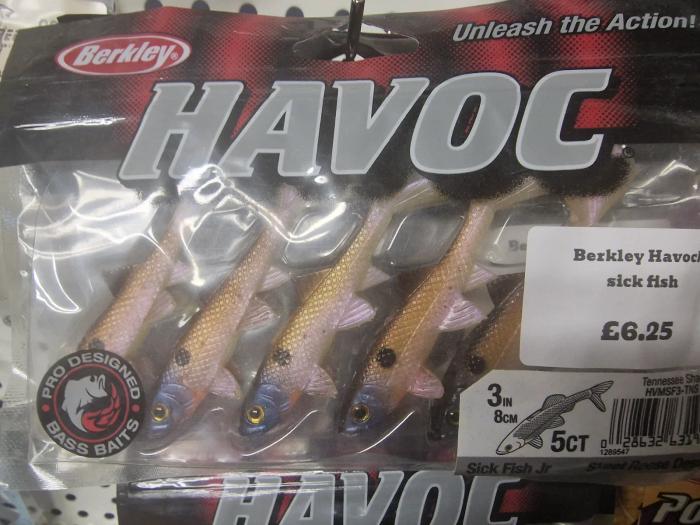
Berkley Havoc perch sick fish lure for bass/ Pike
£6.25
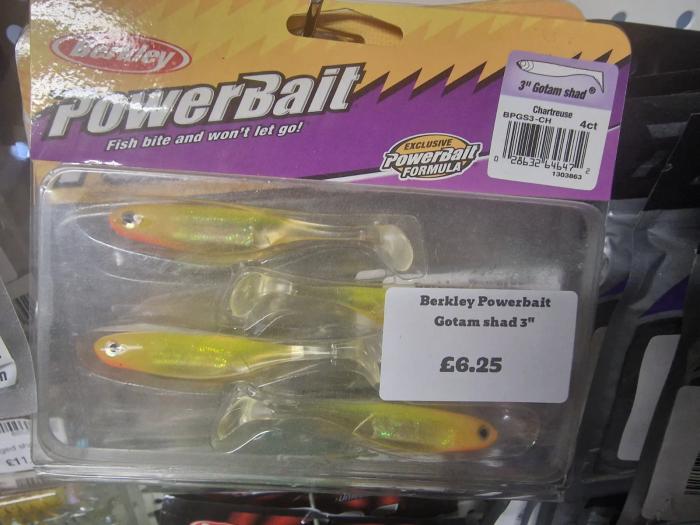
Berkley Soft Plastic / Shad Fishing Lure
£6.25
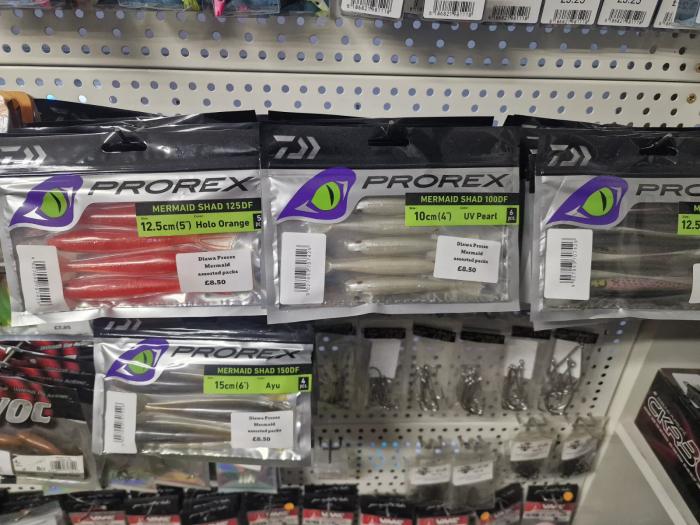
Daiwa Soft Plastic / Bass Fishing Lure Prorex mermaid
£8.50
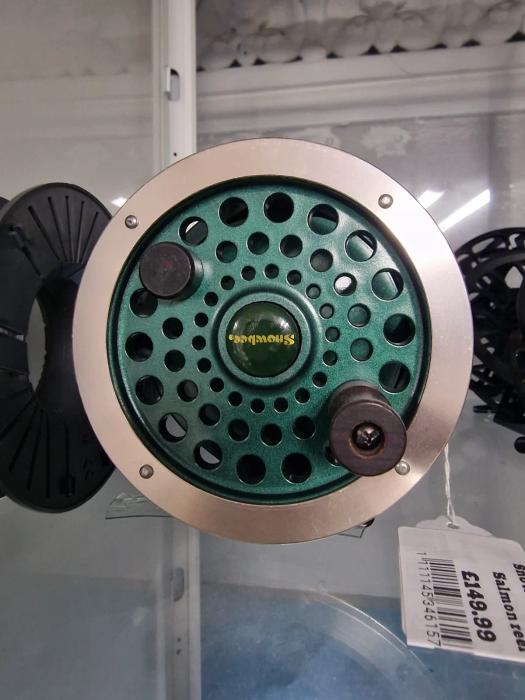
Snowbee Fly Fishing Reel
£149.99
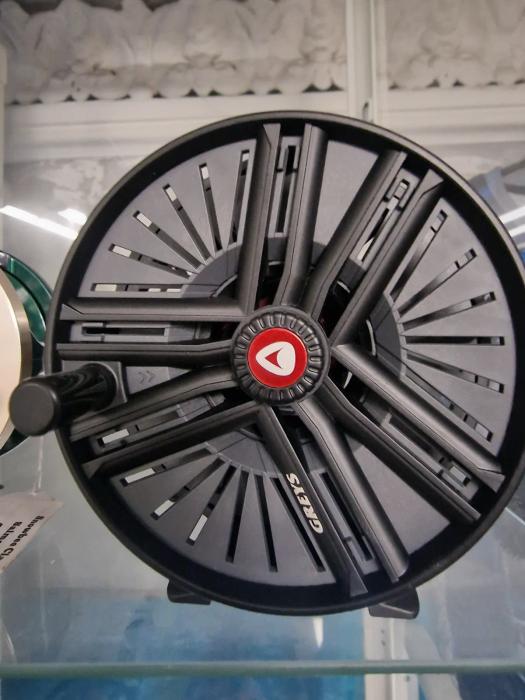
Fishing Reel Greys fin Cassette salmon
£59.99
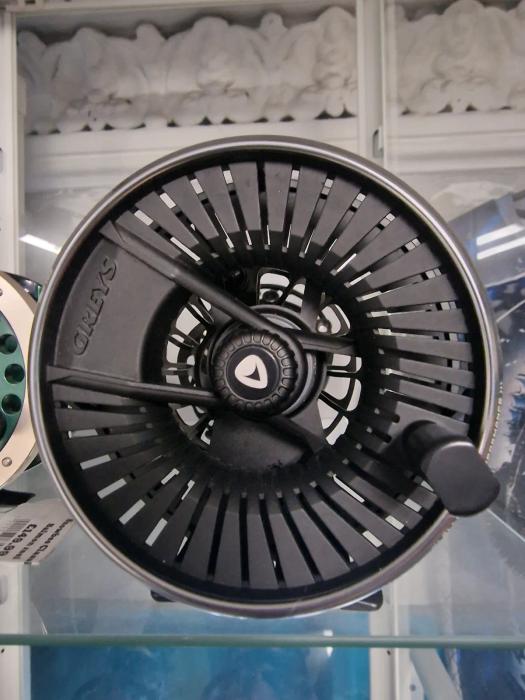
Greys Fly Reel Fishing Reel
£59.99
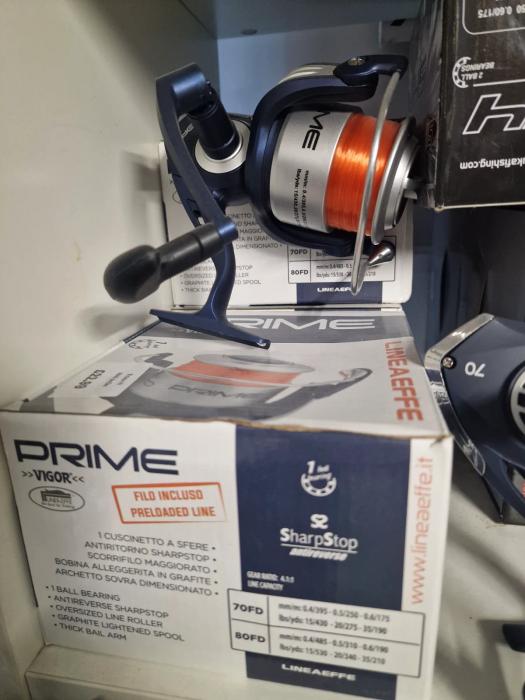
Lineaeffe Spinning 7000 Fishing Reel
£19.99
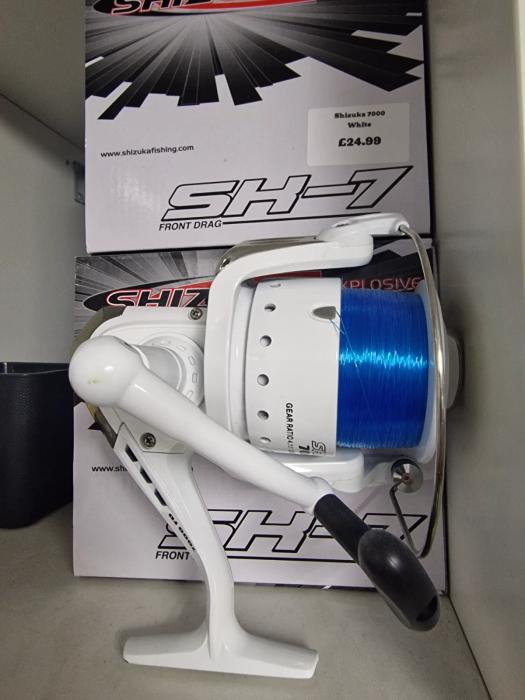
Shizuka Big Pit 7000 Fishing Reel
£23.99
Zander guides
- Coarse Fishing Close Season: When and Where You Can Fish in England & Wales
- Fish Catch and Size Limits in England & Wales: What You Can Keep
- Fishing Conditions Explained: How Weather Affects Fish
- Fishing Tackle Rules in England & Wales: Rods, Bait, Lead and Nets
- Rod Fishing Licence UK: Prices, Types, Rod Limits and How to Buy (2026)
- The Moon and Fishing: Phases, Solunar Theory and What Actually Matters
Zander fishing questions
Do I need a wire trace for zander?
Yes, a wire trace is highly recommended. Although not as numerous as a pike's, a zander's large canine teeth can easily sever monofilament or fluorocarbon lines, resulting in a lost fish and leaving the hook in its mouth.
What is the best time of day to catch zander?
Zander are crepuscular, meaning they are most active at dawn and dusk. Their large, light-gathering eyes give them a significant hunting advantage over prey fish in low-light conditions. Overcast days and night-time can also be extremely productive.
Are zander an invasive species in the UK?
They are classed as a non-native species. Following introductions in the 19th and 20th centuries, they have become established in certain regions. Their movement is now strictly controlled by law to prevent unwanted spread into sensitive fisheries.
Are zander good to eat?
In mainland Europe, zander are a highly prized table fish with firm, white, low-fat flesh. While they are edible, the vast majority of UK anglers practice catch and release to conserve stocks and protect the sport.
What size lure is best for zander?
Zander have smaller throats than pike, so smaller lures are generally more effective. Soft plastics and hard baits in the 3-5 inch (7-12cm) range are a good starting point. Match the lure size to the prevalent local prey fish.


