

Rainbow Trout Fishing UK
By Tackl · Updated 10 October 2026

Oncorhynchus mykiss
A hard-fighting, non-native salmonid from North America, the rainbow trout is the backbone of the UK's stillwater game fishing scene. Prized for its acrobatic fight and vibrant colours, it is stocked extensively in lakes and reservoirs for sport, offering year-round angling opportunities for fly and bait anglers alike.
Photo: Engbretson Eric, U.S. Fish and Wildlife Service, Public domain, via Wikimedia Commons
- Typical size
- 1-5lb, with larger specimens over 10lb in some fisheries
- British record
- 36lb 14oz 8dr (2002)
- Found in
- river, lake, pond, reservoir, gravel pit
- Peak season
- Spring and autumn
How to identify a rainbow trout
The most prominent feature is the broad, iridescent pink, red, or purple stripe running along each flank, which gives the fish its name. The body is typically olive-green to steely-blue on the back, fading to a silvery-white belly. Unlike brown trout, they have numerous small black spots covering the head, body, dorsal fin, and crucially, the entire tail fin. The adipose fin may also be spotted. In UK stillwaters, the adipose fin is often clipped by fish farms to mark them as stocked, sterile (triploid) fish. The inside of the mouth is white, another useful distinguishing feature from salmon and sea trout.
Where it lives
Rainbow trout are predominantly found in stocked stillwater fisheries across the UK, including small commercial pools, large reservoirs, and estate lakes. They require cool, clean, and well-oxygenated water to thrive, with an optimal temperature range of 12-18°C. While they are a riverine species in their native North American range, self-sustaining breeding populations in UK rivers are very rare and localised. Most river-caught rainbows are escapees from nearby stillwaters or fish farms. They are less tolerant of warmer, slower-moving water than many coarse fish, preferring areas with good flow or depth.
What it eats and the best baits
Primarily insectivores, rainbow trout feed heavily on aquatic invertebrates like midge pupae (buzzers), caddis and mayfly larvae, and freshwater shrimp. They are opportunistic and will also take terrestrial insects blown onto the water, such as daddy long legs and beetles. As they grow, their diet expands to include molluscs, leeches, fish eggs, and small prey fish like minnows and sticklebacks. In commercial fisheries, they also become accustomed to eating anglers' baits and fish farm pellets, making them highly adaptable feeders.
- Buzzer flies
- Nymph flies
- Dry flies
- Lure flies (e.g. Cat's Whisker)
- Spinners
- Spoons
- Powerbait
- Sweetcorn
- Maggots
- Worms
Best time of year
- Jan – good
- Feb – good
- Mar – good
- Apr – good
- May – good
- Jun – good
- Jul – good
- Aug – good
- Sep – good
- Oct – good
- Nov – good
- Dec – good
The statutory coarse fish close season (15 March - 15 June) on rivers in England and Wales does not apply to rainbow trout. However, some fisheries and rivers have their own local byelaws or club rules that may enforce a close season for trout, so always check local regulations.
How to catch rainbow trout
Fly fishing is the classic method. On stillwaters, this involves using floating, intermediate or sinking lines to present flies at different depths. 'Nymphing' under an indicator or with a 'straight-line' setup is deadly, as is pulling streamer patterns and lures like the Cat's Whisker or Damsel Nymph. In summer, targeting rising fish with dry flies can be exhilarating. Spinning with small metal lures, such as spoons and spinners, is also highly effective where permitted. On bait-designated fisheries, simple float fishing tactics using maggots, sweetcorn or worms work well, as does ledgering with modern paste baits like Powerbait. Stalking the margins of clear water venues and presenting a bait or fly to a visible fish is a challenging but rewarding approach.
Legal notes
An Environment Agency rod licence is required to fish for rainbow trout in England and Wales. In Scotland, a national licence is not required, but a permit from the fishery owner or controlling angling club is mandatory. As a non-native species, it is illegal to introduce rainbow trout into any water without specific consent from the relevant environmental authority. Many fisheries operate specific kill or catch-and-release rules.
Rules change. Check current Environment Agency, NRW or Scottish regulations and the venue's own rules before fishing. Not professional or legal advice.
Where to catch rainbow trout in the UK
Counties with rainbow trout recorded on Tackl: Hampshire (2), Essex (2), Norfolk (1), East Sussex (1), Kent (1), Somerset (1), Cornwall (1), Surrey (1), Lincolnshire (1).
11 venues in 9 counties
Cornwall(1)
- Drift Reservoir Fly FishingReported
East Sussex(1)
- Brick Farm Lakes Trout FisheryReported
Essex(2)
- Danbury Trout LakeReported
- Thornwood Springs Trout FisheryReported
Hampshire(2)
- Chiphall LakeReported
- Holbury Lakes Trout FisheryReported
Kent(1)
- Chequertree FisheryReported
Lincolnshire(1)
- Withern Mill Trout FarmReported
Norfolk(1)
- Blackdyke Trout FisheryReported
Somerset(1)
- Clatworthy ResevoirReported
Tackle for rainbow trout
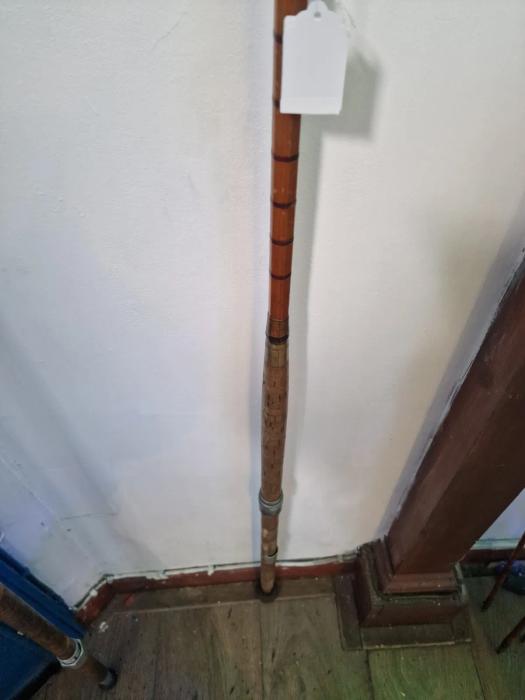
Hardy 15ft 3 piece Fly Fishing Rod (Split Cane)
£200.00
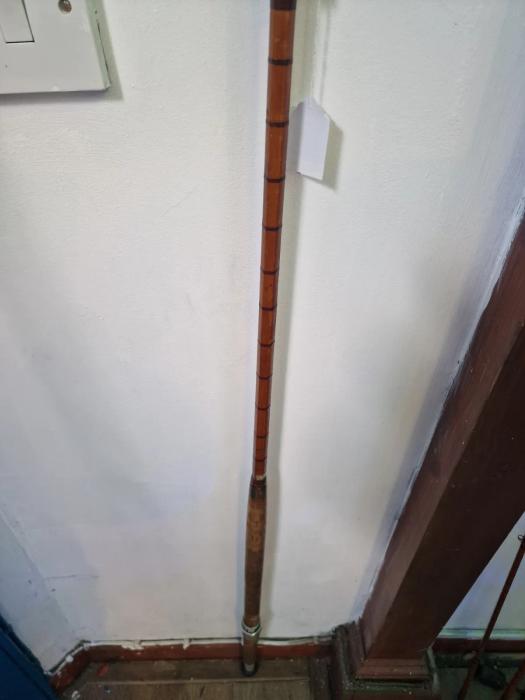
Hardy (Split Cane) 12ft 3 piece Fly Fishing Rod with spare tip
£400.00
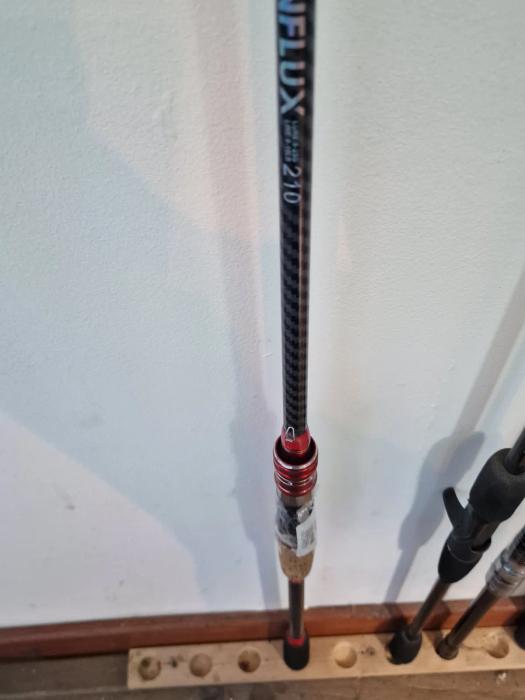
Sylvanflux 210 2 piece Spinning / lure Fishing Rod
£39.99
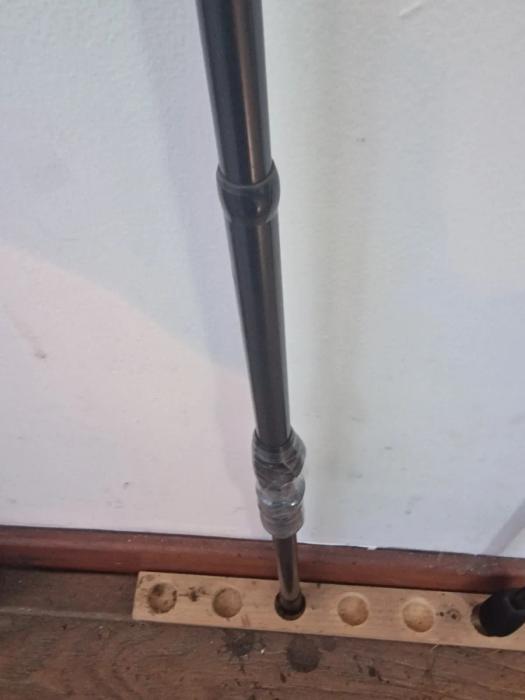
gotuda spin 210 2 piece Spinning / lure Fishing Rod
£31.99
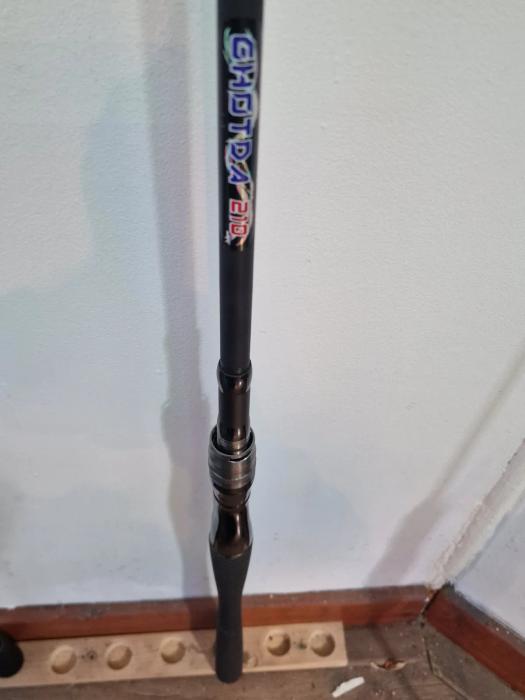
Gotoda 210 2 piece Spinning / lure Fishing Rod
£39.99
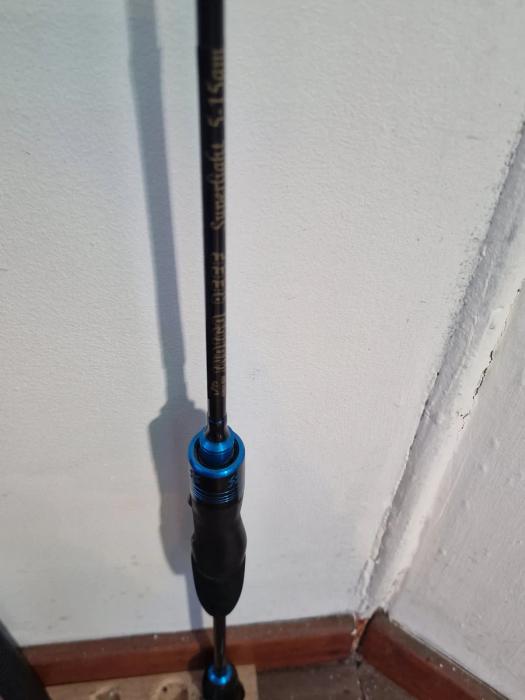
indigo reef 190 2 piece Spinning / lure Fishing Rod
£29.99
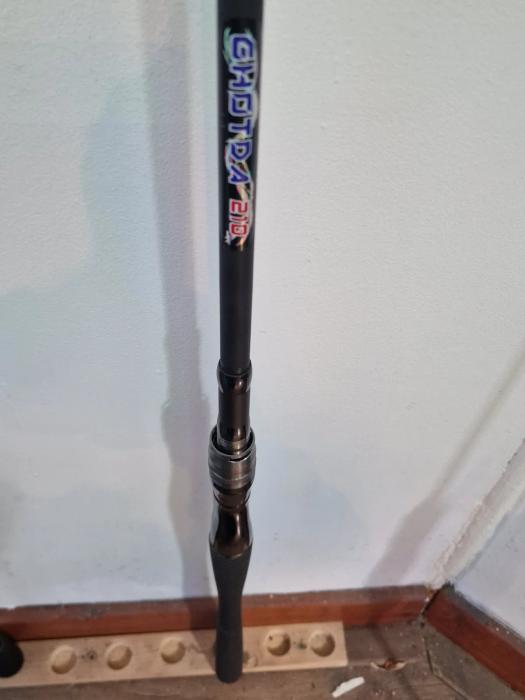
Gotuda 210 2 piece Spinning / lure Fishing Rod
£39.99
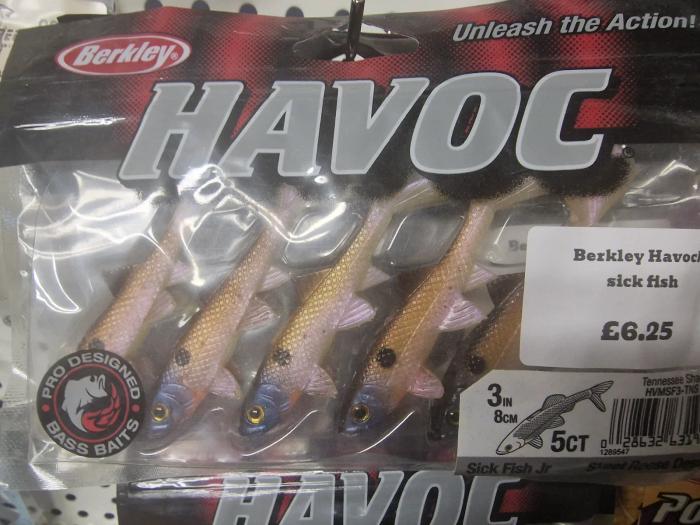
Berkley Havoc perch sick fish lure for bass/ Pike
£6.25
Rainbow Trout fishing questions
Do I need a licence to fish for rainbow trout in the UK?
Yes, in England and Wales you need an Environment Agency rod licence. In Scotland, a permit from the fishery owner is required instead of a national licence. Always check fishery-specific rules before fishing.
Are rainbow trout native to the UK?
No, they are a non-native species originally from the Pacific coasts of North America. They are widely stocked for angling but rarely form self-sustaining wild populations in UK rivers.
What's the difference between a rainbow trout and a brown trout?
Rainbow trout have a distinct pink/purple stripe along their flank and small black spots all over their tail fin. Brown trout have larger red and black spots (often with light halos) but very rarely have spots on the tail.
Can you eat rainbow trout?
Yes, they are an excellent eating fish with delicate, pink-orange flesh. Many UK trout fisheries are 'put-and-take', where anglers pay to catch and keep a certain number of fish for the table.
Does the river close season apply to rainbow trout?
No, the statutory 15 March - 15 June coarse fish close season in England and Wales does not apply to non-migratory trout. However, fishery-specific or local byelaws may impose their own close seasons, so it is vital to check.


