

Arctic Charr Fishing UK
By Tackl · Updated 10 October 2026

Salvelinus alpinus
A rare and beautiful salmonid, the Arctic Charr is a glacial relict species found only in a handful of deep, cold lakes in the UK. Prized for its striking colours, especially during spawning, it is a protected species in many of its native waters, requiring careful consideration from anglers.
Photo: Alison Copeland, CC BY 4.0, via Wikimedia Commons
- Typical size
- 6-12oz, with fish over 1lb being a good specimen.
- British record
- 9lb 8oz (1995, W. M. T. L., Loch Arkaig)
- Found in
- lake
- Peak season
- Summer and early autumn
How to identify a arctic charr
The key identifier is the pattern of light, cream, pink, or red spots on a darker background (olive, brown, or grey-blue), which is the reverse of trout and salmon that have dark spots on a lighter background. The belly can become a brilliant orange or red in spawning males. Charr have a more streamlined, torpedo-shaped body than trout and a distinctly forked tail. The leading edges of the pectoral, pelvic, and anal fins are typically a bright, milky-white, which is a key characteristic of the *Salvelinus* genus. Their size is generally smaller than the trout found in the same waters, and they possess very small scales, making their skin feel smooth.
Where it lives
Arctic Charr are a relict of the last Ice Age, confined to deep, cold, and well-oxygenated freshwater lakes (lochs and llyns) with low nutrient levels. In the UK, they are found only in a small number of such waters in the Lake District (e.g., Windermere, Coniston Water), the Scottish Highlands (e.g., Loch Rannoch, Loch Eck), and North Wales (e.g., Llyn Padarn). They spend most of their time in the deep, cold layers of the water column, often at depths of 20-40 metres or more, only moving into shallower areas to spawn over gravel beds during late autumn and winter. Their survival is threatened by climate change and nutrient enrichment.
What it eats and the best baits
The diet of Arctic Charr is varied, consisting mainly of zooplankton, particularly water fleas (Cladocera) and copepods. They are opportunistic feeders, however, and will also consume benthic invertebrates like freshwater shrimps, snails, and insect larvae found on the lake bed. Larger specimens become piscivorous, preying on small fish such as minnows and sticklebacks, and even their own young. Their diet can vary significantly between different genetically distinct populations across the UK, adapting to the specific food web of their home water.
- Small spoons
- Spinners
- Jigs
- Wet flies
- Nymphs
- Trolled plugs
Best time of year
- Jan – quieter
- Feb – quieter
- Mar – quieter
- Apr – good
- May – good
- Jun – good
- Jul – good
- Aug – good
- Sep – good
- Oct – good
- Nov – quieter
- Dec – quieter
Arctic Charr are a game species and are not subject to the English and Welsh coarse fish close season (15 March - 15 June). However, individual fisheries where charr may be legally angled for will have their own specific season dates which must be strictly followed.
How to catch arctic charr
Where angling for Arctic Charr is permitted, it is almost exclusively a boat-based activity due to the fish's deep-water habitat. The most effective method is trolling small lures, such as Tasmanian Devils, Toby spoons, or spinners, at various depths using lead-core lines or downriggers to reach the fish. Vertical jigging with small, flashy metal jigs or pilks can also be very effective when a shoal is located on a fish-finder. Fly fishing can be successful, but requires fast-sinking lines and teams of nymphs or small lures to get down to the required depth. A light spinning rod of 7-8ft paired with a small fixed-spool reel loaded with 4-6lb monofilament or light braid is ideal for most lure fishing applications. Angling for these fish is a specialised pursuit with very limited opportunities in the UK.
Legal notes
An Environment Agency rod licence is required to fish for salmonids in England and Wales. In Scotland, while no national licence exists, you must have permission from the relevant fishery owner. Most native UK charr populations are in Sites of Special Scientific Interest (SSSIs) and are protected, making it illegal to target them. Always check local bylaws and fishery rules before attempting to fish, as opportunities are extremely limited.
Rules change. Check current Environment Agency, NRW or Scottish regulations and the venue's own rules before fishing. Not professional or legal advice.
Where to catch arctic charr in the UK
We don't have venues confirmed for arctic charr yet. Browse all venues.
Tackle for arctic charr
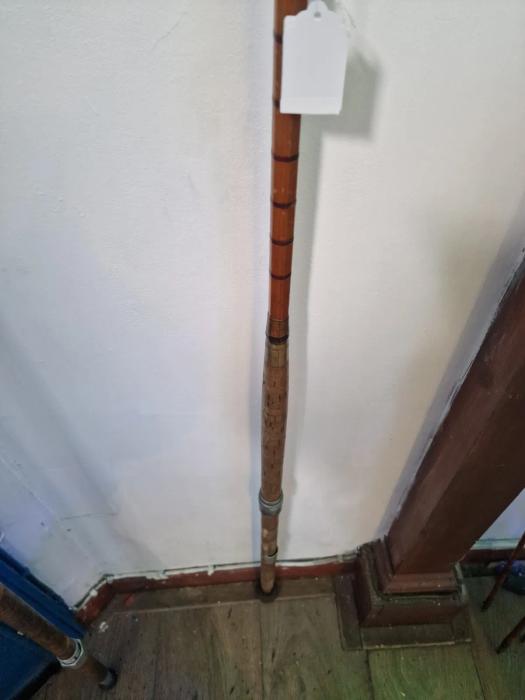
Hardy 15ft 3 piece Fly Fishing Rod (Split Cane)
£200.00
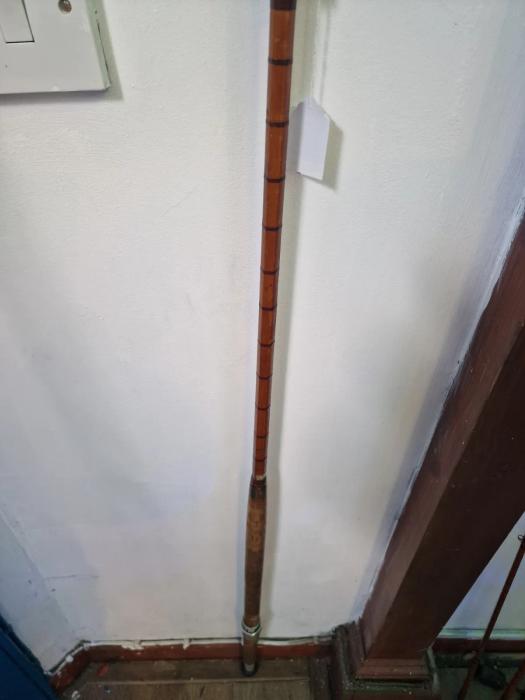
Hardy (Split Cane) 12ft 3 piece Fly Fishing Rod with spare tip
£400.00
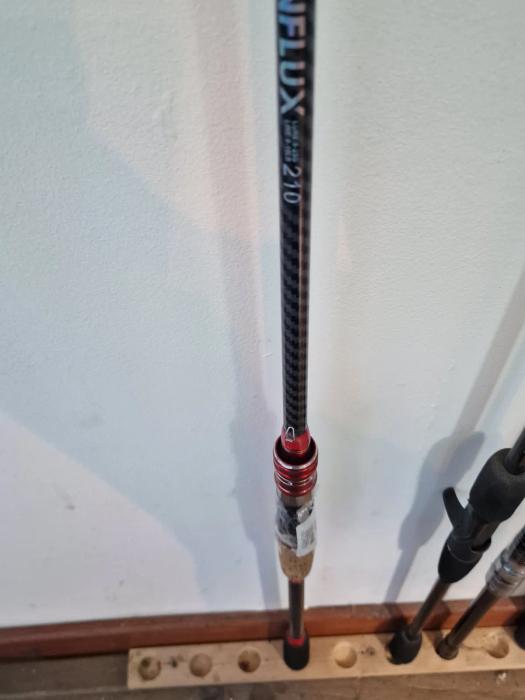
Sylvanflux 210 2 piece Spinning / lure Fishing Rod
£39.99
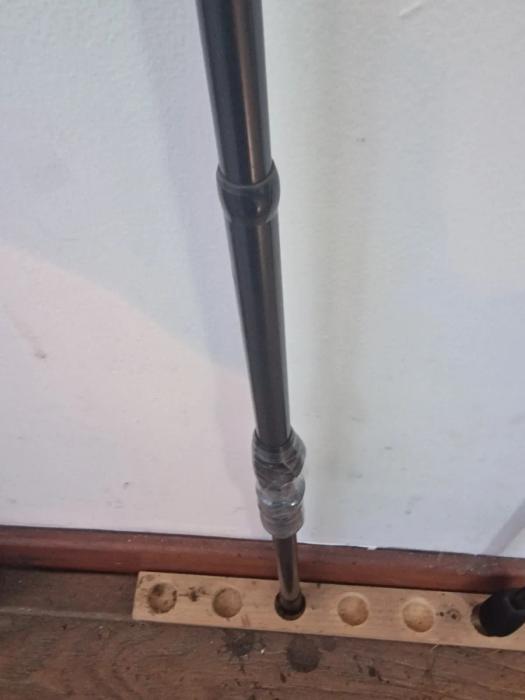
gotuda spin 210 2 piece Spinning / lure Fishing Rod
£31.99
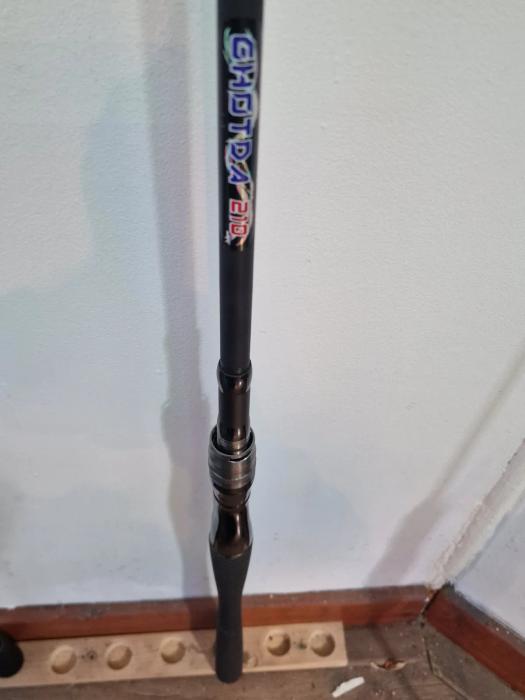
Gotoda 210 2 piece Spinning / lure Fishing Rod
£39.99
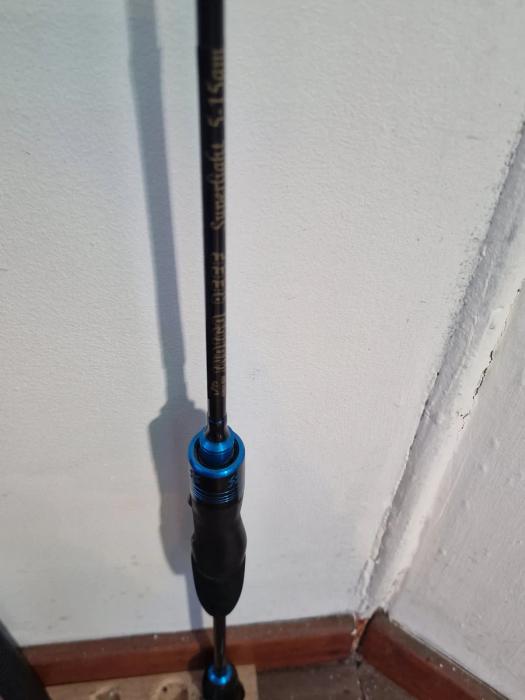
indigo reef 190 2 piece Spinning / lure Fishing Rod
£29.99
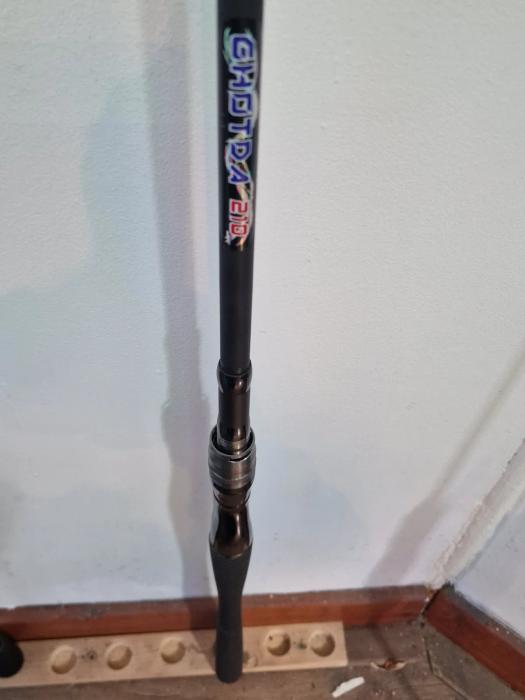
Gotuda 210 2 piece Spinning / lure Fishing Rod
£39.99
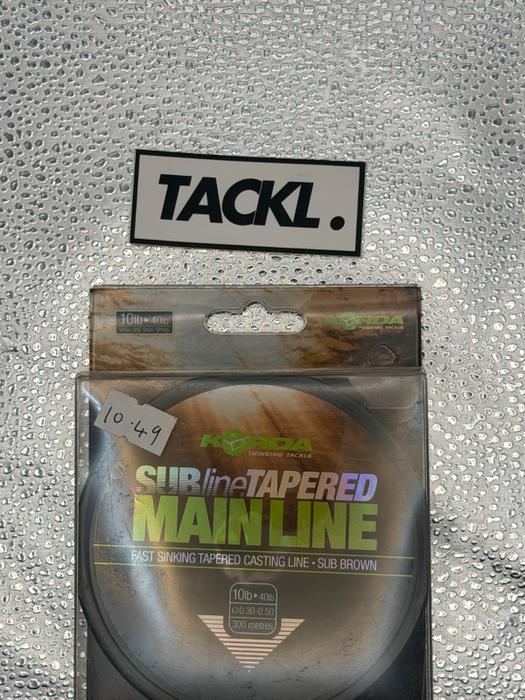
Korda Subline Tapered mainline
£8.00
Arctic Charr fishing questions
Where can I fish for Arctic Charr in the UK?
Opportunities are extremely rare. Most wild populations are protected. A few Scottish lochs may permit angling for them, but you must check with the specific fishery owner. Angling is generally forbidden in their Welsh and Lake District habitats due to their conservation status.
Are Arctic Charr a type of trout?
No, although they are in the same family (Salmonidae). Charr belong to the genus *Salvelinus*, whereas Brown Trout are in *Salmo*. The key difference is charr have light spots on a dark body, while trout have dark spots on a lighter body.
Why are Arctic Charr so rare in the UK?
They are a cold-water species left behind after the last Ice Age. As the climate warmed, they became isolated in a few deep, cold lakes that could sustain them. They are vulnerable to pollution, introduced species, and rising water temperatures due to climate change.
What is the best method to catch Arctic Charr?
Where permitted, boat fishing is essential. Trolling small spoons or spinners at depth using a downrigger or lead-core line is the most common and effective technique. Vertical jigging over located shoals can also work well. They are rarely caught from the bank.
What does 'Torgoch' mean?
Torgoch is the Welsh name for Arctic Charr and means 'red-bellied', referring to the bright crimson colouration that males develop during the spawning season. The distinct populations in the lakes of Snowdonia are often referred to by this name.


