

Brook Trout Fishing UK
By Tackl · Updated 10 October 2026

Salvelinus fontinalis
A non-native char species from North America, the Brook Trout is found in localised pockets across the UK. Prized by fly anglers for its stunning colours, it inhabits cold, clean, and well-oxygenated upland streams and some stocked stillwaters. It is known for its distinctive marbled pattern and white-edged fins.
Photo: Jay Fleming (US Nat'l Park Svc), Public domain, via Wikimedia Commons
- Typical size
- 6oz to 2lb; larger in stocked fisheries
- British record
- 7 lb 10 oz 8 dr (2005, D.A.C. Winstone, Avington Fishery)
- Found in
- river, lake, reservoir
- Peak season
- Spring and Autumn
How to identify a brook trout
The Brook Trout is arguably the most vibrant salmonid found in the UK. Its back is dark olive-green, overlaid with a striking pale yellow, worm-like pattern known as vermiculations; this is a key identifier. The flanks are lighter, featuring numerous red spots often surrounded by distinct blue halos. Unlike the Brown Trout, which has dark spots on a light background, the Brook Trout has light spots on a dark background. The most definitive feature is the fins: the pectoral, pelvic, anal, and sometimes caudal fins have a brilliant white leading edge, immediately followed by a black stripe. The belly can be a rich orange or red, particularly in sexually mature males.
Where it lives
A non-native species from North America, the Brook Trout is not widespread in the UK. It requires cold (ideally below 18°C), clean, highly oxygenated water and has established small, self-sustaining wild populations in specific locations. These are typically small, fast-flowing upland streams, becks, and burns, often with acidic or neutral pH and gravelly substrates for spawning. Localised populations exist in areas like Cumbria, the Pennines, and parts of Scotland. It is also stocked into some small, cold commercial stillwater fisheries and reservoirs, which offer anglers a more accessible chance to catch a specimen-sized fish than the wild populations.
What it eats and the best baits
The Brook Trout is an opportunistic predator with a diet similar to the native Brown Trout. Its primary food sources are aquatic insects in their larval and adult stages, such as caddisflies, mayflies, and stoneflies. It will also readily consume terrestrial insects like ants, beetles, and grasshoppers that fall onto the water. Larger specimens will prey on small crustaceans, including freshwater shrimps (Gammarus), and will not hesitate to eat small fish, including the young of its own species or minnows.
- Dry flies (e.g. Adams, Klinkhammer)
- Wet flies (e.g. Black Pennell)
- Nymphs (e.g. Pheasant Tail, Hare's Ear)
- Small spinners
- Small spoons
- Worms
Best time of year
- Jan – quieter
- Feb – quieter
- Mar – good
- Apr – good
- May – good
- Jun – quieter
- Jul – quieter
- Aug – quieter
- Sep – good
- Oct – good
- Nov – quieter
- Dec – quieter
The traditional coarse fishing close season on rivers in England and Wales runs from 15 March to 15 June inclusive. However, trout seasons vary by region and are set by local Environment Agency byelaws, so you must check these before fishing. Fishery-specific rules may also apply.
How to catch brook trout
Fly fishing is the classic and most effective method for Brook Trout. On the small streams they favour, a lightweight 2-4wt rod of 7-8ft is ideal for making delicate, accurate presentations. Upstream dry fly fishing with patterns like an Adams or a small Klinkhammer can be exciting when fish are rising. Alternatively, prospecting with small, weighted nymphs like a Pheasant Tail or Hare's Ear, either under an indicator or using a Czech/Euro nymphing style, is highly effective. Stealth is critical, as these fish are wary. For those who prefer lure fishing, an ultralight spinning setup with tiny spinners (e.g., size 0-1 Mepps) or spoons cast upstream and retrieved at the pace of the current can provoke an aggressive response. On some stocked fisheries, float fishing with a small worm can also be a successful tactic.
Legal notes
In England and Wales, you must hold a valid Environment Agency rod licence to fish for trout. In Scotland, a national licence is not required, but you must have a permit from the landowner or controlling angling club. Always check local byelaws and fishery rules for specific regulations on seasons, size limits, and allowable methods.
Rules change. Check current Environment Agency, NRW or Scottish regulations and the venue's own rules before fishing. Not professional or legal advice.
Where to catch brook trout in the UK
We don't have venues confirmed for brook trout yet. Browse all venues.
Tackle for brook trout
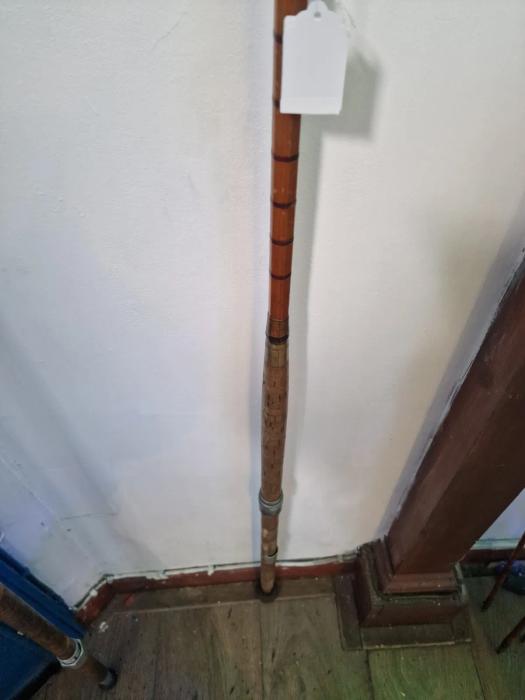
Hardy 15ft 3 piece Fly Fishing Rod (Split Cane)
£200.00
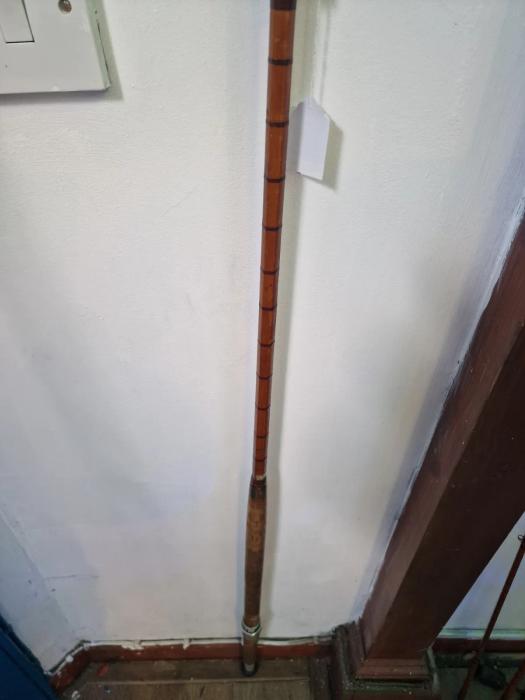
Hardy (Split Cane) 12ft 3 piece Fly Fishing Rod with spare tip
£400.00
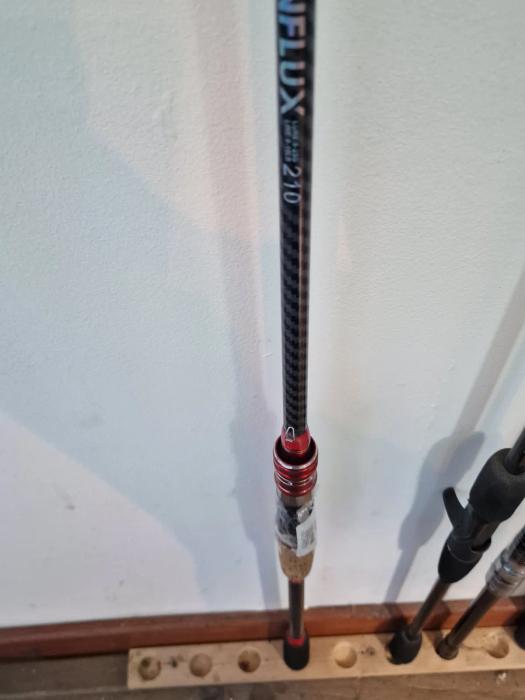
Sylvanflux 210 2 piece Spinning / lure Fishing Rod
£39.99
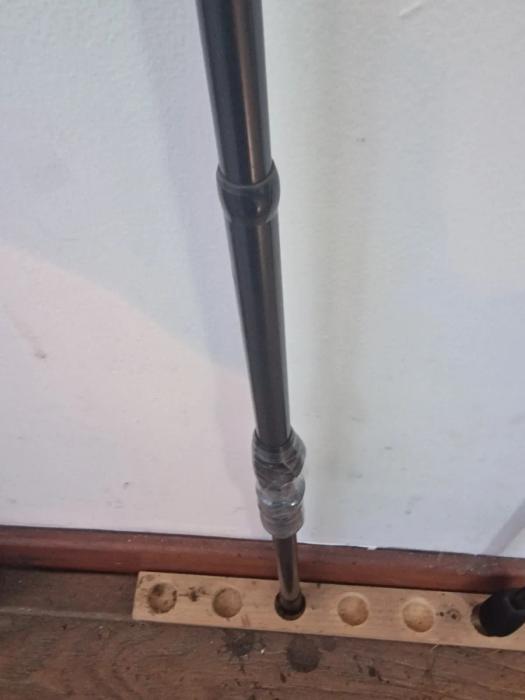
gotuda spin 210 2 piece Spinning / lure Fishing Rod
£31.99
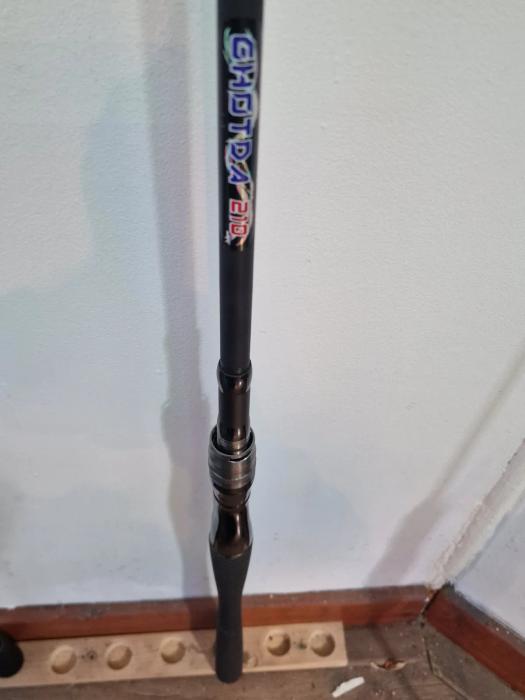
Gotoda 210 2 piece Spinning / lure Fishing Rod
£39.99
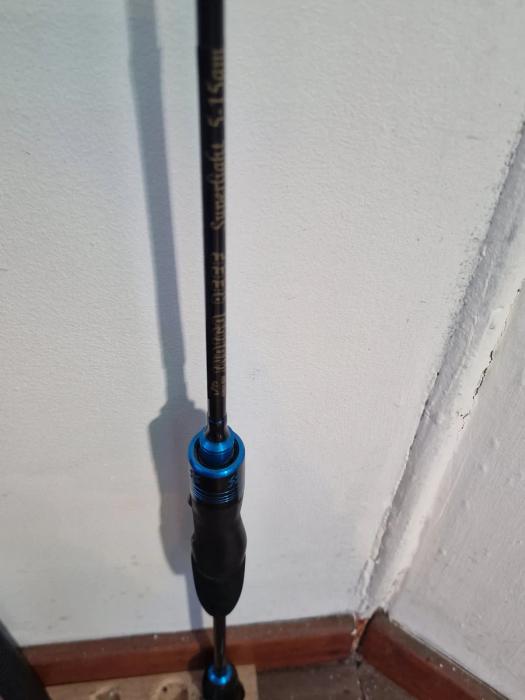
indigo reef 190 2 piece Spinning / lure Fishing Rod
£29.99
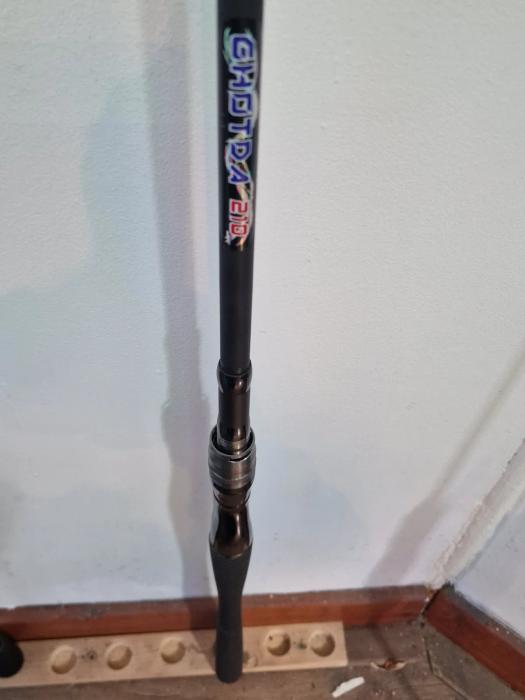
Gotuda 210 2 piece Spinning / lure Fishing Rod
£39.99
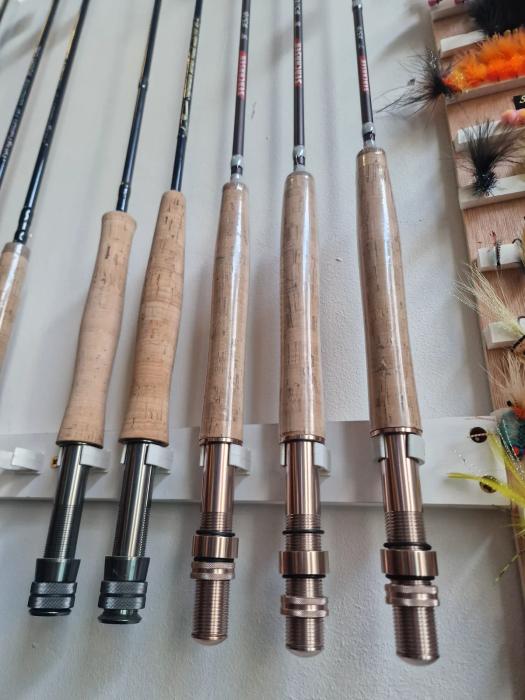
Seachaser Fly Fishing Rod
£59.99
Brook Trout fishing questions
Are Brook Trout native to the UK?
No, they are a non-native species introduced from North America in the late 19th century. They have established small, self-sustaining populations in specific cold-water habitats across the UK but are not widespread.
How do I tell a Brook Trout from a Brown Trout?
A Brook Trout has a dark back with a light, worm-like pattern (vermiculations) and white leading edges on its lower fins. A Brown Trout has dark spots on a lighter background and lacks the distinct white fin tips.
Do I need a special licence for Brook Trout?
No special licence is needed. You must have a standard Environment Agency rod licence in England and Wales or a permit from the local angling club or landowner in Scotland. Always check local byelaws for season dates.
What size rod is best for UK Brook Trout fishing?
A light fly rod, typically a 7-8ft model rated for a 2-4wt line, is perfect for the small streams they inhabit. For spinning, an ultralight rod of around 5-6ft with a small reel is ideal.
Where can I fish for Brook Trout in the UK?
Wild populations are localised in upland streams in regions like Cumbria, the Pennines, and parts of Scotland. For easier access and larger fish, seek out commercial 'put-and-take' stillwater fisheries that specifically stock them.


