

Powan Fishing UK
By Tackl · Updated 10 October 2026

Coregonus lavaretus
The powan is a rare, silver, herring-like member of the salmon family, now confined to a few deep, cold glacial lakes in Scotland, England, and Wales. It is a fully protected species in the UK, and it is illegal to intentionally fish for them. They are plankton feeders.
Photo: see Iduns kokbok, Public domain, via Wikimedia Commons
- Typical size
- 20-30cm (8-12 inches) and 200-500g (0.5-1lb)
- British record
- No official record
- Found in
- lake
- Peak season
- Not applicable (protected species)
How to identify a powan
Powan have a streamlined, herring-like body with bright silver flanks and a grey-green or blue-grey back. A key feature is the presence of an adipose fin – a small, fleshy fin between the dorsal fin and the tail – which confirms it as a member of the salmon family. The head is small, with a small, delicate mouth and a lower jaw that does not protrude. The scales are relatively large and easily dislodged. The tail is distinctly forked. It can be distinguished from dace by its adipose fin and from trout by its larger scales and more silvery, less-spotted appearance.
Where it lives
A glacial relict species, the powan is restricted to a handful of deep, cold, and highly oxygenated freshwater lakes in the UK. In Scotland, it is found in Loch Lomond and Loch Eck. In England’s Lake District, the same species is known as the schelly and inhabits lakes such as Ullswater, Haweswater, and Red Tarn. In Wales, it is called the gwyniad and is found only in Llyn Tegid (Bala Lake). They are a pelagic, shoaling fish, living in the open water, only moving to shallower gravel areas in winter (November to January) to spawn.
What it eats and the best baits
The powan's diet consists almost exclusively of zooplankton and small crustaceans, particularly the glacial relict shrimp *Mysis relicta*. They are pelagic feeders, straining these microscopic organisms from the open water column. They will also consume chironomid (midge) larvae and pupae, and other small aquatic invertebrates when available. Their small, weak mouth is perfectly adapted for this specialist feeding behaviour, and they do not typically predate on other fish or take larger food items from the lakebed.
How to catch powan
Targeting powan is illegal in the UK due to their protected status. There are no legitimate angling techniques for this species. Accidental captures are rare but can occur, typically by anglers fly fishing with small nymphs or lure fishing for perch or trout in the deep-water habitats where powan live. If you catch a powan by accident, it is a legal requirement to return it immediately. Handle the fish as little as possible, always with wet hands to protect its delicate scales and slime coat. Use forceps or a disgorger to remove the hook swiftly and release the fish back into the water with the utmost care. Do not use a keepnet or retain the fish for photography.
Legal notes
Powan are a strictly protected species, listed on Schedule 5 of the Wildlife and Countryside Act 1981. It is illegal to intentionally kill, injure, take, possess, or attempt to target them. Any powan caught accidentally by anglers targeting other species, such as perch or pike, must be returned to the water immediately and unharmed.
Rules change. Check current Environment Agency, NRW or Scottish regulations and the venue's own rules before fishing. Not professional or legal advice.
Where to catch powan in the UK
We don't have venues confirmed for powan yet. Browse all venues.
Tackle for powan
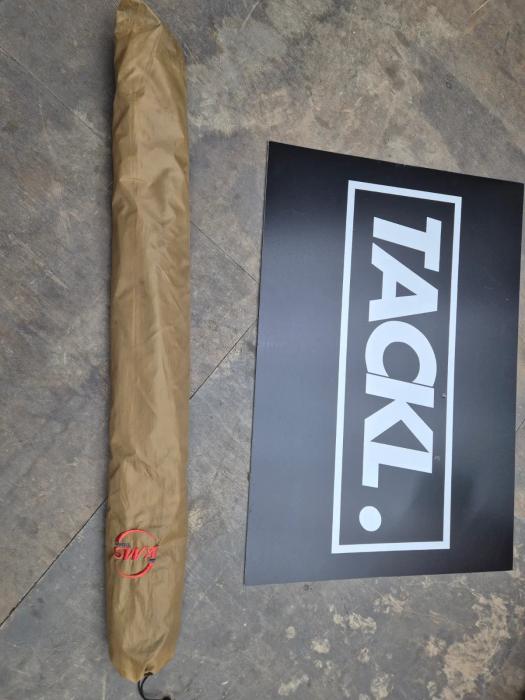
Kms retainer slimg
£15.00
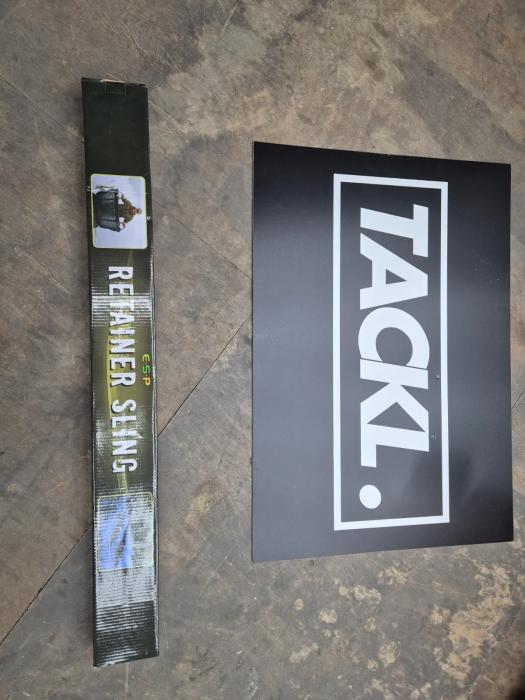
ESP Retainer Sling
£35.00
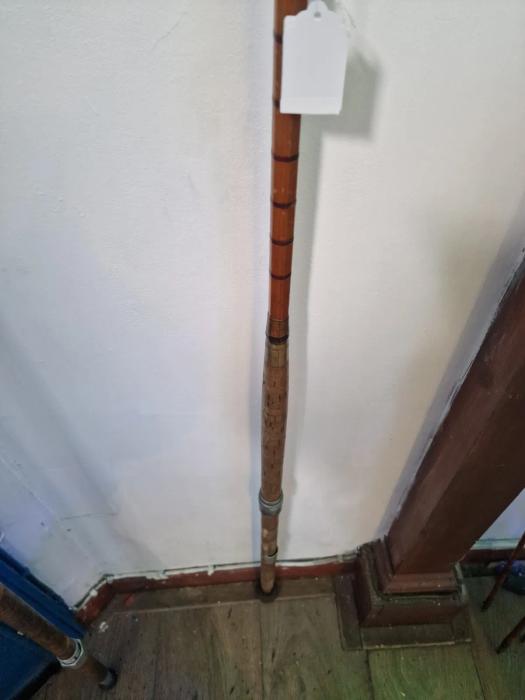
Hardy 15ft 3 piece Fly Fishing Rod (Split Cane)
£200.00
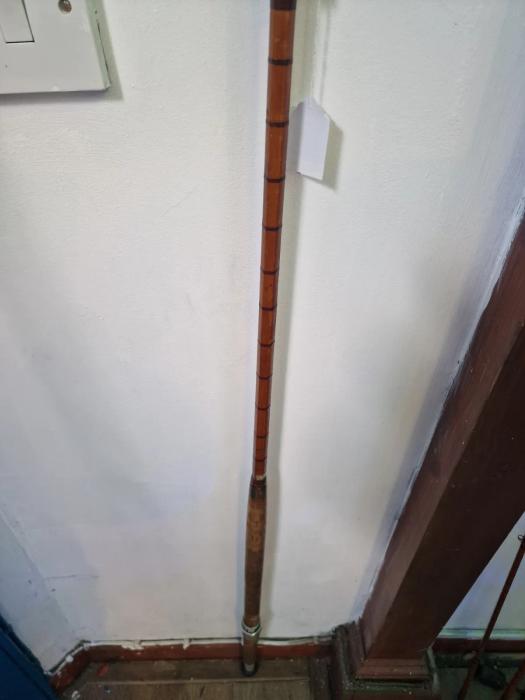
Hardy (Split Cane) 12ft 3 piece Fly Fishing Rod with spare tip
£400.00
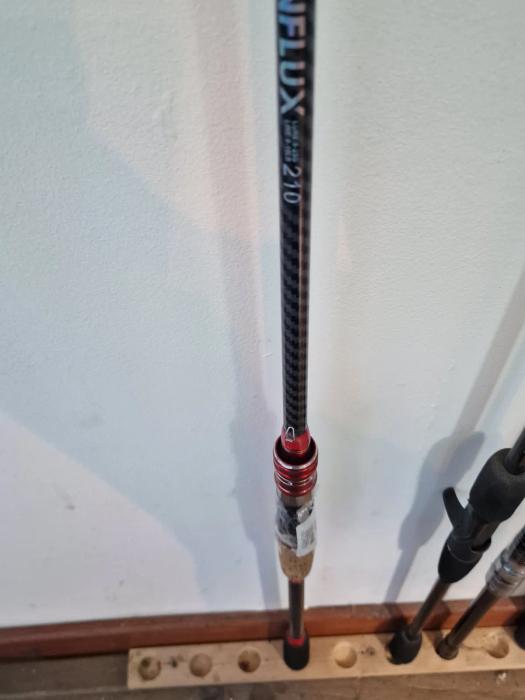
Sylvanflux 210 2 piece Spinning / lure Fishing Rod
£39.99
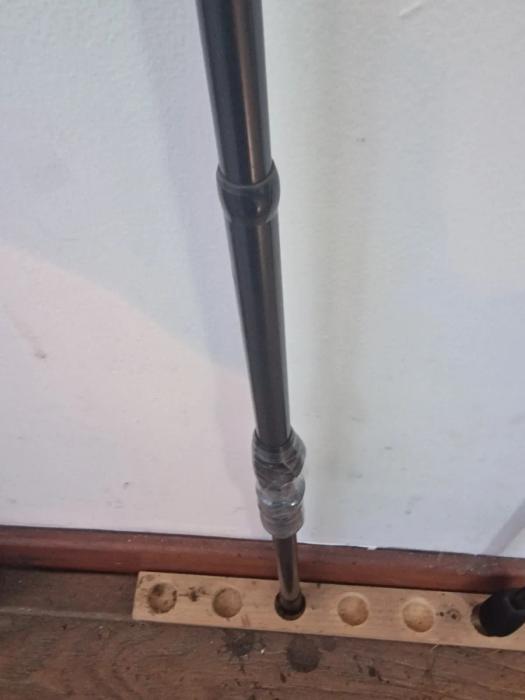
gotuda spin 210 2 piece Spinning / lure Fishing Rod
£31.99
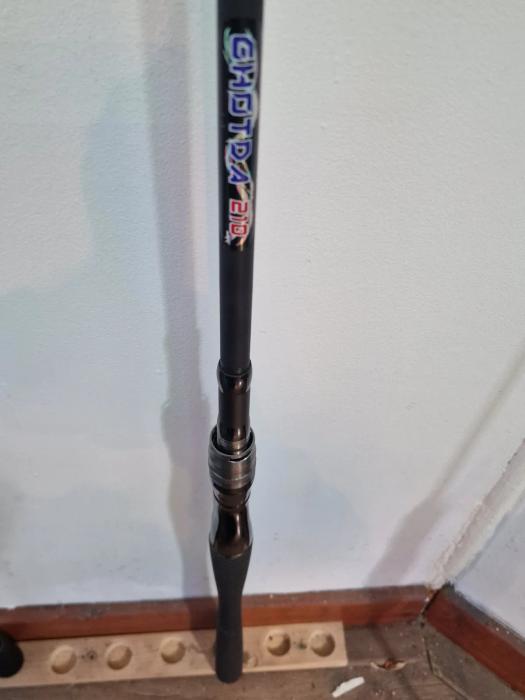
Gotoda 210 2 piece Spinning / lure Fishing Rod
£39.99
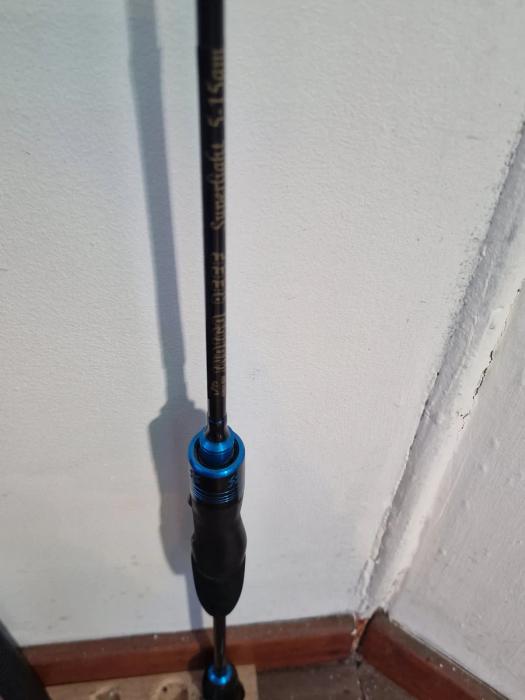
indigo reef 190 2 piece Spinning / lure Fishing Rod
£29.99
Powan fishing questions
Can I legally fish for Powan in the UK?
No. Powan are strictly protected under the Wildlife and Countryside Act 1981. It is a criminal offence to intentionally fish for them, or to kill, injure, or take one. They must be returned immediately if caught by accident.
What's the difference between a Powan, a Schelly, and a Gwyniad?
These are all local names for the same species, *Coregonus lavaretus*. 'Powan' is used in Scotland, 'Schelly' in England's Lake District, and 'Gwyniad' in Wales. They are genetically similar populations isolated since the last Ice Age.
What should I do if I accidentally catch a Powan?
You must return it to the water immediately with as little harm as possible. Handle it with wet hands, unhook it carefully, and do not place it in a keepnet or weigh it. Minimise its time out of the water.
Are Powan related to salmon and trout?
Yes, they are part of the salmon family (Salmonidae). This is confirmed by the presence of the small, fleshy adipose fin on their back between the dorsal fin and tail, a characteristic feature of salmonids like trout and grayling.
Why are Powan so rare in the UK?
They are a glacial relict species, trapped in a few deep, cold lakes after the ice sheets retreated. Their survival is threatened by pollution, rising water temperatures due to climate change, and pressure from non-native, invasive species.


