

Rudd Fishing UK
By Tackl · Updated 10 October 2026

Scardinius erythrophthalmus
A beautiful, brassy-flanked coarse fish with strikingly bright red fins. Often found near the surface in weedy stillwaters and slow rivers, Rudd are prized for their willingness to take surface baits and their spirited fight on light tackle, making them a favourite amongst traditional float anglers in the UK.
Photo: George Chernilevsky, Public domain, via Wikimedia Commons
- Typical size
- 4-12oz, with specimen fish exceeding 2lb
- British record
- 4lb 10oz (2.10kg) - 2001
- Found in
- river, lake, canal, pond, reservoir, drain, gravel pit
- Peak season
- Summer
How to identify a rudd
Distinguishing Rudd from Roach is key. Rudd have a prominent, upturned (superior) mouth for surface feeding, unlike the Roach's terminal mouth. The Rudd's body is a deeper, more golden-brassy colour, and its fins are typically a vibrant blood-red, whereas a Roach is more silvery with orange-red fins. The most reliable feature is the dorsal fin's position: a vertical line from the front of a Rudd's dorsal fin will fall behind the pelvic fin base. On a Roach, this line intersects with or is in front of the pelvic fin base. Rudd also have a sharp keel between the pelvic and anal fins, which is absent on a Roach. Hybrids are common and display intermediate features.
Where it lives
Rudd thrive in clear, richly vegetated, and slow-flowing or still waters. They are widespread across England, Wales, and Ireland but are less common in Scotland. Ideal habitats include weedy gravel pits, mature lakes, ponds, canals, and the sluggish lower reaches of rivers. They are shoaling fish, often found in the middle and upper layers of the water column, particularly around features offering cover and a source of food. Look for them near lily pads, reed beds, and beneath overhanging trees and bushes. In colder months, they seek refuge in deeper, more sheltered water, becoming less active and harder to locate near the surface.
What it eats and the best baits
Rudd are omnivorous with a strong preference for surface food. Their upturned mouth is perfectly adapted for taking terrestrial insects like beetles and flies that fall onto the water, as well as emerging aquatic insects such as midges and sedges. They also consume zooplankton, small crustaceans, insect larvae, and snails. Plant matter, including filamentous algae and duckweed, can form a significant part of their diet, particularly for smaller fish. Larger, specimen Rudd may become more predatory, taking small fry.
- Bread flake
- Bread crust
- Maggots
- Casters
- Sweetcorn
- Small worms
- Dry flies
Best time of year
- Jan – quieter
- Feb – quieter
- Mar – quieter
- Apr – quieter
- May – good
- Jun – good
- Jul – good
- Aug – good
- Sep – good
- Oct – good
- Nov – quieter
- Dec – quieter
In England and Wales, the coarse fish close season applies to all rivers, streams, and specified drains from 15th March to 15th June inclusive. Most stillwaters and canals remain open year-round for coarse fishing, but always check local club or fishery rules as some may have their own closed periods.
How to catch rudd
Float fishing is the quintessential method for Rudd. A lightweight waggler or pole float setup, fished shallow 'on the drop' with a slow-sinking bait like a single maggot or bread punch, is highly effective. As natural surface feeders, they offer fantastic sport on surface-fished baits like bread crust or a floating caster. On warm, calm evenings, fly fishing with a small dry fly or emerger pattern can be devastatingly effective and visually exciting. Use light monofilament lines (2-4lb breaking strain) and small hooks (size 16-20) for best presentation. A light, cloudy groundbait can help attract and hold a shoal in the upper layers of the water without overfeeding them. Loose feeding little and often is the key to keeping the fish competing in your swim without spooking them.
Legal notes
A valid Environment Agency rod licence is mandatory for all anglers aged 13 or over fishing in England and Wales. Scotland has no national licence, but permits are required for specific waters. National and local byelaws, including those on bait restrictions and fish movement, must be adhered to. Always check current regulations.
Rules change. Check current Environment Agency, NRW or Scottish regulations and the venue's own rules before fishing. Not professional or legal advice.
Where to catch rudd in the UK
Counties with rudd recorded on Tackl: Essex (19), Lincolnshire (12), Somerset (5), Norfolk (5), West Sussex (4), Suffolk (4), Kent (3), Staffordshire (3), Cambridgeshire (3), Nottinghamshire (3), Devon (3), Bedfordshire (2), Hampshire (2), Leicestershire (2), Oxfordshire (2), East Sussex (1), Worcestershire (1), Hertfordshire (1), Derbyshire (1), Surrey (1), Warwickshire (1), Gloucestershire (1), Greater Manchester (1), Berkshire (1), Cheshire (1), Cornwall (1), Greater London (1), Herefordshire (1), Lancashire (1), South Yorkshire (1).
87 venues in 30 counties
Bedfordshire(2)
- Ampthill ReservoirReported
- Beckerings Park Farm ReservoirReported
Berkshire(1)
- Finch Farm FisheryReported
Cambridgeshire(3)
- Float FishfarmReported
- Royston (Nash Lakes)Reported
- Sibson FisheriesReported
Cheshire(1)
- Gorsty Hall FisheriesReported
Cornwall(1)
- Mellonwatts Mill FisheryReported
Derbyshire(1)
- Beehive FarmReported
Devon(3)
- Home Farm Fishery (Devon)Reported
- Lower SladeReported
- Tinney WatersReported
East Sussex(1)
- Alexandra ParkReported
Essex(19)
- Picks Cottage Fishing Lakes and Tackle ShopReported
- Asheldham FisheryReported
- Bicknacre - Jackletts FarmReported
- Brook Farm FisheryReported
- Brookhall LakeReported
- Foxearth FisheriesReported
- Great Pond Little Easton Manor FisheryReported
- Highwoods Country ParkReported
- Home Farm PACReported
- Lakeland FisheryReported
- Oak Lake Oak Lakes FisheryReported
- Ramsey Brook (Wix) 1Reported
- Rayleigh & District Angling ClubReported
- St. Osyth (Triangle)Reported
- Straits MillReported
- The Warren FisheryReported
- Thoby WoodReported
- Thornwood Springs Trout FisheryReported
- Wicks MereReported
Gloucestershire(1)
- Elton Carp LakesReported
Greater London(1)
- Par FisheryReported
Greater Manchester(1)
- Fall Birch Lodge FisheryReported
Hampshire(2)
- Brockhurst MoatReported
- Gold Lake Gold Valley LakesReported
Herefordshire(1)
- Redmire PoolReported
Hertfordshire(1)
- Batchworth LakeReported
Kent(3)
- Chequertree FisheryReported
- Hartley Lands FisheryReported
- Manor FisheriesReported
Lancashire(1)
- Stanley Villa Farm FisheryReported
Leicestershire(2)
- Frisby Water Park (Pits)Reported
- Mallory Park FisheriesReported
Lincolnshire(12)
- ADH FisheriesReported
- Alvingham LakesReported
- Butterswood LodgeReported
- Froghall Fisheries & LodgesReported
- Grooby's PitReported
- North View LakesReported
- Rossways Lakes & LodgesReported
- Stubton PondsReported
- Swanlake Leisure ParkReported
- Sycamore Lakes ParkReported
- Tetford Country CottagesReported
- Windmill PondReported
Norfolk(5)
- Cobbleacre Park LakesReported
- Felthorpe LakesReported
- Fendicks FisheryReported
- Rocklands Mere FisheryReported
- Shallowbrook LakesReported
Nottinghamshire(3)
- Grace Sapphire LakesReported
- Janson FisheryReported
- Woodsetts Quarry PondReported
Oxfordshire(2)
- Horseshoe Lake - Carp SocietyReported
- Upper Farm FisheryReported
Somerset(5)
- Century PondsReported
- Chew Valley LakeReported
- Higher Farm FisheryReported
- Maunsel PondsReported
- South DrainReported
South Yorkshire(1)
- Willow Garth FisheryReported
Staffordshire(3)
- Coppice Lane FisheryReported
- Cudmore FisheriesReported
- Hamstall FisheryReported
Suffolk(4)
- Colston Hall FisheryReported
- Decoy Pond PACReported
- Kirton Hall LakeReported
- Reydon No.1 PitReported
Warwickshire(1)
- Butlers Hill FarmReported
West Sussex(4)
- Alderwood PondsReported
- Ardingly ReservoirReported
- Petworth ParkReported
- SilverdaleReported
Worcestershire(1)
- Alvechurch FisheriesReported
Tackle for rudd
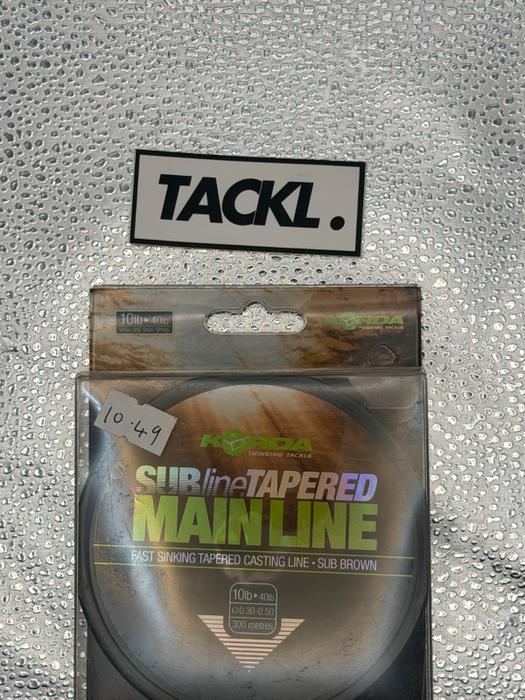
Korda Subline Tapered mainline
£8.00
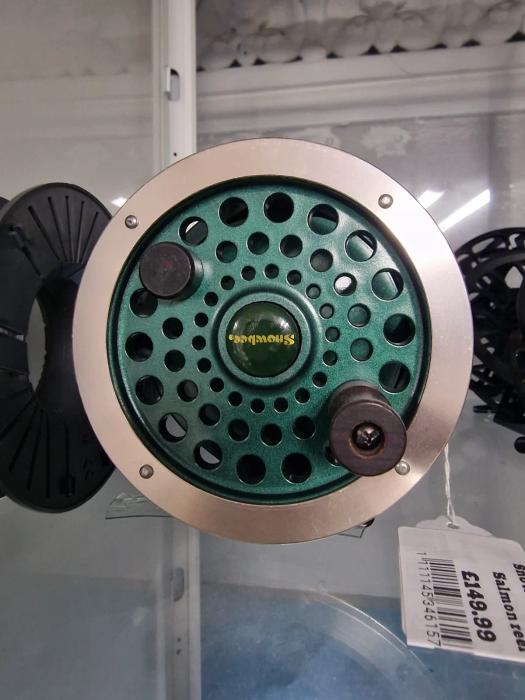
Snowbee Fly Fishing Reel
£149.99
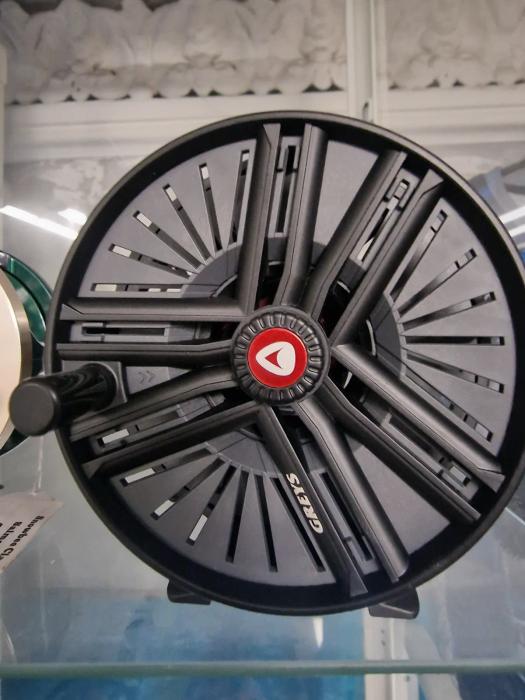
Fishing Reel Greys fin Cassette salmon
£59.99
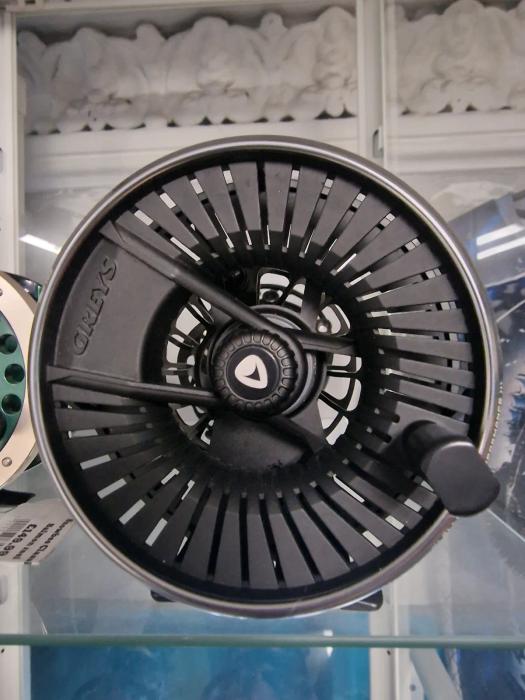
Greys Fly Reel Fishing Reel
£59.99
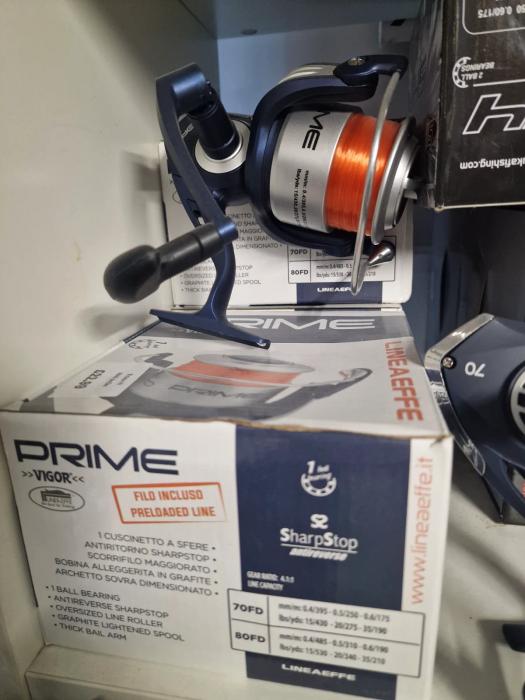
Lineaeffe Spinning 7000 Fishing Reel
£19.99
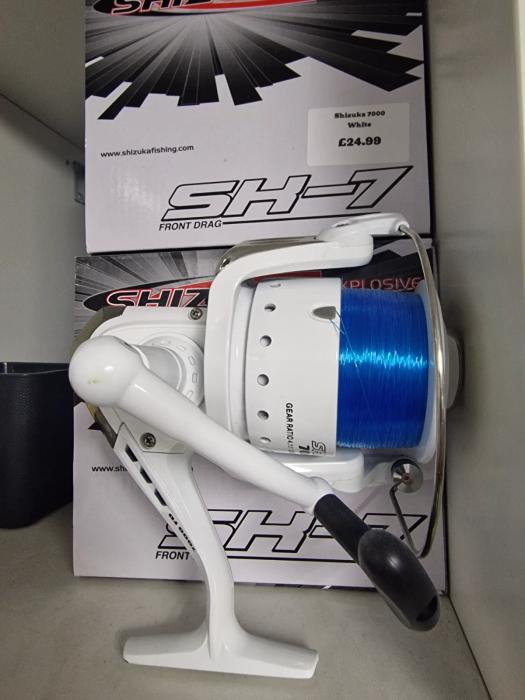
Shizuka Big Pit 7000 Fishing Reel
£23.99
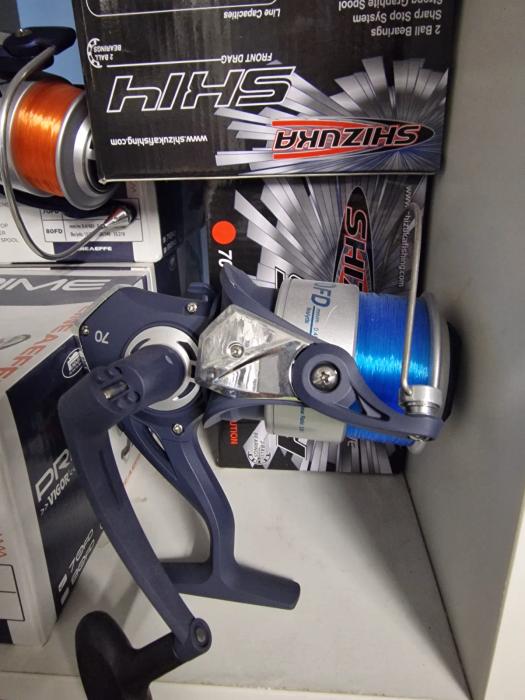
Shizuka Spinning 7000 Fishing Reel
£21.99
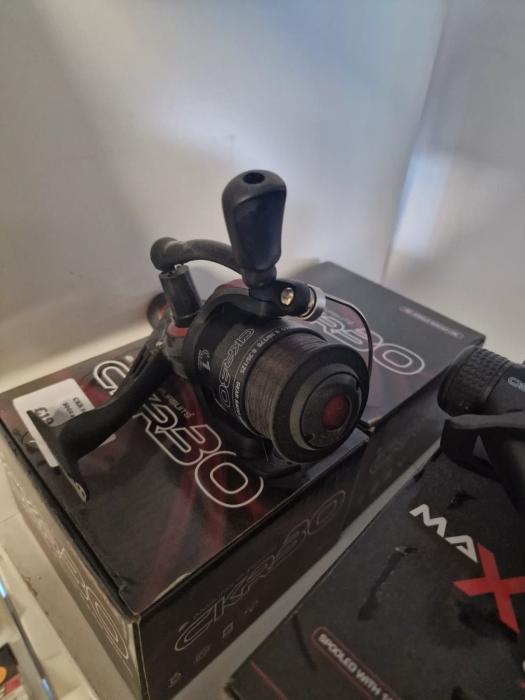
Angling Pursuits Rear Drag 3000 Fishing Reel
£19.99
Rudd guides
- Coarse Fishing Close Season: When and Where You Can Fish in England & Wales
- Fish Catch and Size Limits in England & Wales: What You Can Keep
- Fishing Conditions Explained: How Weather Affects Fish
- Fishing Tackle Rules in England & Wales: Rods, Bait, Lead and Nets
- How to Tie a Knotless Knot: A Step-by-Step Carp Fishing Guide
- Rod Fishing Licence UK: Prices, Types, Rod Limits and How to Buy (2026)
Rudd fishing questions
What's the easiest way to tell a Rudd from a Roach?
Check the mouth and dorsal fin. A Rudd has a distinctly upturned mouth for surface feeding, and its dorsal fin is set much further back on its body than a Roach's. A line dropped from the front of the dorsal fin will fall behind the pelvic fin.
Why do Rudd and Roach hybridise so often?
They inhabit similar weedy environments and have overlapping spawning seasons in late spring. When they congregate to spawn in the same areas at the same time, cross-fertilisation occurs, resulting in fertile hybrids that exhibit a mixture of characteristics from both parent species.
What is the best time of day to catch Rudd?
Early morning and late evening on warm, calm days are prime times, as this is when insects are most active and Rudd feed confidently at the surface. They can, however, be caught throughout daylight hours during the summer months, especially in overcast conditions.
Do Rudd feed on the bottom?
While primarily a mid-water and surface feeder, Rudd will take baits from the bottom, especially larger specimens or during colder weather when surface activity ceases. However, targeting them on the bottom is generally a less effective method than fishing shallow or on the surface.
Can you catch Rudd on lures?
Yes, although it is not a common tactic. Very small spinners, micro spoons, or tiny soft plastic grubs retrieved slowly through the upper layers can tempt larger, more predatory Rudd, but bait fishing is typically more productive for catching them consistently.


