
Tackl Academy · Rigs
Method Feeder Fishing for Carp
Method feeders carry dampened groundbait or pellets close to a short hooklink. They are widely used for commercial fisheries and smaller carp, with safe setup and appropriate tackle essential.
By Tackl · Reviewed by TACKL. · Updated 10 October 2026
Step by step
1. Thread the feeder
Use an in-line method feeder on the main line.
2. Attach hooklength
Clip the hooklength into the feeder's quick-change bead.
3. Load
Load with mould and hookbait buried.
4. Cast and clip
Cast, clip up and recast every few minutes until bites come.
Understand the presentation
A compact feeder carries feed around the hookbait, helping the bait sit close to a small feeding area. Use a purpose-designed feeder and a hooklink length consistent with the method and fishery rules.
Prepare the feed
Gradually wet pellets or groundbait according to the product and allow moisture to distribute evenly. The loaded feeder should cast securely and then release bait as intended in water.
Assemble with compatible parts
Use the correct feeder insert, swivel or quick-change connector, and a hooklink that suits the fishery’s permitted approach. Check that the system is safe if the line breaks and that it does not create dangerous fixed-lead behaviour.
Recognise bites and re-cast
Use a suitable feeder rod and indication technique, striking or lifting into bites as appropriate. If bites stop, check feed breakdown, casting accuracy and whether carp remain in the area.
Questions
Can I fish a wafter on a method feeder?
Often yes, after checking hook and bait balance.
Should I pack the feed very hard?
Not automatically; it needs to release in the water rather than remain trapped.
Related
Shop this on Tackl
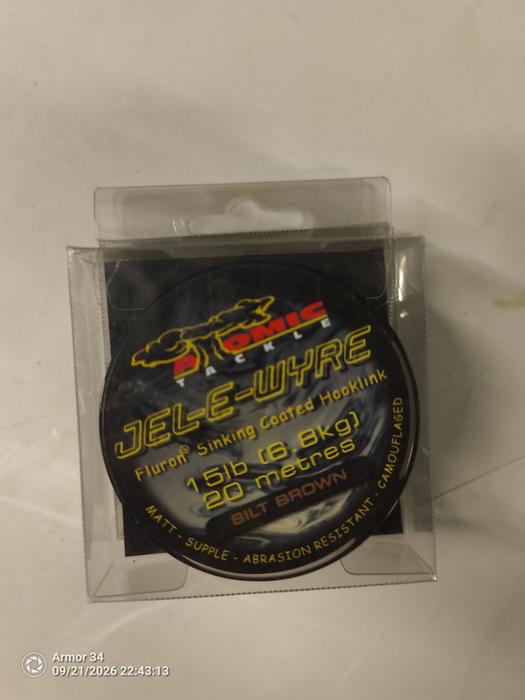
Atomic Tackle Hooklink Braided Sinking Coated Hooklink
£5.49New
Sold by Tackl
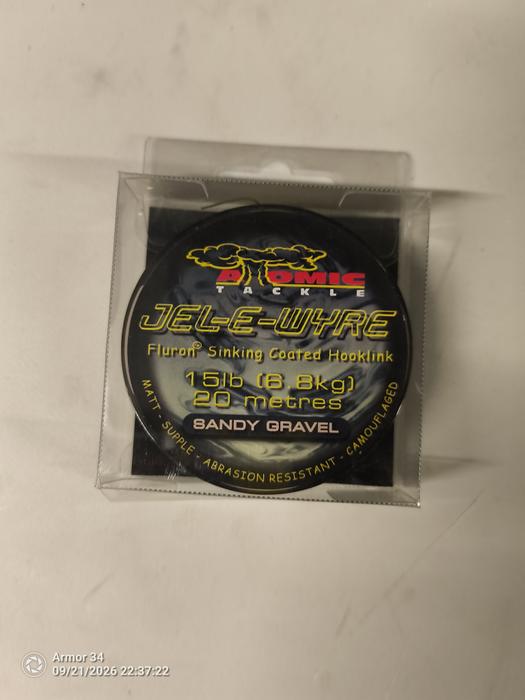
Atomic Tackle hooklink coated hooklink
£5.49New
Sold by Tackl
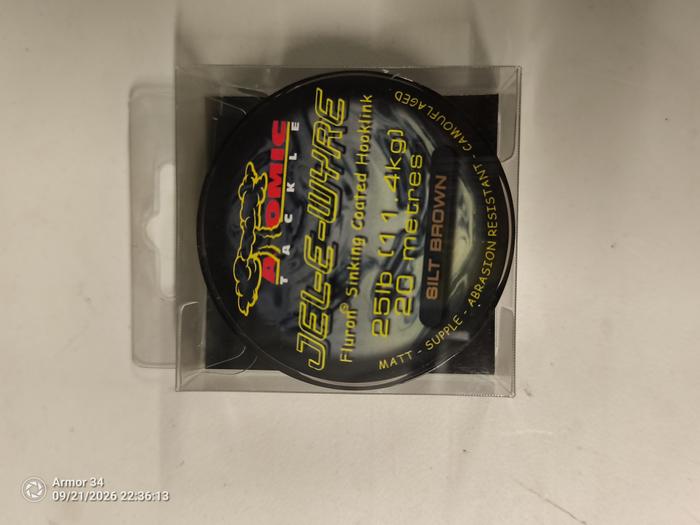
Atomic Tackle Hooklink Fluron Sinking Coated Hooklink
£5.49New
Sold by Tackl
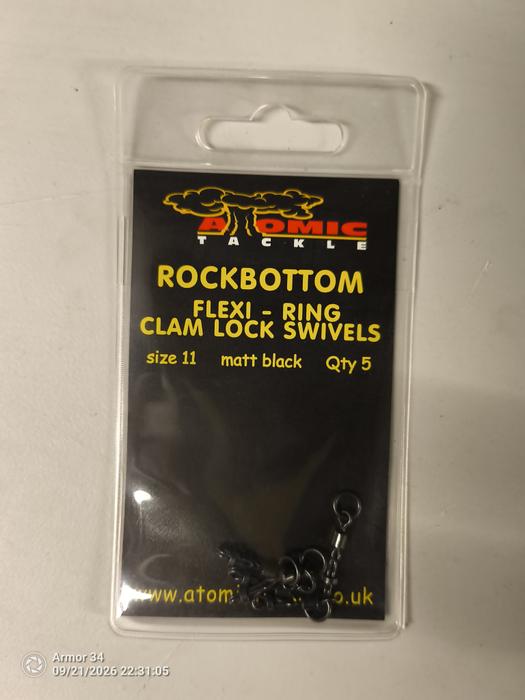
Atomic Tackle
£2.58New
Sold by Tackl
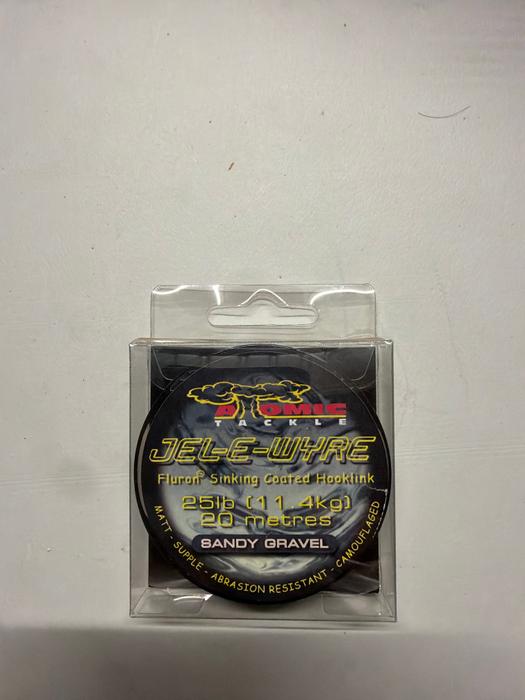
Atomic Tackle Line Fluorocarbon 25lbs 25lb (11.4kg) 20 metres
£5.49New
Sold by Tackl
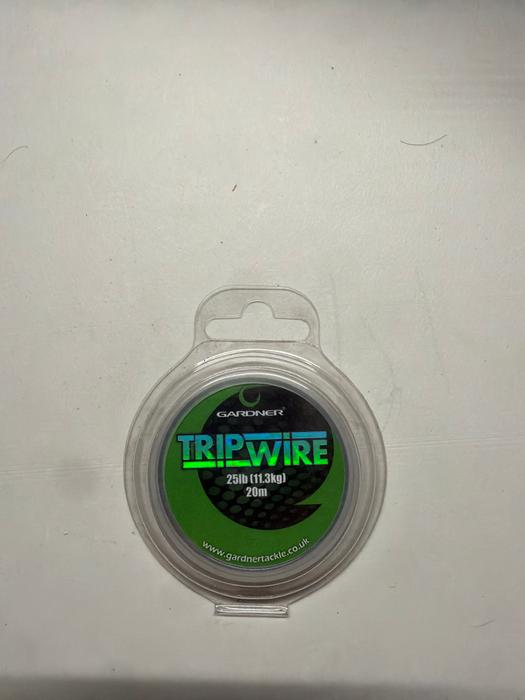
Gardner trip wire Line fishing line 25lbs
£3.00New
Sold by Tackl
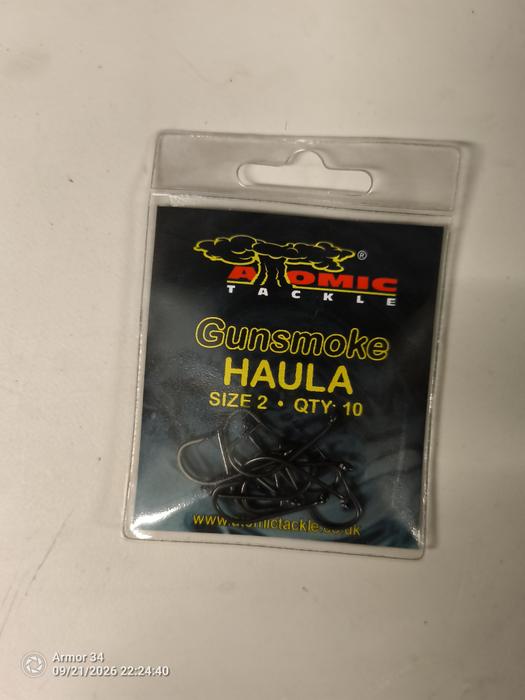
Atomic Tackle haula 2
£2.37New
Sold by Tackl
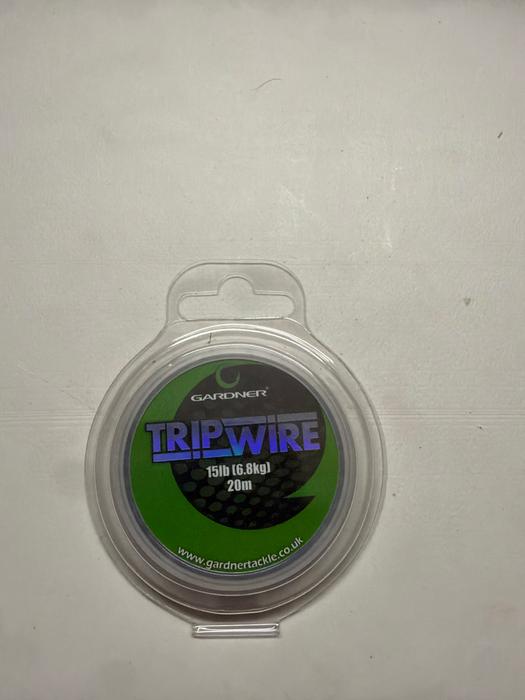
Gardner Trip Wire 15lb 20m
£4.24New
Sold by Tackl
General guidance, not professional advice. Always follow the venue's rules and current Environment Agency, NRW or Scottish regulations.