

F1 Carp Fishing UK
By Tackl · Updated 10 October 2026

Cyprinus carpio x Carassius
The F1 is a purpose-bred hybrid of a Common Carp and a Crucian Carp, hugely popular on UK commercial fisheries. Known for its hard-fighting nature and willingness to feed year-round, it is a staple for match and pleasure anglers, rarely exceeding 8 lbs but providing excellent sport on lighter tackle.
- Typical size
- 1-4 lbs, occasionally reaching 6-8 lbs
- British record
- No official record. The British Record Fish Committee does not recognise hybrids.
- Found in
- lake, pond, gravel pit, reservoir
- Peak season
- Spring to Autumn
How to identify a f1 carp
The F1 is a hybrid showing intermediate features between a Common Carp and a Crucian Carp. It has a more streamlined body than a true Crucian but is more compact and less elongated than a Common Carp. The key identifier is a single, small pair of barbels at the corners of the mouth, though these can be tiny or even absent. True Crucians have no barbels. The mouth is often sub-terminal (underslung) and the scaling is regular, unlike the often-irregular scales of a Mirror Carp. Colouration is typically a uniform brassy bronze, lacking the golden hue of a true Crucian or the darker tones of some wild Common Carp.
Where it lives
F1s are not a wild, self-sustaining species in the UK; they are bred for angling purposes. Their habitat is almost exclusively man-made commercial coarse fisheries, purpose-built lakes, and ponds where they are heavily stocked to provide consistent sport. These venues are often feature-rich, with islands, uniform depths, and marginal vegetation. F1s are highly adaptable and tolerant of the high stocking densities found in these managed environments. They are very rarely encountered in rivers or canals, unless they have escaped from an adjacent stillwater during flooding. They thrive in the competitive, nutrient-rich environment of a commercial fishery, where angler's bait forms their primary food source.
What it eats and the best baits
The diet of an F1 in a commercial fishery setting is heavily influenced by anglers' baits. They are voracious feeders, conditioned to consume vast quantities of micro-pellets, groundbait, sweetcorn, and maggots. Their natural diet, where available, consists of insect larvae such as bloodworm and chironomids, small crustaceans, zooplankton, and aquatic vegetation. This omnivorous nature and competitive feeding response is what makes them so catchable and a perfect species for high-density fisheries.
- Pellets
- Maggots
- Casters
- Sweetcorn
- Paste
- Bread
- Luncheon Meat
- Wafters
Best time of year
- Jan – quieter
- Feb – quieter
- Mar – good
- Apr – good
- May – good
- Jun – good
- Jul – good
- Aug – good
- Sep – good
- Oct – good
- Nov – good
- Dec – quieter
As F1s are almost exclusively found in enclosed stillwaters and commercial fisheries, they are generally not subject to the statutory coarse fish close season (15 March - 15 June), which applies to rivers, streams, and some canals and lakes in England and Wales. Most F1 fisheries remain open year-round.
How to catch f1 carp
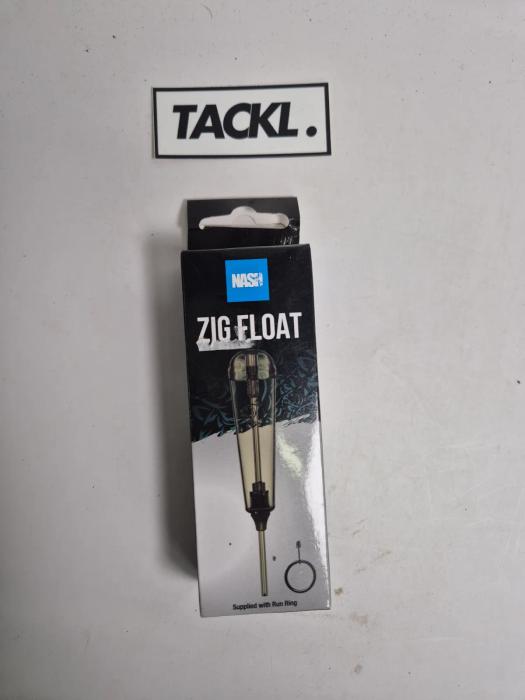
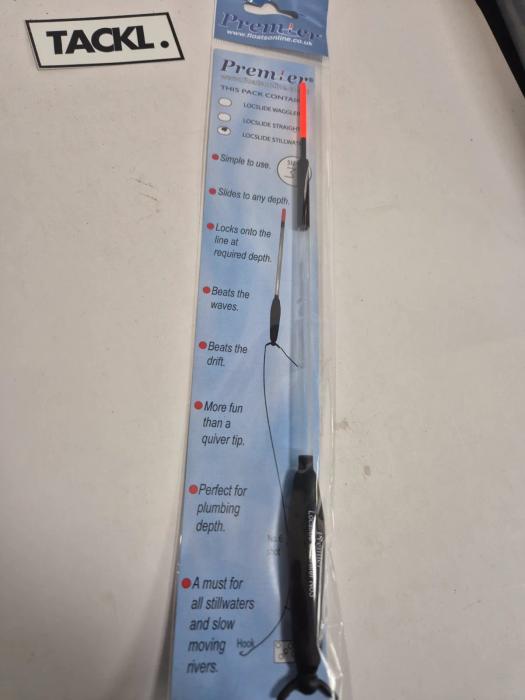
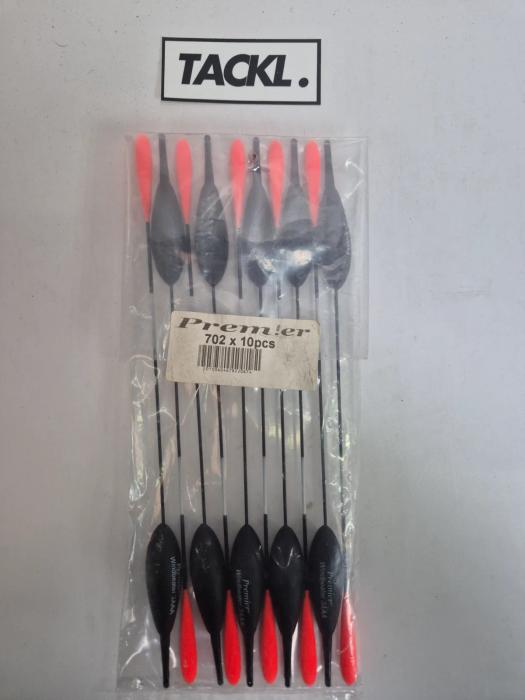
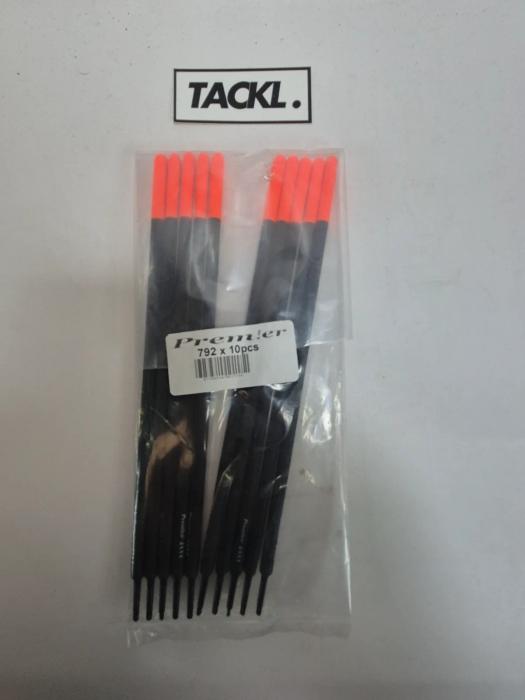
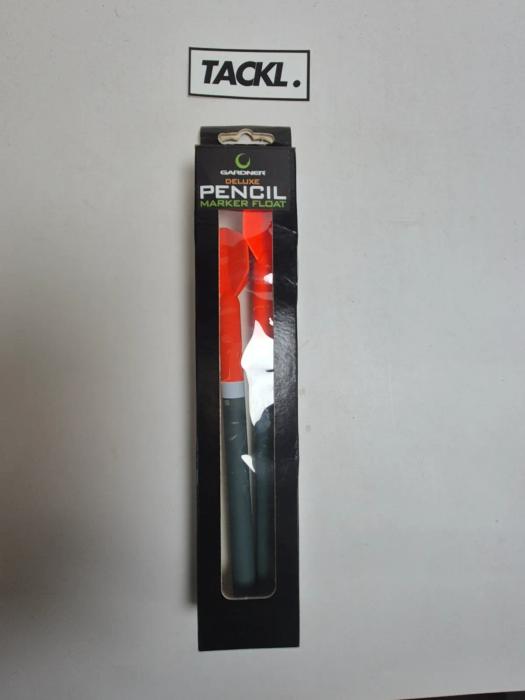
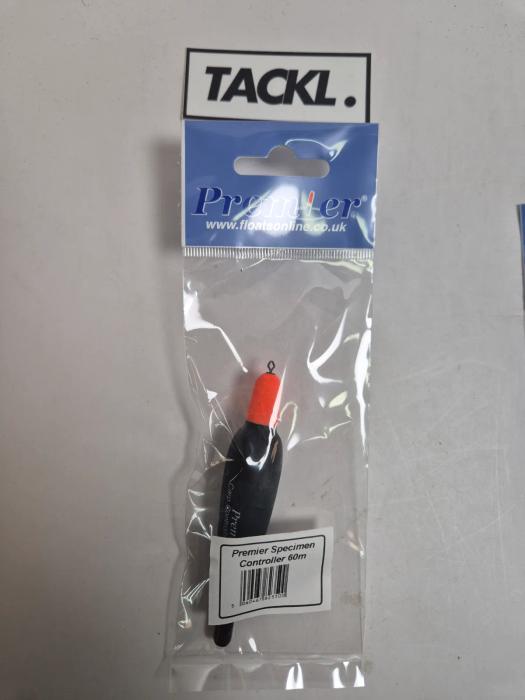
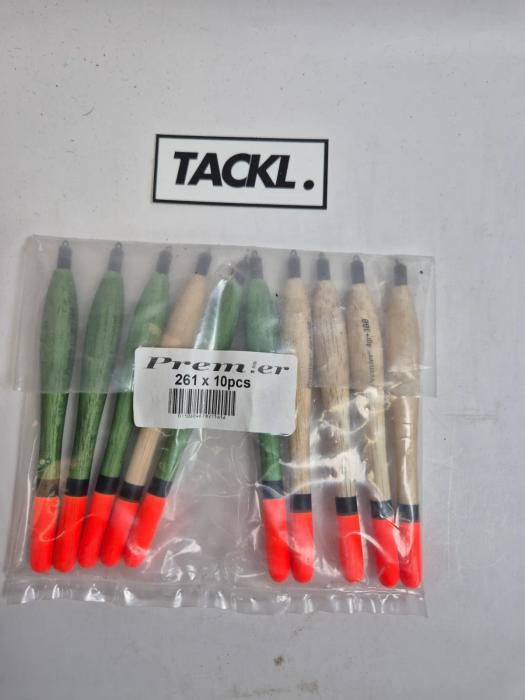
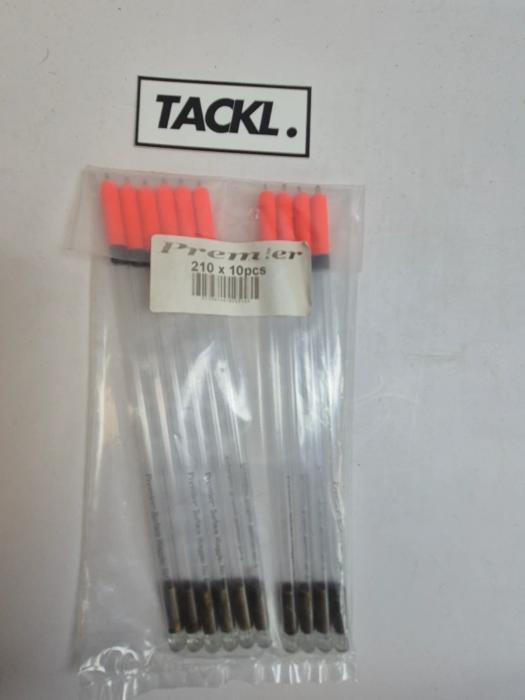
The pole is the predominant method for catching F1s. Using light, balanced tackle with sensitive floats allows for delicate presentation, crucial for fooling these sometimes-wary feeders. 'Fishing shallow' with pole rigs and pellet or maggot hookbaits during warmer months is a key tactic, as is fishing on the bottom with paste or corn. Constant, accurate feeding with micro-pellets via a pole cup or catapult is vital. The Method feeder is another highly effective approach. A small, flatbed feeder is loaded with softened pellets or groundbait, with a very short hooklink presenting a small wafter, pellet or mini-boilie. Waggler fishing, either on the bottom or shallow with a pellet waggler, also accounts for many captures, especially on windy days or at longer ranges. Light lines (3-5 lb) and small, strong hooks (size 16-20) are standard.
Legal notes
A valid Environment Agency rod licence is a legal requirement to fish for any freshwater species in England and Wales. Anglers must also obtain permission from the fishery owner before starting to fish. Always adhere to fishery-specific rules, which often include regulations on keepnet use, hook types, and permitted baits.
Rules change. Check current Environment Agency, NRW or Scottish regulations and the venue's own rules before fishing. Not professional or legal advice.
Where to catch f1 carp in the UK
Counties with f1 carp recorded on Tackl: Staffordshire (2), Warwickshire (2), Somerset (2), Greater Manchester (1), Cambridgeshire (1), Essex (1), Lincolnshire (1).
10 venues in 7 counties
Cambridgeshire(1)
- Float FishfarmReported
Essex(1)
- Lakeland FisheryReported
Greater Manchester(1)
- Fall Birch Lodge FisheryReported
Lincolnshire(1)
- Lindholme Lakes Country ParkReported
Somerset(2)
- The SedgesReported
- Viaduct FisheryReported
Staffordshire(2)
- Cudmore FisheriesReported
- Heronbrook FisheriesReported
Warwickshire(2)
- Home Farm LakeReported
- Packington Somers FisheryReported
Tackle for f1 carp
F1 Carp guides
F1 Carp fishing questions
Why are they called 'F1' carp?
The name 'F1' comes from the biological term 'First Filial Generation'. It denotes the direct first-generation offspring of a cross between two different parent species, in this case, a Common Carp (Cyprinus carpio) and a Crucian Carp (Carassius carassius).
Do F1 carp have barbels?
Typically, yes. Most F1s inherit a single, small pair of barbels from their Common Carp parent. However, these can be very small and difficult to see, or even absent on some individuals, which can cause confusion with the barbel-less Crucian Carp.
How big do F1 carp get in the UK?
F1s are bred for fast growth to a manageable 'match' size, not for specimen weights. The average size is 1-4 lbs. An exceptional fish might reach 6-8 lbs, but they do not attain the large sizes of pure-strain Common or Mirror Carp.
Do F1 carp fight hard?
For their size, F1s are renowned for their spirited and dogged fighting ability. They provide a much more vigorous scrap than a Crucian Carp, making them excellent sport on balanced match and pleasure gear. Their year-round willingness to feed and fight makes them a fishery favourite.
Can F1s breed?
As a hybrid species, F1s are largely sterile and cannot reproduce successfully in significant numbers. This is a key reason fishery managers stock them, as it allows for precise control over the biomass and population structure within the fishery without the risk of a population explosion.


