

Goldfish Fishing UK
By Tackl · Updated 10 October 2026

Carassius auratus
Originally an ornamental pond fish, the goldfish is now a common resident in many UK commercial and enclosed stillwaters. A member of the carp family, it is prized by pleasure and match anglers for its hard-fighting nature, willingness to feed, and striking colouration, offering reliable sport throughout the warmer months.
Photo: לינה אבוגוש, CC BY-SA 3.0, via Wikimedia Commons
- Typical size
- 4oz to 1lb; specimen fish can exceed 2lb.
- British record
- No official record for brightly coloured varieties. The British record for a 'Brown Goldfish' (the species' wild type) is 5lb 11oz 8dr (2021).
- Found in
- lake, canal, pond, gravel pit
- Peak season
- Summer and early autumn
How to identify a goldfish
Often mistaken for crucian carp or 'F1' hybrids. Goldfish typically have bright orange, yellow, white, or calico colouration, though the 'brown goldfish' wild-type resembles a crucian. The most reliable identifier is the dorsal fin: a goldfish's dorsal is concave (curved inwards) or straight along the top edge, whereas a true crucian's is distinctly convex (arched outwards). They have no barbels, unlike common and mirror carp. The body shape is variable, from deep and rounded in ornamental varieties to more streamlined in wild-type fish. The lateral line scale count is typically 27-31. Distinguishing them from hybrids can be exceptionally difficult without genetic analysis.
Where it lives
Goldfish are predominantly found in enclosed stillwaters such as commercial fisheries, park lakes, village ponds, and canals, usually as a result of deliberate stocking or introductions from private ponds. They are exceptionally hardy and tolerant of poor water quality, low oxygen levels, and high temperatures, allowing them to thrive in small, shallow venues. They favour weedy, silty areas that provide cover from predators and a rich source of natural food. They are rarely encountered in rivers, and their presence there is almost always due to escape from an adjacent stillwater during floods or illegal release.
What it eats and the best baits
Goldfish are omnivores, foraging primarily on the bottom for natural food. Their diet consists of insect larvae, such as bloodworm and midge larvae, small crustaceans, zooplankton, and detritus sifted from the silt. They also consume a significant amount of plant matter and algae. In managed fisheries, they adapt quickly to angler's baits, readily consuming pellets, groundbait, sweetcorn, and maggots, often competing aggressively for food with species like F1s and small carp, making them susceptible to a variety of presentations.
- Maggot
- Caster
- Sweetcorn
- Bread punch
- Pellet (2mm-4mm)
- Chopped worm
- Paste
Best time of year
- Jan – quieter
- Feb – quieter
- Mar – quieter
- Apr – good
- May – good
- Jun – good
- Jul – good
- Aug – good
- Sep – good
- Oct – good
- Nov – quieter
- Dec – quieter
The traditional coarse fishing close season (15 March - 15 June inclusive) applies to all rivers, streams and some specified SSSI stillwaters and canals in England and Wales. Most lakes, reservoirs and ponds are open all year, but always check local rules.
How to catch goldfish
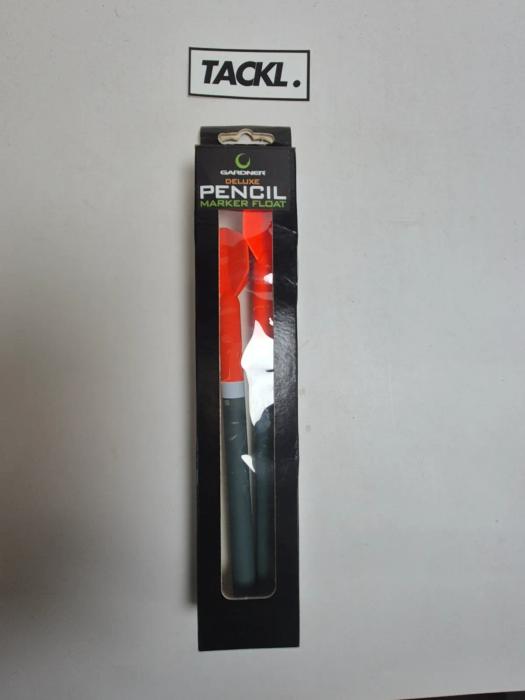
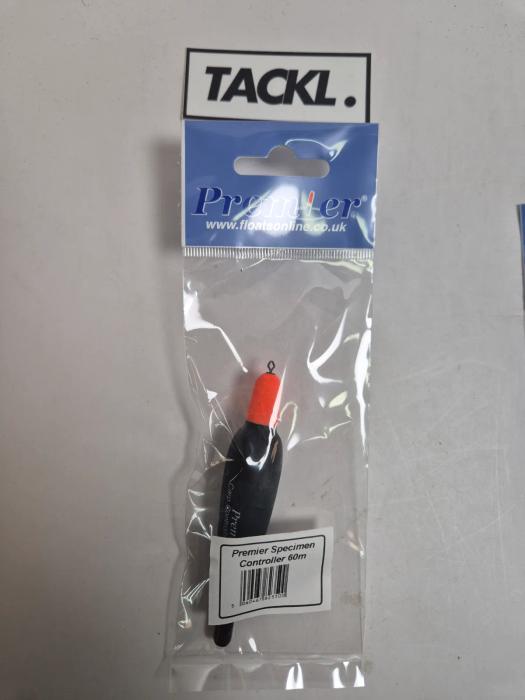
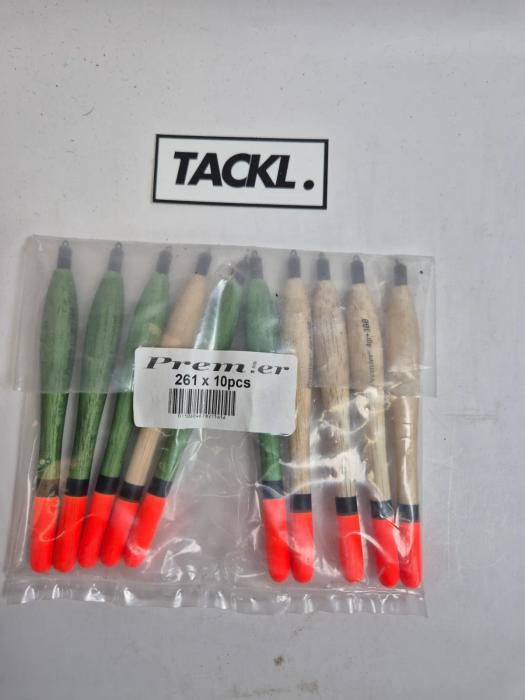
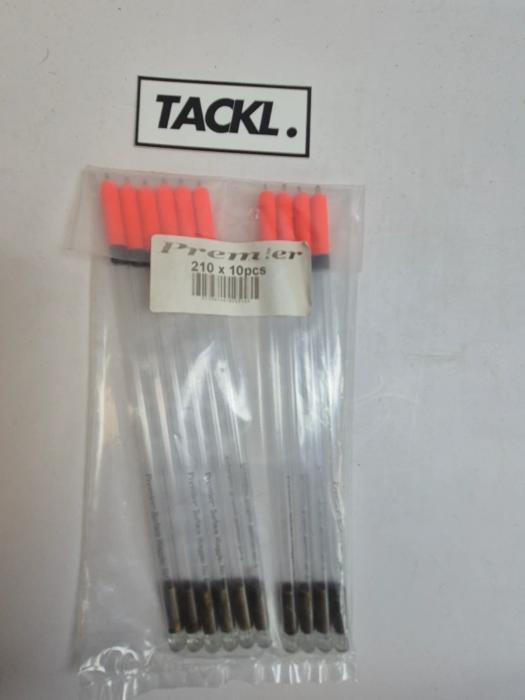
Light tackle tactics are most effective. For float fishing, a pole or waggler rod with 2-4lb line and a small hook (size 18-20) is ideal. Use a sensitive float and dot it down to register shy bites, fishing a bait like a single maggot or piece of sweetcorn just on or slightly off the bottom. Regular, accurate loose feeding with a catapult or pole cup helps concentrate the fish. Alternatively, a light feeder rod with a small method or cage feeder can be very successful. Load the feeder with a fine fishmeal groundbait and use a short 4-inch hooklink to a pellet or corn hookbait. Bites will register as positive pulls on the quivertip. Goldfish are not typically wary, so simple presentations work best.
Legal notes
An Environment Agency rod licence is required to fish for any freshwater species in England and Wales. Goldfish are a non-native species. Under the Wildlife and Countryside Act 1981, it is illegal to release or allow them to escape into any watercourse in the UK without specific legal authority, as they can damage native ecosystems.
Rules change. Check current Environment Agency, NRW or Scottish regulations and the venue's own rules before fishing. Not professional or legal advice.
Where to catch goldfish in the UK
Counties with goldfish recorded on Tackl: Bedfordshire (1), Warwickshire (1).
2 venues in 2 counties
Bedfordshire(1)
- Ampthill ReservoirReported
Warwickshire(1)
- Home Farm LakeReported
Tackle for goldfish
Goldfish guides
Goldfish fishing questions
What is the difference between a goldfish and a crucian carp?
The key difference is the dorsal fin. A goldfish's dorsal fin is straight or concave (curved inwards), while a true crucian carp's is convex (arched outwards). Colour is not a reliable indicator as 'brown goldfish' exist and crucians can appear golden.
Are goldfish easy to catch?
Generally, yes. They are often less cautious than wild carp species and feed confidently, making them an excellent target for beginners, young anglers, and anyone seeking consistent action on commercial fisheries. Simple float or feeder tactics work very well.
Can you eat goldfish?
While technically edible, like other carp, goldfish are not a food fish in the UK. Angling practice is to return all coarse fish unharmed to the water they were caught from. You must have the fishery owner's written consent to remove any fish.
Is it legal to use a goldfish as livebait?
No. In England and Wales, it is illegal to use any fish as livebait. Furthermore, introducing a non-native species like a goldfish into a fishery is a serious offence under the Wildlife and Countryside Act.
Where are the biggest goldfish in the UK found?
The largest specimens are typically found in well-established, lightly-fished private lakes or ponds where they have grown old. Many commercial fisheries also hold good populations, but the average size tends to be smaller due to higher stocking densities.


