

Brown Goldfish Fishing UK
By Tackl · Updated 10 October 2026

Carassius gibelio
A hardy, adaptable member of the carp family, often mistaken for the crucian carp or a wild-type goldfish. Found throughout the UK, particularly in stillwaters, this non-native species is a common but often unrecognised catch for coarse anglers. It is officially known as the Prussian Carp.
Photo: George Chernilevsky, CC BY-SA 3.0, via Wikimedia Commons
- Typical size
- Under 2lb; a fish over 3lb is exceptional.
- British record
- 4lb 9oz (Prussian Carp - 2017)
- Found in
- lake, pond, canal, drain, gravel pit, river
- Peak season
- Summer and early autumn
How to identify a brown goldfish
Often confused with crucian carp and F1 hybrids. The key identifier is the dorsal fin, which is straight or convex (curved outwards). A true crucian carp has a distinctly concave (curved inwards) dorsal fin. Brown goldfish are typically silvery-grey or olive-brown, lacking the rich golden-bronze hue of a true crucian. They have no barbules, which distinguishes them from common and mirror carp. The body is moderately deep, but generally more streamlined than a crucian of equivalent length. Lateral line scale count is typically 29-33. These features can be subtle, and misidentification is common in UK fisheries where populations have hybridised.
Where it lives
This species thrives in a variety of still or very slow-moving waters. It is particularly common in commercial fisheries, farm ponds, estate lakes, and urban canals where it has been introduced, legally or otherwise. Being exceptionally hardy, it tolerates low oxygen levels and a wide range of water temperatures and quality, enabling it to colonise venues where other species may not survive. They are often found in large shoals, feeding over silty or weedy bottoms. Their presence is widespread but often goes unrecorded as they are frequently misidentified by anglers as 'hybrids' or small common goldfish that have reverted to their natural colouration.
What it eats and the best baits
An omnivorous bottom-feeder, the brown goldfish's natural diet is varied. It sifts through silt and detritus for food items including zooplankton, small crustaceans like daphnia, insect larvae such as bloodworm and chironomids, and molluscs. It also consumes a significant amount of plant matter and algae. This adaptable feeding behaviour allows it to thrive in a wide range of environments, from nutrient-rich commercial fisheries to less fertile natural venues, outcompeting more specialist feeders in some habitats.
- Maggot
- Caster
- Sweetcorn
- Bread punch
- Soft pellet
- Worm
- Paste
Best time of year
- Jan – quieter
- Feb – quieter
- Mar – quieter
- Apr – quieter
- May – good
- Jun – good
- Jul – good
- Aug – good
- Sep – good
- Oct – good
- Nov – quieter
- Dec – quieter
The traditional coarse fishing close season (15 March - 15 June inclusive) applies to all rivers in England and Wales. Most stillwaters and canals remain open all year, but check local club and fishery rules.
How to catch brown goldfish
Light-tackle coarse fishing methods are most effective. Pole fishing is ideal for precise presentation, using fine lines (e.g., 0.10-0.14mm hooklinks), small hooks (size 18-22), and sensitive floats to register shy bites. Plumbing the depth accurately and presenting a bait like a single maggot or piece of bread punch just touching the bottom is a classic approach. Alternatively, waggler fishing allows you to target fish further out. For fishing at range or in breezy conditions, a small cage feeder or Method feeder can be very effective. Use a fine, sweet groundbait mix and short hooklinks with baits such as soft pellets or sweetcorn. Bites are often delicate, so a quivertip rod with a sensitive tip is essential for feeder work.
Legal notes
Carassius gibelio is listed as an invasive non-native species under UK law. It is an offence to introduce this species to any water or to transfer them between waters. Any caught should be returned to the water they came from and not taken elsewhere. A valid Environment Agency rod licence is a legal requirement for all anglers aged 13 or over in England and Wales.
Rules change. Check current Environment Agency, NRW or Scottish regulations and the venue's own rules before fishing. Not professional or legal advice.
Where to catch brown goldfish in the UK
Counties with brown goldfish recorded on Tackl: Leicestershire (1).
1 venue in 1 county
Leicestershire(1)
- Mallory Park FisheriesReported
Tackle for brown goldfish
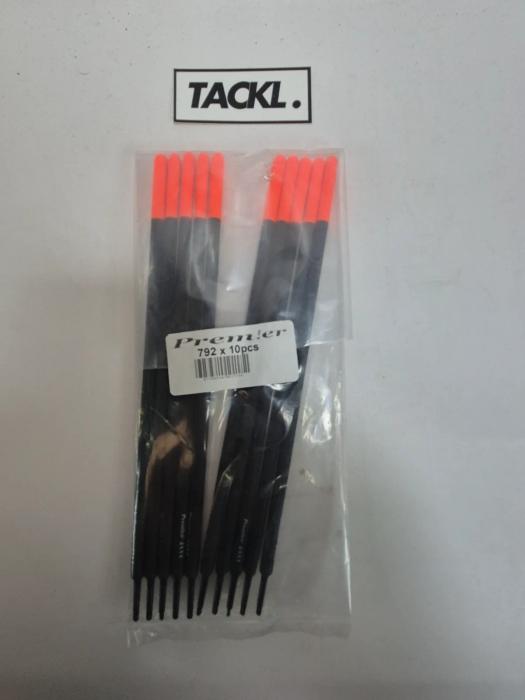
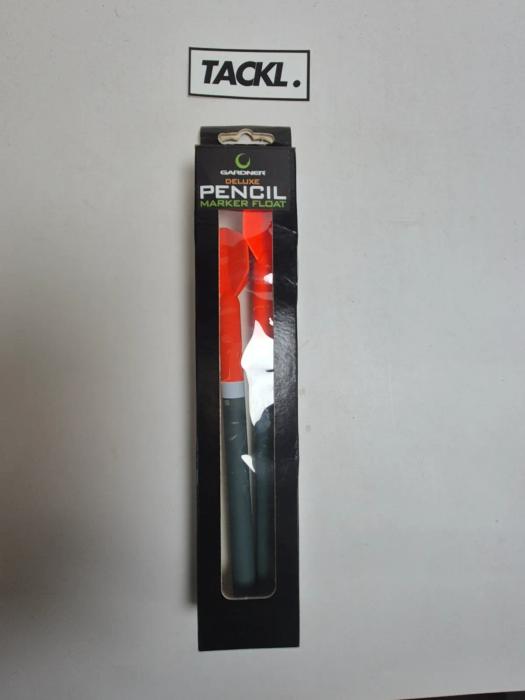
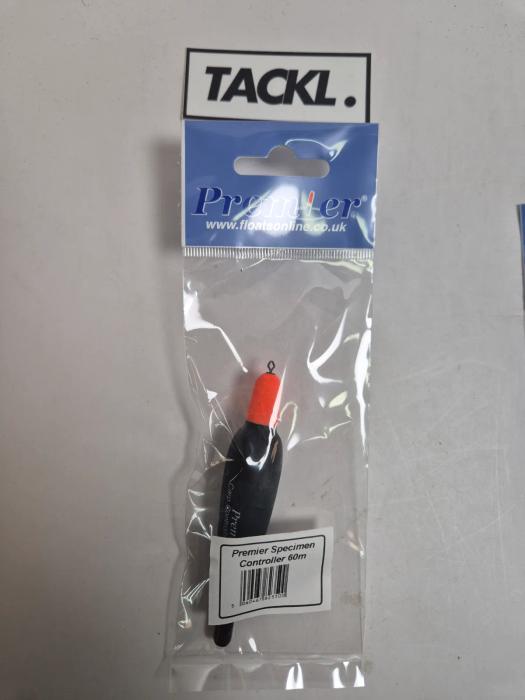
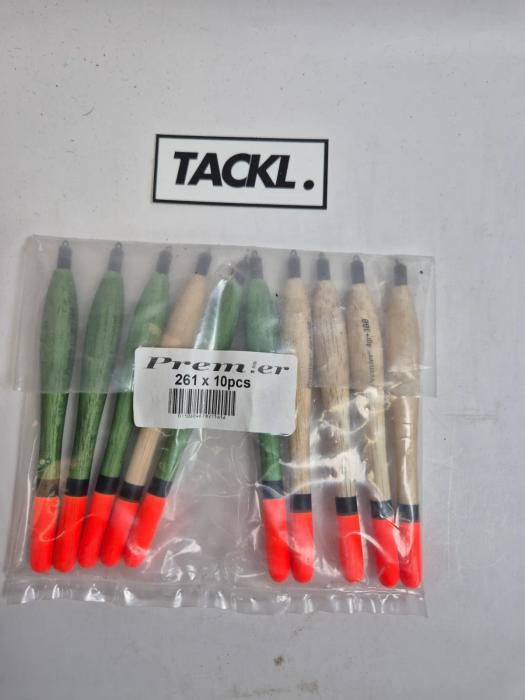
Brown Goldfish guides
Brown Goldfish fishing questions
Is a brown goldfish just a wild goldfish?
No, it is a separate species, *Carassius gibelio*, also known as the Prussian carp. While related to the common goldfish (*Carassius auratus*), they are genetically distinct. The term 'brown goldfish' is a common name anglers use for them.
How can I be sure it's not a crucian carp?
Check the dorsal fin. A brown goldfish (Prussian carp) has a straight or outwardly curved (convex) dorsal fin. A true crucian carp will always have an inwardly curved (concave) dorsal fin. Colour can also be a guide, with Prussians being more silvery.
Why is the brown goldfish classed as invasive?
It's an invasive non-native species because it reproduces rapidly via gynogenesis (where sperm from other species triggers egg development without fertilisation) and can outcompete native species for food and habitat. It is illegal to move them between waters.
What's the best way to catch one?
Light float fishing or pole fishing tactics work best. Use a small hook with a delicate bait like a single maggot, caster, or a small punch of bread, presented accurately over a silty bottom where they feed. Be prepared for very gentle bites.
Do brown goldfish have barbules like carp?
No, just like crucian carp and goldfish, the brown goldfish (Prussian carp) has no barbules around its mouth. This is a key feature to distinguish it from small common carp, mirror carp, and some F1 carp hybrids which can have small barbules.


