

Ghost Carp Fishing UK
By Tackl · Updated 10 October 2026

Cyprinus carpio
A popular hybrid of a common or mirror carp and a Purachina Ogon koi. Prized for its striking appearance, it has a pearly white or yellow body, often with darker pigmentation on its head and back, giving it a 'ghostly' look. They are a feature of many UK commercial fisheries.
- Typical size
- 10-25lb; specimens over 30lb are common.
- British record
- No official record; recorded under mirror or common carp categories.
- Found in
- lake, pond, reservoir, gravel pit
- Peak season
- Late Spring to Early Autumn
How to identify a ghost carp
The ghost carp's most defining feature is its unique colouration. It is a hybrid of a standard carp (Cyprinus carpio) and a metallic koi, resulting in a body that is pearly white, cream, or pale yellow. This is often contrasted with darker, wild-type colouration on the head, across the shoulders, and along the dorsal line, creating the signature 'ghost' effect. The scaling pattern will match its carp parentage: either fully scaled like a common carp or with irregular scales like a mirror carp. Crucially, it possesses two pairs of barbules around the mouth, distinguishing it from non-barbuled hybrids like those involving goldfish or crucian carp.
Where it lives
Ghost carp are not a native UK species and their habitat is almost exclusively man-made, stillwater environments. They are found in commercial day-ticket fisheries, syndicate lakes, and gravel pits where they have been intentionally introduced as a desirable target for anglers. They thrive in rich, relatively shallow, slow-moving or static water. Like other carp, they are drawn to underwater features that provide food and cover, such as weed beds, lily pads, reed margins, sunken islands, and overhanging trees. Their distribution across the UK is widespread but entirely dependent on fishery stocking policies, making them a common sight in the commercial carp scene but absent from most rivers.
What it eats and the best baits
Like other carp, the ghost carp is an omnivorous bottom feeder. Its natural diet consists of aquatic invertebrates such as bloodworm, caddis larvae, snails, and freshwater shrimps, which it sifts from the substrate. It also consumes plant matter, seeds, and zooplankton. In angling venues, they adapt readily to feed confidently on introduced baits like boilies, pellets, particles, and groundbait, often associating these food items with specific areas of the lake where anglers regularly bait up.
Best time of year
- Jan – quieter
- Feb – quieter
- Mar – quieter
- Apr – quieter
- May – good
- Jun – good
- Jul – good
- Aug – good
- Sep – good
- Oct – good
- Nov – quieter
- Dec – quieter
As a species primarily found in stillwaters, the coarse fish close season (15 March - 15 June) on rivers in England and Wales does not generally apply. However, individual fisheries may enforce their own closed periods for spawning or maintenance.
How to catch ghost carp
The most effective methods are modern, specimen carp angling tactics. Ledgering with a semi-fixed or running lead setup, combined with a bite alarm, is standard practice. The hair rig is essential for presenting baits like boilies, pop-ups, or wafters effectively. The Method feeder is another excellent choice, delivering a compact pile of groundbait or pellets directly around the hookbait, which is ideal for single-rod tactics or when bites are frequent. In warmer weather, when ghost carp are visible near the surface, zig rigs can be used to present a buoyant bait mid-water. Alternatively, exciting sport can be had by surface fishing with floating baits like bread crust or specialist floating pellets. For margin work, stalking with a float-fished bait like sweetcorn or luncheon meat on strong tackle can be a deadly and engaging approach.
Legal notes
An Environment Agency rod licence is required to fish for any freshwater species in England and Wales. In Scotland, a permit from the fishery owner is required instead of a national licence. Always follow specific fishery rules regarding bait, rigs, and fish care, including the mandatory use of an unhooking mat and appropriate landing net.
Rules change. Check current Environment Agency, NRW or Scottish regulations and the venue's own rules before fishing. Not professional or legal advice.
Where to catch ghost carp in the UK
Counties with ghost carp recorded on Tackl: Lincolnshire (3), Essex (3), Somerset (2), Cornwall (1), Warwickshire (1), Suffolk (1), Staffordshire (1), Gloucestershire (1), Cambridgeshire (1), Devon (1), Leicestershire (1), Surrey (1), Lancashire (1), Nottinghamshire (1).
19 venues in 14 counties
Cambridgeshire(1)
- Float FishfarmReported
Cornwall(1)
- Amalwhidden Farm Coarse FishingReported
Devon(1)
- Home Farm Fishery (Devon)Reported
Essex(3)
- Bottom lake Holyfield FisheryReported
- Brook Farm FisheryReported
- Foxearth FisheriesReported
Gloucestershire(1)
- Elton Carp LakesReported
Lancashire(1)
- Stanley Villa Farm FisheryReported
Leicestershire(1)
- Mallory Park FisheriesReported
Lincolnshire(3)
- ADH FisheriesReported
- Butterswood LodgeReported
- Caistor Fishing Lakes and Caravan siteReported
Nottinghamshire(1)
- Wetlands LakesReported
Somerset(2)
- Higher Farm FisheryReported
- Rode Hill FisheryReported
Staffordshire(1)
- Coppice Lane FisheryReported
Suffolk(1)
- Colston Hall FisheryReported
Surrey(1)
- Newdigate Farms LtdReported
Warwickshire(1)
- Butlers Hill FarmReported
Tackle for ghost carp
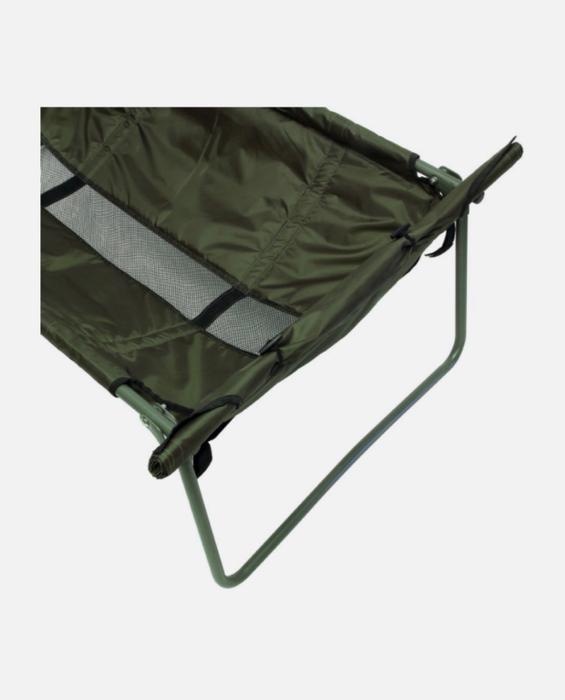
NGT Cradle
£60.00
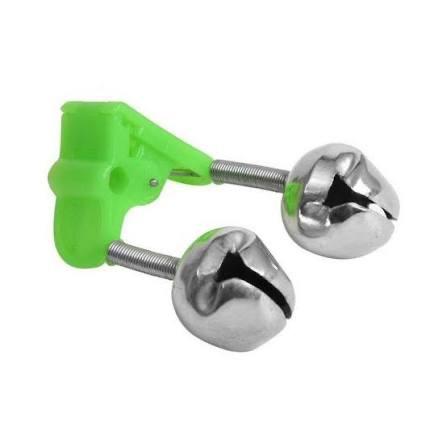
Fishing Bite Indicator Bite Alarm Rod Tip
£1.50
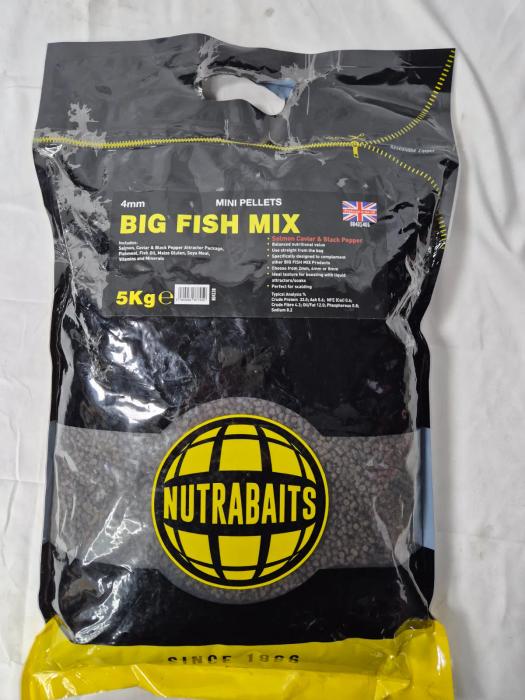
Nutrabaits Pellets Big Fish Mix (Salmon, Caviar & Black Pepper) 4mm 5kg
£20.00
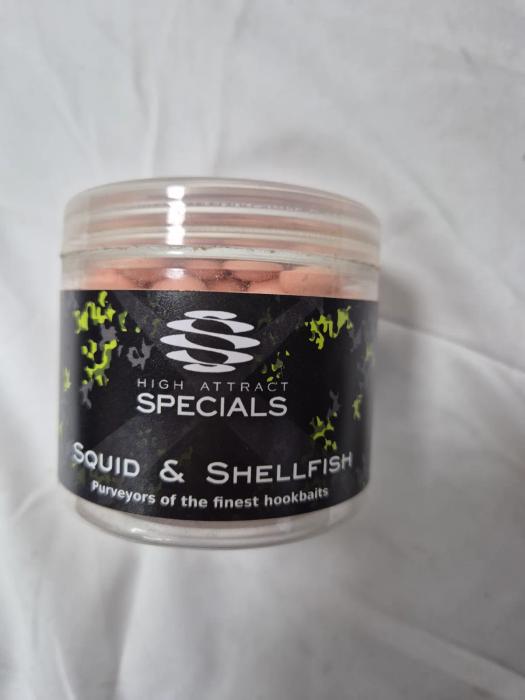
High Attract Specials Pop-ups Various options 12-14mm 1 tub 50g
£8.00
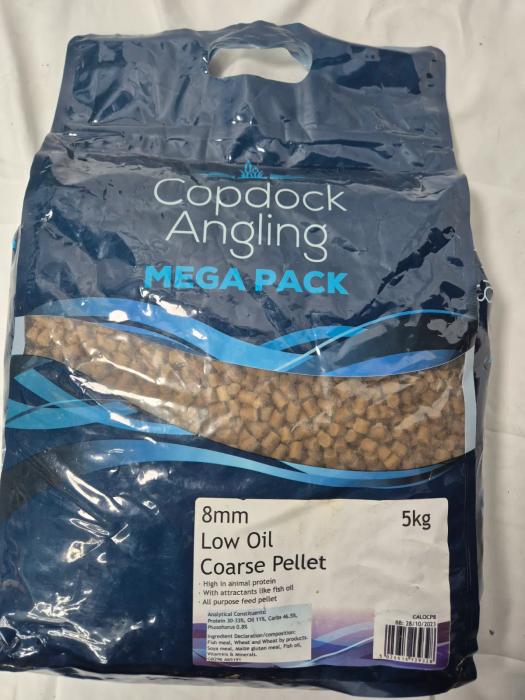
Copdock Angling Low Oil Coarse Pellets 5kg
£12.00
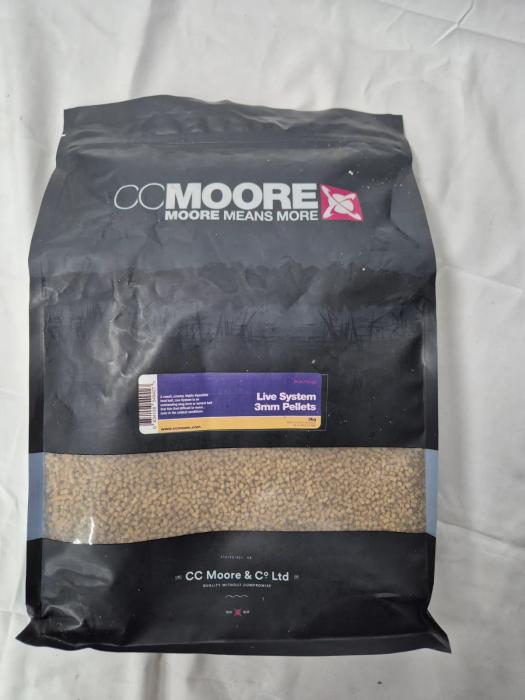
CC Moore Pellets Live System 3mm 3kg
£15.00
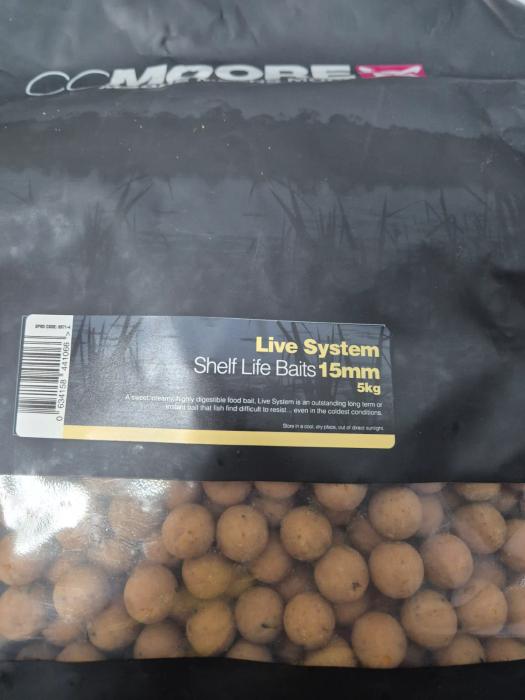
CC Moore Boilies & Dumbells Live System 5kg
£30.00
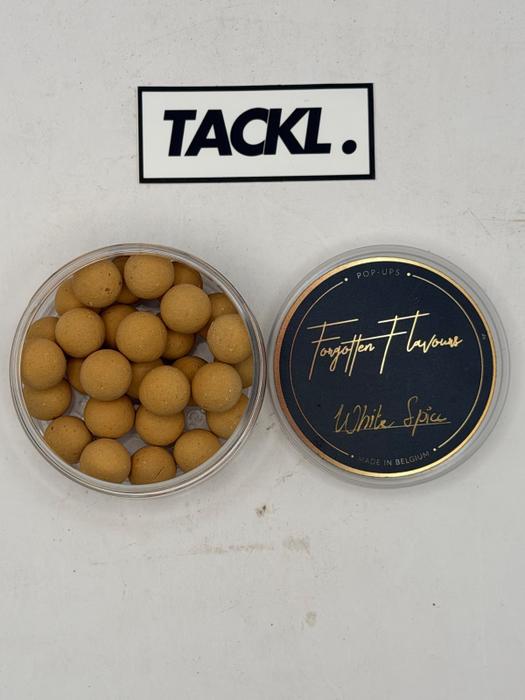
Forgotten Flavours Bait
£5.00
Ghost Carp guides
Ghost Carp fishing questions
What exactly is a Ghost Carp?
It is a hybrid fish, a cross between a wild-type carp (common or mirror) and a metallic, single-coloured Japanese koi carp (usually a Purachina Ogon). This gives them their distinctive pale, 'ghostly' appearance often with darker markings on the head and back.
Are Ghost Carp sterile?
No, Ghost Carp are fertile and can successfully breed with other carp varieties, including common, mirror, and other koi. Their offspring may exhibit a wide range of colours and patterns, often reverting to a more wild, darker colouration over generations.
Do you need special tackle to catch Ghost Carp?
No. Standard UK carp fishing tackle is perfectly suitable. This includes 2.75lb-3.5lb test curve rods, baitrunner or big pit reels loaded with 12-18lb line, and appropriate rigs and fish care equipment like an unhooking mat for the venue.
Why are they called 'Ghost' Carp?
The name comes from their pale, ethereal colouration. The pearly white or yellow body, often combined with a darker head and dorsal area, gives them a spectral or 'ghostly' appearance as they move through the water, especially in lower light conditions.
Are Ghost Carp rare in the UK?
Not particularly rare, but they are less common than standard mirror or common carp. Their presence is entirely dependent on a fishery's stocking policy, and they are a highly sought-after, prized feature in many commercial carp waters across Britain.


