
Tackl Academy · Rigs
Clipped-Down Sea Fishing Rigs: Bait Clips and Distance
Clipped-down rigs hold bait closer to the rig body during a cast, then use a release system to let the hooklength fish freely. Correct clip geometry matters as much as the rig name.
By Tackl · Reviewed by TACKL · Updated 13 October 2026
Clipped-down is a casting feature
A bait clip restrains the baited hook for casting. The system must then release as intended by its design. This is not guaranteed for every clip simply because the lead touches water: release mechanisms and fitting instructions differ. Check the actual product and test its movement before use.
A single-hook clipped paternoster
The source presents one snood attached above a terminal lead, with the hook held near a bait clip for the cast. The rig-body attachment position is adjusted so that the snood can engage the clip under suitable tension. Once released, the snood presents the bait separately from the body.
Bomber rigs and two-hook layouts
A bomber uses two snoods of different lengths arranged to meet a suitable bait clip. Both hooks need secure engagement without distorting the rig or forcing the bait out of position. More than one bait means more bulk and more adjustment; a two-hook layout is not automatically easier or better than a single clipped bait.
Cascade rigs are a different release chain
A cascade layout uses a cascade swivel or clip arrangement so that one hook clips into an intermediate attachment and another into the lower release. The source also uses a tensioning spring. Do not substitute a generic swivel where the release geometry requires a specialist component. Each section must engage and release correctly.
Bait size changes the setup
The rig must be checked with the bait size you intend to cast, not only with bare hooks. Bait stops help prevent bait sliding along a snood, but are not replacements for a correctly fitted clip. If the hook cannot seat safely or the bait fouls the release, adjust the setup rather than forcing it.
What the draft corrects
The earlier Tackl draft described a two-hook flapper as having both snoods clipped. A standard unclipped flapper and a clipped-down rig are distinct arrangements. This page also avoids presenting one-up-one-down as a release system: that term describes hook positions, which may or may not include clipping.
Source and review notes
Original Tackl explanation informed by Planet Sea Fishing, Book of Saltwater Rigs, PDF pages 4–5, 20–21, 36–37, 44–45. The source carries Planet Sea Fishing copyright notices dated 2009. Publisher: https://www.planetseafishing.com/. No book illustrations or source pages are reproduced. Historical dimensions and hook choices are examples, not current legal or safety standards. This draft still needs hands-on angler review and approved original rig photos.
Questions
Does a bait clip always release on water impact?
Release depends on the specific clip and its fitting. Follow its instructions; do not assume all bait clips work identically.
What is the difference between bomber and cascade rigs?
A bomber brings its hooks to a suitable lower bait clip. A cascade uses an intermediate hook-retaining component as part of its clipping arrangement.
Related
Shop this on Tackl
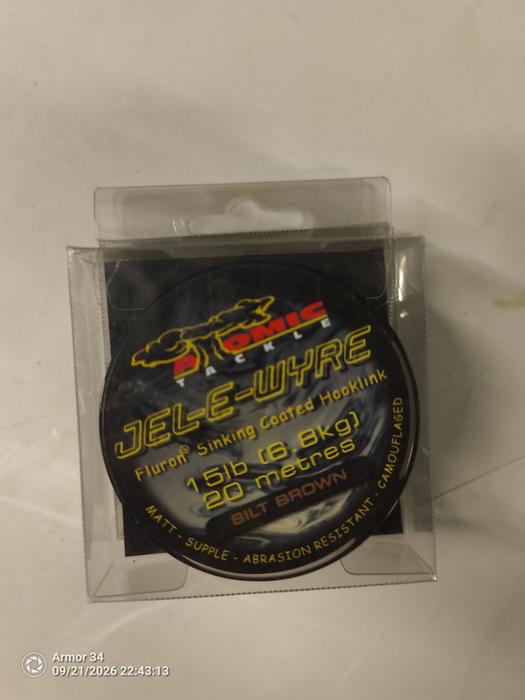
Atomic Tackle Hooklink Braided Sinking Coated Hooklink
£5.49New
Sold by Tackl
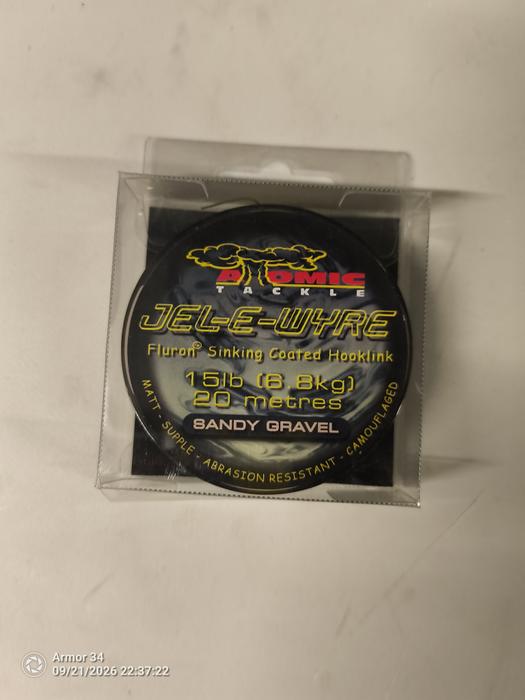
Atomic Tackle hooklink coated hooklink
£5.49New
Sold by Tackl
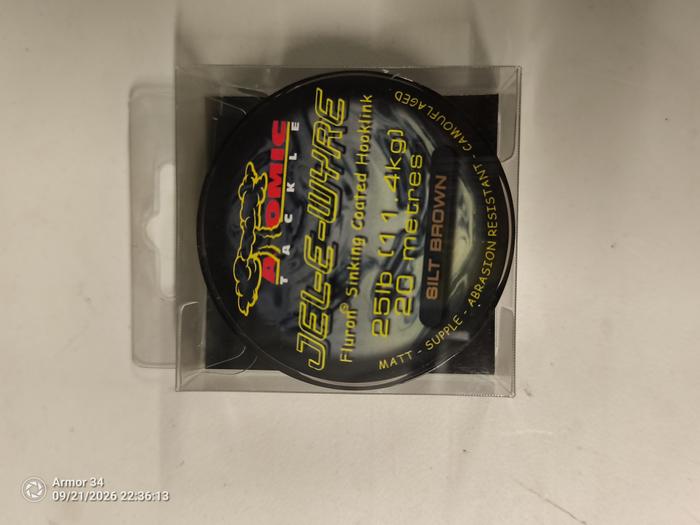
Atomic Tackle Hooklink Fluron Sinking Coated Hooklink
£5.49New
Sold by Tackl
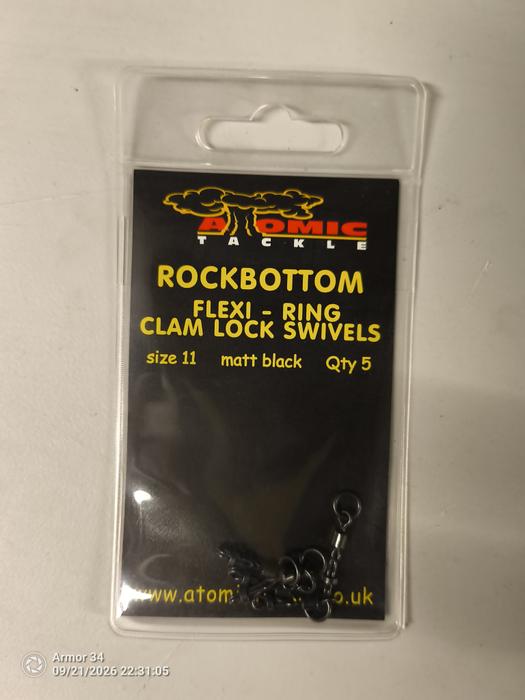
Atomic Tackle
£2.58New
Sold by Tackl
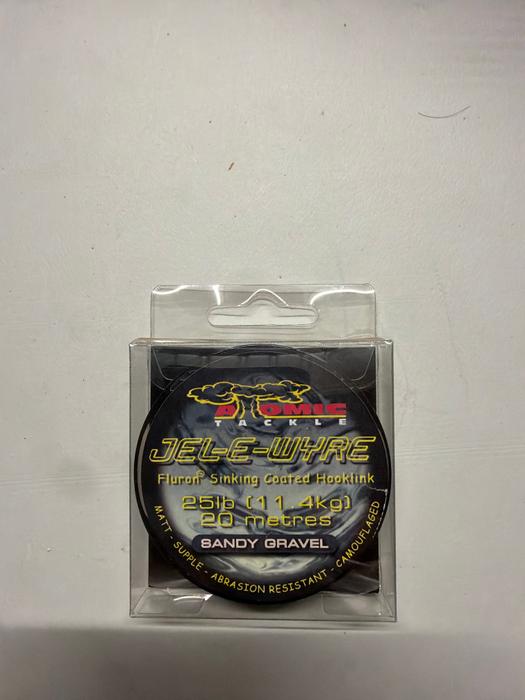
Atomic Tackle Line Fluorocarbon 25lbs 25lb (11.4kg) 20 metres
£5.49New
Sold by Tackl
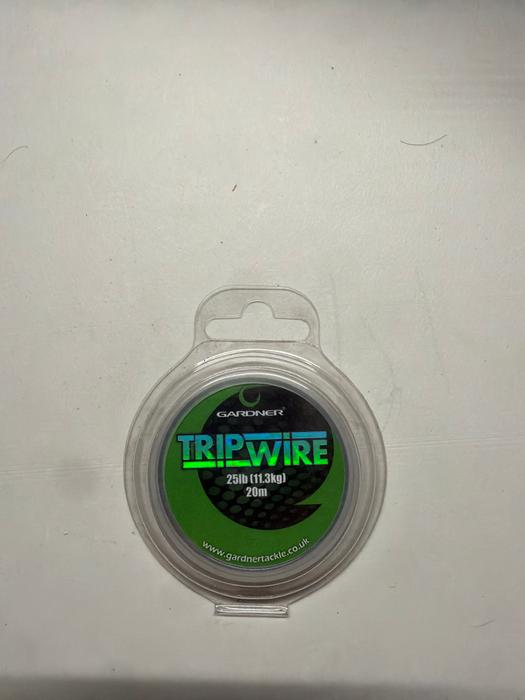
Gardner trip wire Line fishing line 25lbs
£3.00New
Sold by Tackl
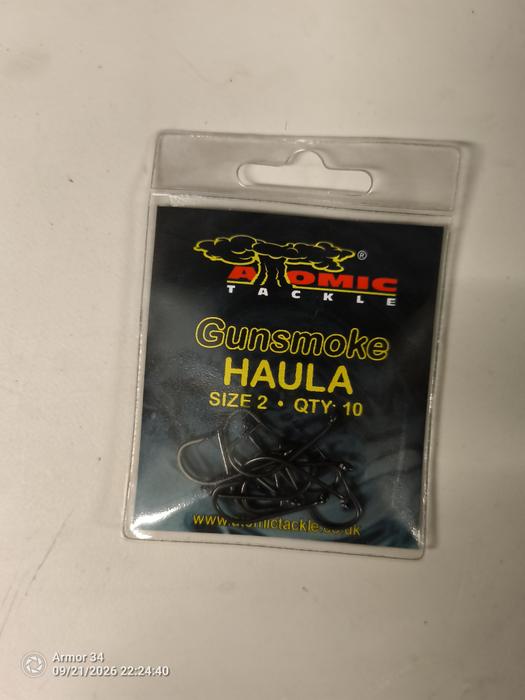
Atomic Tackle haula 2
£2.37New
Sold by Tackl
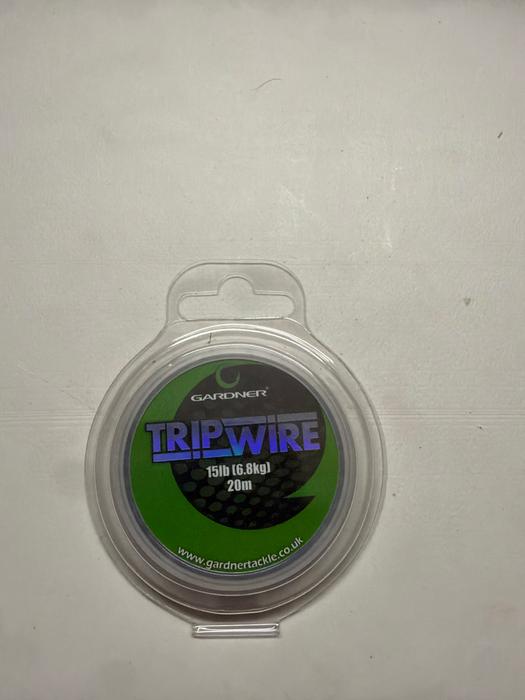
Gardner Trip Wire 15lb 20m
£4.24New
Sold by Tackl
General guidance, not professional advice. Always follow the venue's rules and current Environment Agency, NRW or Scottish regulations.