
Tackl Academy · Rigs
Flapper and Paternoster Rigs for Sea Fishing
A paternoster places hooklengths above a terminal lead. An unclipped flapper is a familiar shore-fishing version, with its baits free to move after the rig settles.
By Tackl · Reviewed by TACKL · Updated 13 October 2026
What the rig does
The lead anchors the lower end of the rig while one or more snoods branch from the body. A snood is the hooklength carrying the hook. Separate branches allow different bait positions without putting every hook on the same strand. The source includes a blood-loop paternoster, a three-hook flapper and boom-based versions.
Loops, swivels and booms
A simple loop paternoster uses loops formed in the rig body as attachment points. A swivel-based flapper uses trapped snood swivels, usually between beads and stops. A boom version holds the start of each snood away from the body. These attachment systems are alternatives; parts from different designs should not be combined without understanding how they carry load.
Spacing hooklengths to reduce tangles
Think about the reach of a baited hook, not just the gap between attachment points. Long snoods and large baits can meet adjacent snoods or the lead. Check the rig both stretched out and relaxed before fishing. Reducing the number of hooks or shortening a snood can simplify a troublesome setup, but hook size and line must still suit the bait and conditions.
When an unclipped rig makes sense
A flapper is useful when presenting more than one bait matters more than streamlining the cast. Loose snoods and baits increase the bulk of the casting arrangement. If a cast needs a bait-retaining system, choose a properly designed clipped rig rather than assuming an ordinary flapper will do the same job.
Handling and checking the rig
Inspect each knot, swivel, stop and branch before use. Keep spare hooks under control while baiting and unhooking. A rig that looks neat on dry land can still wrap up in tide or during retrieval; check for twisting and wear after each cast. Historical line and hook sizes in the source are not universal recommendations.
Source and review notes
Original Tackl explanation informed by Planet Sea Fishing, Book of Saltwater Rigs, PDF pages 18–19, 27–28, 34–35, 53–54. The source carries Planet Sea Fishing copyright notices dated 2009. Publisher: https://www.planetseafishing.com/. No book illustrations or source pages are reproduced. Historical dimensions and hook choices are examples, not current legal or safety standards. This draft still needs hands-on angler review and approved original rig photos.
Questions
What is a snood?
A snood is the hooklength connecting a hook to the rig body or another attachment point.
Do more hooks always catch more fish?
No. Extra hooks add presentation options but also tangles and handling risk. Use only as many as the situation and rules justify.
Related
Shop this on Tackl
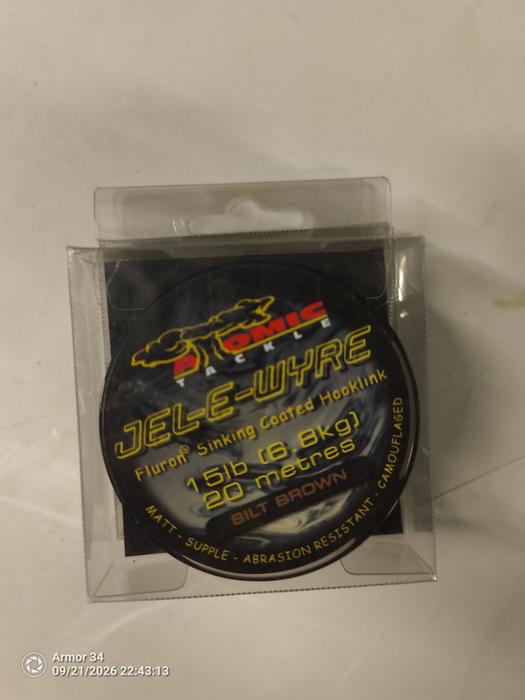
Atomic Tackle Hooklink Braided Sinking Coated Hooklink
£5.49New
Sold by Tackl
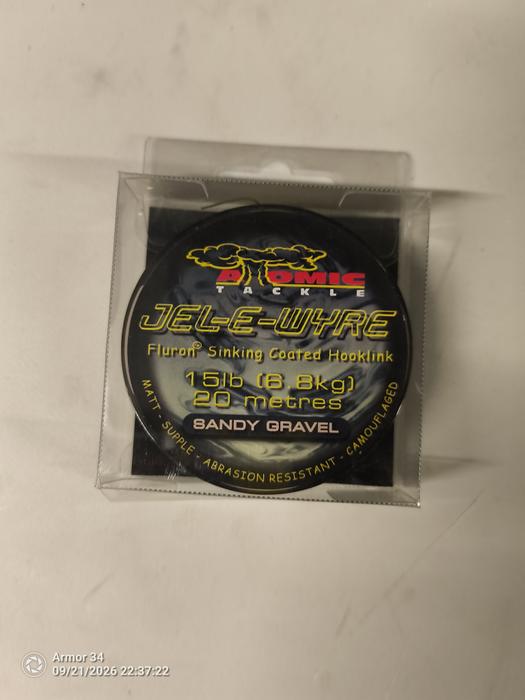
Atomic Tackle hooklink coated hooklink
£5.49New
Sold by Tackl
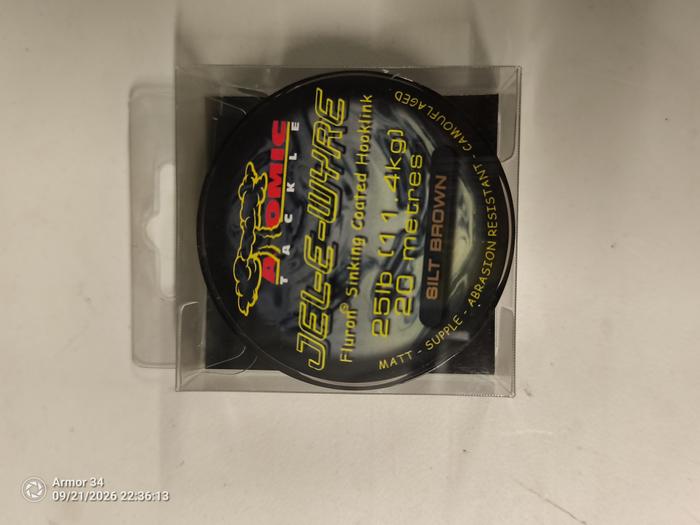
Atomic Tackle Hooklink Fluron Sinking Coated Hooklink
£5.49New
Sold by Tackl
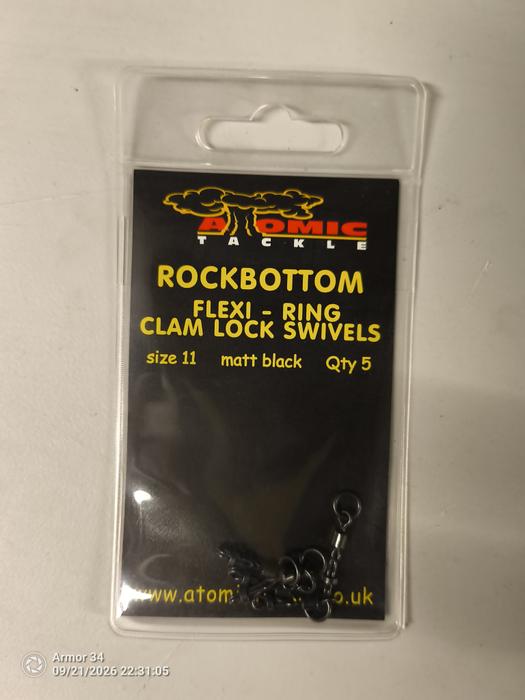
Atomic Tackle
£2.58New
Sold by Tackl
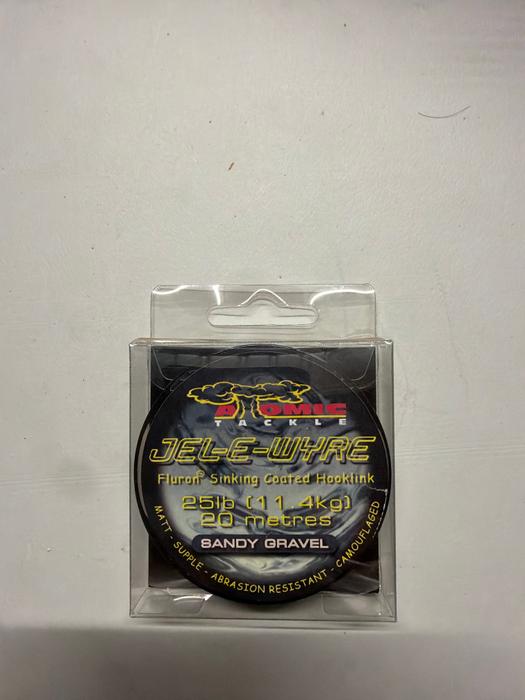
Atomic Tackle Line Fluorocarbon 25lbs 25lb (11.4kg) 20 metres
£5.49New
Sold by Tackl
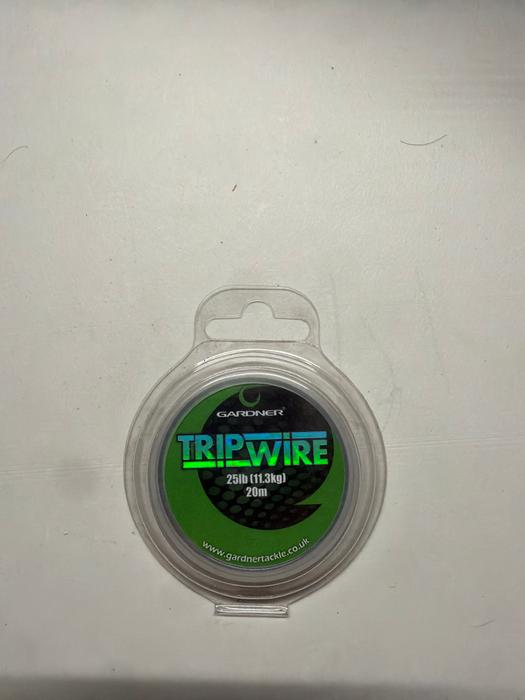
Gardner trip wire Line fishing line 25lbs
£3.00New
Sold by Tackl
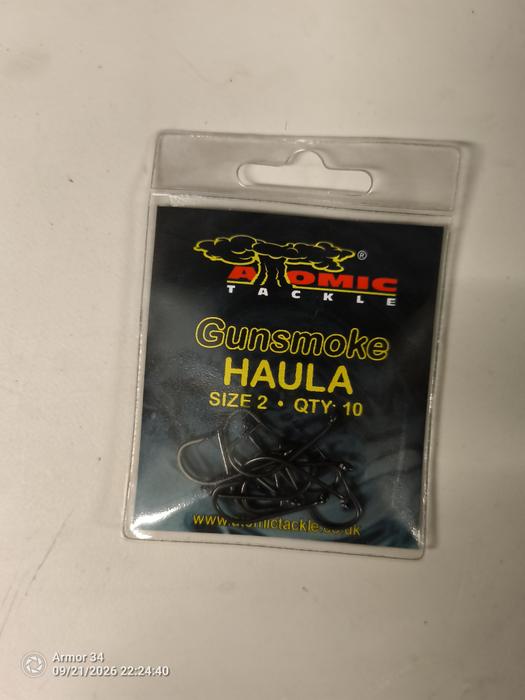
Atomic Tackle haula 2
£2.37New
Sold by Tackl
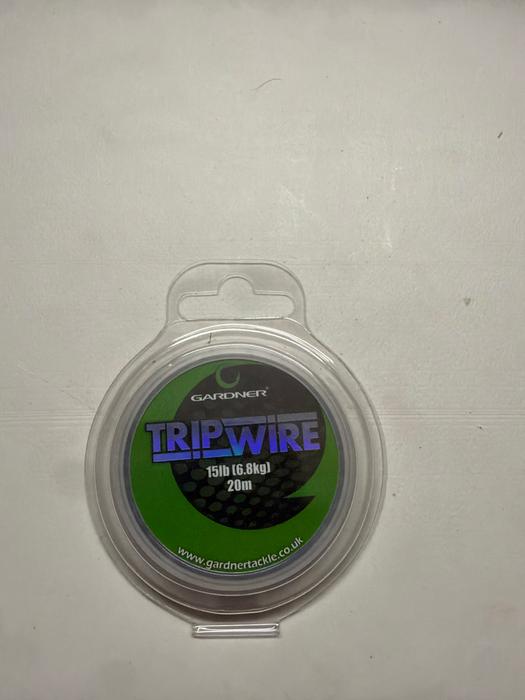
Gardner Trip Wire 15lb 20m
£4.24New
Sold by Tackl
General guidance, not professional advice. Always follow the venue's rules and current Environment Agency, NRW or Scottish regulations.