
Tackl Academy · Rigs
Pulley Rig for Shore Fishing: How It Works
A pulley rig uses a freely moving connection so that tension during retrieval can draw the lead closer to the hooked fish. It can help with snaggy ground, but cannot make a rocky mark snag-proof.
By Tackl · Reviewed by TACKL · Updated 13 October 2026
The pulley principle
The source describes a running swivel acting as a pulley when a fish is retrieved. Movement redistributes the rig so that the lead is drawn upwards relative to the fish. The intended benefit is reduced snagging during retrieval—not a promise that the lead will clear every rock or weed bed.
The moving connection must stay free
A pulley swivel or purpose-designed moving connection needs a clear path along the relevant section of line. Beads protect adjoining connections, while the hooklength and lead connection complete the arrangement. A trapped swivel cannot perform the same movement. Components should be selected as a coherent design, not merely assembled because they have familiar names.
Single hook or pennel bait presentation
The book shows the pulley principle with either a single hook or a pennel arrangement. A pennel places two hooks along one larger bait; it does not create a second independent snood. Choose the hook arrangement for the bait and handling needs, and avoid burying the hook points in bait.
Pulley and rotten bottom are not the same
A pulley changes the way the rig behaves under tension. A rotten bottom provides a weaker lead connection intended to part if the lead is stuck. A pulley may incorporate a purpose-designed lead-release system, but adding weak line does not make it safe to cast. Treat casting retention and fishing release as separate requirements.
Limits and the earlier draft
The previous short explanation placed the movement at the hook snood without adequately describing the running connection. This rewrite focuses on the sliding pulley arrangement and removes the suggestion that simply attaching the lead with weaker line is a complete rough-ground solution. Follow component instructions and have the assembled design checked before casting.
Source and review notes
Original Tackl explanation informed by Planet Sea Fishing, Book of Saltwater Rigs, PDF pages 46–47. The source carries Planet Sea Fishing copyright notices dated 2009. Publisher: https://www.planetseafishing.com/. No book illustrations or source pages are reproduced. Historical dimensions and hook choices are examples, not current legal or safety standards. This draft still needs hands-on angler review and approved original rig photos.
Questions
Does a pulley rig guarantee fewer lost leads?
No. Its movement can help during retrieval, but the lead, hook or line can still snag.
Is a pulley rig a rotten-bottom rig?
Not necessarily. A pulley moves through a sliding connection; a rotten bottom uses a sacrificial lead link.
Related
Shop this on Tackl
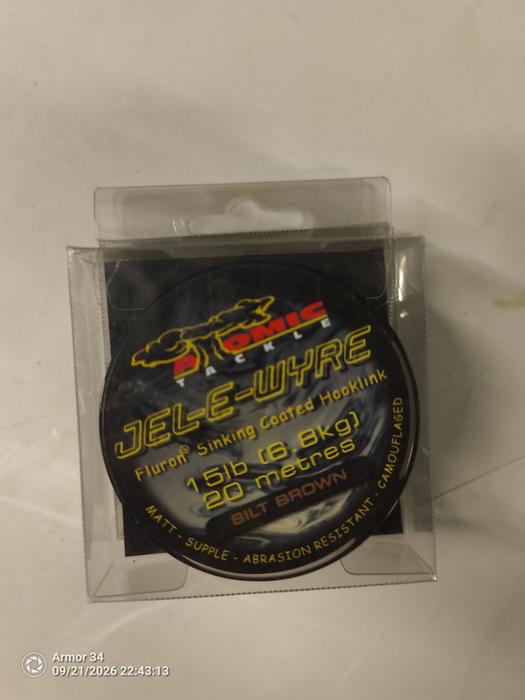
Atomic Tackle Hooklink Braided Sinking Coated Hooklink
£5.49New
Sold by Tackl
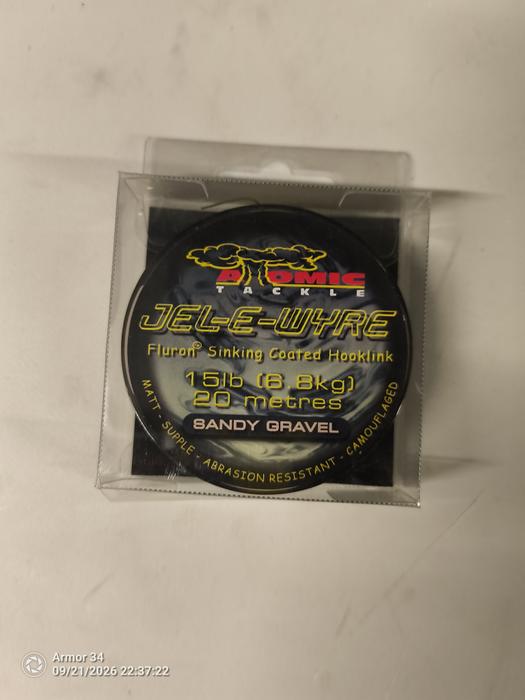
Atomic Tackle hooklink coated hooklink
£5.49New
Sold by Tackl
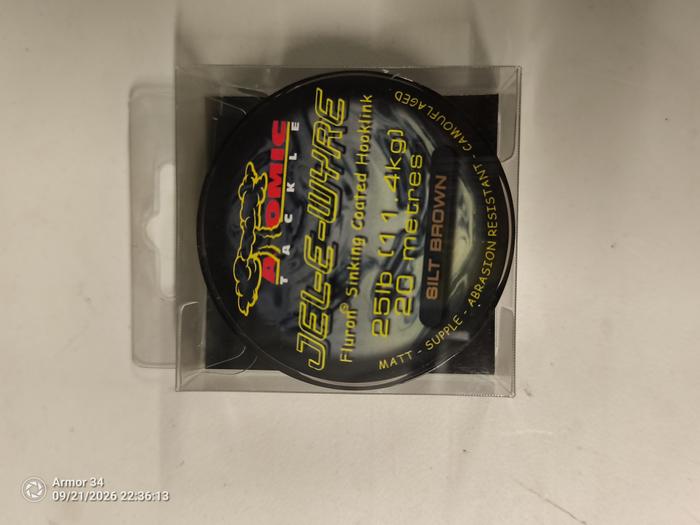
Atomic Tackle Hooklink Fluron Sinking Coated Hooklink
£5.49New
Sold by Tackl
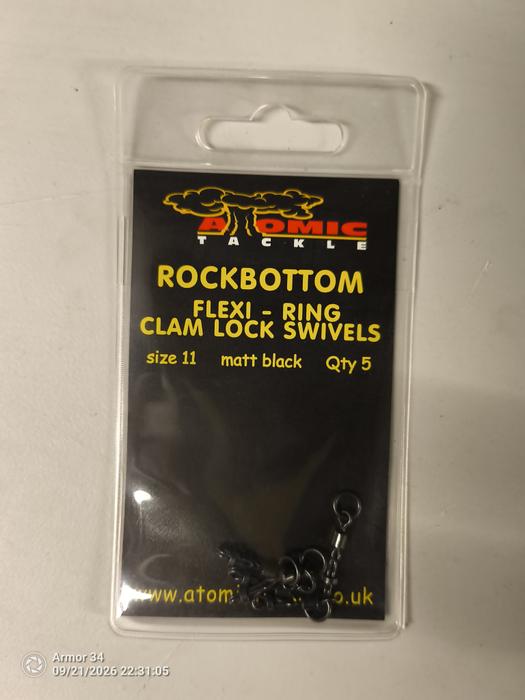
Atomic Tackle
£2.58New
Sold by Tackl
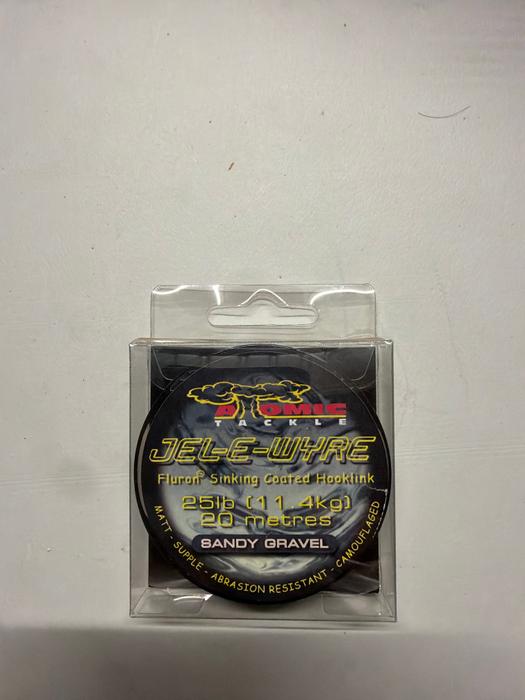
Atomic Tackle Line Fluorocarbon 25lbs 25lb (11.4kg) 20 metres
£5.49New
Sold by Tackl
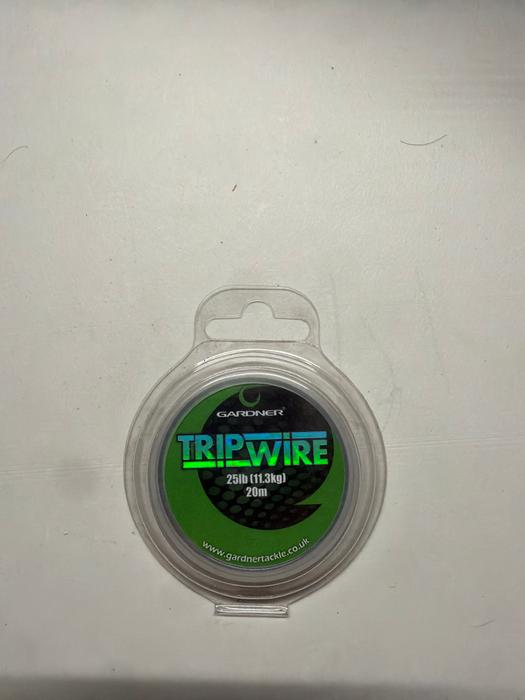
Gardner trip wire Line fishing line 25lbs
£3.00New
Sold by Tackl
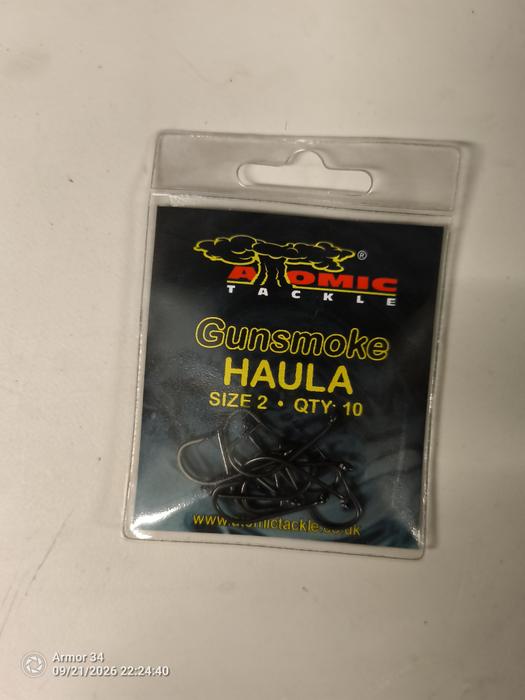
Atomic Tackle haula 2
£2.37New
Sold by Tackl
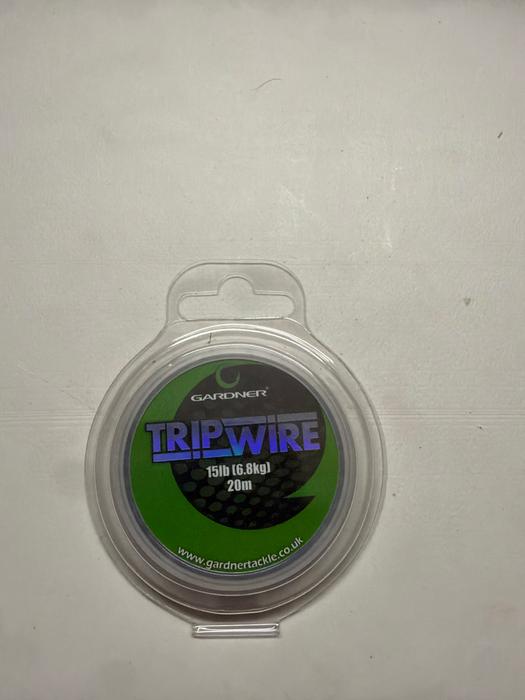
Gardner Trip Wire 15lb 20m
£4.24New
Sold by Tackl
General guidance, not professional advice. Always follow the venue's rules and current Environment Agency, NRW or Scottish regulations.