
Tackl Academy · Rigs
Running Leger Rig for Sea Fishing
A running leger uses a sliding weight carrier with a separate hooklength. It is a bottom-fishing arrangement, not a guarantee that a fish feels no resistance.
By Tackl · Reviewed by TACKL · Updated 13 October 2026
How the lead carrier works
The main line or leader passes through a suitable running component that carries the lead. A bead separates that moving part from the terminal swivel, and the snood is attached beyond it. Line can move through the carrier rather than pulling a fixed lead connection immediately.
Free movement is a check, not an assumption
Make sure the carrier moves on the actual line being used and that the bead protects the knot without passing through the carrier. A jammed carrier, damaged line or fouled connector changes the rig’s behaviour. Rod position, current and line tension also affect what the fish experiences.
Simple and two-hook versions
The source’s close-range version includes a branched snood with two hooks. That is one variant, not a requirement for every running leger. A simpler single hooklength can be easier to manage. Keep the chosen branch and snood layout clear of the lead and avoid loose line wrapping around the carrier.
A conger trace is not a general-purpose substitute
The book describes a separate heavy-duty conger version with substantially heavier terminal tackle. It should not be presented as a universal shore rig or copied as a casting-strength recipe. Large fish, abrasion and boat-side handling call for specialist advice and suitable landing procedures.
When to change the presentation
The source labels the ordinary running leger as a close-range arrangement. Do not assume a free-running carrier and long trailing snood are automatically suitable for a forceful distance cast. If bait retention is needed, use a design intended for that job and checked for the full casting load.
Source and review notes
Original Tackl explanation informed by Planet Sea Fishing, Book of Saltwater Rigs, PDF pages 6, 16–17. The source carries Planet Sea Fishing copyright notices dated 2009. Publisher: https://www.planetseafishing.com/. No book illustrations or source pages are reproduced. Historical dimensions and hook choices are examples, not current legal or safety standards. This draft still needs hands-on angler review and approved original rig photos.
Questions
Does a running leger remove all resistance?
No. The carrier permits movement, but friction, line tension, tide and the rod still influence resistance.
Must a running leger have two hooks?
No. Two-hook versions exist, but the sliding lead-carrier principle can be used with a simpler hooklength.
Related
Shop this on Tackl
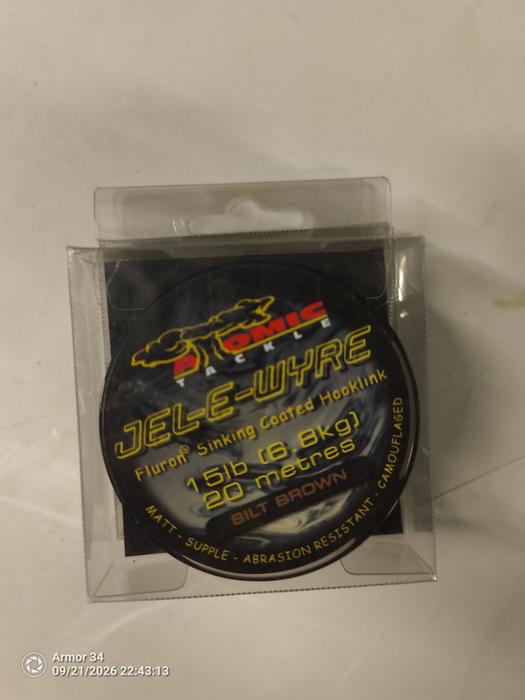
Atomic Tackle Hooklink Braided Sinking Coated Hooklink
£5.49New
Sold by Tackl
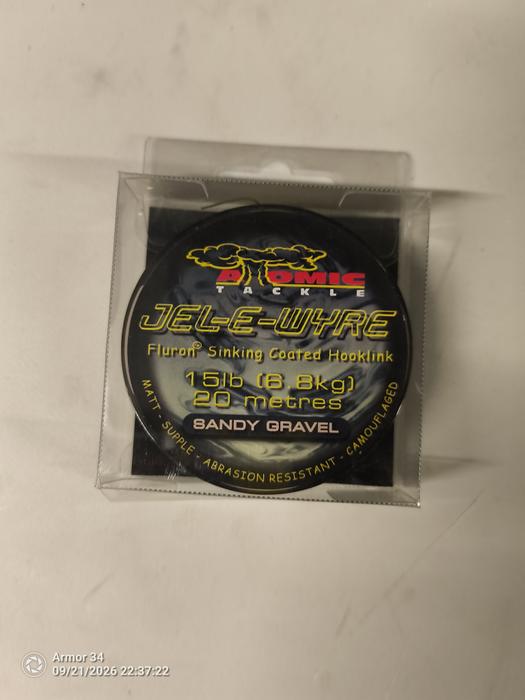
Atomic Tackle hooklink coated hooklink
£5.49New
Sold by Tackl
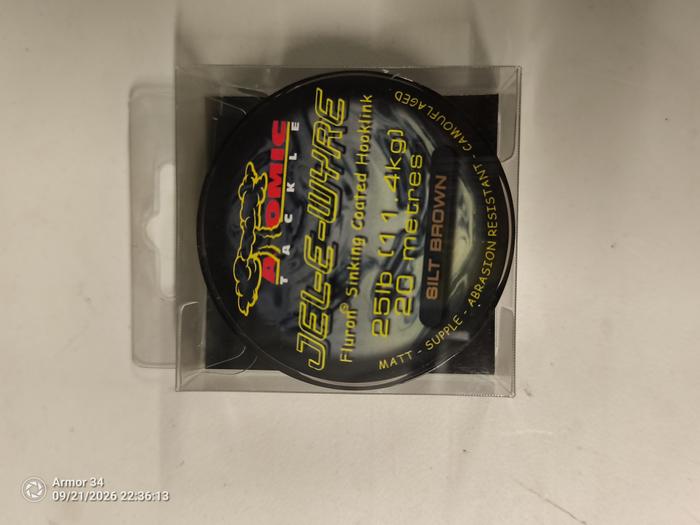
Atomic Tackle Hooklink Fluron Sinking Coated Hooklink
£5.49New
Sold by Tackl
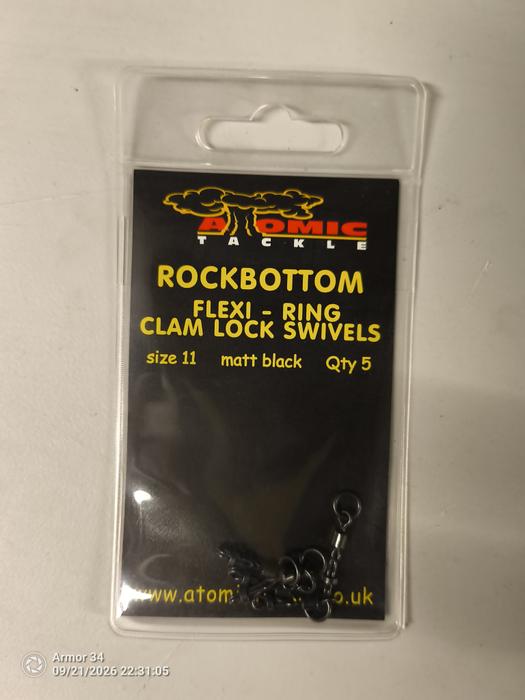
Atomic Tackle
£2.58New
Sold by Tackl
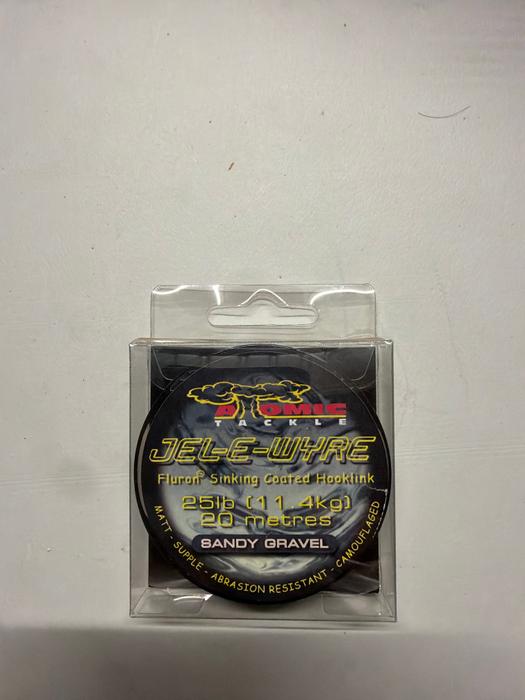
Atomic Tackle Line Fluorocarbon 25lbs 25lb (11.4kg) 20 metres
£5.49New
Sold by Tackl
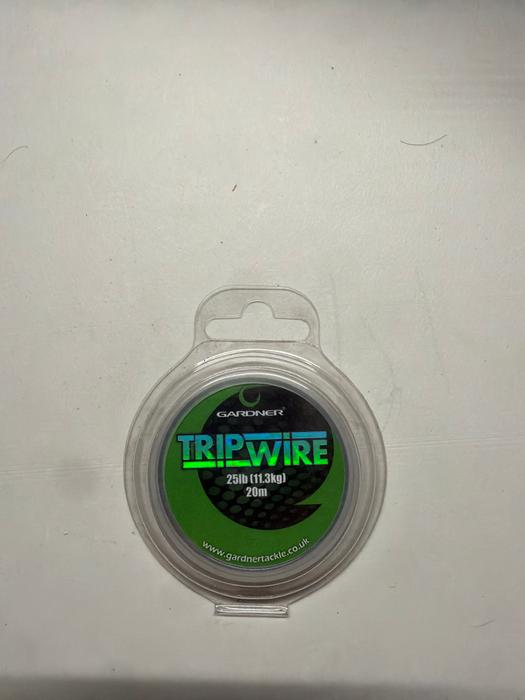
Gardner trip wire Line fishing line 25lbs
£3.00New
Sold by Tackl
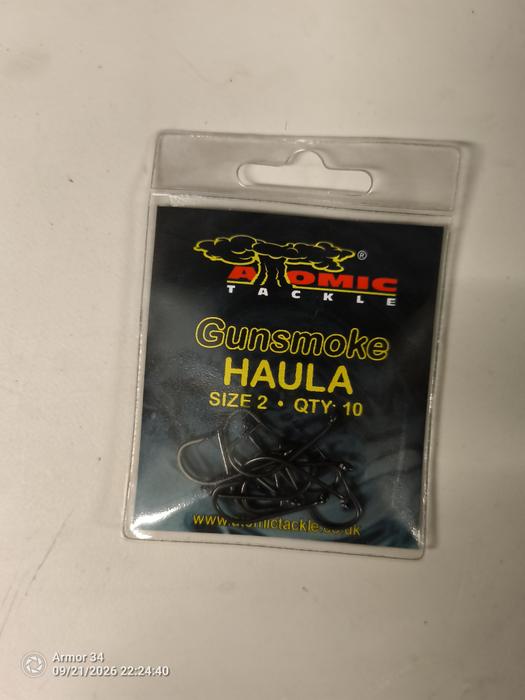
Atomic Tackle haula 2
£2.37New
Sold by Tackl
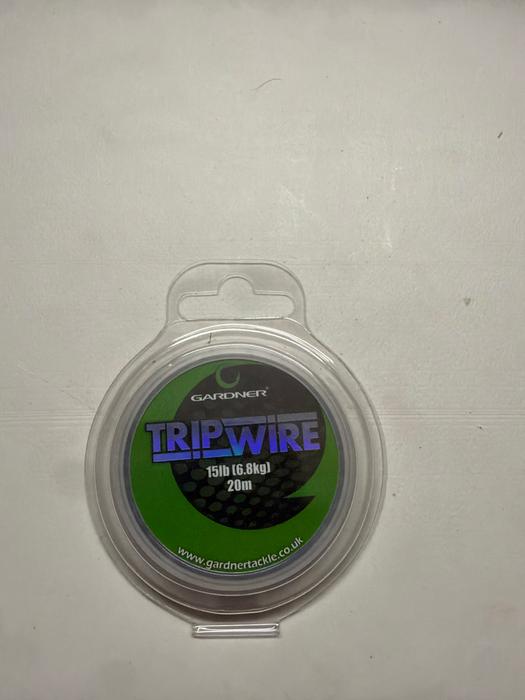
Gardner Trip Wire 15lb 20m
£4.24New
Sold by Tackl
General guidance, not professional advice. Always follow the venue's rules and current Environment Agency, NRW or Scottish regulations.