
Tackl Academy · Hooks
Choosing Carp Hooks for Bottom Baits, Wafters and Pop-Ups
The best hook is the one that works safely with your chosen hookbait, material and presentation. Pattern names offer a starting point, not a guaranteed result.
By Tackl · Reviewed by TACKL. · Updated 13 October 2026
Bottom bait priorities
Aim for a clear, sharp point and bait that can be inhaled without being pinned against the bend. A standard hair rig and suitable wide gape pattern are common starting combinations. Examine the hair gap with the actual bait before fishing.
Wafters and balanced baits
A wafter should counterbalance the hook and associated hardware to the degree intended by the rig design. Test in water: some marketed wafters vary by size, freshness and hook weight. Change the bait or tackle if the rig sits unnaturally.
Pop-ups and stiff hook sections
For pop-up arrangements such as a Chod or Hinged Stiff Rig, eye angle, hook section stiffness and swivel freedom are particularly important. Use components intended to work together and test the pop-up’s buoyancy and counterbalance.
Assess the whole presentation
Consider fishery hook rules, the actual hook size and point, bottom type, casting distance and landing conditions. Make one change at a time and evaluate the result, rather than copying a complicated rig without understanding its mechanics.
Questions
Do curved shank hooks always hook more fish?
No. Hooking outcomes depend on the whole rig and the conditions.
Are pop-up hooks interchangeable with bottom-bait hooks?
Some overlap exists, but the eye and shank geometry must suit the line and rig.
Related
Shop this on Tackl
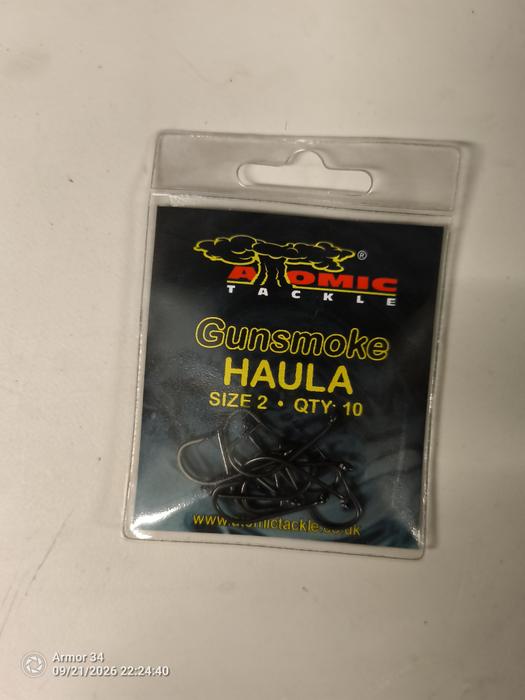
Atomic Tackle haula 2
£2.37New
Sold by Tackl
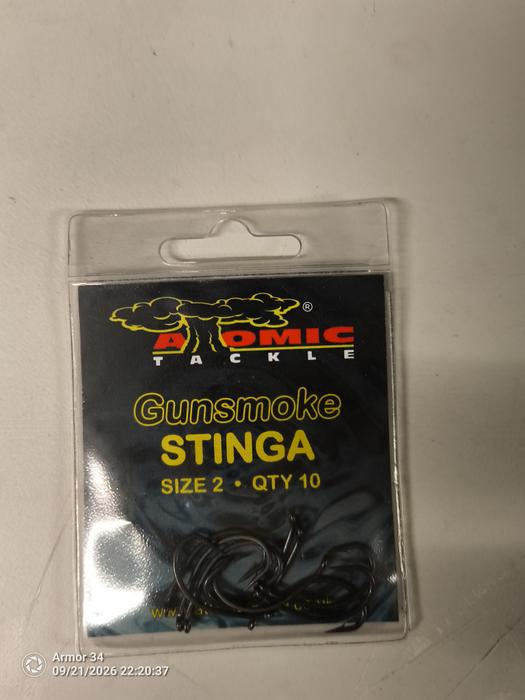
Atomic Tackle stinga 2
£2.37New
Sold by Tackl
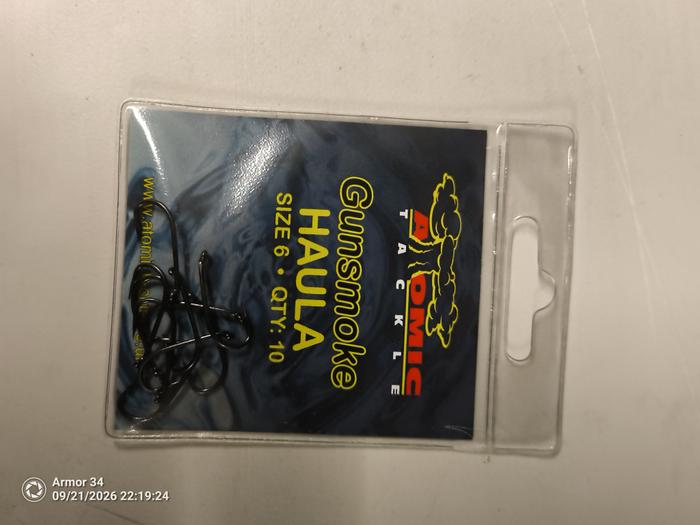
Atomic Tackle haula 6
£2.37New
Sold by Tackl
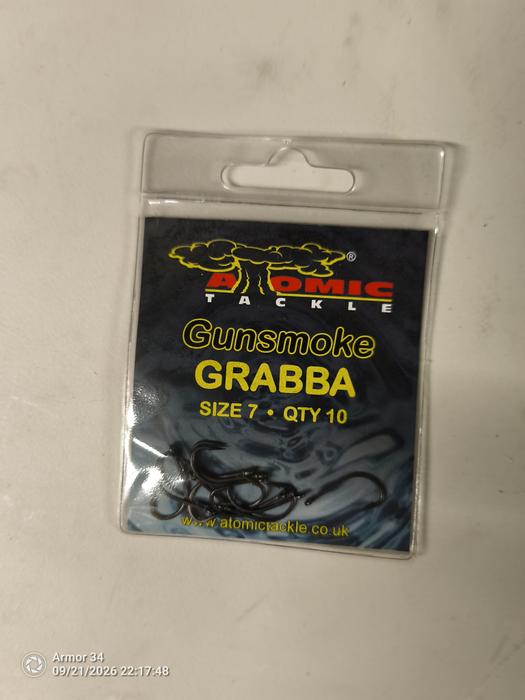
Atomic Tackle Hooks grabba 7
£2.37New
Sold by Tackl
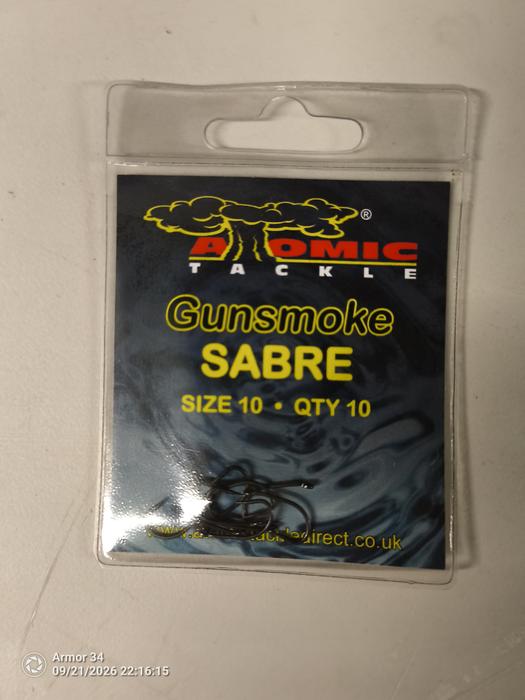
Atomic Tackle Hooks sabre 10
£2.37New
Sold by Tackl
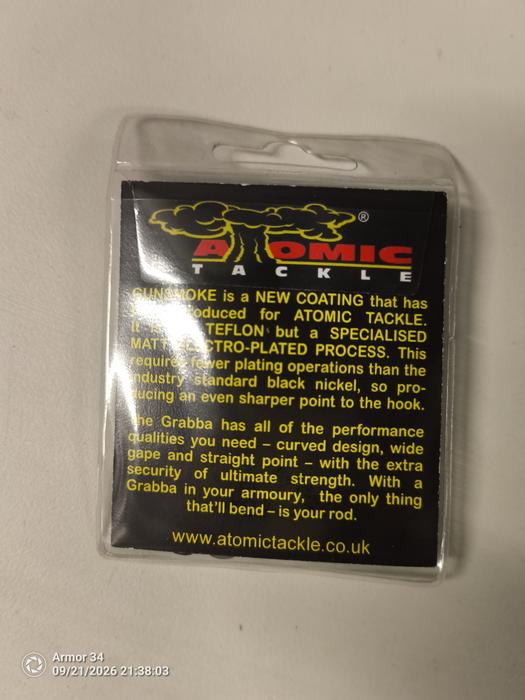
Atomic Tackle claw 4
£2.37New
Sold by Tackl
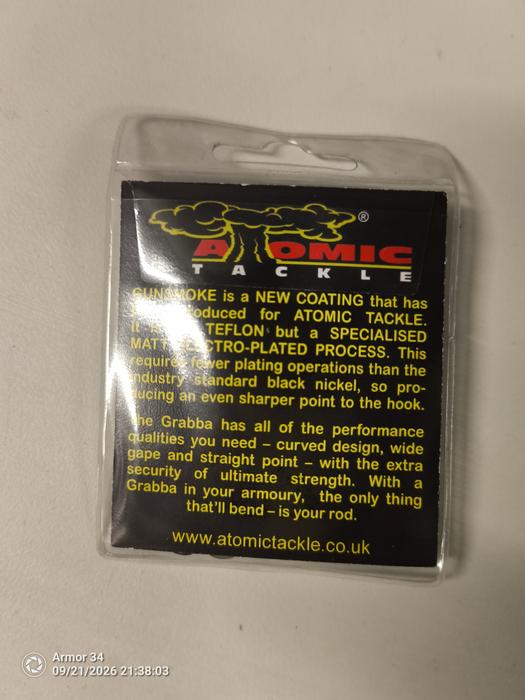
Atomic Tackle Hooks 7
£2.37New
Sold by Tackl
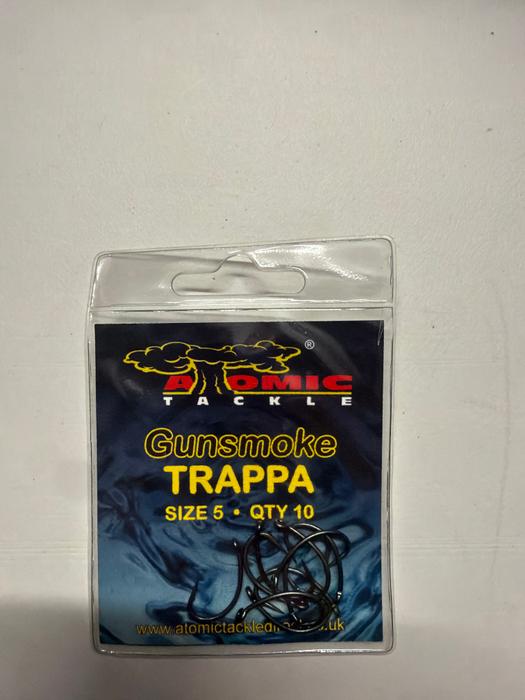
Atomic Tackle Hooks Trappa size 5 Gunsmoke
£2.37New
Sold by Tackl
General guidance, not professional advice. Always follow the venue's rules and current Environment Agency, NRW or Scottish regulations.