
Tackl Academy · Hooks
Main Line and Hooklinks: Mono, Fluorocarbon and Braid
Line choice affects casting, sensitivity, abrasion resistance and the way your hookbait settles. The right selection depends on the venue and the whole rig, not just the advertised breaking strain.
By Tackl · Reviewed by TACKL. · Updated 13 October 2026
Monofilament main line
Nylon mono is a versatile choice for many carp fisheries. Its stretch can provide forgiveness while playing fish, although diameter, abrasion resistance and line condition vary. Follow venue minimum-diameter or minimum-strength rules and fill your reel correctly.
Fluorocarbon and stiff materials
Fluorocarbon generally sinks readily and may be useful where you want line to settle, while stiffer hooklink materials are used in certain boom and pop-up presentations. Stiffness affects knot behaviour; not every knot suits every material.
Braided and coated hooklinks
Supple braid can follow irregular bottoms and allow free bait movement; coated braid can provide stiffness for anti-tangle properties with a stripped section where appropriate. Check the coating and connection after tying.
Leaders and shock leaders
Heavier leaders may be used for particular casting demands, but they can increase fish-tethering risks if badly combined with the lead arrangement. Use only venue-permitted leaders, safe connections and correctly configured lead-release systems.
Questions
Should I always use fluorocarbon?
No. Different waters and presentations benefit from different properties.
Can braid be used as a main line everywhere?
No. Some fisheries restrict it. Check current rules before arriving.
Related
Shop this on Tackl
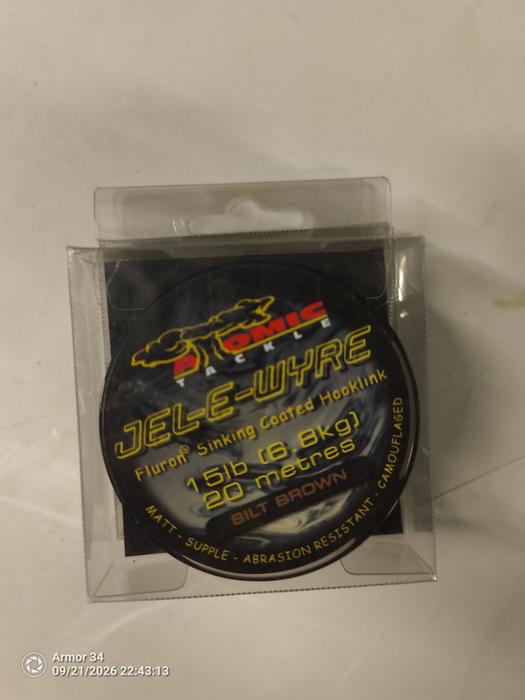
Atomic Tackle Hooklink Braided Sinking Coated Hooklink
£5.49New
Sold by Tackl
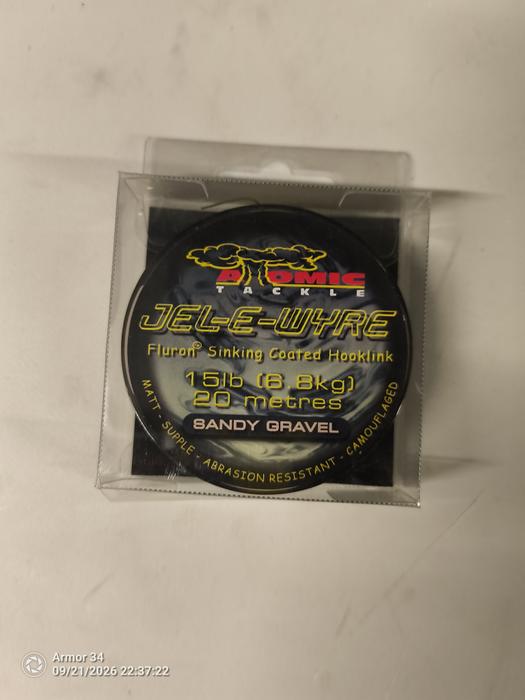
Atomic Tackle hooklink coated hooklink
£5.49New
Sold by Tackl
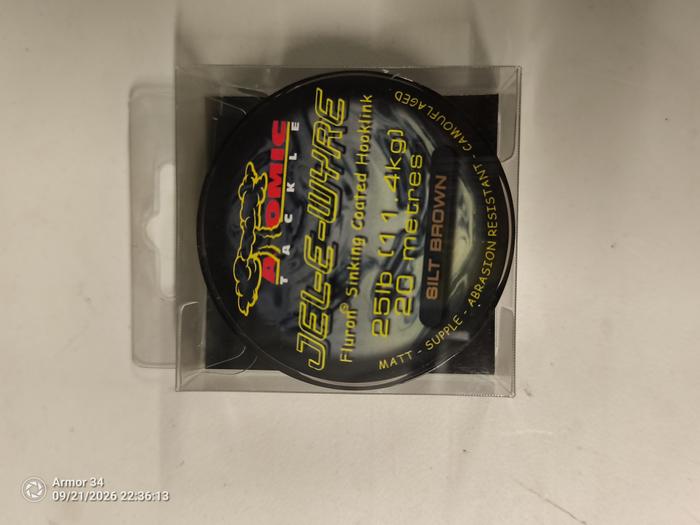
Atomic Tackle Hooklink Fluron Sinking Coated Hooklink
£5.49New
Sold by Tackl
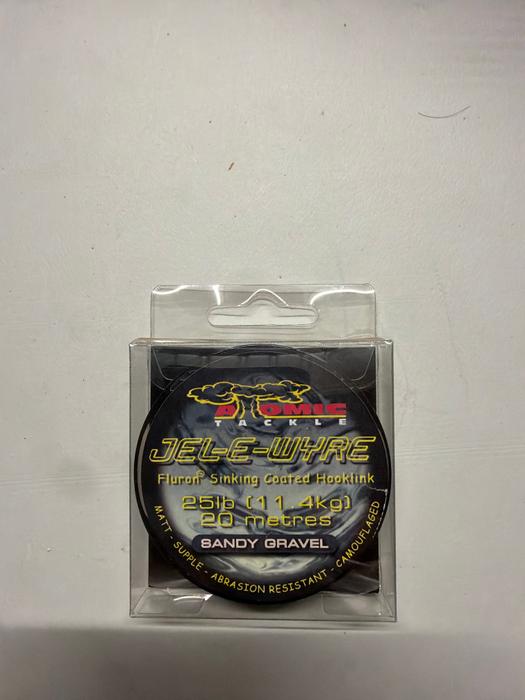
Atomic Tackle Line Fluorocarbon 25lbs 25lb (11.4kg) 20 metres
£5.49New
Sold by Tackl
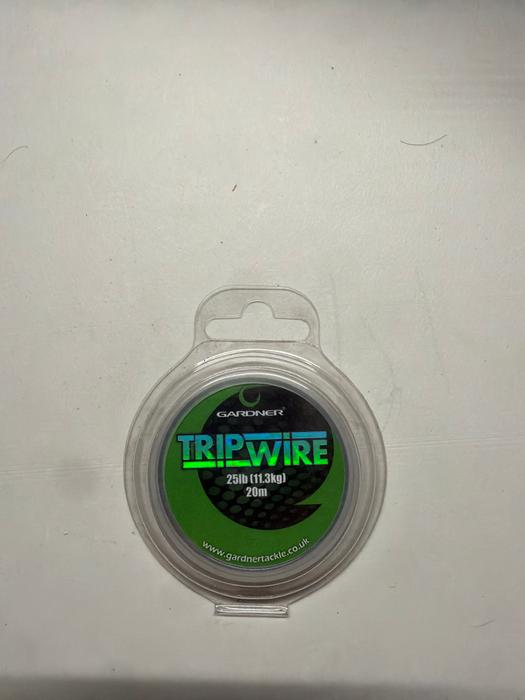
Gardner trip wire Line fishing line 25lbs
£3.00New
Sold by Tackl
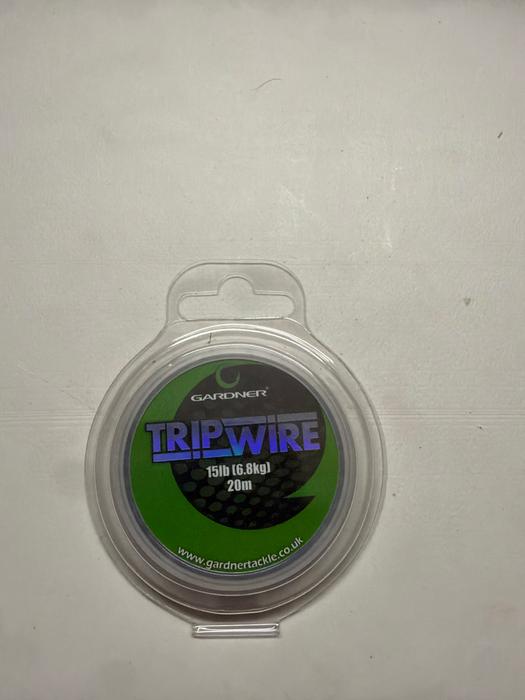
Gardner Trip Wire 15lb 20m
£4.24New
Sold by Tackl
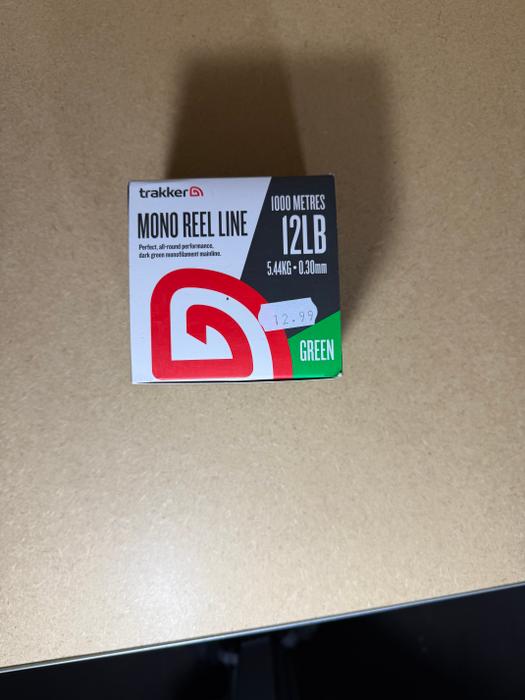
Trakker Line Monofilament 12lb
£6.74New
Sold by Tackl
General guidance, not professional advice. Always follow the venue's rules and current Environment Agency, NRW or Scottish regulations.